
 Lina Irawan
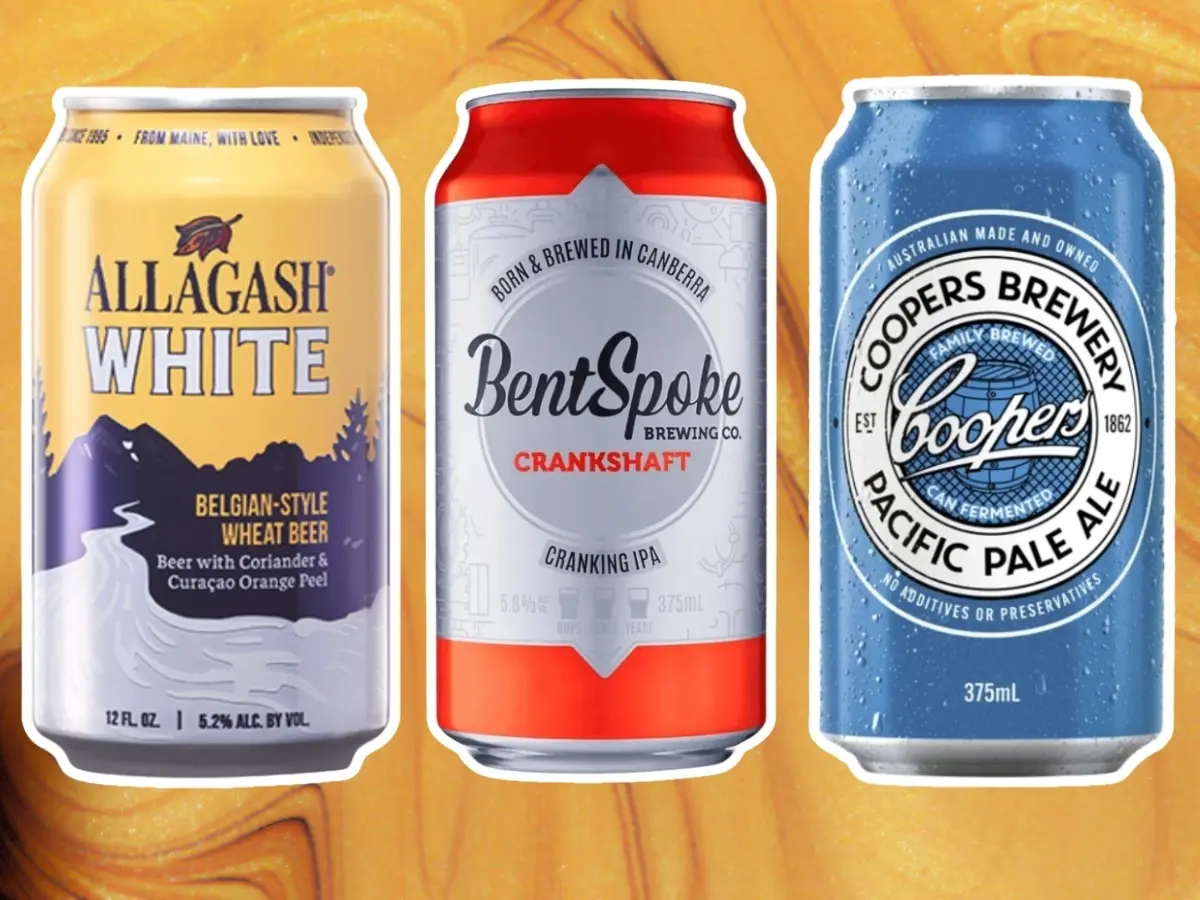
The global brewing industry is currently undergoing its annual transition as consumer preferences shift from the heavy, high-alcohol stouts and porters of winter toward the lighter, more refreshing profiles necessitated by rising temperatures. This seasonal pivot is more than a mere change in inventory; it represents a sophisticated intersection of brewing science, market logistics, and evolving consumer demographics. As the summer season approaches, breweries across Australia and the international stage are prioritizing "sessionability"—a term used to describe beers that are lower in alcohol and high in refreshment, allowing for multiple servings over an extended period without the palate fatigue associated with more robust styles.
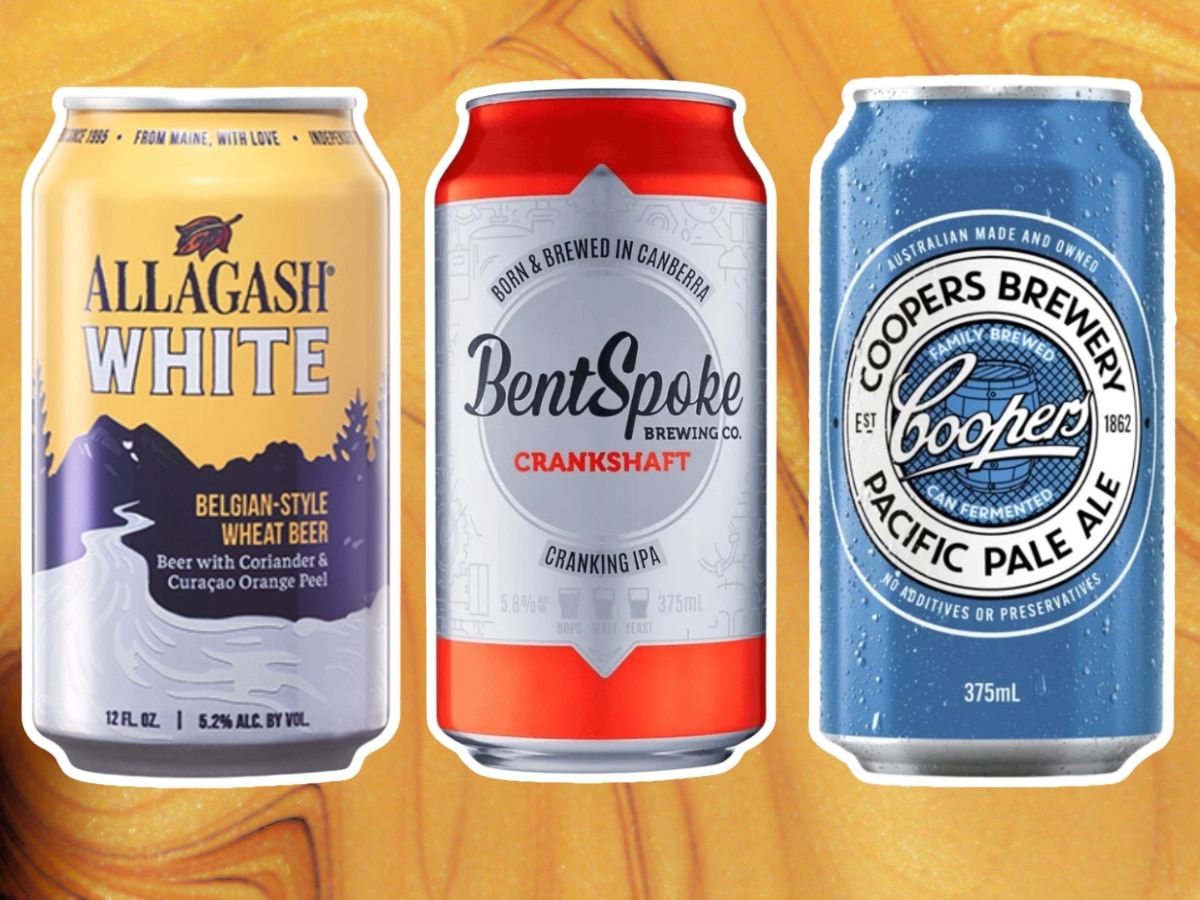
A high-quality summer beer is generally defined by a specific set of criteria: a moderate Alcohol by Volume (ABV) typically ranging between 3.5% and 5.5%, high carbonation levels to provide a "crisp" mouthfeel, and a flavor profile that emphasizes citrus, tropical fruit, or clean malt rather than heavy chocolate or roasted coffee notes. The current market shows a significant trend toward three primary categories: the traditional clean lager, the hop-forward but light-bodied Pacific or Pale Ale, and the increasingly popular non-alcoholic craft alternatives.
The Evolution of the Summer Brewing Calendar
The history of seasonal brewing is rooted in the practicalities of pre-refrigeration eras, where certain styles were brewed in cooler months to be consumed during the heat of harvest. In the modern context, this chronology has evolved into a strategic release cycle. In the southern hemisphere, the transition begins in late September and October, as breweries clear out barrel-aged stocks and launch their flagship summer campaigns.

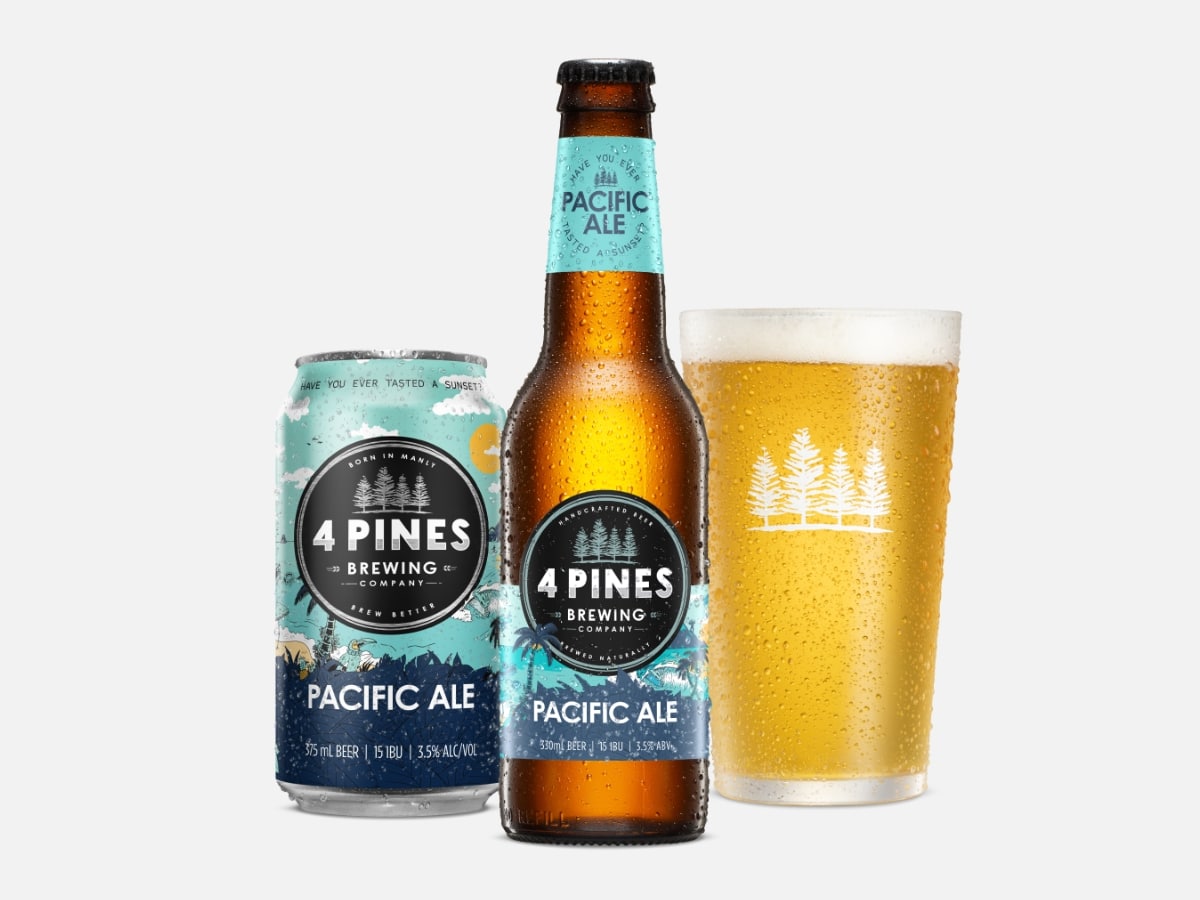
The emergence of the "Pacific Ale" style in the early 21st century serves as a pivotal moment in this chronology. Pioneered by regional Australian breweries, this style utilized local hops—specifically the Galaxy variety—to create a beer that mirrored the coastal lifestyle. This movement fundamentally altered the Australian beer landscape, shifting the baseline from standard bitter lagers to aromatic, hazy, and fruit-forward ales. Today, this style remains the benchmark for summer consumption, though it now faces competition from "New World" lagers and sophisticated sour ales.
Leading Selections for the 2024-2025 Summer Season
The following selections represent the pinnacle of current brewing excellence, categorized by their stylistic contributions to the summer market.
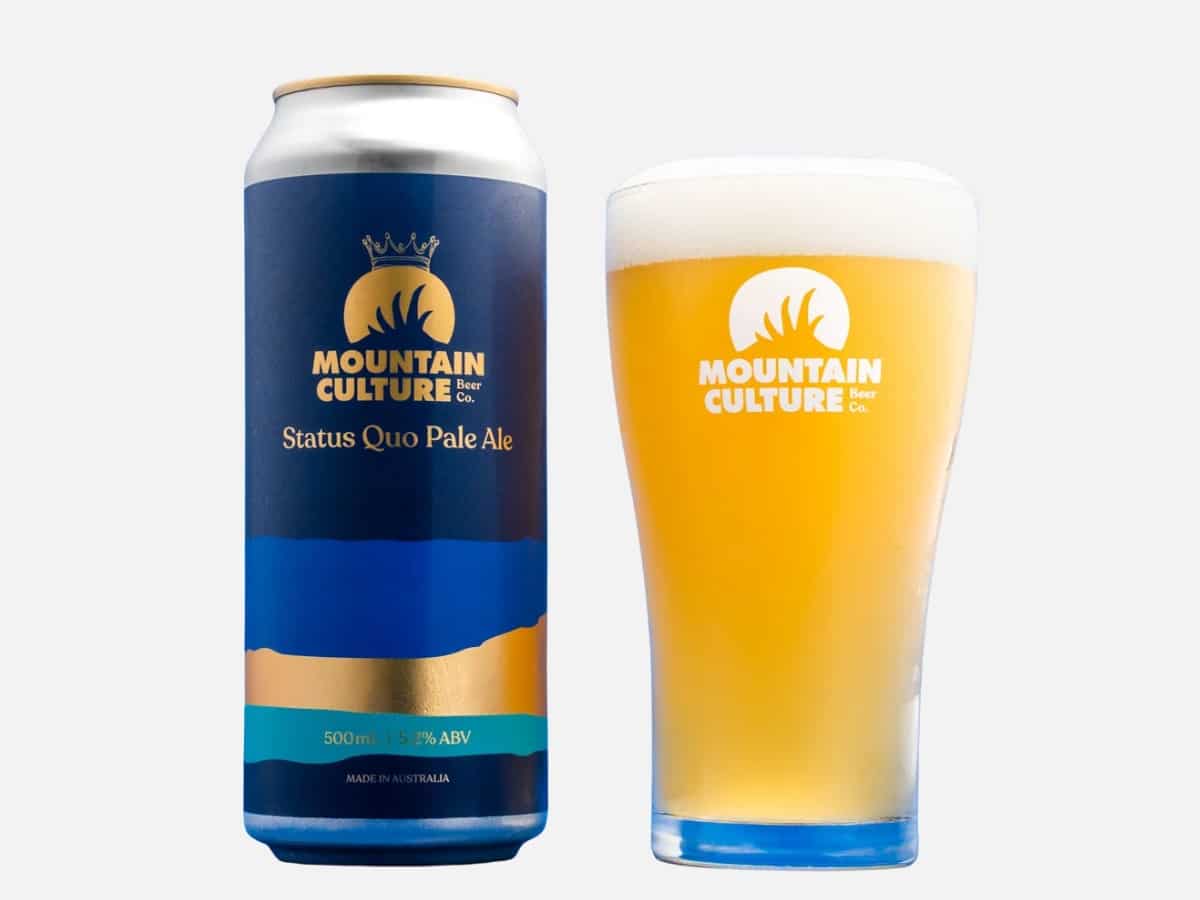
1. Mountain Culture Status Quo (Hazy Pale Ale)
Brewed in Katoomba within the Blue Mountains, Mountain Culture Beer Co. has seen a meteoric rise in popularity. Their flagship, Status Quo, is a 5.2% ABV hazy pale ale that exemplifies the modern preference for "juicy" profiles. Utilizing a blend of Citra, Mosaic, Vic Secret, Cashmere, and Centennial hops, the beer provides a complex aromatic profile of tropical fruits while maintaining a soft, pillowy mouthfeel due to the inclusion of wheat and a specific house hazy yeast strain.
2. Stone & Wood Pacific Ale (The Style Pioneer)
No analysis of summer brewing is complete without the Stone & Wood Pacific Ale. Brewed in Byron Bay, this beer is widely credited with establishing the Pacific Ale category. At 4.4% ABV, it is designed for maximum drinkability. Its reliance on Australian barley, wheat, and Galaxy hops creates a distinctive cloudiness and a flavor profile often described as "summer in a glass," characterized by passionfruit and citrus aromas.
3. Balter Cerveza (Mexican-Style Lager)
Gold Coast-based Balter Brewing has targeted the ultra-clean segment of the market with its Cerveza. This 4.0% ABV Mexican-style lager is a response to the enduring popularity of clear, crisp lagers that can be consumed in high-heat environments. It eschews the bitterness of traditional craft ales in favor of a dry finish and a light malt backbone, often served with a wedge of lime to enhance its acidity.
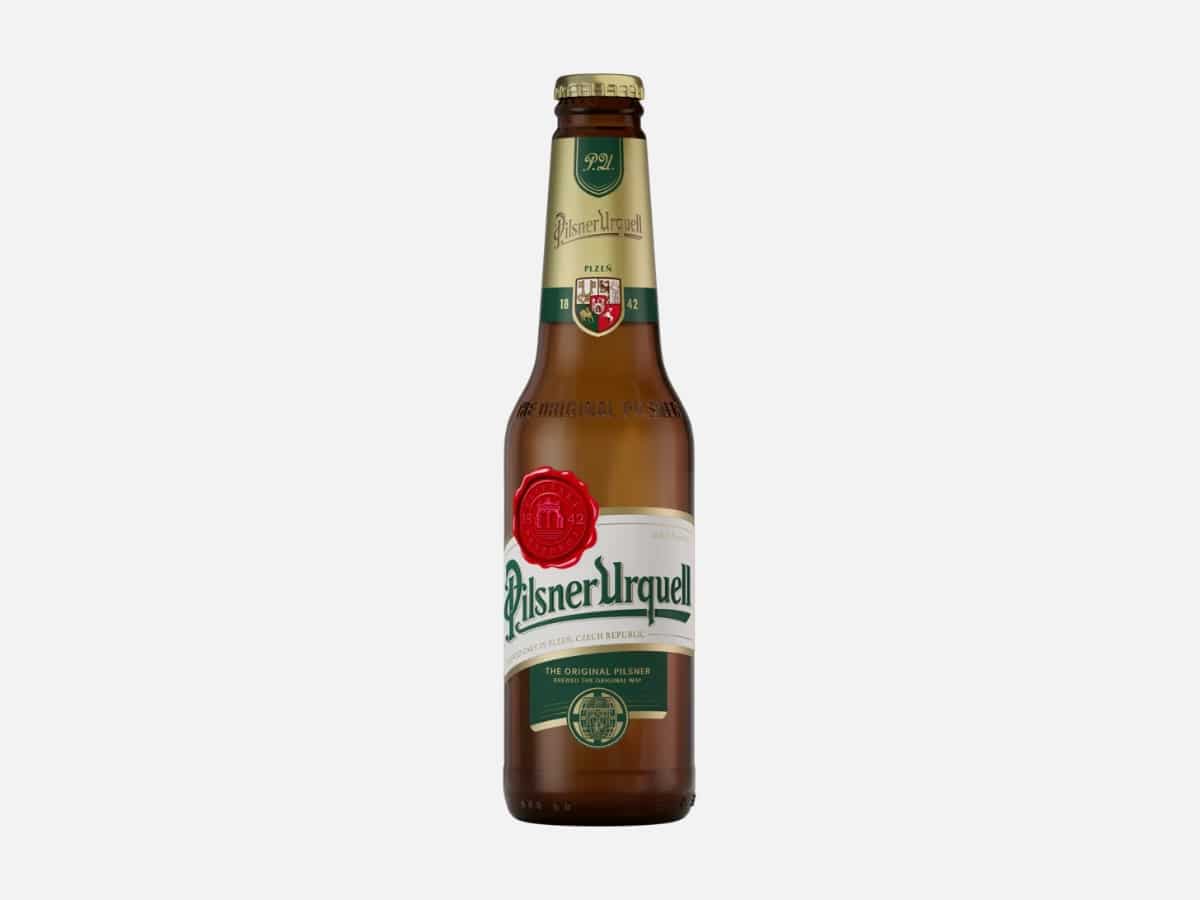
4. Pilsner Urquell (The Historical Benchmark)
For consumers seeking traditional refinement, Pilsner Urquell remains the global standard for the pilsner style. First brewed in Plzeň in 1842, it was the world’s first pale lager. Its profile is defined by the use of soft artesian water, Moravian barley, and Saaz hops. The result is a 4.4% ABV beer that balances a subtle bready sweetness with a distinct, spicy hop bitterness that cleanses the palate.
5. Heaps Normal Quiet XPA (Non-Alcoholic Innovation)
The non-alcoholic sector is the fastest-growing segment in the brewing industry. Heaps Normal, based in Canberra, has led this charge with the Quiet XPA. By utilizing specialized yeast strains that do not ferment simple sugars into alcohol, the brewery maintains the body and hop aroma of a traditional Extra Pale Ale (XPA) while keeping the ABV below 0.5%. This allows for consumption in settings where alcohol may be inappropriate or for consumers focusing on health and wellness.
Supporting Data and Market Trends
Recent industry data highlights a clear shift in consumer behavior during the summer months. According to retail sales figures from the past three years, craft beer sales in Australia see a 25% increase between December and February compared to the winter quarter. Within this growth, the "Session Ale" and "Lager" categories account for approximately 60% of total volume.
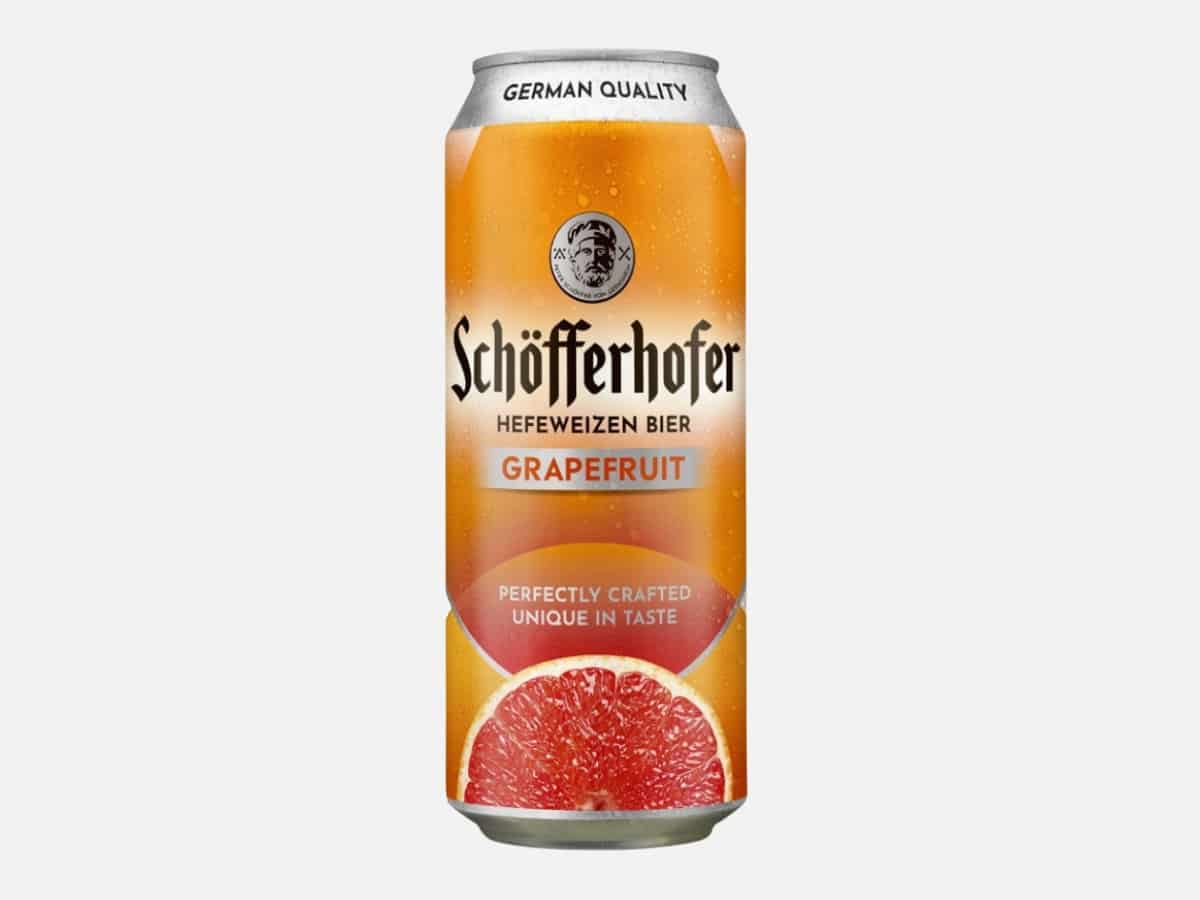
Furthermore, the rise of the "Radler" and "Shandy" styles indicates a diversification of the palate. A Radler, traditionally a 50/50 blend of lager and sparkling citrus juice, provides a low-alcohol (typically 2.0% to 2.5% ABV) alternative. Brands like Schöfferhofer Grapefruit have successfully occupied this niche, appealing to a demographic that prioritizes hydration and fruit-forward flavors over traditional hop bitterness.
Technical Brewing Considerations for Heat Resistance
Brewers must account for environmental factors when designing summer recipes. High temperatures can accelerate the oxidation of beer, leading to "off-flavors" described as wet cardboard or sherry. To combat this, summer beers are often brewed with higher levels of carbon dioxide and packaged in cans rather than bottles. Cans provide a total barrier to light and a superior seal against oxygen, ensuring the beer remains fresh during outdoor activities such as beach trips or barbecues.
Additionally, the use of "late-hopping" and "dry-hopping" techniques is prevalent in summer ales. By adding hops at the end of the boil or during fermentation, brewers can extract essential oils and aromas—such as limonene and myrcene—without increasing the isomerized alpha acids that cause intense bitterness. This results in a beer that smells like tropical fruit but remains easy to drink.
Industry Responses and Expert Perspectives
Industry experts suggest that the 2024-2025 season will be defined by "transparency and simplicity." Leading brewers have noted that while the "hype" of high-ABV, experimental beers remains among enthusiasts, the general public is returning to well-executed, classic styles.
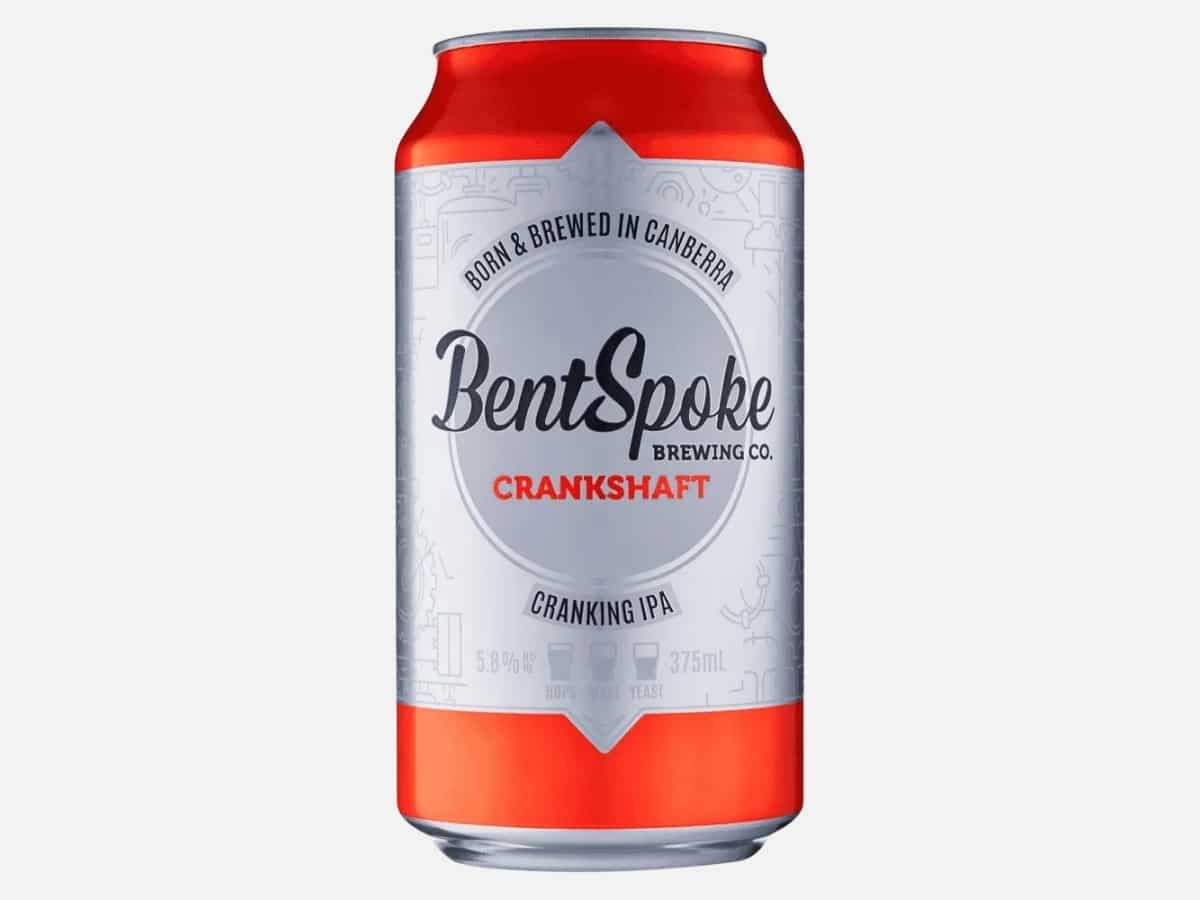
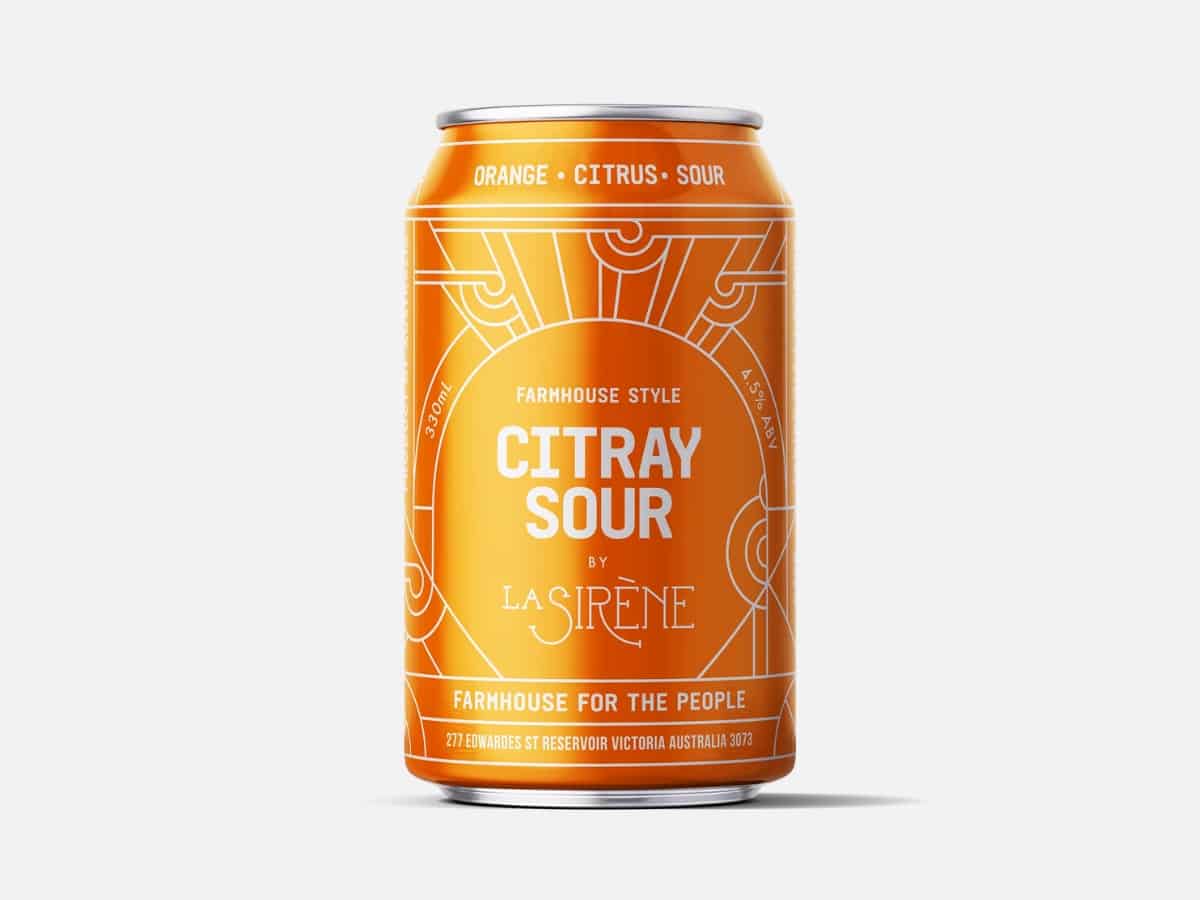
"The goal for summer is always sessionability," states a representative from the craft brewing sector. "Consumers want a beer that complements the environment rather than dominating it. Whether it’s a West Coast IPA like BentSpoke’s Crankshaft, which offers a piney bitterness, or a farmhouse-style sour like La Sirene’s Citray Sour, the acidity and carbonation must be balanced to provide immediate refreshment."
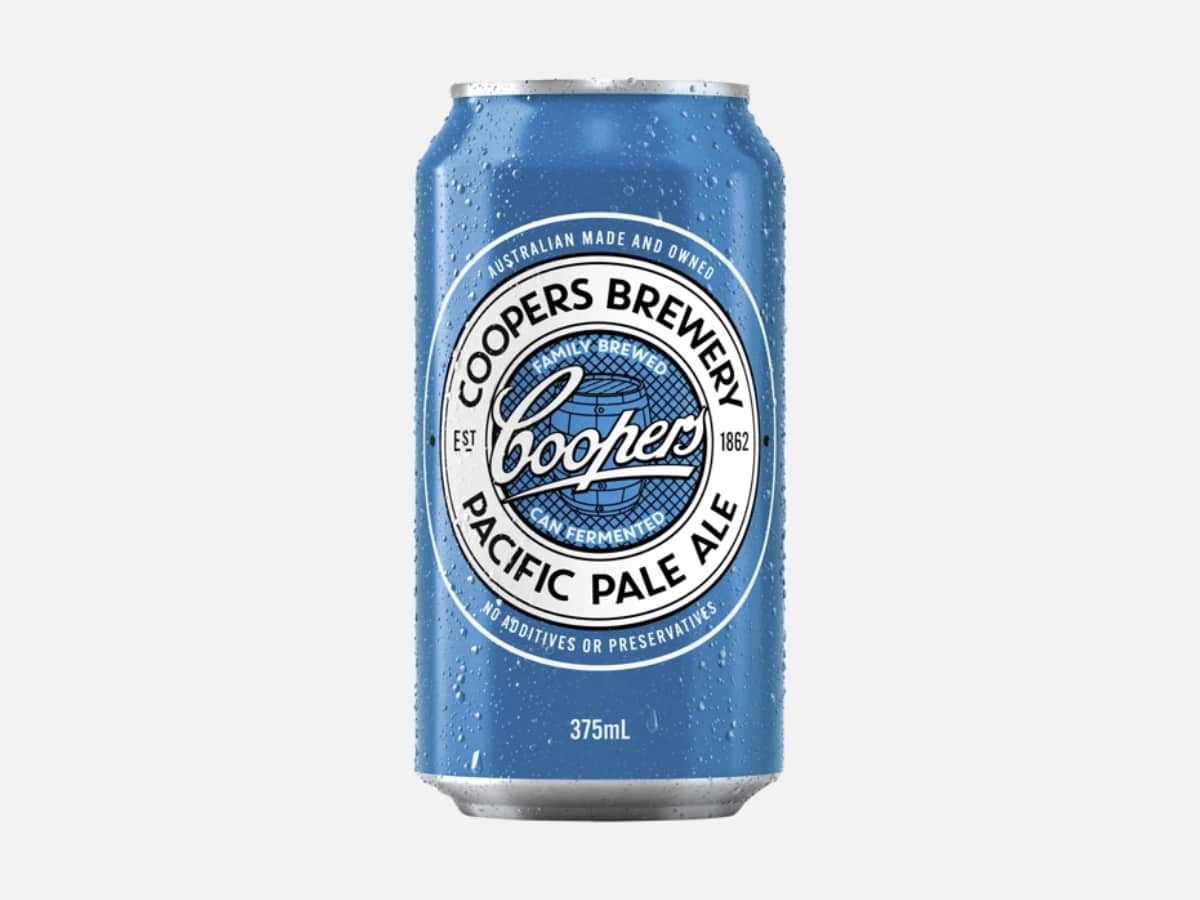
The inclusion of local ingredients is also a point of pride for many regional breweries. For instance, the use of Victorian oranges in La Sirene’s sours or Tasmanian-grown hops in Coopers Pacific Pale Ale reflects a broader movement toward domestic sustainability and supporting local agriculture.
Broader Impact and Future Outlook
The economic impact of the summer beer season extends beyond the breweries themselves. It is a vital period for the hospitality and tourism sectors. Coastal venues and "beer gardens" rely heavily on the availability of these seasonal styles to drive foot traffic.
Looking forward to 2025, the industry expects a continued blurring of lines between categories. "Hybrid" styles—such as the Cold IPA (an IPA fermented with lager yeast at lower temperatures) or fruit-infused lagers—are expected to gain traction. These styles offer the aromatic complexity of an ale with the clean, refreshing finish of a lager.
Furthermore, the environmental impact of brewing is becoming a central concern. Many breweries are now implementing solar power, water recovery systems, and carbon capture technology. As summer temperatures continue to reach record highs, the industry’s ability to adapt both its products and its production methods will be crucial for long-term viability.
In conclusion, the best summer beers of the 2024-2025 season are characterized by their technical precision and their alignment with consumer needs for refreshment and lower alcohol content. From the historic pilsners of Europe to the innovative non-alcoholic XPAs of Australia, the current market offers a diverse array of options that prioritize flavor, quality, and the quintessential experience of the season.




 Nila Kartika Wati

 Eva Lovia

 Yuyun Lusiyani

 Ana Megawati

 Joko Widodo
