
 Lina Irawan

The Swiss haute horlogerie manufacturer Audemars Piguet has officially entered the secondary market with the launch of The Watch Keepers, a dedicated certified pre-owned (CPO) platform designed to authenticate, grade, and resell its timepieces. Debuting on October 26, 2026, the platform marks a significant strategic pivot for the Le Brassus-based manufacture, which has historically relied on a network of third-party dealers and auction houses to facilitate the exchange of its vintage and discontinued models. By establishing a direct-to-consumer resale channel, Audemars Piguet (AP) aims to provide a secure environment for collectors while capturing a share of a secondary market that has grown exponentially over the last decade.
The Watch Keepers serves as a comprehensive ecosystem where every listed watch is verified against the brand’s internal archives. This initiative addresses the primary concern of luxury watch collectors: the proliferation of high-quality counterfeits and "franken-watches" composed of mismatched authentic parts. Through this platform, AP assumes full responsibility for the logistics of the sale, including authentication, condition grading, insurance, storage, and final delivery. At launch, the service is available exclusively to buyers and sellers located in Switzerland and Europe, though industry analysts anticipate a phased global rollout to include North American and Asian markets in the coming years.

Operational Framework and the Authentication Process
The Watch Keepers distinguishes itself from traditional peer-to-peer marketplaces by integrating the manufacturer’s technical expertise directly into the sales cycle. When a watch is submitted for listing, it is transported via an insured courier to a dedicated AP service facility. Here, master watchmakers conduct a forensic examination of the timepiece. This process involves verifying the serial numbers against historical production records to ensure the movement, case, and dial are original to the specific reference.
Unlike the certified pre-owned program launched by Rolex in late 2022, which mandates a full mechanical service for every watch, Audemars Piguet has opted for a "certification over restoration" model. While every watch is guaranteed to be authentic and functional, AP does not automatically overhaul every movement. Instead, the brand assigns a rigorous five-point grading scale to the case, dial, and bracelet. If the technicians identify a mechanical fault or a need for aesthetic refurbishment, the seller is notified and can opt for a service at an additional cost before the watch is listed.
Buyers on the platform receive a comprehensive package intended to mimic the experience of purchasing a new timepiece. This includes a manufacturer-issued certificate of authenticity, a branded travel pouch, and a two-year international warranty covering the watch’s mechanical performance. If the original "box and papers" from the initial retail sale are available, they are included in the transaction; however, the AP-issued certificate serves as a definitive replacement for those lacking original documentation.

The Financial Architecture: Commission and Pricing
The commercial structure of The Watch Keepers is built upon a progressive commission model, a move that allows AP to monetize the lifecycle of a single watch multiple times. According to financial data associated with the program’s launch, the commission is calculated on a tiered basis to remain competitive with high-end auction houses while accounting for the administrative costs of the authentication service.
The commission structure is as follows:
- 20 percent on the first CHF 25,000 of the sale price.
- 15 percent on the next CHF 25,000 (the portion between CHF 25,001 and CHF 50,000).
- 10 percent on any amount exceeding CHF 50,000.
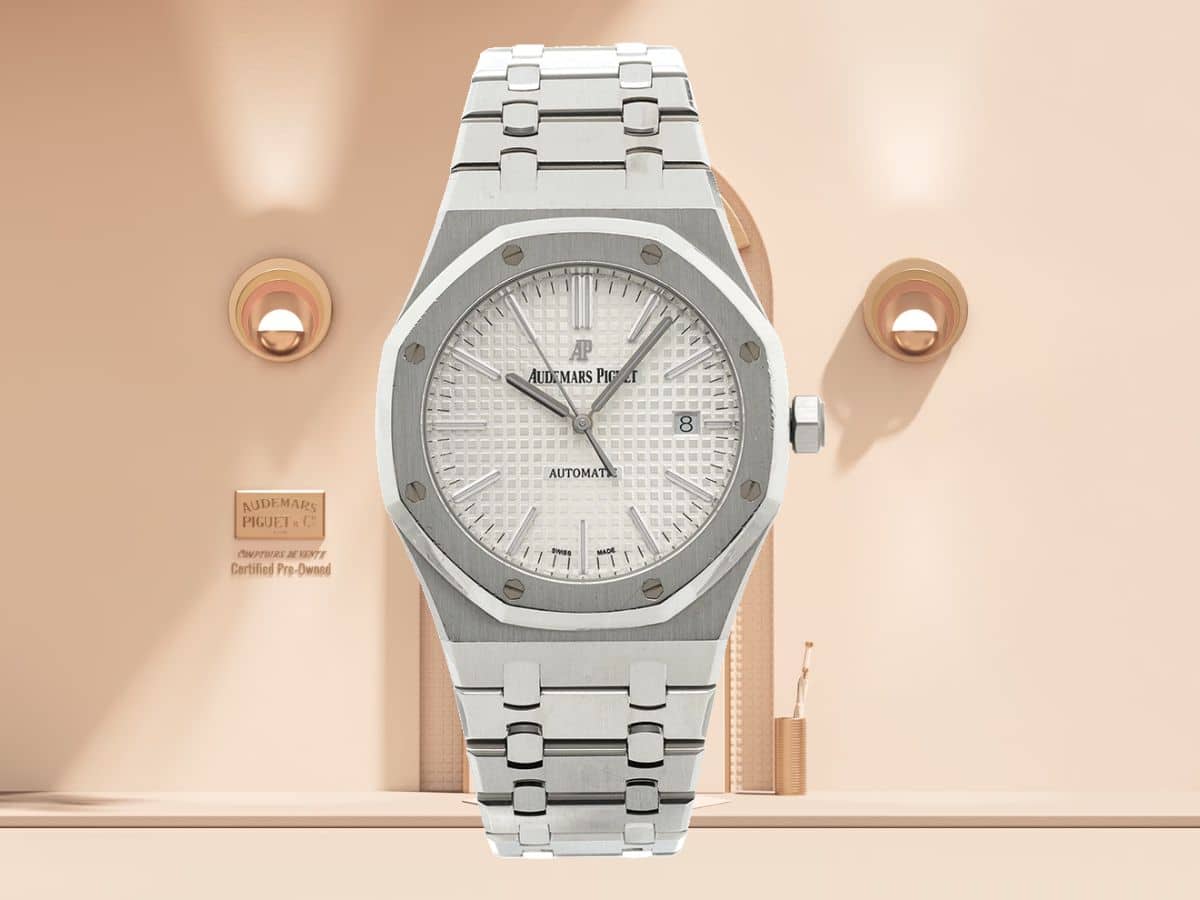
For a high-value transaction, such as a Royal Oak "Jumbo" Extra-Thin selling for CHF 80,000, the total commission would amount to CHF 11,750 (CHF 5,000 for the first tier, CHF 3,750 for the second, and CHF 3,000 for the third). While these fees are higher than those found on some unmoderated peer-to-peer platforms, AP argues that the manufacturer’s seal of approval adds a "trust premium" to the final sale price, potentially offsetting the cost for the seller.
Strategic Chronology: From Concept to Marketplace
The launch of The Watch Keepers is the culmination of a nearly decade-long strategic evaluation. In 2018, then-CEO François-Henry Bennahmias famously described the independent secondary market as a "commercial aberration," noting that it was illogical for a brand to allow third parties to control the narrative and pricing of its historical products. AP began testing the waters with a small-scale trade-in program in its Geneva boutiques shortly thereafter, but the complexities of global logistics and the sheer volume of the secondary market delayed a full-scale digital launch.
The appointment of Ilaria Resta as CEO signaled an acceleration of these digital and circular economy initiatives. Under her leadership, the brand has focused on "client centricity," viewing the secondary market not as a threat to new sales, but as a gateway for new collectors. Resta has emphasized that while the platform generates revenue through commissions, its primary purpose is to stabilize the brand’s value and provide transparency. "The platform is not primarily designed to generate revenue or profit," Resta stated in a briefing with Swiss media. "It is a service to our community to ensure that the passion for our watches is backed by absolute certainty."
Inventory and Anti-Flipping Measures
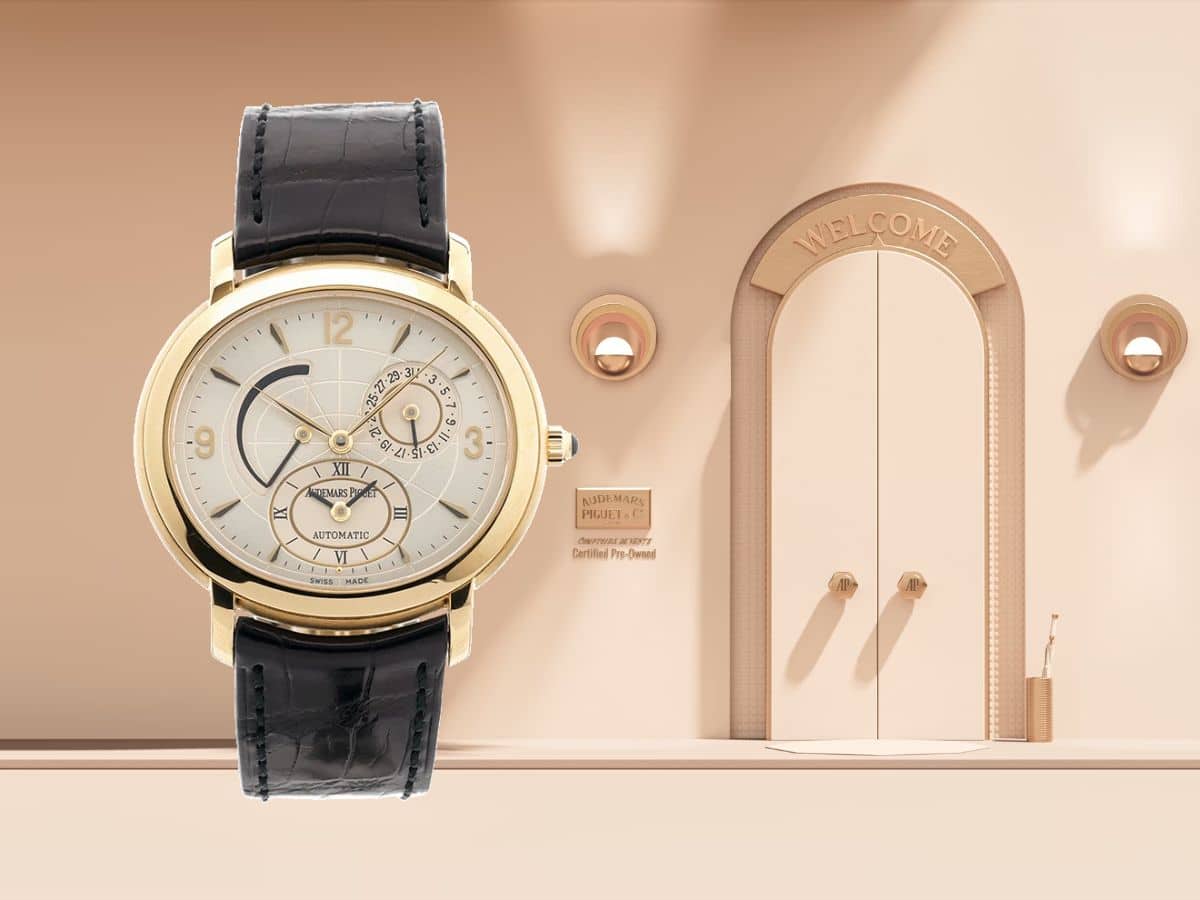
The Watch Keepers launched with an initial catalog of approximately 42 timepieces, including various iterations of the Royal Oak and Royal Oak Offshore, alongside discontinued collections such as the Millenary and Jules Audemars. The platform also features "high complications," including flying tourbillons and skeletonized movements that rarely appear on the open market with manufacturer-backed warranties.

A critical component of the program is the "24-month rule." To prevent "flipping"—the practice of buying high-demand watches at retail and immediately reselling them for a profit—a watch is only eligible for The Watch Keepers if at least 24 months have passed since its original retail purchase. This policy is designed to protect the integrity of AP’s boutique waitlists and ensure that the platform serves genuine collectors rather than speculative investors.
Furthermore, the platform requires identity verification and an official AP account to view pricing. This "walled garden" approach allows the brand to gather granular data on market demand and collector behavior, which can then inform future production volumes and design directions.
Market Analysis and Industry Implications
The entry of Audemars Piguet into the CPO space reflects a broader trend in the luxury industry. According to reports from LuxeConsult and Morgan Stanley, the secondary market for luxury watches is projected to reach $35 billion by 2030, potentially overtaking the primary market in terms of total value. By controlling its own resale channel, AP joins the ranks of Rolex, Vacheron Constantin, and Cartier in reclaiming the "second life" of its products.
Market analysts suggest that The Watch Keepers will have three primary effects on the industry:
- Price Standardization: By providing an official reference point for "certified" prices, AP may reduce the extreme price volatility seen on independent marketplaces. While sellers still choose their asking prices, the manufacturer’s involvement creates a "floor" for quality and a "ceiling" for reasonable premiums.
- Pressure on Independent Dealers: Specialized secondary market dealers, such as Chrono24 and Watchfinder & Co., may find it difficult to compete with a manufacturer that can offer an official two-year warranty and a certificate of authenticity directly from the archives.
- Enhanced Brand Loyalty: By facilitating the sale of older models, AP allows collectors to "trade up" to more complex or newer pieces within the brand’s own ecosystem, keeping capital within the house.
Future Outlook
As the luxury watch market continues to professionalize, the distinction between "new" and "pre-owned" is becoming increasingly blurred. The Watch Keepers represents Audemars Piguet’s acknowledgement that a watch’s journey does not end when it leaves the boutique.
While the current geographic restrictions to Switzerland and Europe limit the platform’s immediate impact on the global market, the infrastructure is clearly designed for scale. The brand expects to maintain a rolling inventory of approximately 100 watches at any given time. For the global horological community, the success of The Watch Keepers will be measured not just by the volume of sales, but by its ability to maintain the "holy trinity" brand’s prestige in a digital, secondary environment. By taking ownership of its history, Audemars Piguet is ensuring that the "Watch Keepers" of the future are as closely tied to the manufacture as the original buyers were over a century ago.




 Nila Kartika Wati

 Eva Lovia

 Yuyun Lusiyani

 Ana Megawati

 Joko Widodo
