
 Eva Lovia
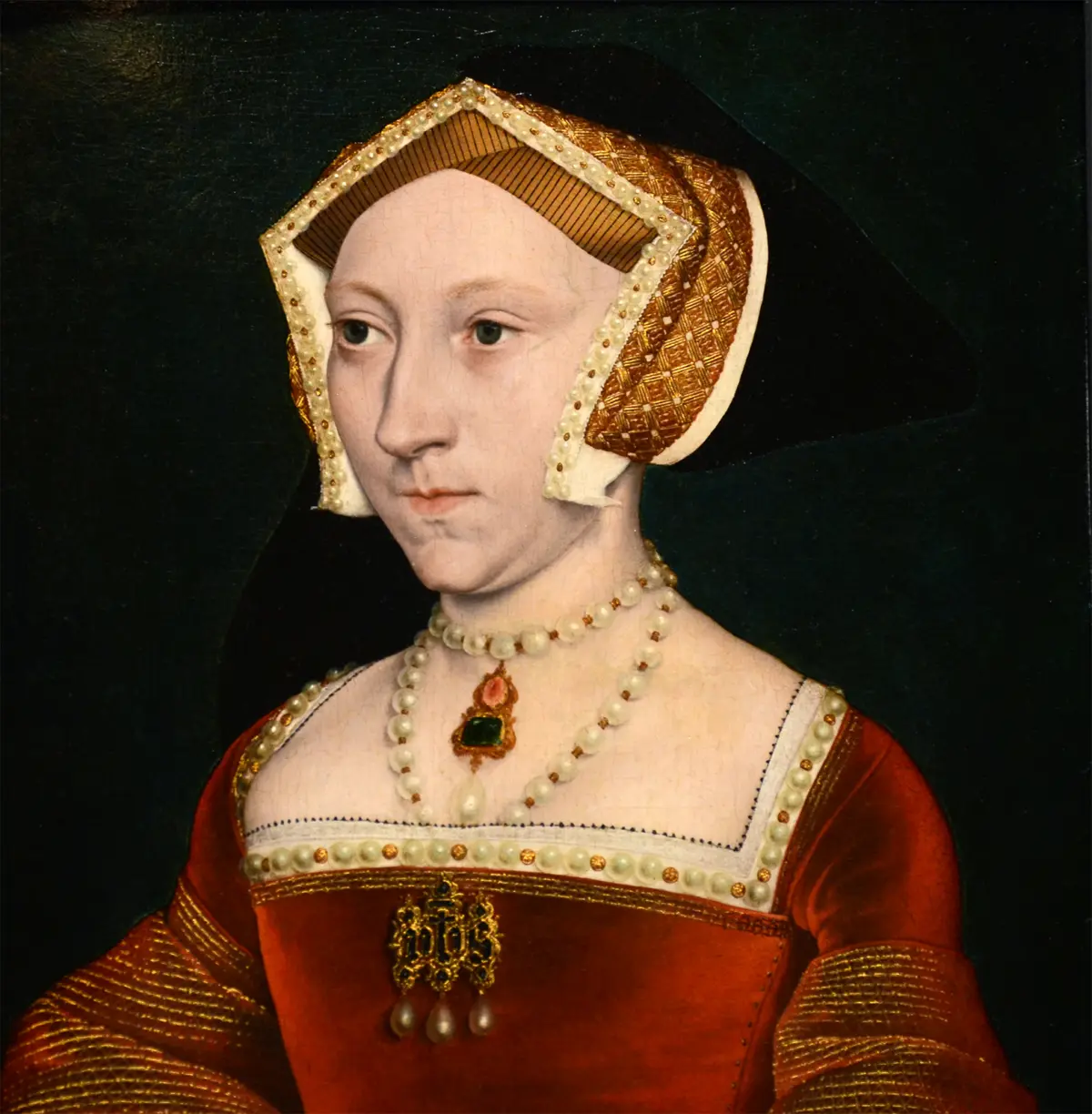
The imposing stone walls of Hampton Court Palace, a testament to centuries of royal intrigue and grandeur, are whispered to hold more than just historical echoes. Among its many spectral residents, one figure stands out with poignant resonance: Jane Seymour, the third wife of Henry VIII, whose brief reign as queen ended in profound personal tragedy and a lingering, ethereal presence. Her story, one of fulfilled ambition for a king but a devastating personal cost for herself, continues to captivate and haunt, a stark reminder of the precariousness of life, even for those closest to the throne.
A Son Delivered, A Queen Lost: The Culmination of a King’s Desire
The dawn of October 12th, 1537, marked a pivotal moment in the tumultuous reign of Henry VIII. After years of desperate yearning and the annulment of two marriages, the king finally received the news that would secure his dynasty: the birth of a healthy male heir. Prince Edward, later Edward VI, was the embodiment of Henry’s deepest desires, a symbol of continuity and the continuation of the Tudor line. The mother of this longed-for prince was Jane Seymour, a woman who, in the eyes of history, achieved the ultimate royal objective. However, her triumph was tragically short-lived.
Jane Seymour’s journey to queen was as swift as it was consequential. Entering Henry’s orbit in 1535, she quickly became the focus of the king’s attention, especially following the dramatic downfall of his second wife, Anne Boleyn. The swiftness of events that followed was staggering. Anne Boleyn, accused of treason and adultery, was executed on May 19th, 1536. The very next day, May 20th, 1536, Henry announced his betrothal to Jane Seymour, and a mere ten days later, on May 30th, 1536, they were married. Thus, Henry VIII began May with one queen and ended it with another, a testament to his relentless pursuit of a male heir and his ability to orchestrate rapid dynastic changes.
Jane’s tenure as queen, though brief at just 15 months, unfolded against a backdrop of significant national upheaval. While the king appeared to dote on her, her family, the Seymours, wielded considerable influence, seeking to capitalize on her advantageous position. This familial ambition often clashed with the agendas of other court advisors, creating a complex and often tense political landscape. Simultaneously, the English Reformation, initiated by Henry to break from papal authority and establish the Church of England, continued to reshape the nation. The dissolution of monasteries and the seismic shifts in religious doctrine created an atmosphere of uncertainty and unrest, a potent counterpoint to the personal drama unfolding within the royal court.
The Price of a Prince: Jane Seymour’s Final Days
Despite the turbulent times, Jane Seymour navigated her role with a notable discretion. She famously kept herself largely removed from direct political machinations, a stark contrast to her predecessor, Anne Boleyn. Her primary focus, and indeed her greatest perceived contribution, was her devotion to her stepdaughter, Princess Mary, the daughter of Catherine of Aragon. However, her most significant undertaking, and ultimately her undoing, was her pregnancy.
Within a year of her marriage, Jane became pregnant, a development that brought immense joy and anticipation to Henry VIII. He indulged and protected her, his hopes pinned on the imminent arrival of his son. The pregnancy was reportedly difficult, culminating in a protracted and arduous labor. It was during this critical period that the fragility of Tudor medicine became starkly apparent.
On October 12th, 1537, Prince Edward was born. While the kingdom rejoiced, Jane’s condition began to deteriorate rapidly. The exact cause of her death remains a subject of historical debate, but the most widely accepted theory points to puerperal fever, a severe bacterial infection that plagued women in the postpartum period. This devastating condition, common in an era before modern understanding of hygiene and antibiotics, claimed countless lives. Other theories suggest complications from the prolonged labor itself, such as hemorrhage or retained placental fragments, which could also have led to fatal infections.
By October 24th, 1537, just twelve days after giving birth to the heir Henry so desperately desired, Jane Seymour drew her last breath in her rooms at Hampton Court Palace. Her death plunged the court into deep mourning. Henry VIII, visibly devastated, wore black for months, a public display of his grief. His profound attachment to Jane, and perhaps the relief of finally having a male heir, led him to delay his remarriage for nearly three years, a significant pause in his otherwise rapid succession of wives.
The young Prince Edward was entrusted to the care of governesses and wet nurses, his upbringing meticulously managed by a doting father determined to shield his precious son. Henry’s protectiveness was legendary; he was said to wrap the infant prince in cotton wool, a symbolic representation of the immense value placed upon his life and the future of the Tudor dynasty.
The Lingering Presence: A Royal Ghost at Hampton Court
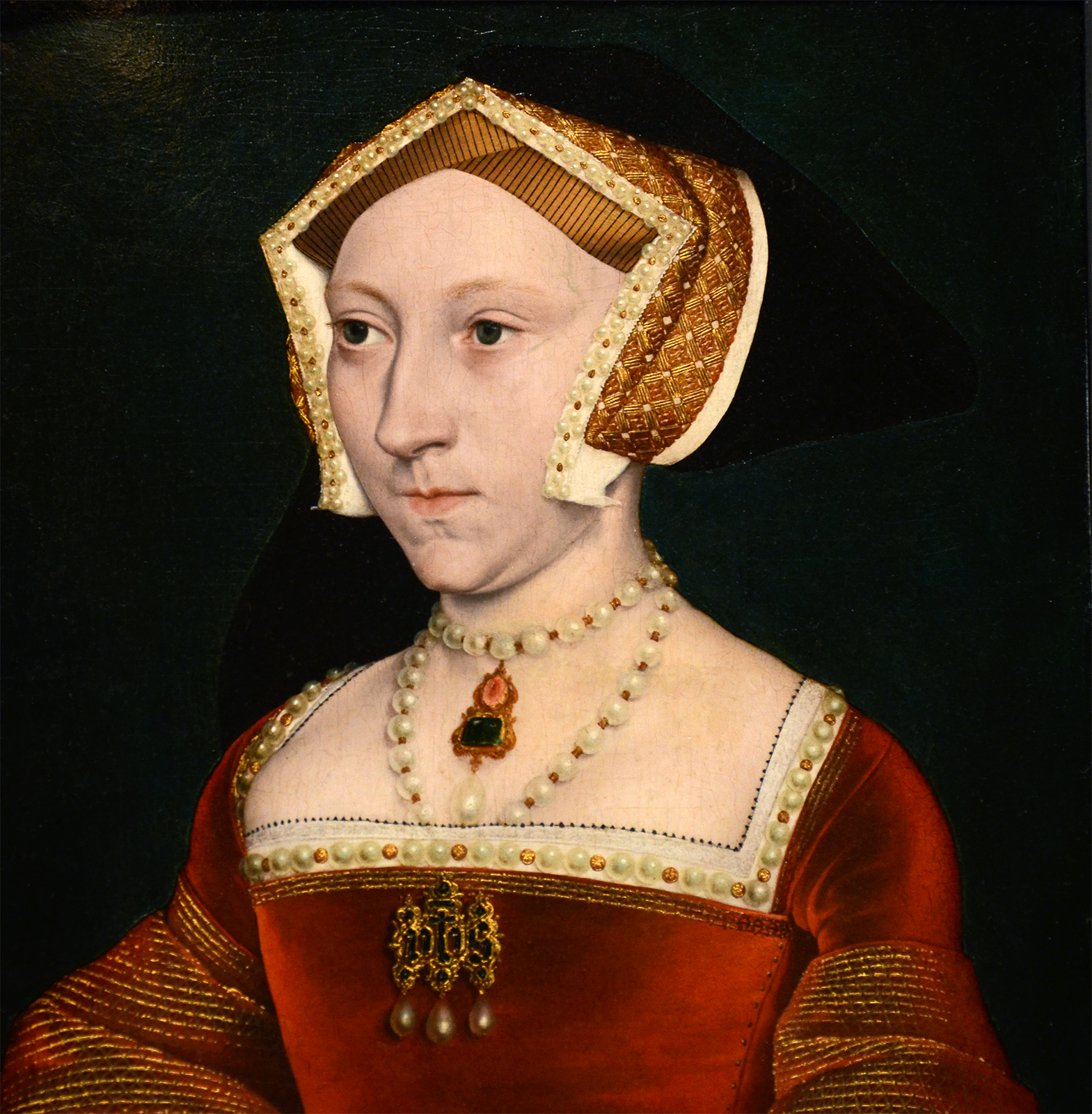
Jane Seymour’s story, however, did not conclude with her earthly demise. Her enduring connection to Hampton Court Palace, the very place where she fulfilled her queenly duty and breathed her last, has fueled centuries of spectral sightings and ghost stories. Her spirit is said to be most active around the anniversary of her son’s birth, a poignant reminder of the bittersweet circumstances of her passing.
Reports of a pale woman, often seen on the Silverstick Stairs, have been a recurring phenomenon at Hampton Court for generations. These stairs are believed to lead to the very chambers where Jane gave birth and subsequently died. Witnesses describe a spectral figure, sometimes carrying a lit candle, a solitary and mournful apparition. This manifestation is often interpreted as Jane Seymour, forever bound to the location of her greatest triumph and her ultimate sorrow. The imagery of a candle-lit figure evokes the era, a solitary light in the darkness, perhaps symbolizing her fleeting life or her enduring maternal spirit.
The Silverstick Stairs themselves are steeped in history, a functional part of the palace that has witnessed countless royal footsteps. That Jane’s ghost is reportedly seen on these specific stairs further solidifies the connection to her final moments and the events surrounding the birth of Prince Edward. The timing of these apparitions, coinciding with the anniversary of her son’s arrival, adds a layer of pathos, suggesting a maternal presence, a queen forever watching over the legacy she left behind.
A Royal Legacy: Burial and the King’s Final Resting Place
Jane Seymour’s final resting place is St. George’s Chapel, Windsor Castle, a magnificent gothic structure that serves as the final resting place for many English monarchs. Her burial there was a mark of her status as queen, the mother of the heir apparent.
Tragically, her husband, Henry VIII, would later join her in death. A decade after Jane’s passing, Henry died in 1547. In a testament to his enduring affection, or perhaps his desire for a final resting place that reflected his dynastic ambitions, Henry was laid to rest beside Jane Seymour. This shared tomb in St. George’s Chapel is a powerful symbol of their unique connection, the queen who delivered his heir and the king who could not forget her. It is a stark visual representation of their intertwined fates, a poignant conclusion to a complex royal relationship.
Contextualizing Jane Seymour’s Reign and Impact
Jane Seymour’s brief reign and tragic end are best understood within the broader context of the Tudor monarchy and the societal norms of the 16th century. The imperative for a male heir was not merely a personal whim of Henry VIII; it was a crucial element of dynastic stability in a period rife with political instability and contested successions. The Wars of the Roses had only recently concluded, and the fear of a disputed throne was palpable. Therefore, Jane’s success in producing a male heir elevated her to an almost unparalleled position of importance, despite her limited time as queen.
Her quiet demeanor and avoidance of political entanglement, while perhaps a pragmatic survival strategy, also contributed to her enduring image as a more passive figure compared to the more assertive Anne Boleyn or the formidable Catherine of Aragon. However, her influence in promoting the interests of Princess Mary should not be underestimated. In a court where religious and political factions vied for power, and where the legitimacy of Mary’s birth had been questioned, Jane’s advocacy for her stepdaughter demonstrated a degree of personal conviction and perhaps a subtle assertion of her own moral standing within the complex tapestry of Henry’s marital life.
The high mortality rates for women in childbirth during the Tudor era underscore the inherent risks associated with pregnancy and delivery. Jane Seymour’s death, while tragic, was unfortunately not an isolated incident. The lack of understanding regarding infection control and sterile practices meant that even queens, with access to the best available care, were vulnerable to fatal complications. This context highlights the profound bravery of women who underwent childbirth in this period, and the immense personal sacrifice that often accompanied the act of producing an heir.
The Enduring Fascination with Jane Seymour
The enduring fascination with Jane Seymour stems from several factors. Her role as the mother of Edward VI places her at a critical juncture in English history, the linchpin in Henry VIII’s quest for a Protestant succession. Her tragic death, so soon after achieving her ultimate royal purpose, imbues her story with a profound sense of pathos. Furthermore, the romantic and macabre allure of her alleged haunting of Hampton Court Palace adds a layer of mystery and enduring intrigue, drawing visitors and scholars alike to explore her life and legacy.
Jane Seymour, the queen who gave Henry VIII the son he craved, remains a figure of enduring interest. Her story is a stark reminder of the human cost of dynastic ambition, the fragility of life, and the enduring power of historical narratives that continue to echo through the grand halls of royal residences, whispering tales of love, loss, and spectral presence. Her ghost, if indeed it lingers, serves as a silent witness to the triumphs and tragedies of the Tudor court, a constant reminder of the queen who, in fulfilling her destiny, ultimately lost her life.




 Nila Kartika Wati

 Lina Irawan

 Yuyun Lusiyani

 Ana Megawati

 Joko Widodo
