
 Eva Lovia
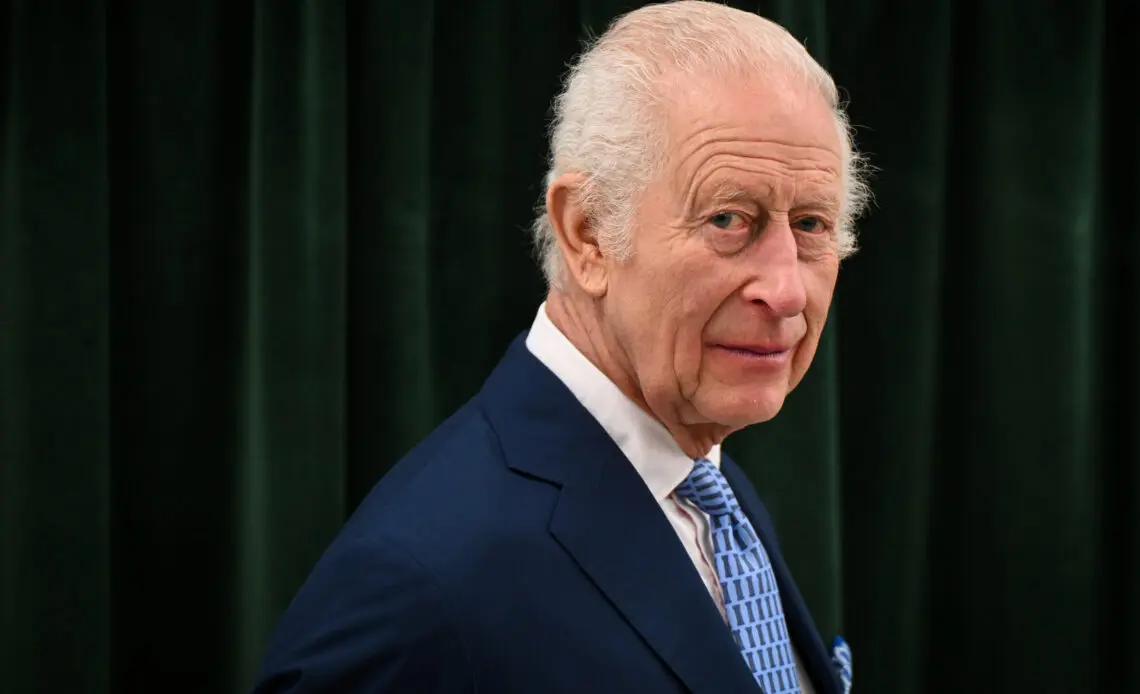
London, UK – Business and Trade Secretary Kemi Badenoch has sharply criticized Prime Minister Andy Burnham, accusing him of exerting undue pressure on King Charles III regarding a formal apology for Britain’s historical role in the transatlantic slave trade. Badenoch contends that Burnham’s public statements on the sensitive issue risk creating difficulties for the Sovereign, who has adopted a distinct approach to addressing the legacy of slavery.
Speaking in an interview with Sky News, Badenoch voiced her disapproval of Burnham’s willingness to engage in discussions about a formal state apology. She asserted that the Prime Minister’s focus should be on strengthening Britain’s current international relationships and economic partnerships, rather than dwelling on historical apologies and reparations. "I think that if he starts going into doing things which the Sovereign is not doing, I think that he could create pressure," Badenoch stated, implying a divergence in approach between the elected leader and the monarch on this complex historical matter.
Badenoch’s remarks come at a pivotal moment, as King Charles III prepares to deliver a significant address at the opening of the Commonwealth Heads of Government Meeting (CHOGM) in Antigua. Buckingham Palace has confirmed that His Majesty intends to confront "the most shameful aspects of the past" with "unflinching honesty." However, the Palace has also explicitly clarified that the King’s address will be delivered in his capacity as Head of the Commonwealth and will not comment on the United Kingdom government’s policy positions on the matter.
Prime Minister Burnham’s public stance, announced on the preceding Saturday, marked a notable shift in the discourse surrounding the UK’s historical involvement in the slave trade. His openness to discussing a formal apology from the British state has been met with positive reception from several Caribbean leaders, though disagreements persist regarding the specifics of financial reparations.
Badenoch questioned the timing and appropriateness of Burnham’s intervention ahead of the crucial Commonwealth summit. "I don’t think that this is what our Prime Minister should be doing at this Summit," she declared. "I think he should be talking about how Commonwealth countries should be making themselves, you know, looking at shared interests, allies working together, security cooperation, economic partnerships, not apologies and reparations. We’ve had enough of that." This sentiment suggests a broader conservative viewpoint that prioritizes future-oriented diplomacy and economic ties over historical reckoning and redress.
The Business and Trade Secretary further critiqued what she characterized as a pattern of Burnham making pronouncements without fully considering their broader implications. She alluded to previous instances where Burnham had commented on sensitive topics such as the possibility of another Scottish independence referendum, national security, social security, and the UK’s potential rejoining the European Union. "He just keeps saying things off the top of his head," Badenoch commented, portraying Burnham as an impulsive figure whose pronouncements lack strategic depth.
When pressed on whether the King himself would be making a mistake by offering an apology, Badenoch deferred to His Majesty’s prerogative. "The King is the Sovereign. He is the person who can make a call on that. I don’t think that he is doing that," she replied. Badenoch emphasized her desire for the Prime Minister to prioritize issues related to national defense and the UK’s international standing. "What I want to see is our Prime Minister actually talking about defending this country for once and being the Prime Minister, not the chief apologiser," she concluded, framing the debate as a matter of leadership focus.
The Historical Context of Apologies and Reparations
The debate surrounding a formal apology for the transatlantic slave trade is deeply rooted in centuries of history and ongoing calls for accountability from nations historically impacted by the trade. The transatlantic slave trade, which spanned from the 16th to the 19th centuries, forcibly transported an estimated 12.5 million Africans across the Atlantic, with millions perishing during the horrific journey. Britain played a dominant role in this trade, with its ships transporting the largest number of enslaved people. The economic prosperity of the British Empire was significantly built upon the exploitation of enslaved labor in its colonies, particularly in the Caribbean.
Calls for an apology and reparations have intensified in recent decades, spearheaded by Caribbean and West African nations that continue to grapple with the socio-economic and psychological legacies of colonialism and slavery. These nations argue that the wealth generated through slavery and subsequent colonial exploitation has contributed to present-day inequalities and underdevelopment.
The Commonwealth Summit and Royal Engagement
King Charles III’s upcoming address at the CHOGM in Antigua is anticipated to be a moment of significant historical and diplomatic importance. The Commonwealth, an association of 56 member states, many of which are former territories of the British Empire, provides a unique platform for discussing shared challenges and historical legacies.
This engagement follows King Charles’s recent tour of the Caribbean, where he has already begun to acknowledge the suffering caused by slavery. During his visit to The Bahamas, His Majesty spoke of the "great suffering" endured by those subjected to slavery, marking a subtle but significant evolution in royal discourse on the subject. Buckingham Palace’s confirmation that the King will address "the most shameful aspects of the past" indicates a willingness to confront this difficult history, albeit within carefully defined parameters.
The CHOGM agenda typically includes discussions on economic development, climate change, security, and governance, but the legacy of slavery and colonialism is increasingly taking center stage in inter-state dialogues, particularly among Commonwealth nations.
Political Divergences and Diplomatic Nuances
The contrasting positions of Badenoch and Burnham highlight a broader political and ideological divide within the UK regarding how to approach historical injustices. Badenoch’s stance reflects a more conservative approach, emphasizing national pride, future economic prosperity, and a reluctance to dwell on past grievances, which some argue can be perceived as divisive or unproductive. Her focus on "shared interests, allies working together, security cooperation, economic partnerships" points to a pragmatic, forward-looking foreign policy agenda.
Burnham’s openness, on the other hand, aligns with a growing sentiment, particularly among younger generations and within certain political circles, that a formal acknowledgement of historical wrongs is a necessary step towards reconciliation and building stronger relationships with nations affected by the slave trade. This approach often emphasizes restorative justice and the moral imperative of acknowledging past harms.
The reactions from Caribbean leaders underscore the significance of the UK’s position. Prime Minister Mia Mottley of Barbados has publicly welcomed Burnham’s readiness to discuss a formal apology. Similarly, Prime Minister Gaston Browne of Antigua and Barbuda has described the development as "significant and welcome." The Prime Minister of The Bahamas, Philip Davis, has also expressed his appreciation for this shift in approach, while reiterating the ongoing debate over financial reparations, a complex issue involving the quantification of historical economic injustices and the mechanisms for redress.
Broader Implications and Future Considerations
The discourse surrounding the transatlantic slave trade and potential apologies has far-reaching implications for Britain’s identity, its international relationships, and its understanding of its imperial past. For many, a formal apology represents not just a symbolic gesture but a crucial step in acknowledging the enduring impact of slavery and colonialism on contemporary societies. It is seen as a foundation for more meaningful dialogue about reparations, educational initiatives, and efforts to address systemic inequalities that may have their roots in this historical period.
From a diplomatic perspective, the UK’s approach to this issue can influence its standing and relationships with Commonwealth nations and other countries that were part of the triangular trade. A perceived reluctance to engage with the legacy of slavery could strain these relationships, while a more open and conciliatory approach might foster greater trust and cooperation.
The King’s address at CHOGM will be closely scrutinized for its tone, content, and the extent to which it acknowledges the suffering caused by the slave trade. While Buckingham Palace has stated the King will not comment on UK government policy, his words will inevitably carry immense weight and symbolism. The outcome of these discussions could shape future political dialogues, academic research, and public understanding of one of the most profound and damaging periods in global history. The ongoing debate also raises questions about the role of monarchy in confronting historical injustices and the evolving expectations of global citizens in an era increasingly focused on accountability and reconciliation. The coming weeks are likely to see continued engagement and debate on this critical historical and contemporary issue.




 Nila Kartika Wati

 Lina Irawan

 Yuyun Lusiyani

 Ana Megawati

 Joko Widodo
