
 Ana Megawati
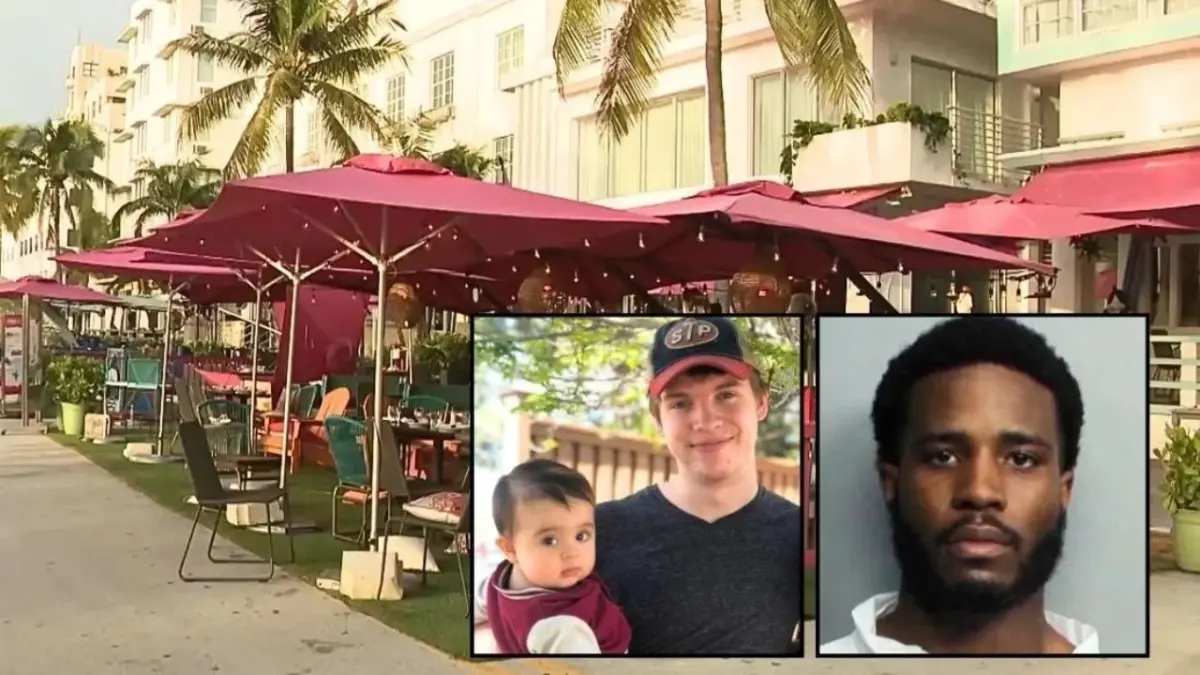
Tamarius Davis, 27, has been sentenced to 50 years in state prison, followed by an additional 25 years of probation, for the brutal murder of Dustin Wakefield, a 21-year-old Colorado tourist who sacrificed his life to protect his infant son. The sentencing concludes a tragic case that captured national attention, highlighting a parent’s ultimate act of heroism against a backdrop of random violence in a popular Miami Beach tourist district. The incident, which occurred in August 2021, saw Davis approach a sidewalk cafe, point a pistol at Wakefield’s one-year-old son, and declare, "It’s time to die," before Wakefield bravely intervened.
The Tragic Incident on Ocean Drive
The fatal encounter unfolded on August 24, 2021, in the 1400 block of Ocean Drive, a bustling and iconic stretch of Miami Beach known for its vibrant atmosphere, art deco architecture, and numerous outdoor cafes. Dustin Wakefield, a young father from Castle Rock, Colorado, was on vacation with his wife, their one-year-old son, and other family members. They were enjoying a meal at a sidewalk cafe, a quintessential Miami Beach experience, when the tranquility of their evening was shattered by an unprovoked attack.
According to family accounts and police reports, Tamarius Davis, then 22, walked up to their table. Witnesses described a scene of sudden terror as Davis brandished a firearm. Without warning or apparent motive, he directed the weapon towards Wakefield’s infant son. Dustin Wakefield’s uncle, Mike Wakefield, recounted the horrifying moments to the Miami Herald, stating that Davis pointed the gun at the baby and uttered the chilling words, "It’s time to die." In a split second, Dustin Wakefield, demonstrating an extraordinary act of parental love and selflessness, stood up and positioned himself directly between the gunman and his child. "He’s only a boy," Wakefield reportedly pleaded, making a desperate appeal for his son’s life.
Despite Wakefield’s plea, Davis opened fire. The young father was shot multiple times, with an arrest affidavit obtained by Law&Crime confirming at least one gunshot wound to the head. Family members reported that Wakefield was on the ground when additional shots were fired. Multiple witnesses present at the cafe corroborated the sequence of events and identified Davis as the shooter, leading to his swift apprehension by Miami Beach Police. The randomness and brutality of the attack sent shockwaves through the community and underscored the unpredictable nature of violence that can sometimes disrupt even the most idyllic settings.
The Legal Proceedings and Plea Agreement
Following his arrest, Tamarius Davis faced charges related to the shooting. The investigation revealed that Davis allegedly told police he was "high on mushrooms, which made him feel empowered" at the time of the shooting. He further stated that he had "randomly chosen" the Wakefield family, eliminating any notion of a personal vendetta or prior connection. This detail highlighted the unsettling reality of drug-induced psychosis or altered states potentially leading to extreme violence, adding another layer of complexity to the case. Psilocybin, commonly known as "magic mushrooms," is a hallucinogenic substance that can profoundly alter perception, mood, and thought processes. While many users report positive or introspective experiences, in rare cases, especially with high doses or in individuals with underlying mental health vulnerabilities, it can lead to paranoia, panic attacks, and erratic, aggressive behavior. The defense might have attempted to leverage this information to argue for diminished capacity, but the severity of the act remained undeniable.
In May, after nearly two years since the incident, Davis entered a guilty plea to second-degree murder. This plea meant he admitted to intentionally causing Wakefield’s death but without premeditation, distinguishing it from first-degree murder, which requires a deliberate and pre-planned act. A second-degree murder conviction in Florida carries a wide sentencing range, from a minimum of approximately 10 years to a maximum of life imprisonment, depending on various factors including the defendant’s criminal history, the circumstances of the crime, and the judge’s discretion.
Family’s Quest for Justice and Heroic Legacy
Throughout the legal process, Dustin Wakefield’s family remained steadfast in their pursuit of justice, while simultaneously grappling with unimaginable grief. Lora Wakefield, Dustin’s mother, emerged as a powerful voice for her son, consistently emphasizing his heroic actions. After Davis pleaded guilty, she told local NBC affiliate KUSA, "I know that he decidedly chose to lay his life down and protect people even in that place of being shot, because more people could have died that day. He was not only a hero of my grandbaby but a hero of many around him." Her words underscored the broader impact of Dustin’s sacrifice, acknowledging that his intervention likely prevented further harm to his family and other patrons at the cafe.
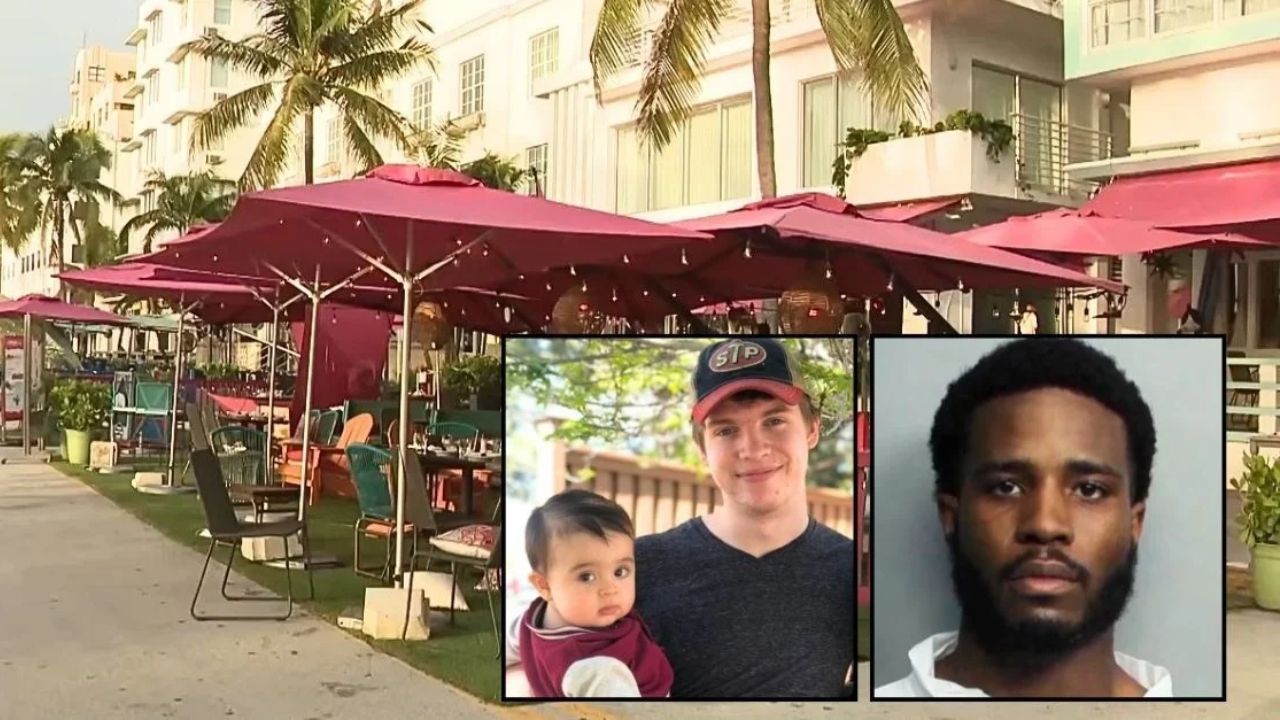
Lora Wakefield also articulated her complex feelings regarding forgiveness and accountability. "I forgive the guy, but I also believe in consequences to the choices that you make," she stated. "You just can’t take a life. You took my son’s life, you gave him no mercy, so I believe he needs to do life in prison." Her sentiment reflected a common struggle for victims’ families: the desire for spiritual peace through forgiveness, balanced with a fervent belief in the necessity of severe legal repercussions for heinous crimes. The family’s plea for a life sentence for Davis was a recurring theme in their public statements, reflecting the profound depth of their loss and the belief that only the harshest penalty could adequately address the taking of a life under such horrific circumstances.
The Sentencing Hearing and Judicial Deliberations
The sentencing hearing for Tamarius Davis was a culmination of the legal battle, bringing together the arguments of the prosecution, the defense, and the heartbreaking testimonials of the victim’s family. Prosecutors had advocated for a life sentence, arguing that the egregious nature of the crime—an unprovoked attack targeting an infant, leading to the death of a heroic father—warranted the maximum penalty. They likely highlighted the randomness, the callous disregard for human life, and the severe impact on the victim’s family and the broader community.
Conversely, Davis’s defense team, led by attorney Juan Mourin, pushed for a more lenient sentence, hoping for no more than 25 years. Their arguments likely focused on factors such as Davis’s age at the time of the crime (22), the alleged influence of hallucinogenic drugs, and the fact that he pleaded guilty, thereby avoiding a lengthy trial and potentially saving court resources and sparing the victim’s family from reliving the trauma in court. Mourin acknowledged the inherent tragedy of the situation, telling WSVN, "This is a case that was not going to have a happy ending for anybody no matter what."
Miami-Dade Circuit Judge Laura Stuzin presided over the sentencing. Her decision, 50 years in prison plus 25 years of probation, reflected a careful balancing act between the need for severe punishment, the desire for justice for the victim’s family, and the legal parameters of second-degree murder. Addressing the court, Judge Stuzin stated, "I have tried my best to impose a sentence which punishes, but also allows for some hope, even though it may be small." She acknowledged the immense pain of the Wakefield family, remarking, "Each and every one of you said that anything less than a life sentence was not justice and yet you all understand that nothing will bring your son back." This statement underscored the judicial reality that while the legal system can deliver justice and accountability, it cannot undo the irreparable harm caused by violent crime.
The sentence ensures that Tamarius Davis will spend a significant portion of his life incarcerated, effectively removing him from society for decades. The added probation period after his release from prison means he will remain under supervision for an extended time, imposing further restrictions on his freedom. This lengthy sentence serves both as a punitive measure and a deterrent, sending a clear message about the consequences of such violent acts.
Broader Implications and Community Impact
The murder of Dustin Wakefield and the subsequent sentencing of Tamarius Davis resonate far beyond the confines of the courtroom. The incident sparked discussions about public safety in tourist areas, the pervasive issue of gun violence, and the devastating impact of random acts of aggression. Miami Beach, a global tourist destination, relies heavily on its reputation as a safe and welcoming environment. Incidents of this nature, while statistically rare compared to the millions of visitors it hosts annually, can nevertheless cast a shadow over public perception and prompt renewed calls for enhanced security measures. Local authorities often face the challenge of balancing open, accessible public spaces with the need to ensure the safety of residents and tourists alike.
The case also highlighted the profound and lasting trauma experienced by victims’ families. The loss of a loved one, especially in such a violent and senseless manner, leaves an indelible mark. Victim advocacy groups and support services play a crucial role in helping families navigate the complex emotional, psychological, and financial aftermath of such tragedies. Lora Wakefield’s powerful statements serve as a testament to the resilience of the human spirit in the face of unspeakable sorrow, but also to the enduring pain that never fully dissipates.
From a societal perspective, Dustin Wakefield’s actions have cemented his legacy as a true hero. His immediate, instinctive decision to shield his son, without hesitation or regard for his own safety, embodies the deepest form of parental love and protection. His sacrifice serves as a poignant reminder of the fragility of life and the immense capacity for courage within ordinary individuals facing extraordinary circumstances. The story of Dustin Wakefield will undoubtedly continue to be shared as a powerful narrative of selflessness and bravery.
The sentencing of Tamarius Davis brings a degree of closure for the Wakefield family, though it can never fully heal their wounds. It reinforces the principle that criminal acts carry severe consequences within the justice system, even when influenced by substances or seemingly random in nature. The legal system, in its pursuit of justice, strives to hold individuals accountable for their actions, mete out punishment commensurate with the crime, and ultimately, contribute to the safety and order of society. This case, marked by immense tragedy and an act of profound heroism, will long be remembered in the annals of Florida’s criminal justice history.



 Nila Kartika Wati

 Eva Lovia

 Lina Irawan

 Yuyun Lusiyani

 Joko Widodo
