
 Ana Megawati
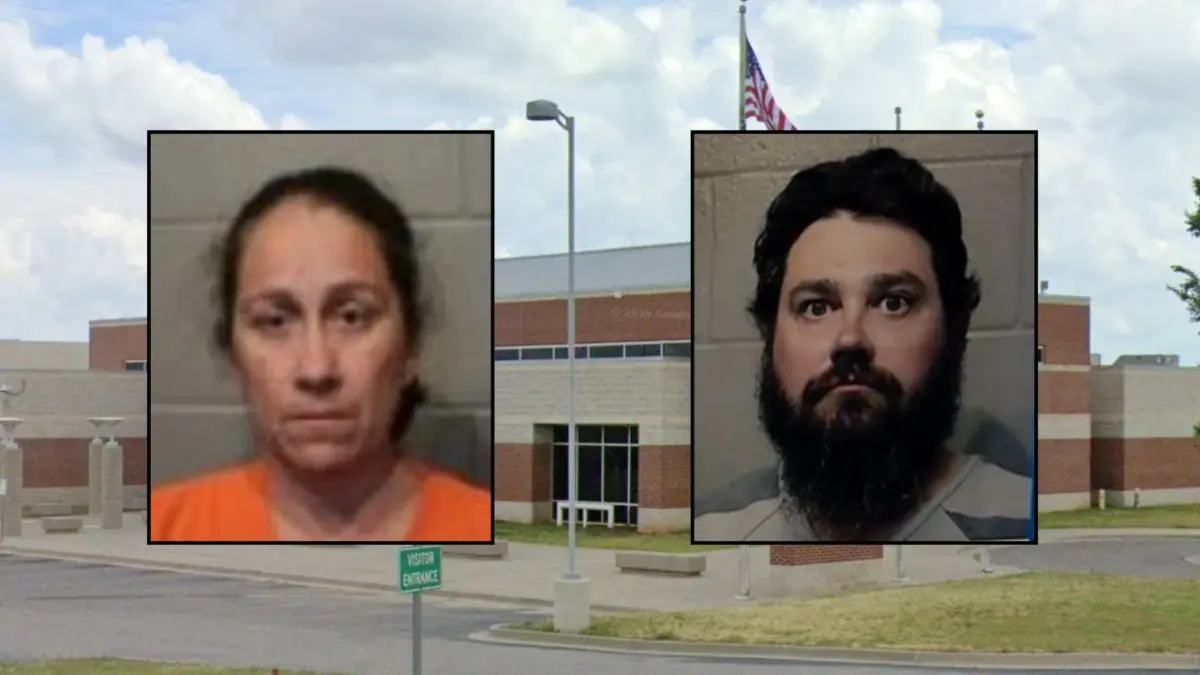
Norman, OK – In a case that has sent shockwaves through the Cleveland County community, Patricia A. Gwaltney and Dustin B. Gwaltney have been arrested and charged with the severe abuse and neglect of their two minor children, who allegedly endured prolonged periods of starvation and physical violence before managing to escape their home and seek help. The disturbing details, revealed in court documents and a news release from the Cleveland County Sheriff’s Office, paint a grim picture of systematic maltreatment, highlighting the critical role of community vigilance and the harrowing realities faced by child victims of abuse.
Unraveling a Pattern of Abuse: The Initial Report and Rescue
The investigation into the Gwaltneys began in late September, following a courageous act by their children, aged 12 and 16, who reportedly fled their residence and sought refuge with a neighbor. This desperate plea for assistance immediately triggered concern, leading to the involvement of law enforcement and child welfare authorities. The children’s physical condition upon discovery was alarming: both were described as "significantly underweight," with the 12-year-old reportedly weighing a mere 58 pounds. This weight, coupled with their age, placed their Body Mass Index (BMI) drastically "below the 1 percentile," a critical indicator of severe malnutrition and potential health crisis.
Beyond the visible signs of starvation, authorities observed numerous visible marks consistent with physical abuse on both children. The Cleveland County Sheriff’s Office quickly initiated a thorough investigation, compiling evidence that led to the arrests of Patricia and Dustin Gwaltney this past week. The subsequent legal proceedings are poised to bring to light the full extent of the alleged atrocities committed within the confines of their home.
Detailed Allegations and Charges Filed
Patricia A. Gwaltney now faces a formidable array of charges, including seven counts of child abuse and two counts of child neglect. Dustin B. Gwaltney, her husband, is charged with one count of child abuse. These charges underscore the severity and potential duration of the alleged mistreatment.
According to affidavits obtained by local media, Patricia Gwaltney is accused of being the primary perpetrator of the physical abuse. The court documents detail allegations of her punching, beating, starving, and overworking the children. Disturbingly, it is alleged that she "used a black belt with a silver buckle to hit the juveniles as well as used hard-soled shoes" as instruments of punishment. Such methods suggest a pattern of intentional and brutal physical assault designed to inflict pain and control.
Dustin Gwaltney’s alleged involvement, while currently reflected in a single charge, also points to complicity in the abusive environment. He is accused on at least one occasion of forcing one of the children "to get into [the] shower with clothes on under cold water as punishment." This act, while perhaps appearing less physically violent than direct beatings, constitutes a form of cruel and unusual punishment, demonstrating a lack of parental care and a willingness to subject a child to distress and humiliation. The combination of physical violence, deprivation of essential nourishment, and psychologically damaging punishments paints a chilling picture of systematic cruelty.
Official Response and Commitment to Child Protection
Cleveland County Sheriff Darrell Weaver released a statement following the arrests, expressing the gravity of the situation. "This case is truly disturbing," Sheriff Weaver stated. "The safety and well-being of children is something we take very seriously. Our priority is to protect these children, remove them from situations where they may be at risk, and hold those responsible for abuse and neglect accountable."
The Sheriff’s remarks reflect the broader commitment of law enforcement agencies to safeguarding vulnerable populations. In cases of severe child abuse, the immediate priority is always the removal of the children from the dangerous environment and ensuring their physical and psychological safety. Following this, the focus shifts to a meticulous investigation aimed at gathering sufficient evidence to prosecute those responsible to the fullest extent of the law. This process often involves close collaboration between law enforcement, child protective services (CPS), medical professionals, and forensic specialists to document injuries, assess psychological trauma, and build a comprehensive case.
Legal Framework and Court Proceedings
Both Patricia and Dustin Gwaltney were booked into the Cleveland County Detention Center. Patricia Gwaltney’s bond was set at a significant $250,000, reflecting the serious nature and multiplicity of the charges against her. Dustin Gwaltney’s bond was set at $50,000. A crucial condition of their potential release is a strict prohibition from having any contact with the victims, a standard measure in child abuse cases designed to protect the children from further harm or intimidation.
In Oklahoma, child abuse is defined broadly to include harm or threatened harm to a child’s health or welfare by a person responsible for the child’s care, encompassing physical injury, sexual abuse, or mental injury. Child neglect, similarly, involves the failure to provide for a child’s basic needs, such as food, shelter, clothing, medical care, or supervision. The charges against the Gwaltneys fall squarely within these definitions, with the allegations of starvation and severe physical beatings pointing to both active abuse and profound neglect.
The legal process for such cases is often complex and emotionally charged. It typically involves preliminary hearings, discovery phases, and potentially a jury trial. If convicted, individuals facing child abuse and neglect charges in Oklahoma can face substantial prison sentences, depending on the severity of the abuse, the number of victims, and any prior criminal history. The long-term implications for the parents could extend to the permanent termination of their parental rights, ensuring the children are placed in a safe and stable environment away from their alleged abusers.
Broader Context: Understanding Child Abuse and Neglect in Society
The Gwaltney case, while specific in its details, tragically mirrors a persistent societal challenge: child abuse and neglect. According to national statistics from the U.S. Department of Health and Human Services, millions of children are reported to child protective services annually, with hundreds of thousands confirmed as victims of abuse or neglect. In Oklahoma, the problem is similarly pressing. State data often reveals thousands of confirmed cases each year, underscoring the constant need for vigilance from community members and robust intervention from state agencies.
Child abuse is not confined to any particular socioeconomic group, ethnicity, or geographical area. It can manifest in various forms, including physical abuse, emotional abuse, sexual abuse, and neglect. Neglect, specifically, is often the most common form of maltreatment reported, characterized by a failure to provide for a child’s basic physical, medical, educational, or emotional needs. The alleged starvation in the Gwaltney case represents an extreme form of physical neglect, threatening the very survival of the children.
The impact of such abuse on children is profound and far-reaching. Physically, severe malnutrition can lead to stunted growth, developmental delays, organ damage, and a weakened immune system. The reported BMI of "below the 1 percentile" for the 12-year-old indicates a life-threatening level of malnourishment, potentially causing irreversible damage to their long-term health and cognitive function. Physical injuries from beatings can lead to chronic pain, disfigurement, and mobility issues.
Beyond the physical scars, the psychological and emotional trauma inflicted by prolonged abuse and neglect can be devastating. Children who experience such trauma are at higher risk for mental health issues such as anxiety, depression, PTSD, attachment disorders, and substance abuse in adolescence and adulthood. They may struggle with trust issues, difficulty forming healthy relationships, and academic challenges. The healing process for these children is often extensive, requiring long-term therapy, supportive environments, and specialized care.
The Crucial Role of Child Protective Services and Community Vigilance
Child Protective Services (CPS) agencies play a critical role in responding to allegations of child abuse and neglect. Their mandate is to investigate reports, assess child safety, and provide services to protect children and support families. When children are removed from their homes, CPS works to place them in safe environments, often with relatives or in foster care, while simultaneously working towards permanency planning, which could include reunification with parents if deemed safe, or adoption.
This case also underscores the indispensable role of neighbors, teachers, doctors, and other community members in reporting suspected abuse. Mandated reporting laws in Oklahoma, like in many states, require certain professionals (e.g., educators, healthcare providers, law enforcement officers) to report any suspicions of child abuse or neglect to authorities. However, anyone who suspects a child is in danger is encouraged to report their concerns. The action of the neighbor in this instance was pivotal, demonstrating how a single report can be the lifeline a child desperately needs.
Looking Ahead: Support, Healing, and Accountability
As the legal proceedings against Patricia and Dustin Gwaltney continue, the focus will remain on securing justice for the victims and ensuring their ongoing safety and well-being. The children will likely be under the care of the state, receiving necessary medical attention, nutritional support, and psychological counseling to begin their long journey of recovery.
This case serves as a stark reminder of the hidden struggles many children face and the collective responsibility society bears to protect its most vulnerable members. It reinforces the need for robust child protection systems, continued public awareness campaigns, and community engagement to recognize the signs of abuse and neglect. Only through concerted efforts can communities hope to prevent such tragedies and provide a safe and nurturing environment for all children to thrive. The next court appearances for the Gwaltneys are anticipated to be scheduled soon, marking the next phase in what promises to be a complex and emotionally taxing legal battle.




 Nila Kartika Wati

 Eva Lovia

 Lina Irawan

 Yuyun Lusiyani

 Joko Widodo
