
 Lina Irawan

The global film industry in 2026 has witnessed an unprecedented dominance of the horror genre, marking a significant shift in both commercial viability and critical prestige. While horror has historically been relegated to the fringes of "genre cinema," the current landscape reflects a sophisticated evolution where the trappings of the macabre are utilized to navigate complex psychological and sociopolitical landscapes. This movement, catalyzed by the successes of visionary directors such as Jordan Peele, Ari Aster, and Robert Eggers in the late 2010s, has matured into a robust cinematic era where horror serves as the primary vehicle for exploring the human condition.
The year 2026 has distinguished itself through a diverse array of releases that range from high-concept independent features to reimagined franchise staples. This resurgence is not merely a product of audience demand for jump scares; rather, it represents a deeper fascination with the genre’s ability to mirror contemporary anxieties, ranging from the isolation of the digital age to the lingering psychological effects of global crises.
The Psychological Mechanics of Fear: Why Audiences Seek the Macabre
To understand the current dominance of horror, it is essential to examine the psychological drivers that draw audiences to terrifying narratives. Renowned film critic Roger Ebert once described film as an "empathy machine," a medium that allows viewers to inhabit the experiences of others. In the context of horror, this empathy is uniquely directed. Unlike action or drama, where audiences identify with the prowess or emotional triumphs of a hero, horror forces the viewer to identify with the vulnerability of the victim.
Psychological research, including studies recently highlighted in the Journal of Media Psychology, suggests that horror films provide a "controlled environment" for experiencing fear. By engaging with high-stakes, life-or-death scenarios on screen, viewers can exercise their fight-or-flight responses without physical danger. Furthermore, clinical psychologists have increasingly explored "horror therapy," noting that individuals with anxiety may find therapeutic value in horror fiction as a means of practicing emotional regulation. This scientific backing provides a partial explanation for why, in an era of heightened global uncertainty, audiences are turning toward the genre in record numbers.
A Historical Chronology: From Gothic Literature to the "Elevated" Era
The trajectory of horror in 2026 is the culmination of a two-century evolution. The genre’s roots are firmly planted in the Gothic traditions of the 19th century, most notably Mary Shelley’s Frankenstein (1818), which used the monster trope to critique the hubris of scientific rationalism. This tradition of social commentary continued through the 20th century, with George A. Romero’s Night of the Living Dead (1968) serving as a stark allegory for the racial and political tensions of the Vietnam War era.

The current "Golden Age" of horror is widely cited as having begun in the mid-2010s. The release of Robert Eggers’ The Witch (2015), Jordan Peele’s Get Out (2017), and Ari Aster’s Hereditary (2018) signaled a shift toward what critics termed "elevated horror." These films prioritized atmosphere, character depth, and thematic resonance over traditional "slasher" tropes. By 2026, this movement has expanded to include a new generation of filmmakers—many of whom transitioned from digital platforms to the silver screen—further democratizing the genre and introducing innovative visual languages.
The 10 Best Horror Movies of 2026: A Detailed Ranking
The following list represents the pinnacle of horror filmmaking in 2026, categorized by their thematic depth, technical execution, and cultural impact.
10. Hokum
Directed by Damien McCarthy, Hokum serves as the latest entry in a connected folk-horror universe that began with Caveat (2020) and Oddity (2024). Starring Adam Scott (Severance), the film explores the intersection of Irish mythology and generational trauma. The narrative follows Ohm Bauman, a writer who travels to a remote Irish hotel to scatter his parents’ ashes, only to encounter a local entity known for dragging the morally compromised to the underworld. McCarthy’s use of practical effects and atmospheric tension solidifies his place as a master of the "slow-burn" subgenre.
9. Backrooms
Originally a viral "creepypasta" concept, Backrooms has been adapted for the big screen by director Kane Parsons. The film is a masterful study of liminality—the disorientation felt in transitional spaces. By focusing on Clark, a salesman grappling with a failed marriage, and Mary, a psychologist mourning the loss of her childhood home, the film transforms infinite, yellow-walled corridors into a metaphor for psychological stagnation. It is a landmark in "digital-born" horror, proving that internet folklore can sustain feature-length narrative depth.
8. Colony
South Korean director Yeon Sang-ho, famed for Train to Busan, returns to the zombie subgenre with Colony. However, the film deviates from traditional tropes by introducing "intelligent" mutation. Following a bioterrorist attack on a pharmaceutical firm, survivors trapped in a high-rise must contend with a horde that exhibits collective consciousness. The film serves as a critique of corporate negligence and the "hive mind" mentality prevalent in modern social structures.
7. Exit 8
Based on the viral gaming sensation, Exit 8 is a psychological thriller that utilizes a Sisyphean narrative structure. The protagonist is trapped in an endlessly looping subway station and must identify subtle anomalies to find the correct exit. The film has been praised for its minimalist approach and its ability to generate profound unease through repetition, reflecting the modern fear of being trapped in an inescapable, mundane routine.

6. Teenage Sex and Death at Camp Miasma
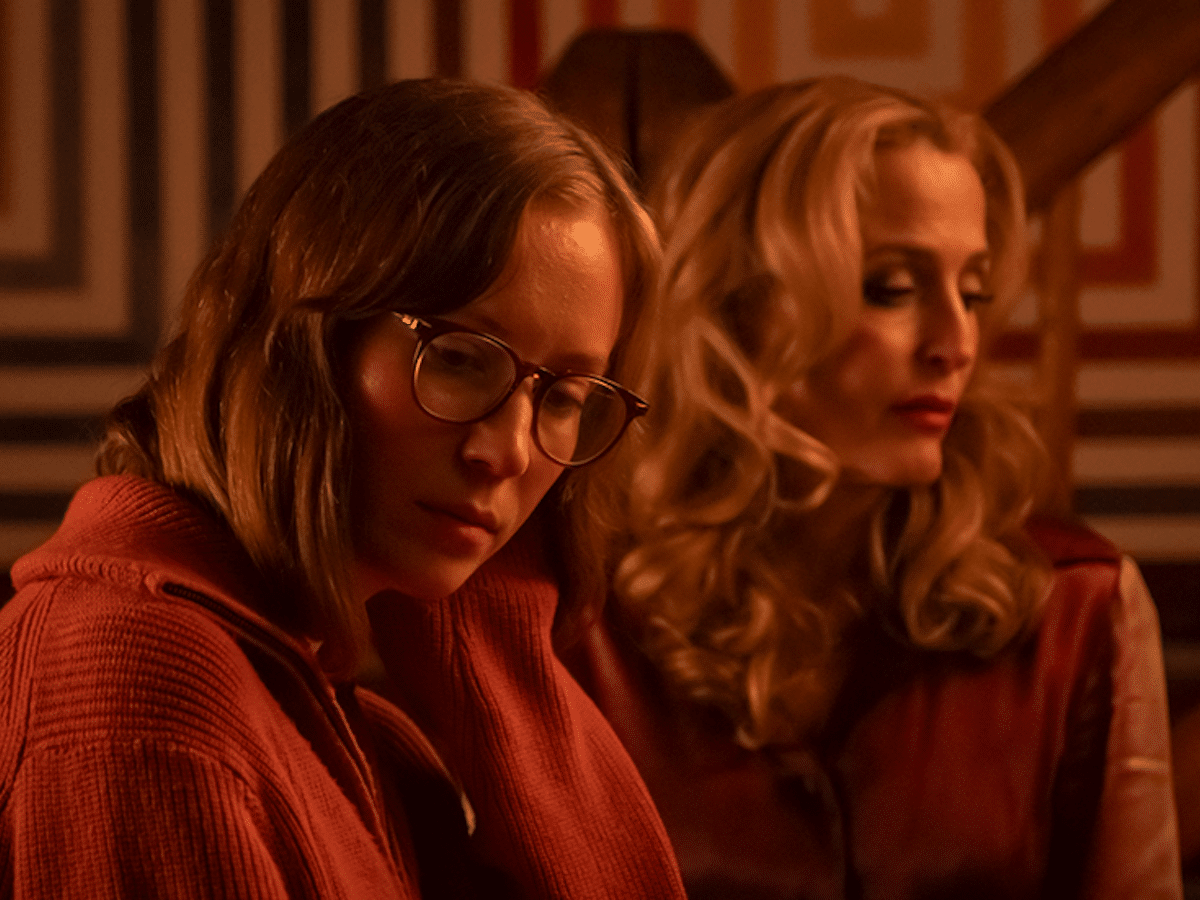
A standout in the satirical horror category, this Mubi-produced film follows a director (Hannah Einbinder) tasked with rebooting a legacy slasher franchise. As she becomes obsessed with the original "final girl" (Gillian Anderson), the film deconstructs the "male gaze" in horror and evolves into a poignant queer romance. Critics have hailed it as a sophisticated meta-commentary on the industry’s obsession with nostalgia and IP.
5. Leviticus
This Australian production has garnered international acclaim for its portrayal of religious and supernatural horror. Centering on two teenage boys in a conversion therapy program, the film features a malevolent force that takes the shape of the person the victim loves most. Leviticus is a searing indictment of religious repression and has been noted for its "visceral and heartbreaking" depiction of queer identity under duress.
4. 28 Years Later: The Bone Temple
The follow-up to 2025’s franchise revival, The Bone Temple continues the exploration of a post-apocalyptic Britain. The film focuses on the blurred lines between the "infected" and the survivors, questioning the morality of preservation in a world where society has completely collapsed. Its high production value and relentless pacing have made it a commercial juggernaut in the 2026 box office.
3. Never After Dark
Marking a return to the stylistic roots of J-Horror, Never After Dark stars Moeka Hoshi as a medium summoned to an isolated estate. The film avoids Western jump-scare conventions in favor of a persistent, lingering dread. It explores the concept of "unresolved spirits" as a metaphor for historical secrets, drawing comparisons to classics like Ringu.
2. Resident Evil
Director Zach Creggar (Barbarian) has successfully rebooted the Resident Evil film franchise by returning to the survival-horror roots of the original 1996 video game. By focusing on the claustrophobic tension of Raccoon City and utilizing body horror over action-movie theatrics, Creggar has delivered what many critics call the first truly faithful adaptation of the source material. The film’s success highlights a growing trend of "prestige" video game adaptations.
1. Obsession
Topping the list is Obsession, the directorial debut of YouTuber Curry Barker. Despite its independent roots, the film has become a global phenomenon, grossing over $150 million on a modest budget. Using the "monkey’s paw" trope, it tells the story of a young man whose wish for a girl to "love him more than anyone" takes a dark, obsessive turn. The film has been lauded for its exploration of toxic masculinity and its ability to generate terror from simple, everyday interactions.
Industry Impact and the Rise of Independent Creators
The success of films like Obsession and Backrooms underscores a pivotal change in the film industry: the rise of the "creator-to-director" pipeline. Major studios like A24 and Focus Features are increasingly looking toward digital platforms to find voices that resonate with younger demographics. This shift has led to a diversification of horror subgenres, with "liminal space" horror and "analog" horror becoming mainstream staples.
Furthermore, the commercial data from 2026 indicates that horror remains the most "recession-proof" genre. While big-budget superhero films have seen fluctuating returns, mid-budget horror films consistently yield high profit margins. According to industry analyst reports, horror movies in 2026 have averaged a 400% return on investment, a statistic that has prompted studios to greenlight more original, director-driven projects.
Conclusion: Horror as a Social Mirror
As 2026 draws to a close, the horror genre stands as the most vital and reflective medium in contemporary cinema. By providing a platform to discuss deindividuation, deep interpersonal divisions, and the psychological scars of a rapidly changing world, horror has transcended its "cheap thrills" reputation. These films do more than scare; they provide a space for collective catharsis. Whether through the lens of a supernatural entity or a masked slasher, the best horror movies of 2026 remind us that while the things we fear may change, our need to confront them through storytelling remains a fundamental part of the human experience.




 Nila Kartika Wati

 Eva Lovia

 Yuyun Lusiyani

 Ana Megawati

 Joko Widodo
