
 Lina Irawan
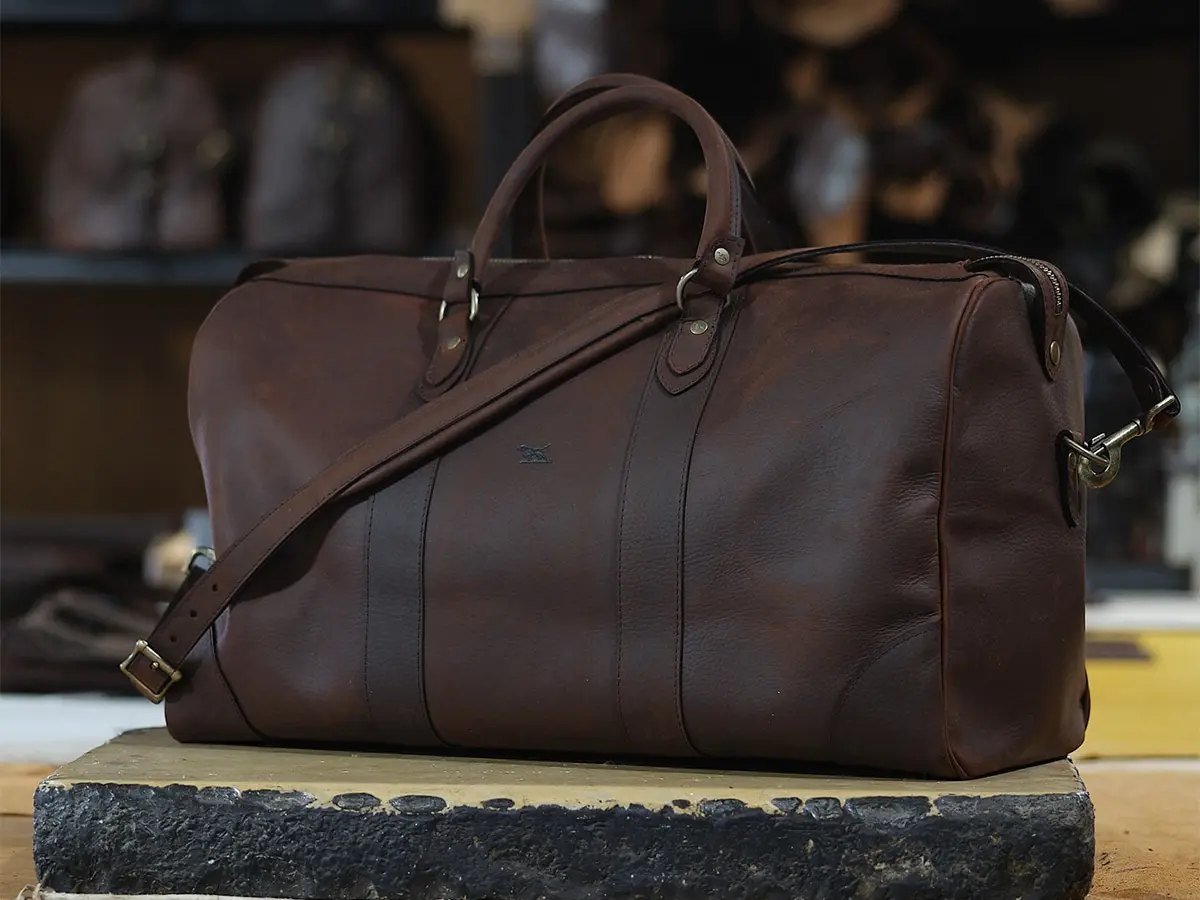
The New Zealand-based menswear label Rodd & Gunn has officially unveiled the 1946 Collection, a limited-edition capsule of handcrafted leather luggage designed to commemorate the 80th anniversary of the brand’s signature English Pointer emblem. This milestone release represents a strategic return to the brand’s roots, prioritizing domestic New Zealand manufacturing and traditional artisanal techniques over modern mass-production methods. The collection consists of five distinct pieces, each developed in collaboration with master craftsman Zoli Szalardi and utilizing premium hides sourced from the historic Tasman Tannery in Whanganui.
The 1946 Collection serves as both a retrospective of the brand’s visual identity and a showcase of high-end Pacific craftsmanship. By centering the production within New Zealand, Rodd & Gunn aims to reinforce its commitment to provenance and quality, catering to a growing consumer demand for "buy once, keep forever" goods. The collection features heavy, unsealed leathers and archival-heritage plaid linings, elements that reference the brand’s origins in field tailoring and outdoor pursuits.
A Legacy of Local Craftsmanship and Material Integrity
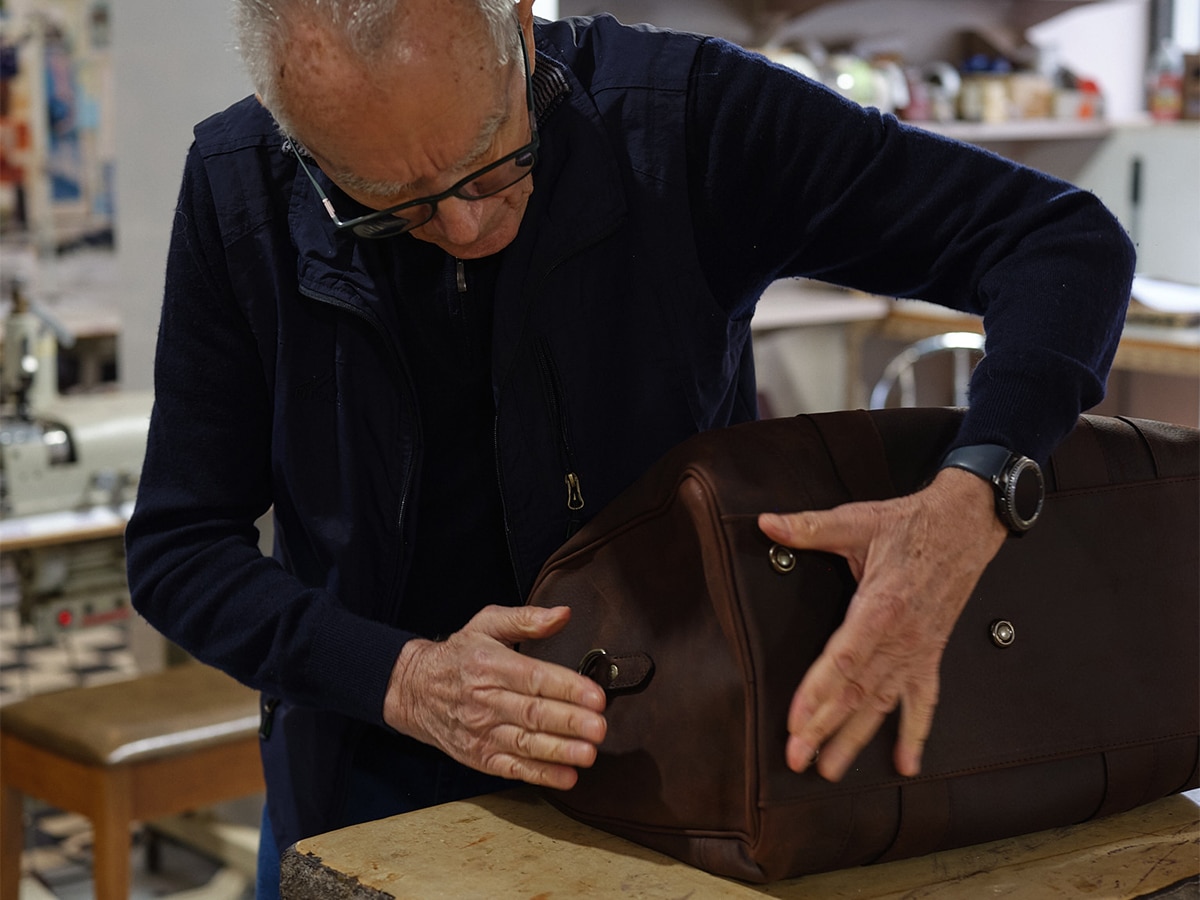
At the core of the 1946 Collection is a partnership that spans more than a quarter-century. Zoli Szalardi, a Hungarian-born craftsman who settled in Auckland, has overseen Rodd & Gunn’s leather luggage manufacturing for over 25 years. Szalardi’s background is rooted in generations of European leatherworking traditions, supplemented by a rigorous German apprenticeship. His workshop in Auckland serves as the production hub for this anniversary series, where each item is constructed using small-batch benchwork techniques.
The manufacturing process eschews the assembly-line approach common in the global fashion industry. Instead, each piece is hand-cut, skived, and assembled by hand. This "benchmade" philosophy ensures that structural integrity is prioritized, with particular attention paid to load-bearing seams and hardware mounts. The decision to keep production local allows for a level of quality control and material traceability that is often lost in offshore manufacturing.
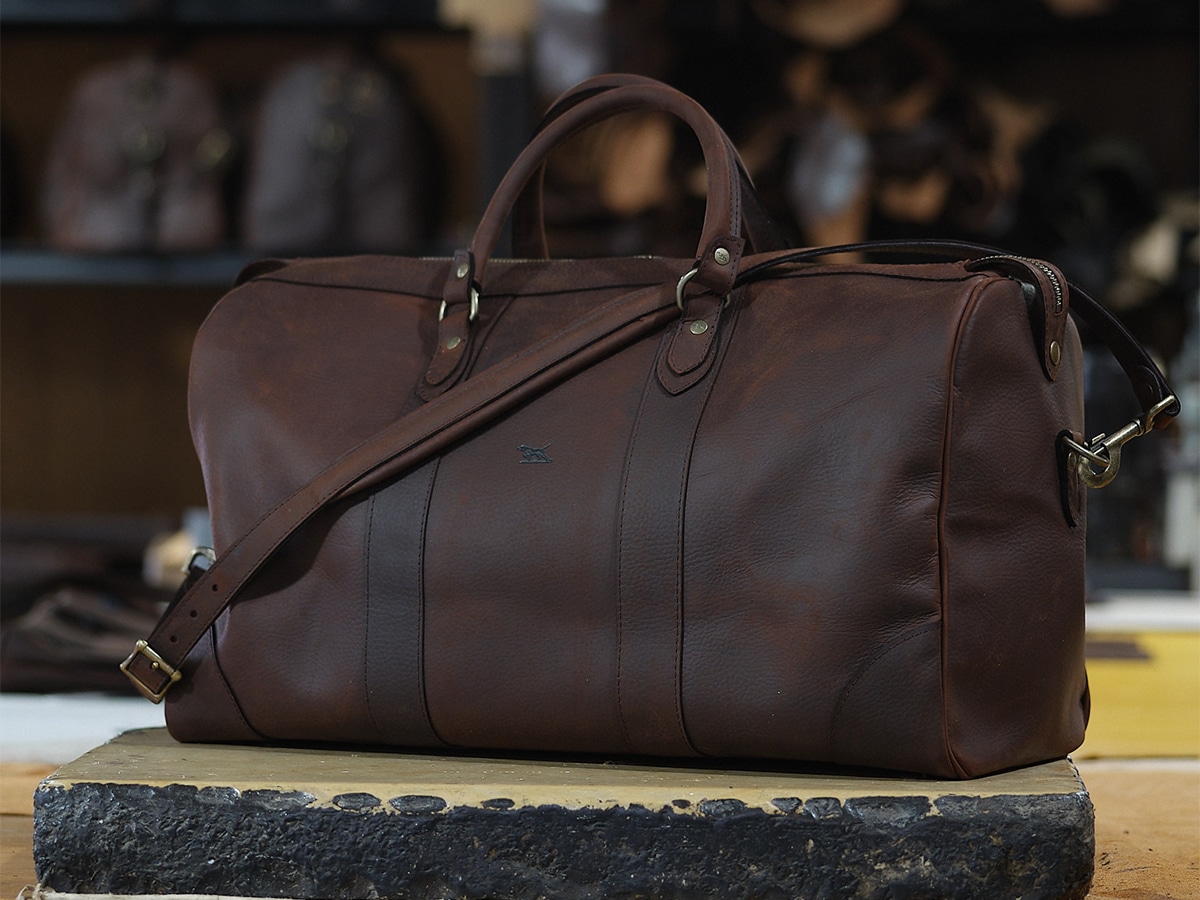
The choice of materials further emphasizes the collection’s New Zealand heritage. The leather is sourced from the Tasman Tannery in Whanganui, one of the region’s most respected leather producers. Unlike many luxury goods that utilize synthetic coatings or heavy pigments to mask imperfections, the 1946 Collection utilizes untreated, unsealed leather. This allows the material to retain its natural surface grain and "breathe," a process that facilitates the development of a unique organic patina over time. As the luggage is used, the leather absorbs oils and environmental elements, ensuring that no two pieces will look identical after several years of travel.
Detailed Breakdown of the 1946 Capsule Collection
The collection is structured to provide a range of entry points, from daily accessories to substantial investment pieces for long-haul travel. Each item is lined with a custom-woven plaid cloth, a direct nod to the traditional field tailoring of the mid-20th century when the English Pointer emblem was first introduced.
The O’Neill Belt
Priced at AUD $149, the O’Neill Belt serves as the entry-level piece for the collection. It utilizes the same heavy-duty Tasman Tannery leather found in the larger bags, providing a durable accessory that demonstrates the material’s ability to age gracefully. It is designed for those seeking a tangible piece of the anniversary collection without the higher price point of the luggage range.
The 1946 Satchel
The Satchel, retailing for AUD $1,099, is positioned as a premium solution for the modern professional or daily commuter. It is designed for cross-body carry, providing a hands-free experience for transporting tablets, notebooks, and personal essentials. The satchel’s design balances contemporary utility with a silhouette that feels timeless, reinforced by the archival plaid interior.
The 1946 Normandy Bag
The Normandy Bag, priced at AUD $1,699, occupies the middle ground of the collection. It is sized to function as either a high-capacity everyday duffle or a compact overnight bag. Its versatility makes it a primary candidate for frequent travelers who require a bag that fits within standard overhead cabin dimensions while offering the durability of thick-cut leather.

The 1946 Briefcase
At AUD $1,799, the Briefcase is expected to be a high-volume seller within the corporate demographic. It reinvents a classic professional staple through the lens of rugged New Zealand craftsmanship. The briefcase is designed to withstand the rigors of daily office use while maintaining a sophisticated aesthetic suitable for high-level business environments.
The 1946 Large Weekender
The flagship of the collection is the Large Weekender, retailing for AUD $1,999. This piece is specifically engineered for multi-day road trips and extended travel. As the largest item in the capsule, it showcases the full extent of the Tasman leather hides and the strength of Szalardi’s hand-stitched construction.
Chronology of the Rodd & Gunn Brand
The 1946 Collection arrives at a pivotal moment in Rodd & Gunn’s history, marking 80 years since the inception of the brand’s identity. The following timeline outlines the evolution of the company from a local outfitter to an international retail presence:
- 1946: The brand is established in Auckland, New Zealand, with the English Pointer chosen as the emblem to represent the brand’s connection to the outdoors and traditional sporting life.
- 1980s-1990s: Rodd & Gunn expands its footprint across New Zealand and Australia, establishing itself as a premier menswear label in the Australasian market.
- 1998: The partnership with Zoli Szalardi begins, marking the start of the brand’s commitment to high-end, locally made leather luggage.
- 2010s: The brand begins a significant international expansion, entering the United Kingdom and North American markets through partnerships with major department stores.
- 2016: Rodd & Gunn celebrates its 70th anniversary and begins exploring experiential retail concepts.
- 2020-Present: The brand expands its "The Lodge" hospitality concept, integrating fine dining and wine bars into its retail spaces in Queenstown, Auckland, and Brisbane.
- 2024: The launch of the 1946 Collection commemorates 80 years of the Pointer emblem and reinforces the brand’s commitment to artisanal production.
Corporate Strategy and Market Implications
The launch of the 1946 Collection is reflective of a broader strategy orchestrated by Rodd & Gunn CEO Mike Beagley. Under Beagley’s leadership, the company has transitioned from a traditional retailer into a lifestyle brand that emphasizes heritage, quality, and experience.
"The 1946 Collection is a testament to the enduring craftsmanship and authenticity that have shaped our brand for the last eight decades," Beagley stated regarding the launch. "For over 25 years, Zoli’s expertise and commitment have helped bring that legacy to life."
This focus on artisanal heritage comes at a time when the global luxury market is shifting. Many consumers are moving away from "fast fashion" and logo-heavy designs in favor of "Quiet Luxury"—products that signal value through material quality and construction rather than overt branding. By highlighting the specific tannery and the individual craftsman involved in the 1946 Collection, Rodd & Gunn is positioning itself as a transparent and authentic alternative to European luxury houses that have increasingly moved toward mass-production.
Furthermore, the brand’s expansion into hospitality through its "The Lodge" destinations indicates a move toward experiential commerce. These locations, situated in premium areas like Lake Wakatipu in Queenstown and James Street in Brisbane, allow customers to engage with the brand in a multi-sensory environment. The 1946 Collection fits seamlessly into this ecosystem, representing the "high-water mark" of the brand’s product offering.
Analysis of the New Zealand Manufacturing Landscape
The decision to manufacture the 1946 Collection in Auckland is significant given the economic pressures on New Zealand’s domestic manufacturing sector. Over the past three decades, many Australasian brands have moved production to Southeast Asia or China to reduce labor costs. Rodd & Gunn’s persistence in maintaining a local leatherworking partnership suggests a business model where the higher cost of domestic labor is offset by the premium price point and the marketing value of "New Zealand Made."
From a sustainability perspective, the collection also scores high marks for longevity. The use of full-grain, unsealed leather from a local tannery reduces the carbon footprint associated with international material transport and ensures the product has a multi-decade lifespan. In an era where environmental impact is a key metric for luxury consumers, the traceability of the Whanganui Tasman Tannery hides provides a significant competitive advantage.
Conclusion
The Rodd & Gunn 1946 Collection is more than a simple product launch; it is a celebration of a brand identity that has survived and thrived for 80 years. By combining the historical significance of the Pointer emblem with the technical skill of Zoli Szalardi and the raw materials of the Tasman Tannery, Rodd & Gunn has created a collection that honors its past while securing its position in the modern luxury market. For the discerning consumer, these pieces offer a rare combination of genuine workshop provenance, local material traceability, and a design aesthetic that transcends seasonal trends. As the brand continues its global expansion, the 1946 Collection serves as a reminder that the most enduring products are often those rooted in local tradition and uncompromising handcraftsmanship.




 Nila Kartika Wati

 Eva Lovia

 Yuyun Lusiyani

 Ana Megawati

 Joko Widodo
