
 Lina Irawan
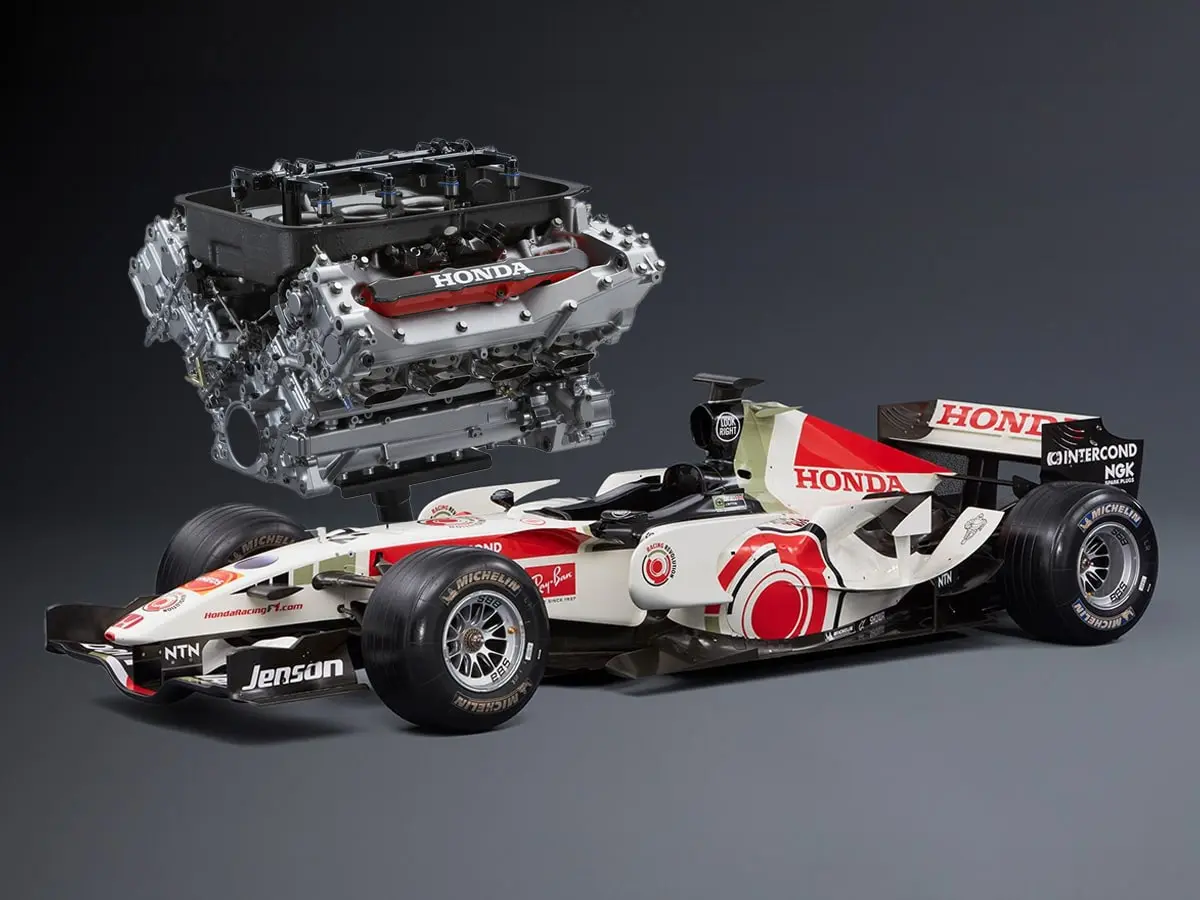
The Federation Internationale de l’Automobile (FIA), the governing body for global motorsport, has formally advanced a comprehensive regulatory proposal to return V8 engines to the Formula 1 grid for the 2030 season. This landmark decision marks the beginning of the end for the sport’s current "heavy-hybrid" era, which has defined the technical landscape of Grand Prix racing since 2014. Following an extensive series of individual consultations with existing and incoming power unit manufacturers, the FIA is now targeting the December 2026 meeting of the World Motor Sport Council (WMSC) to officially ratify a switch to a simplified, turbocharged V8 architecture.
This strategic pivot arrives at a time of significant transition for the sport. As the paddock prepares for the 2026 season—which will see the debut of Andrea Kimi Antonelli and a new 10-year deal to race in Rwanda—the governing body is already looking toward the next decade to address long-standing criticisms regarding vehicle weight, sound quality, and the complexity of modern power units. The proposed 2030 regulations represent a compromise between the raw mechanical theater of F1’s past and the sustainability mandates of its future.
A Technical Compromise: Turbocharging and Hybridization
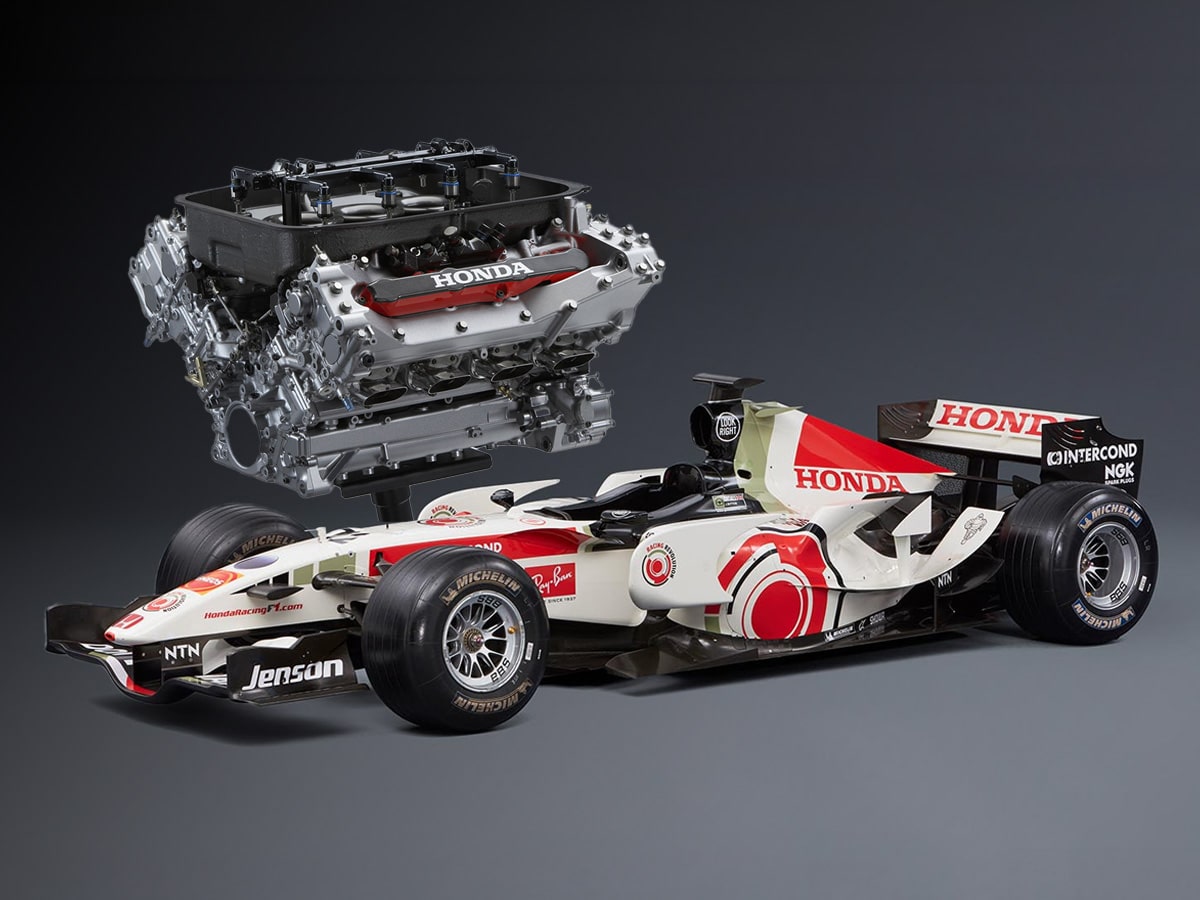
The path to the 2030 regulations was not without friction. FIA President Mohammed Ben Sulayem initially championed a return to high-revving, purely naturally aspirated V8 engines, similar to those used between 2006 and 2013. However, this vision met immediate resistance from major automotive manufacturers. Audi, which is set to enter the sport as a factory team in 2026, made it clear that its participation was contingent on the inclusion of forced induction, citing the road-car relevance of turbocharging technology. Similarly, Mercedes-AMG and Ferrari expressed concerns that a total abandonment of hybrid assistance would alienate the sport from the global automotive industry’s shift toward electrification.

The resulting compromise is a 2.1-litre to 2.3-litre turbocharged V8 engine designed to run on 100 percent sustainable synthetic fuels. To manage development costs, one engineering proposal involves utilizing the existing 1.6-litre V6 architecture as a baseline, adding two cylinders while maintaining the established bore and stroke dimensions. This approach allows manufacturers to reuse a significant portion of their internal tooling and intellectual property while achieving the desired displacement and cylinder count.
Crucially, the 2030 power units will permanently abandon the Motor Generator Unit-Heat (MGU-H), a complex and expensive component that recovers energy from exhaust gases. While the MGU-H was once considered the pinnacle of thermal efficiency, it has been widely criticized for its high development costs and its role in muffling the engine’s exhaust note. The kinetic recovery system (MGU-K) will remain, but its continuous output will be scaled back from the 350kW planned for 2026 to a more modest 100kW.
Addressing the "Yo-Yo" Performance Dilemma
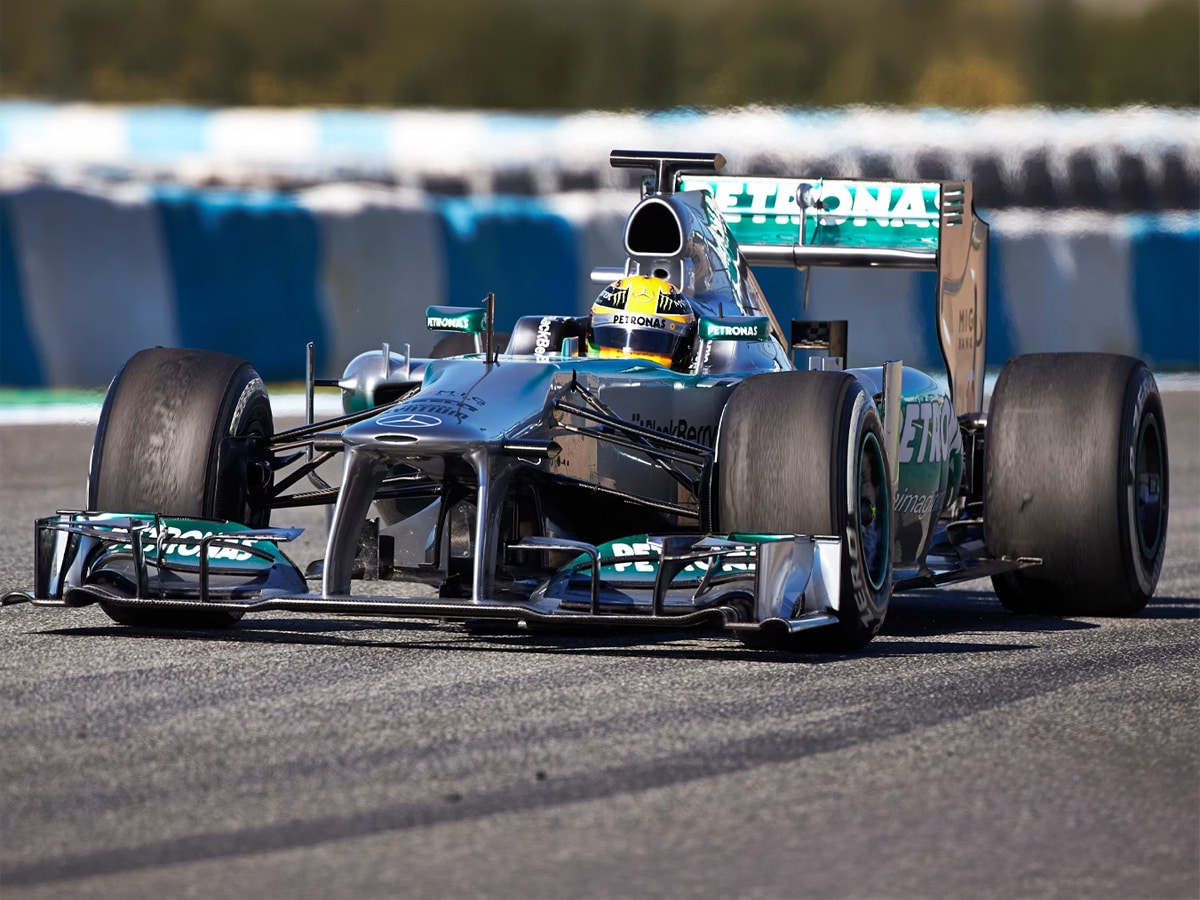
The move to reduce electrical reliance is a direct response to feedback from the sport’s leading drivers. Under the 2026 regulations, the power split between the internal combustion engine (ICE) and the electric motor was set at an even 50-50. However, early simulations and track tests revealed a tactical flaw: on long straights, cars would rapidly deplete their battery reserves, leading to a sudden "derating" where the car’s total output would drop by nearly half.
World Champions such as Max Verstappen and Fernando Alonso have been vocal about this "yo-yo" effect, arguing that it forces drivers to manage energy recovery cycles rather than pushing the limits of the car. The 2030 regulations seek to rectify this by shifting the power balance back toward the ICE, with the electric motor providing roughly 10 percent to 20 percent of the total system power.
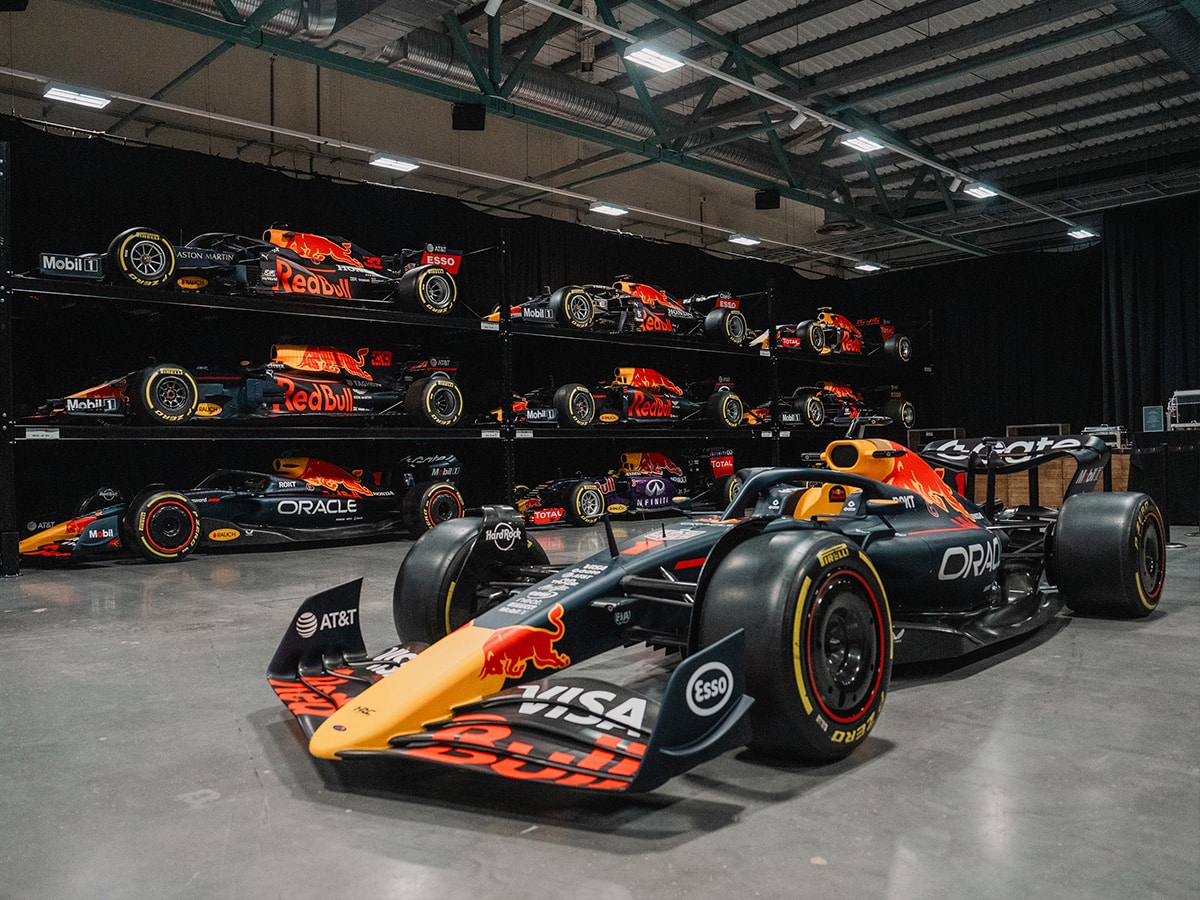
To maintain an element of tactical depth, the FIA will retain a "push-to-pass" boost mode. This will provide drivers with a dedicated 100kW electrical reserve to be used for overtaking or defending, mirroring the current Energy Recovery System (ERS) deployment but without the risk of total energy starvation that plagues the 50-50 hybrid philosophy.
The Financial Impact: Slashing Development Overheads
Beyond the technical specifications, the 2030 reset is a financial maneuver designed to ensure the long-term viability of the grid. The FIA plans to reduce the annual engine development cost cap from US$190 million (AUD$270 million) to US$135 million (AUD$192 million). This represents a 29 percent reduction in manufacturer overheads, a move intended to make the sport more attractive to new entrants and more sustainable for independent "customer" teams.
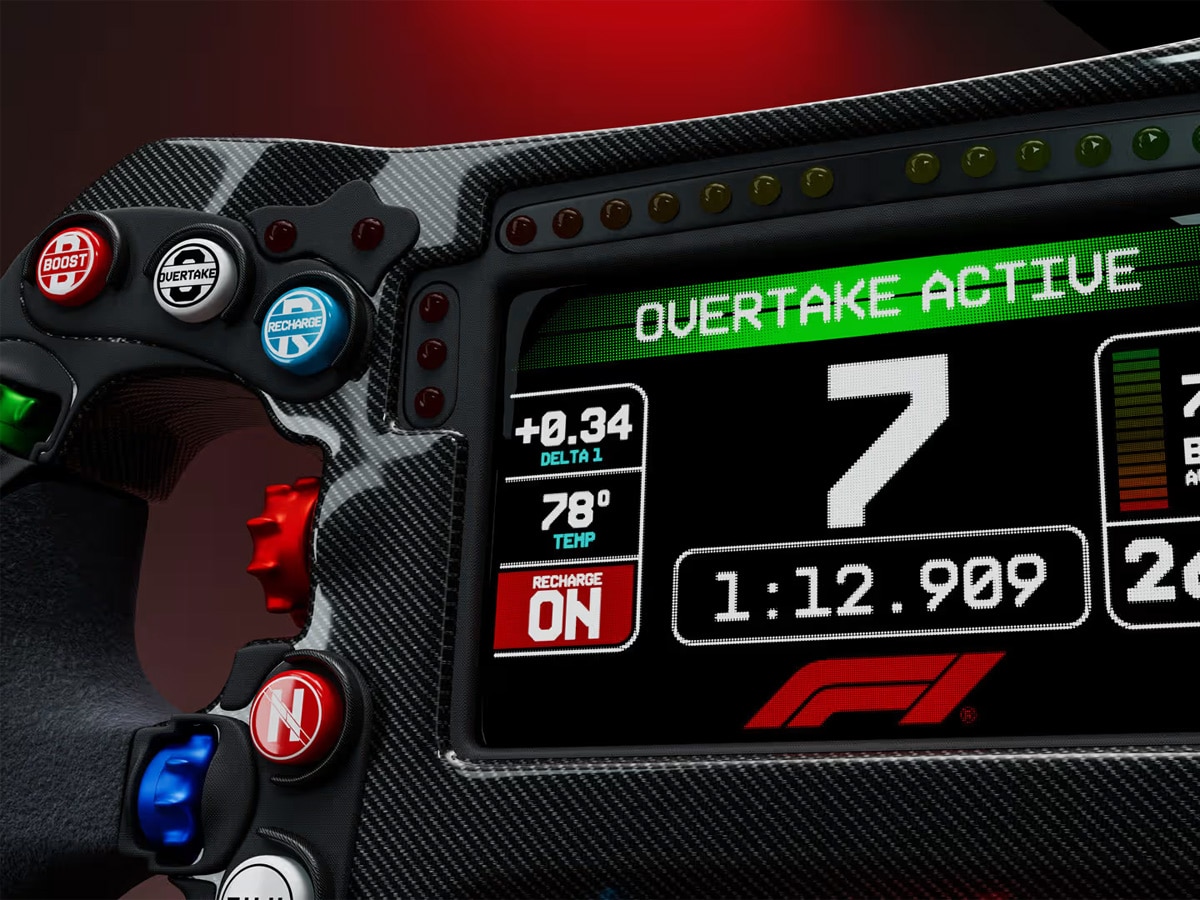
Currently, teams like Williams, Haas, and McLaren pay between US$15 million and US$20 million annually to lease power units from manufacturers. These costs can consume up to 15 percent of a team’s total operational budget under the broader cost cap. By simplifying the engine architecture—specifically by removing the MGU-H and downsizing the battery—the FIA expects leasing costs to drop significantly. This financial breathing room will allow independent teams to reinvest capital into aerodynamic research and factory infrastructure, potentially closing the performance gap between the front and back of the grid.
Weight Reduction: A Dose of "Technical Ozempic"
Vehicle mass has become a primary concern for the FIA and Formula 1 Management (FOM). Modern F1 cars are the heaviest in the sport’s history, with minimum weights reaching 798kg in 2024. These "bloated" dimensions have been criticized for making the cars less agile and making wheel-to-wheel racing more difficult on narrower street circuits.
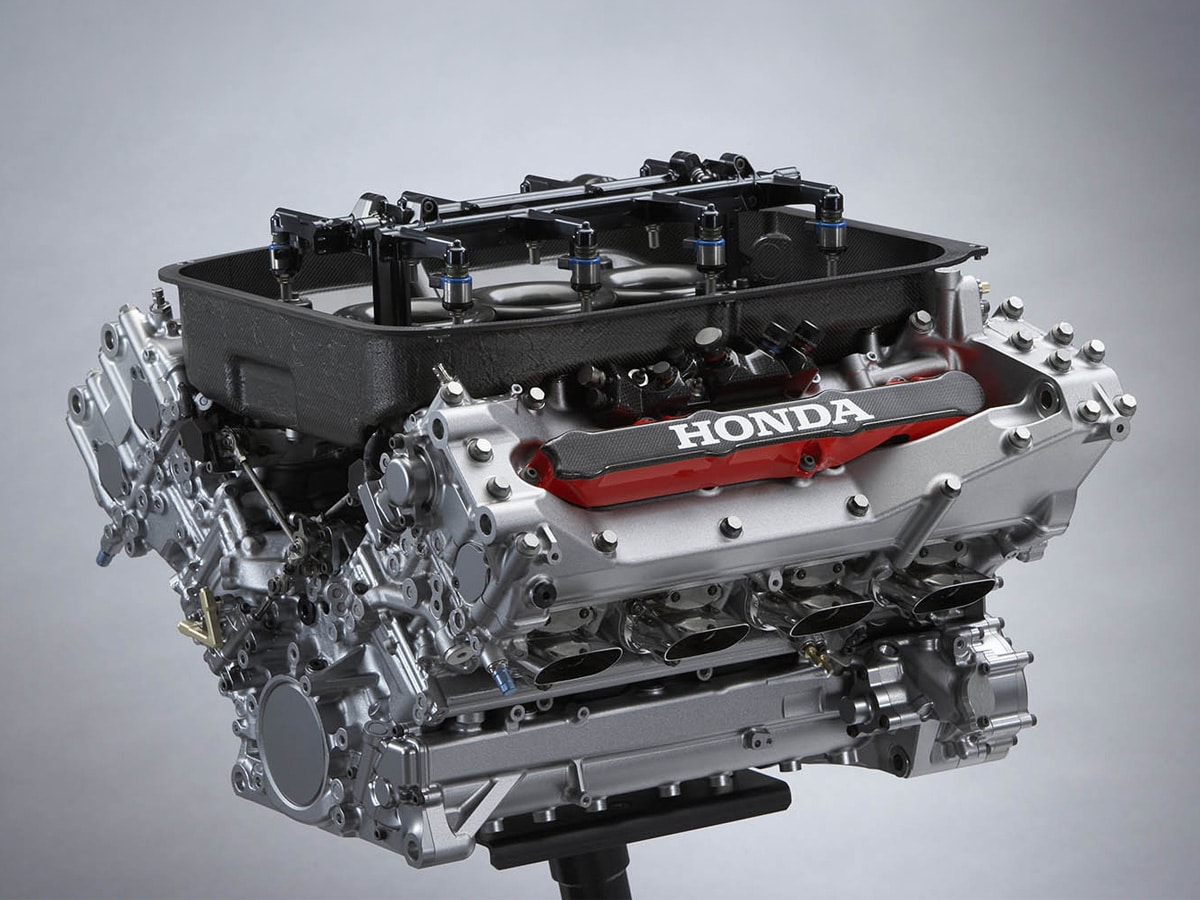
The 2030 V8 architecture is the centerpiece of a weight-loss program targeting an 80-kilogram reduction in the powertrain assembly alone. By reducing the size of the battery pack and the cooling systems required for high-output hybridization, the FIA aims to bring the total minimum car weight below 700 kilograms.
| Metric | Current (2025) | 2026 (Transition) | 2030 (Proposed) |
|---|---|---|---|
| Engine Configuration | 1.6L V6 Turbo | 1.6L V6 Turbo | 2.1-2.3L V8 Turbo |
| Hybrid Split | ~80/20 (ICE/Electric) | 50/50 | ~85/15 |
| Total System Power | ~1,000 hp | ~1,000 hp | ~900-950 hp |
| MGU-H | Included | Removed | Removed |
| Minimum Weight | 798kg | 768kg | <700kg (Target) |
| Fuel Type | E10 (10% Ethanol) | 100% Synthetic | 100% Synthetic |
Sustainability and the Role of E-Fuels
The reintroduction of larger internal combustion engines in an era of global decarbonization might seem counterintuitive, but the FIA’s strategy rests on the development of carbon-neutral e-fuels. These drop-in synthetic fuels, developed in partnership with companies like Aramco, allow the sport to maintain the high-revving spectacle of internal combustion while operating on a net-zero carbon basis.
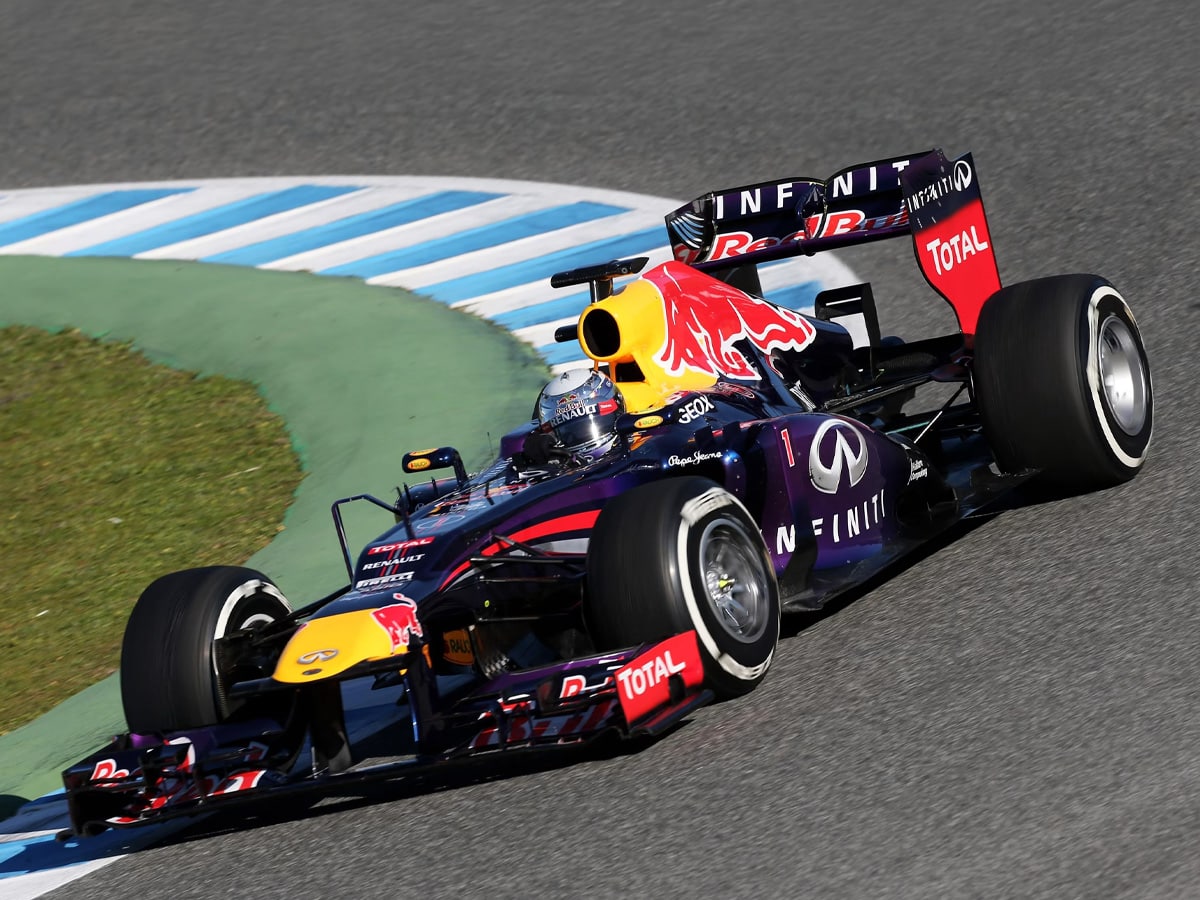
During the regulatory drafting process, the FIA investigated reviving in-race refueling to further reduce starting weights. However, the proposal was rejected due to the logistical costs and safety risks associated with high-pressure pit-lane refueling rigs. Furthermore, the efficiency of the 2030 turbo-hybrid V8 is expected to be high enough that cars can complete a full 305-kilometer race distance on approximately 90kg of fuel, roughly half of what was required during the non-hybrid V8 era of the early 2010s.
Manufacturer Reactions and the Road Ahead
The response from the six registered power unit manufacturers for 2026—Mercedes-AMG, Ferrari, Red Bull Powertrains-Ford, Honda, Audi, and Cadillac—has been generally positive regarding the 2030 goals, though some points of contention remain. A proposal by the FIA to standardize the engine block (a "spec" part) was met with fierce opposition. Manufacturers argued that designing the internal architecture of the engine is a core part of their identity and that standardization would undermine F1’s status as a constructors’ championship.
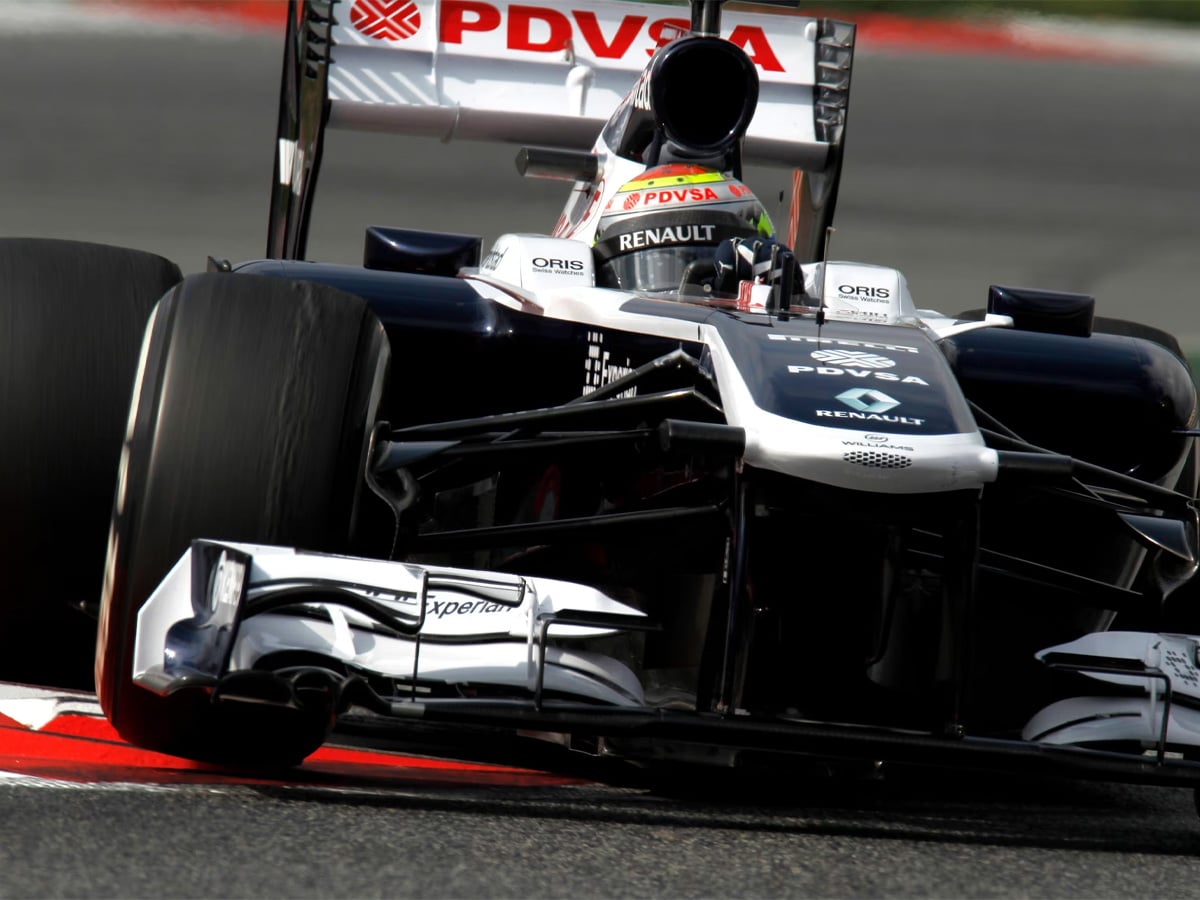
Under current FIA statutes, a supermajority (four out of six manufacturers) is required to introduce these rules ahead of schedule. If a consensus is not reached, the FIA has the unilateral authority to mandate the changes for the 2031 season once the current 2026-2030 regulatory cycle expires. However, current reports suggest that all parties are aligned on the core pillars of the 2030 plan: improved sound, lower weight, and reduced costs.
As the sport moves toward the 2026 World Motor Sport Council meeting, the 2030 V8 proposal stands as a rare moment of alignment between the fans, the drivers, and the governing body. It acknowledges that while electrification has its place in the automotive world, the essence of Formula 1 lies in the visceral, mechanical challenge of the internal combustion engine. By leveraging synthetic fuels and simplified hybrid systems, F1 aims to preserve its heritage while securing its future in a changing global landscape.




 Nila Kartika Wati

 Eva Lovia

 Yuyun Lusiyani

 Ana Megawati

 Joko Widodo
