
 Eva Lovia
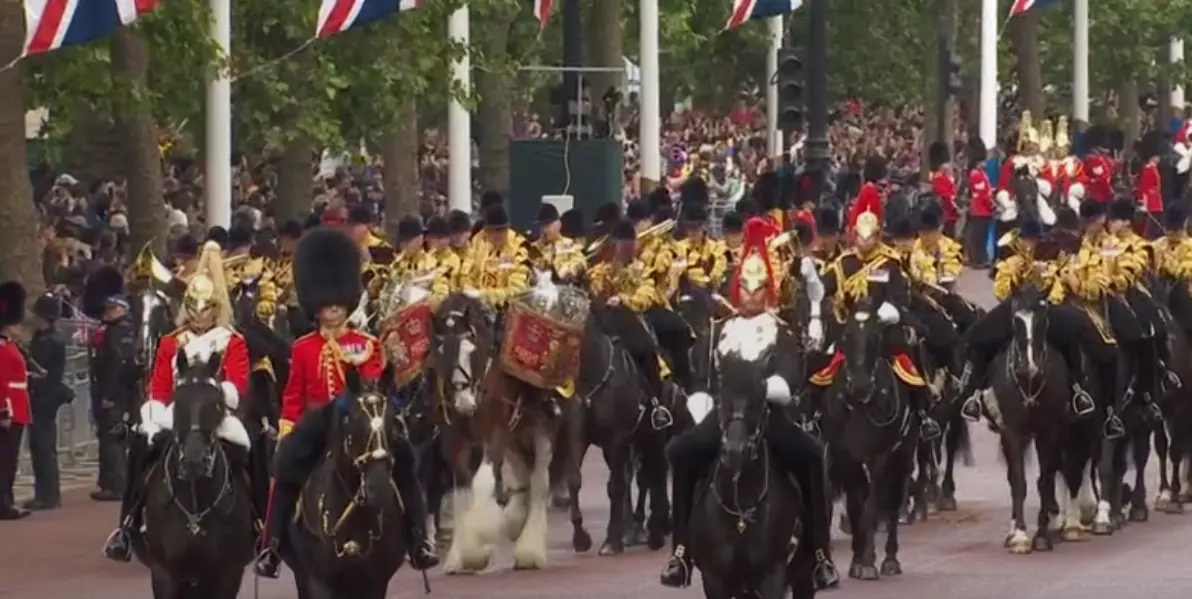
The Metropolitan Police is set to implement a significant reduction in its policing presence at Trooping the Colour and other major royal ceremonial events, with private security companies expected to assume the majority of these duties. This strategic shift, slated to take effect next month, will impact key national spectacles including the King’s official birthday parade, ceremonial gun salutes, and the iconic Changing of the Guard at Buckingham Palace. The decision stems from mounting financial pressures on the Met and an increasing imperative to redeploy officers to frontline neighbourhood policing, a commitment the force asserts is its primary responsibility.
H2: Shifting Priorities and Financial Realities
Sources indicate that the Metropolitan Police has withdrawn what is described as the "vast majority" of its policing provision for Trooping the Colour, leaving only a minimal official police presence at these high-profile events. This move is a direct consequence of the challenging fiscal environment facing UK police forces, coupled with a persistent demand for increased visibility and operational capacity in community policing. Over the past twelve months, the Met reported deploying officers on approximately 17,800 occasions to support military ceremonial events, incurring an estimated cost of £10.6 million. These deployments often necessitate diverting officers, including specialist units such as motorcycle officers from traffic divisions, away from their regular duties.
A spokesperson for the Metropolitan Police defended the changes, stating, "The public rightly want to see officers on the front line, arresting criminals and keeping our city safe. That’s our priority." The spokesperson further elaborated that, against a backdrop of significant financial cuts and escalating demand for police services, the force has been compelled to make difficult decisions regarding resource allocation. The Met has reportedly engaged in discussions with the Ministry of Defence concerning these proposed alterations to its support for military ceremonial events.
H2: Concerns from Military and Political Circles
The decision has, however, ignited considerable concern among senior military figures and politicians, who question the adequacy of private security firms to provide the same level of protection and assurance as uniformed police officers at such sensitive and visible national occasions.
Lord Dannatt, the former Chief of the General Staff, voiced strong reservations, asserting, "The bottom line is internal security is the responsibility of the Metropolitan Police, end of story." He expressed surprise that a risk assessment could lead to outsourcing such a critical function to private security. "On the face of it, it sounds wrong and shouldn’t be driven on cost grounds," Lord Dannatt added, highlighting a potential disconnect between fiscal prudence and national security imperatives.
Echoing these sentiments, an Army source cautioned that a private contractor might not be able to offer the same level of reassurance to both soldiers participating in the ceremonies and the general public in the event of a potential security threat. This concern is particularly pertinent given the evolving security landscape and wider threats faced by serving military personnel in Britain. The recent attempted murder of Lieutenant Colonel Mark Teeton in 2024 by Anthony Esan serves as a stark reminder of the real and present dangers that military individuals can face.
H3: Political Reactions and Wider Implications
The reported changes have drawn sharp criticism from across the political spectrum. Shadow Defence Secretary James Cartlidge described the move as "very concerning," emphasizing that members of the Armed Forces are entitled to expect appropriate policing at major ceremonial events. He called on ministers to provide urgent reassurance that these occasions will continue to be adequately protected, underscoring the symbolic and national importance of these events.
Similarly, Liberal Democrat MP Mike Martin, a member of the Defence Select Committee, labelled the decision as "outrageous." He argued that diminishing police protection at significant ceremonial occasions could potentially undermine Britain’s broader national security resilience. The presence of visible, state-sanctioned security at events that showcase national identity and military heritage is seen by many as a crucial element of public order and a deterrent against hostile actions.
H2: Historical Context of Royal Ceremonial Policing
Trooping the Colour, a grand military parade marking the sovereign’s official birthday, has been a cornerstone of British royal pageantry for centuries. Its origins can be traced back to the reign of King George II in 1748, when it was established that the annual military exercise would serve as the public celebration of the monarch’s birthday. The ceremony involves over 1,400 parading soldiers, 200 horses, and 400 musicians, culminating in a flypast by the Royal Air Force. The Changing of the Guard at Buckingham Palace, another significant royal ceremony attracting vast crowds of tourists and locals alike, is a centuries-old tradition that symbolizes the monarch’s authority and the continuity of the Crown.
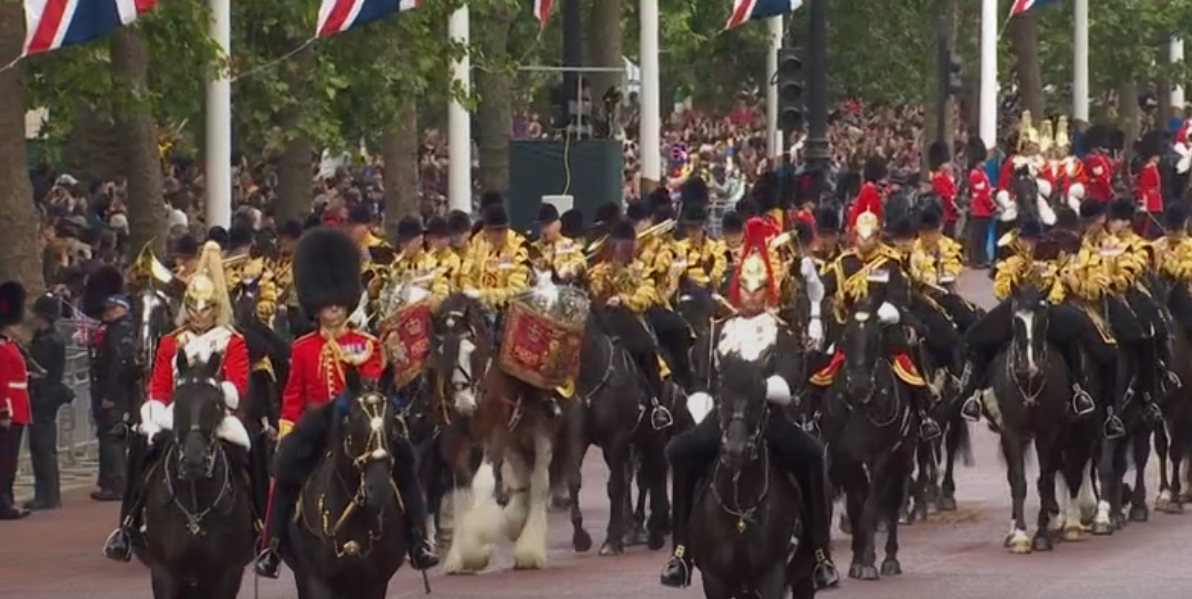
Historically, the Metropolitan Police have played an indispensable role in ensuring the safety and smooth running of these events. Their duties extend beyond crowd control to include managing traffic, coordinating with military personnel, and responding to any security incidents. The sheer scale of these events, drawing hundreds of thousands of spectators, necessitates a substantial police presence to maintain order and prevent potential breaches of security.
H3: The Role of Private Security in Public Events
The increasing reliance on private security firms for public events is a trend observed globally, driven by both cost-saving measures and the specialized nature of services offered. Private security companies can provide trained personnel for tasks such as access control, surveillance, and crowd monitoring. However, their remit typically differs from that of sworn police officers, who possess powers of arrest and are trained to handle a broader spectrum of public order and security threats.
The question of whether private security can adequately replicate the authority, training, and operational scope of the Metropolitan Police in the context of high-stakes royal ceremonies remains a significant point of contention. Concerns are particularly acute regarding the handling of potential terrorist threats or significant public disorder, where the immediate and decisive action of law enforcement officers is paramount.
H2: Metropolitan Police’s Future Approach
The Metropolitan Police has reiterated that its future support for military events will be determined by rigorous assessments of threat, harm, and risk, with officers deployed strategically where their presence is deemed operationally necessary. This suggests a more targeted approach, focusing police resources on situations that genuinely require their unique capabilities and authority.
The Ministry of Defence, in its response, stated that it "continue[s] to work collaboratively with the Metropolitan Police on ceremonial events and greatly value the support of our policing colleagues, whose contribution to delivering these important activities is invaluable." This statement acknowledges the importance of police support while also indicating a continued dialogue and partnership in planning for future events.
H3: Data on Policing Costs and Resource Allocation
The £10.6 million figure for policing military ceremonial events over the past year highlights the substantial financial commitment involved. This expenditure, when juxtaposed with the Met’s budget constraints and the ongoing need for visible policing in communities, underscores the difficult balancing act faced by the force’s leadership. The demand for officers to engage in proactive crime prevention, rapid response, and community engagement means that every deployment is scrutinized for its impact on frontline capacity.
The estimated cost per officer deployment at these events, while not explicitly detailed, can be inferred to be significant, factoring in salaries, training, equipment, and overheads. The redeployment of specialist officers, such as those in traffic divisions, also represents a loss of specialized skills that could be utilized elsewhere in the city.
H2: Analysis of Potential Impacts
The shift towards private security for certain aspects of royal ceremonial policing raises several critical questions. Firstly, it introduces a potential variable in the consistency and quality of security provision, depending on the contracting company and its personnel. Secondly, it could diminish the visible presence of state authority, potentially impacting public perception and confidence in security arrangements. Thirdly, it necessitates a clear delineation of responsibilities between private security and any remaining police presence, to avoid confusion or gaps in response during an incident.
The decision also reflects a broader national conversation about the resourcing of public services and the acceptable levels of risk in exchange for fiscal savings. While efficiency is a laudable goal, the symbolic and security-sensitive nature of royal ceremonies suggests that any changes must be carefully managed to ensure that national heritage and public safety are not compromised. The coming months will undoubtedly reveal the practical implications of this significant adjustment in policing strategy for some of the United Kingdom’s most cherished national traditions.



 Nila Kartika Wati

 Lina Irawan

 Yuyun Lusiyani

 Ana Megawati

 Joko Widodo
