
 Lina Irawan
The contemporary lifestyle landscape is increasingly defined by a convergence of high-end leisure, technological integration, and a renewed focus on durable consumer goods. In its latest weekly curation, the editorial team at Man of Many has identified a series of products and experiences that reflect broader shifts in the global travel, outdoor, and technology sectors. This week’s selection spans the luxury hospitality market in the South Pacific, the engineering evolution of heritage footwear, and the rising adoption of generative artificial intelligence (AI) in corporate environments. By examining these selections through a professional lens, it becomes evident that consumer preferences are pivoting toward "quiet luxury," functional longevity, and seamless digital assistance.
Global Tourism Trends and the Rise of Family-Centric Luxury in Fiji
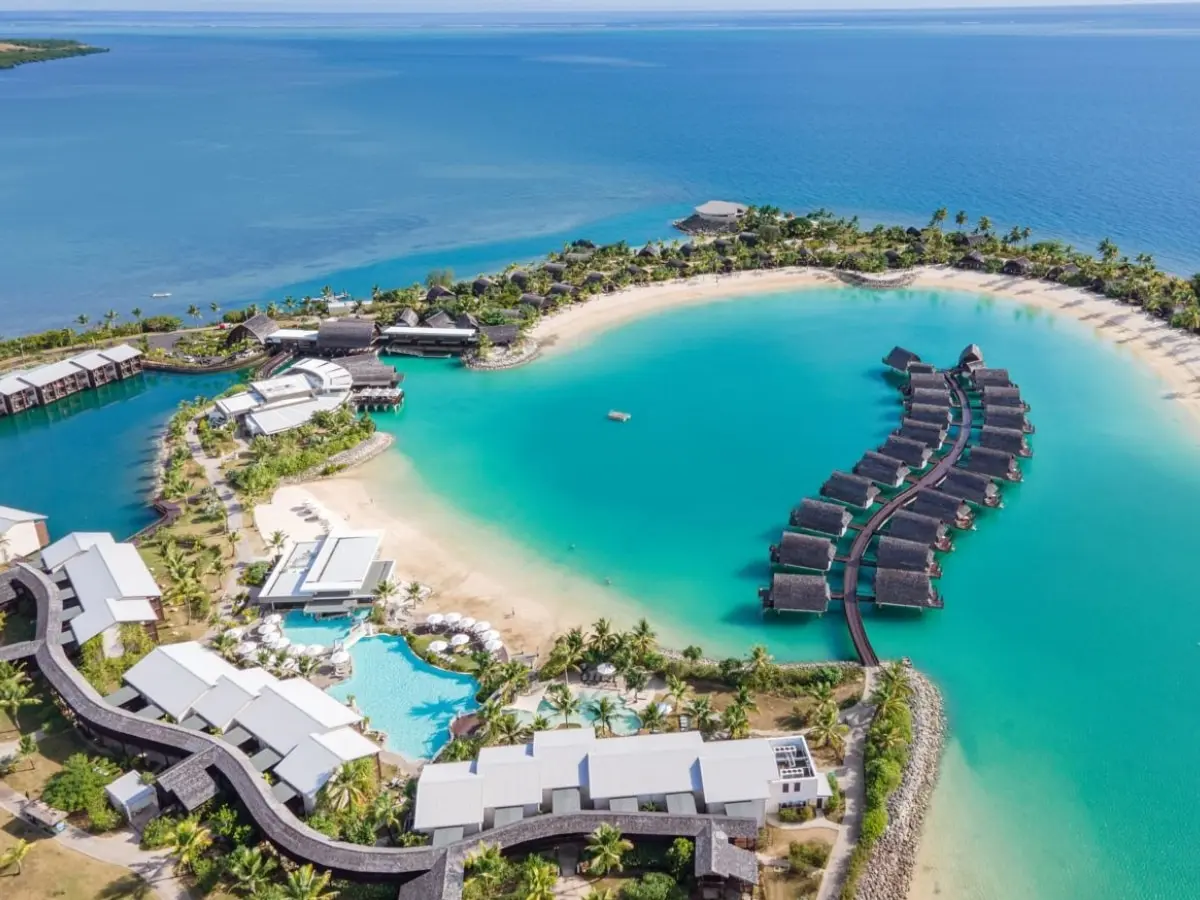
The travel sector has seen a significant shift toward multi-generational luxury, a trend exemplified by the Fiji Marriott Resort Momi Bay. As international travel volumes return to and exceed 2019 levels, the South Pacific has emerged as a primary beneficiary of the "slow travel" movement. Data from the Fiji Bureau of Statistics indicates that visitor arrivals have surged, with a notable increase in high-yield travelers from Australia, New Zealand, and North America.
The Fiji Marriott Resort Momi Bay represents a strategic pivot in the hospitality industry: the "rare alchemy" of five-star luxury that accommodates the logistical requirements of families. Historically, luxury resorts often catered exclusively to adults, but the modern executive traveler now demands facilities that allow for professional downtime while ensuring child engagement. The resort’s "Turtles Kids Club" serves as a benchmark for this service model, offering cultural workshops and Fijian craft education. This approach not only provides parents with the necessary "guilt-free downtime" to engage in leisure activities such as reading or pool-side relaxation but also fosters a deeper connection to the local heritage for younger guests.
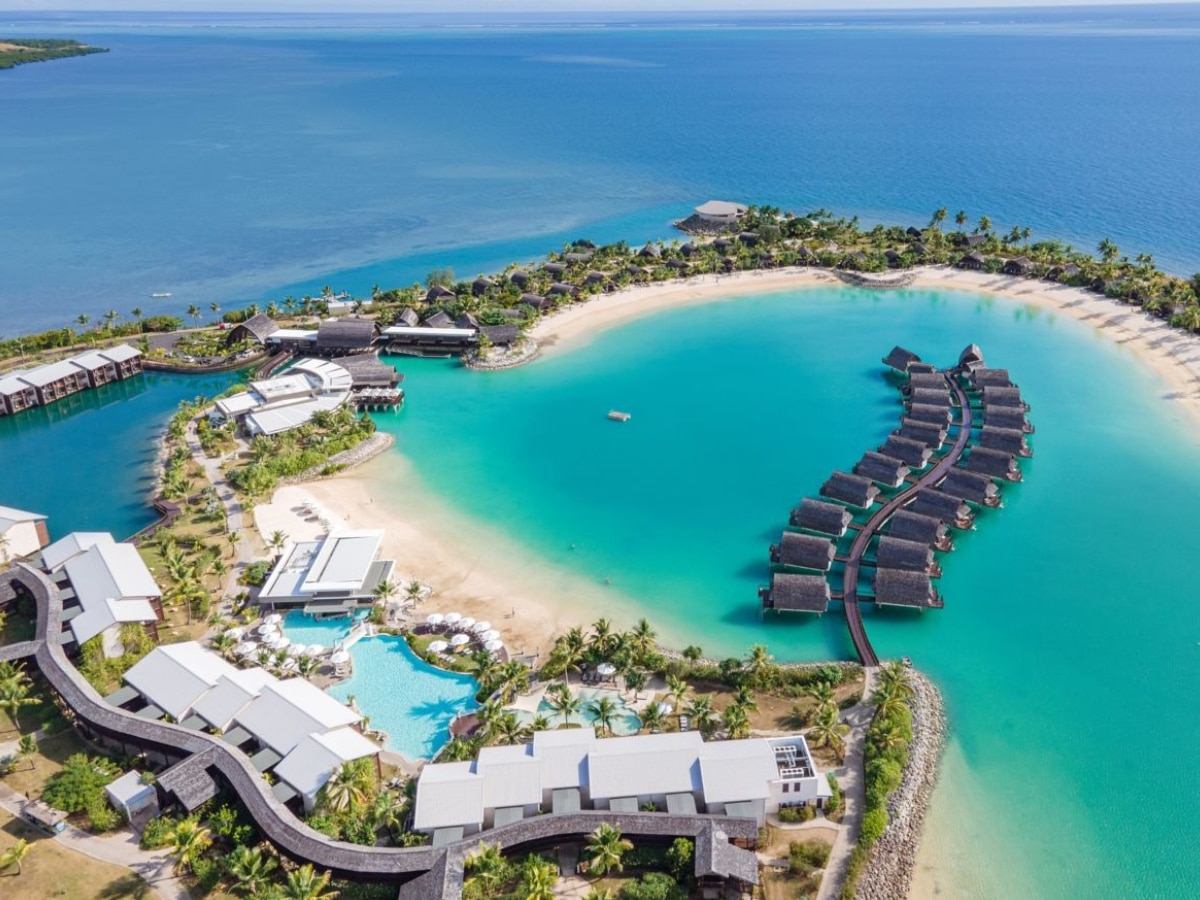
From a structural perspective, the resort’s lagoon-based layout facilitates a variety of marine-based activities, including paddleboarding and ocean swimming, which are central to Fiji’s tourism appeal. The "Bula" spirit—a cultural hallmark of Fijian hospitality—remains a critical intangible asset that distinguishes the region from competing tropical destinations in Southeast Asia and the Caribbean.
The Durable Goods Market: Engineering Longevity in Outdoor Recreation
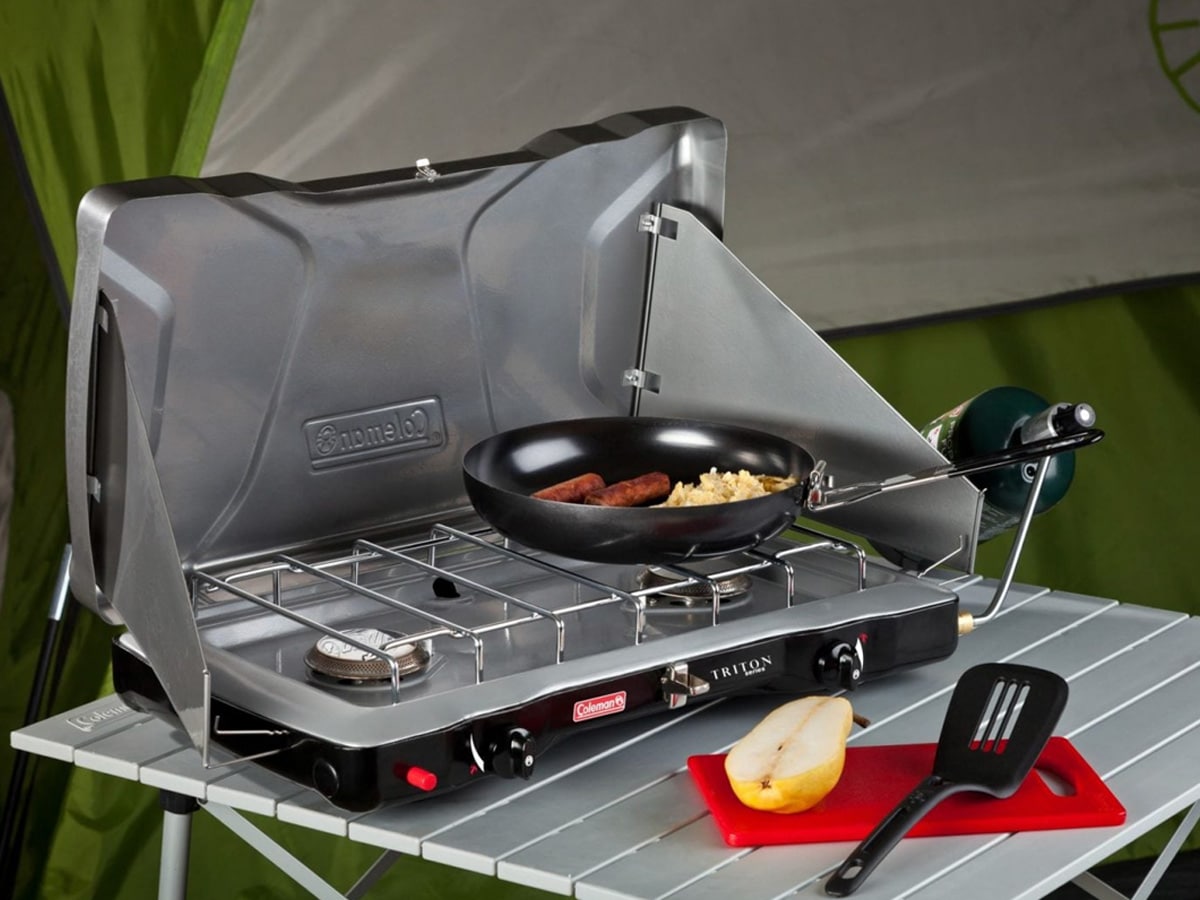
In the outdoor gear sector, there is a growing consumer backlash against "planned obsolescence," leading to a resurgence in heritage brands like Coleman. The Coleman Triton 2-Burner Camping Stove, highlighted by Man of Many Co-Founder Frank Arthur, illustrates the market’s demand for "workhorse" equipment that survives decades of use.
Technical specifications of the Triton stove reveal a focus on thermal efficiency and portability. With a total output of 22,000 BTUs (British Thermal Units), the device matches the power of domestic cooktops, a necessity for the growing "glamping" and overlanding communities. Unlike entry-level competitors that utilize binary "on/off" heat signatures, the Triton employs high-sensitivity temperature dials for precise simmer control. This granular control is essential for complex outdoor cooking, reflecting a shift where camping is no longer just about survival but about culinary experience.
Furthermore, the "dual life" of such products—transitioning from the campsite to the urban courtyard—reflects a broader trend in "compact living." As urban dwellers seek to maximize limited outdoor space, versatile equipment that can replace bulky, traditional barbecues is gaining market share. This shift toward multifunctional, slim-profile hardware is a key driver in the current $50 billion global outdoor equipment market.

Footwear Innovation: The Seventh Generation of the New Balance 990 Series
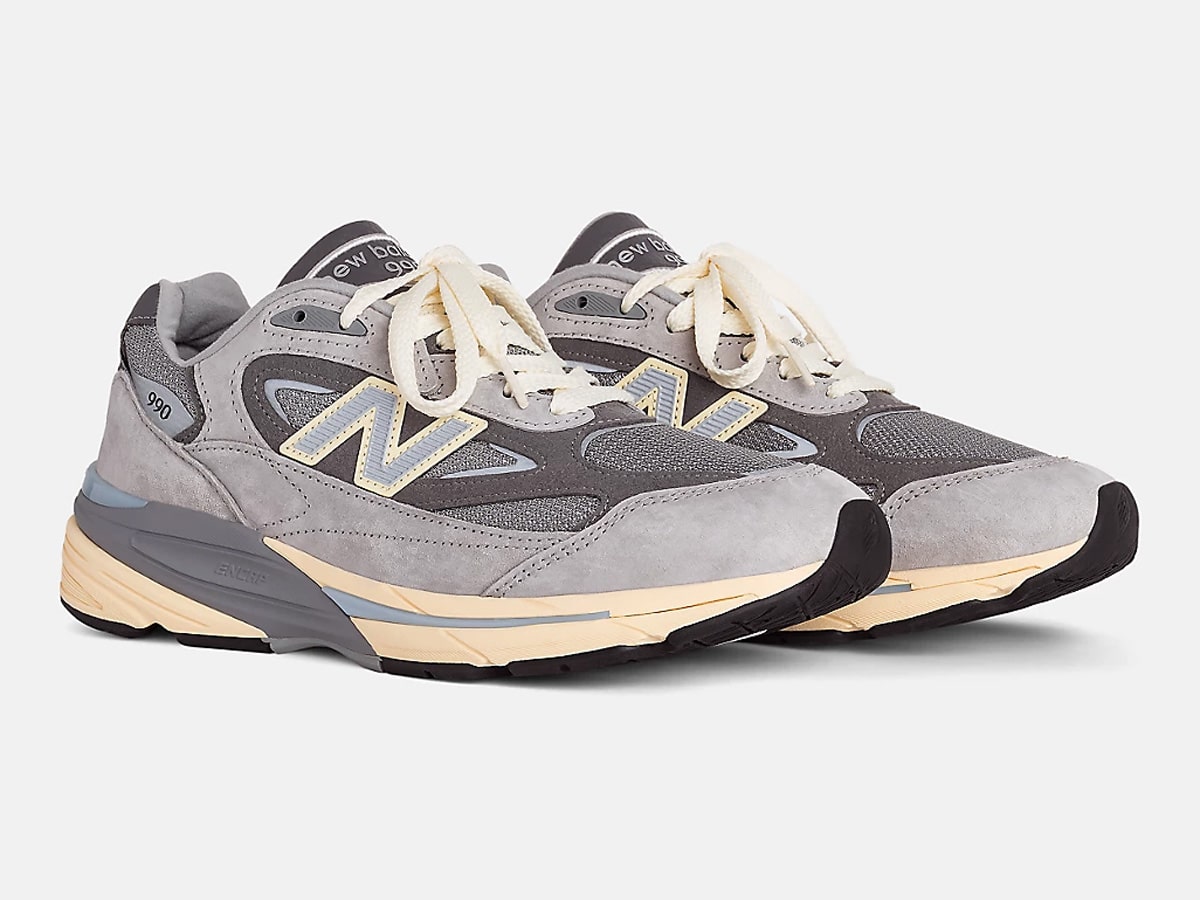
The release of the New Balance Made in USA 990v7 marks a significant milestone in the evolution of the "dad shoe" aesthetic, a category that has moved from a niche subculture to a dominant force in the premium sneaker market. The 990 series, which debuted in 1982 as the first running shoe to break the $100 price point, continues to be a bellwether for New Balance’s "Made in USA" division.
The 990v7 "Kool Grey" iteration introduces several technical advancements over its predecessor, the v6. The most notable change is the integration of a softer FuelCell foam compound in the midsole. This material science update is designed to provide superior energy return, addressing the needs of consumers who prioritize all-day comfort for urban commuting. To counter the inherent instability of plush foam, New Balance engineers have incorporated a new TPU (thermoplastic polyurethane) midfoot shank. This works in tandem with the established ENCAP heel structure to provide torsional stability.
Materiality remains a core focus, with the use of premium pigskin suede and breathable mesh. This combination maintains the "identity" of the silhouette while streamlining the panel layout to reduce bulk. The success of the 990 series is a testament to the brand’s ability to balance heritage with high-performance engineering, a strategy that has seen New Balance significantly increase its global revenue, reaching approximately $6.5 billion in recent fiscal years.
Regional Tourism and the Logistics of Group Travel in the Hunter Valley
The Australian domestic tourism sector continues to be anchored by regional hubs such as the Hunter Valley in New South Wales. Recent reports from Destination NSW highlight the region’s resilience, driven largely by group travel events such as weddings, corporate retreats, and "bucks" weekends.
A successful group itinerary, as noted in the Man of Many staff reflections, relies on three pillars: caloric management, hydration, and structured activity. The logistics of feeding large groups have led to the rise of "set menu" offerings at regional establishments like Nineteen in the Hunter Valley. These models provide predictable costs—approximately $45 per person—which is essential for managing the budgets of diverse groups.
Activity-based tourism, such as go-karting or whisky tastings, has also seen a surge. These experiences provide a necessary structure to group trips, moving beyond passive consumption to active engagement. The inclusion of "cultural" elements, such as personalized games or themed costumes, reflects a move toward highly curated, "Instagrammable" social experiences that drive regional economic growth.
The Productivity Shift: Generative AI and the Future of Corporate Meetings
The integration of AI into the workplace has moved beyond experimental phases into functional utility. Granola, an AI-powered note-taker, represents the next generation of productivity tools. Unlike previous iterations of meeting assistants, such as Otter.ai or Google’s Gemini, which often required a "bot" to join a digital call, newer tools operate discretely in the background.
This "invisible" integration addresses a major hurdle in AI adoption: social friction. The presence of a recording bot can often alter the dynamics of a professional meeting, making participants more guarded. By listening through the computer’s internal audio and transforming "half-baked dot points" into actionable summaries, Granola aligns with the "augmented intelligence" philosophy—where the AI supports, rather than replaces, human input.
However, the adoption of these tools brings new challenges to the open-plan office environment. The "open-plan dilemma" involves the social awkwardness of interacting with AI via voice commands in a shared space. Despite this, the efficiency gains are undeniable. The ability to query a transcript—asking, for instance, "what did I promise to send this week?"—represents a significant reduction in administrative cognitive load. The AI software market is projected to grow at a CAGR of over 35% through 2030, with meeting assistants being one of the fastest-growing sub-sectors.
Multimedia Expansion and the "Daddies" Podcast
Beyond physical products, the Man of Many curation highlights the importance of long-form digital content. The "Daddies" podcast, featuring John Pearce (of The Wiggles fame), exemplifies the "creator economy" trend where lifestyle brands diversify into multimedia storytelling. This specific episode explores the intersection of high-profile entertainment careers and modern fatherhood, tapping into a growing audience of "involved fathers" who seek content that reflects their domestic and professional realities.
Broader Implications and Market Outlook
The diverse range of "Staff Favourites" for this week underscores a broader economic reality: the modern consumer is increasingly discerning, valuing products that offer a high "utility-to-price" ratio and experiences that provide genuine emotional or professional value.
- Luxury Resilience: Despite global inflationary pressures, the luxury travel sector in the South Pacific remains robust, supported by the "bleisure" (business + leisure) trend.
- Sustainability through Durability: The preference for brands like Coleman and New Balance suggests that "sustainability" is being redefined by consumers as "buying once and buying well."
- AI Normalization: The transition of AI from a novelty to a background utility in apps like Granola indicates that the corporate world is moving toward a "default-AI" workflow.
In conclusion, the insights provided by the Man of Many editorial team offer more than just product recommendations; they serve as a snapshot of a shifting cultural and economic zeitgeist. Whether it is the engineering of a sneaker’s midsole or the implementation of a background AI recorder, the focus is squarely on refinement, efficiency, and the pursuit of a balanced, high-performance lifestyle. As we move into the final quarter of the year, these trends are expected to intensify, further blurring the lines between professional productivity and personal luxury.




 Nila Kartika Wati

 Eva Lovia

 Yuyun Lusiyani

 Ana Megawati

 Joko Widodo
