
 admin
admin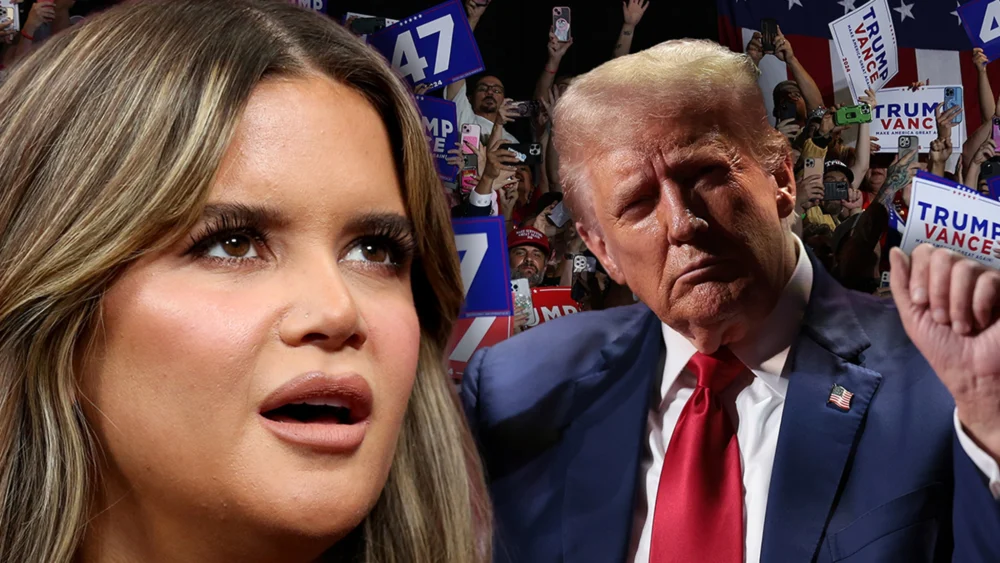
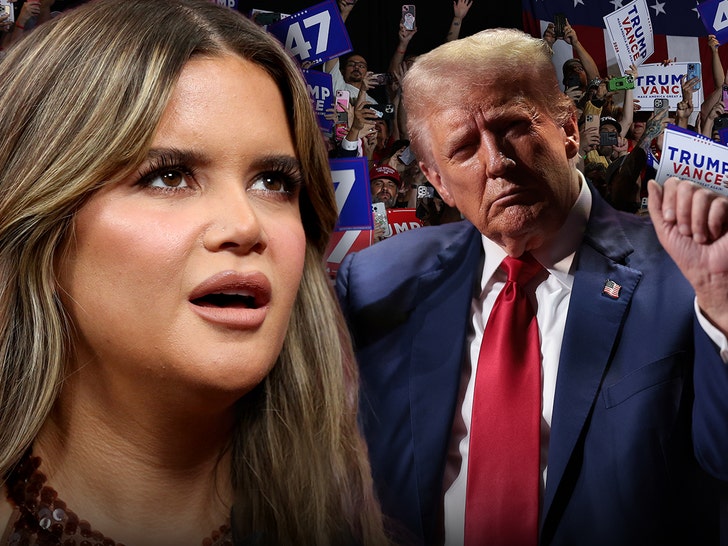
Country music luminary Maren Morris has ignited a fresh wave of controversy with scathing remarks directed at supporters of former President Donald Trump, unequivocally stating her belief that they were "bamboozled" by his administration. The Grammy Award-winning artist delivered her unreserved critique via a TikTok video posted on Friday, March 8, 2026, where she also characterized the former president in starkly unflattering terms, drawing a clear line in the sand regarding her political convictions and the potential repercussions for her career.
Morris’s Unfiltered Critique and Its Context
In a direct and unvarnished address, Morris articulated her strong disapproval of the Trump presidency and its electorate. She described anyone who supported Donald Trump in his presidential elections as having voted for a "dementia ridden, diaper clad, cornball," asserting, "you got bamboozled." Her comments left no room for ambiguity, indicating a deep-seated conviction regarding the perceived failures of the Trump administration and the judgment of his supporters. Morris did not shy away from expressing a lack of sympathy for any "MAGA faithful" who might feel disillusioned, stating plainly that their situation was "literally the result of ploying and voting for losers." This directness is characteristic of Morris’s recent public persona, which has increasingly veered into outspoken social and political commentary, often challenging the traditional conservative leanings of the country music genre.
The remarks come at a time when political polarization continues to deeply divide the United States, extending its reach into nearly every facet of public life, including entertainment. Country music, in particular, has long navigated a complex relationship with politics, often serving as a cultural touchstone for conservative values and patriotism. However, a growing contingent of artists, including Morris, has actively pushed against these perceived boundaries, advocating for more progressive viewpoints and challenging established norms within the industry.
A History of Political Candor in Country Music
Maren Morris is no stranger to controversy stemming from her political and social stances. Over recent years, she has emerged as one of country music’s most prominent progressive voices, tackling issues ranging from LGBTQ+ rights to racial equality and gender disparities. Her willingness to engage in public discourse on sensitive topics has frequently placed her at odds with more traditional elements of the genre and a segment of its fanbase. This latest broadside against Trump voters is thus not an isolated incident but rather a continuation of a pattern of outspokenness that has defined a significant chapter of her career.
Historically, country music has seen its share of artists who have ventured into political commentary, though often with mixed results. Figures like Johnny Cash, Merle Haggard, and Loretta Lynn, in different eras, reflected the socio-political currents of their times, sometimes subtly, sometimes overtly. However, the intensity of contemporary political divisions, exacerbated by social media, means that an artist’s political declaration can now lead to swift and severe backlash or fervent support, depending on the audience. Morris’s comments tap directly into this highly charged environment, echoing sentiments held by a significant portion of the population while simultaneously alienating another.
The "Weird Status Quo of Country Music" and Personal Sacrifice
Morris’s statements also delved into the personal cost of her convictions, revealing the strain that her public stance has placed on various aspects of her life. She acknowledged that fans who disagree with her viewpoints are "absolutely allowed" to stop enjoying her music, indicating a willingness to accept such consequences. More profoundly, she articulated a sense of personal sacrifice: "But I am only here for an iteration of revolutions around the sun, a couple, and so I do feel like I have sacrificed a lot of my mental health, my financial standing, my family, just because I am so deeply concerned and uncomfortable with the weird status quo of country music."
This powerful admission highlights the immense pressure artists face when their personal values diverge from the expectations of their genre or fanbase. For Morris, the "weird status quo" likely refers to the perceived homogeneity of political thought, the reluctance of many within the industry to address social issues, and the implicit pressure to maintain a palatable, apolitical image to avoid alienating a significant portion of the audience. Her assertion of sacrificing mental health, financial stability, and family underscores the profound impact that such advocacy can have on an individual’s life, suggesting a deeply held belief system driving her outspokenness despite the tangible costs.
Implications for Her Career and the Genre
The ramifications of Morris’s latest remarks are likely to be multifaceted, impacting her career trajectory and contributing to the ongoing evolution of country music. On one hand, her candor is celebrated by a growing segment of her fanbase and broader public who appreciate authenticity and a willingness to speak truth to power. This demographic often aligns with more progressive viewpoints and sees Morris as a courageous voice challenging the status quo. For these listeners, her music may resonate even more deeply, solidifying her position as an artist unafraid to use her platform for social commentary.
On the other hand, such strong condemnations of a significant political figure and his supporters are almost certain to alienate a segment of her existing audience, particularly those who identify as conservative or Trump supporters. The country music demographic has historically leaned Republican, and while this is not monolithic, many listeners expect artists to either remain apolitical or align with conservative values. Morris’s explicit criticisms could lead to calls for boycotts, reduced airplay on certain radio stations, and a downturn in album sales or concert attendance from disaffected fans. This phenomenon is not unique to Morris; other artists across genres have faced similar challenges when expressing strong political views.
Beyond her individual career, Morris’s comments contribute to a larger dialogue within the country music industry about its identity, its audience, and its role in a politically charged society. The genre has been grappling with issues of diversity, inclusion, and political alignment for several years. Artists like Morris, along with others who are challenging traditional narratives, are forcing the industry to confront these questions head-on. This ongoing tension could lead to a more diversified sound and message within country music, or it could deepen existing divides, creating a more fragmented landscape where artists are increasingly pressured to cater to specific ideological niches.
Public Reaction and Media Scrutiny
Following Morris’s TikTok post, public reaction was swift and predictably polarized. Social media platforms became immediate arenas for debate, with supporters lauding her bravery and critics condemning her language as divisive and disrespectful. Online discussions reflected the broader political chasm in the United States, with some users echoing her sentiments about voter disillusionment and others expressing outrage at her characterization of millions of voters.
News outlets and entertainment commentators quickly picked up on the story, analyzing the potential impact of her statements. The media scrutiny often focuses not just on the content of her remarks but also on the courage or folly of a public figure risking their commercial appeal for political expression. This incident underscores the increasing difficulty for public figures, especially those in entertainment, to remain neutral in an era where political identity often intersects deeply with personal identity and cultural consumption.
The Broader Landscape of Celebrity Activism
Morris’s stance also fits into a larger trend of celebrity activism, where prominent figures leverage their platforms to advocate for political and social causes. From environmental protection to civil rights, celebrities have historically used their visibility to draw attention to issues they deem important. However, the current political climate, characterized by heightened partisan animosity, has amplified both the potential impact and the risks associated with such activism.
While some view celebrity political engagement as a valuable means of raising awareness and mobilizing public opinion, others criticize it as elitist, out-of-touch, or unduly influential. The argument that artists should "stick to singing" is a common refrain from those who prefer entertainment to remain separate from politics. Morris directly addressed this sentiment in her statement, implicitly asserting her right as an individual and an artist to voice her concerns, regardless of the commercial implications. Her willingness to endure potential financial and emotional costs for her convictions positions her firmly within the tradition of artists who prioritize conscience over convenience.
Looking Ahead: The Evolving Role of Artists
As the political landscape continues to evolve, so too does the role of artists within it. Maren Morris’s latest comments serve as a powerful reminder of the ongoing tension between artistic expression, commercial viability, and political identity in contemporary society. Her decision to use such strong language against former President Trump and his supporters, coupled with her acknowledgment of personal sacrifice, marks a significant moment in her career and in the broader conversation about country music’s place in American culture.
Whether her remarks will ultimately solidify her status as a genre-defying icon or lead to a more pronounced schism with mainstream country audiences remains to be seen. What is clear, however, is that Morris has once again demonstrated her unwavering commitment to speaking her mind, irrespective of the "weird status quo" or the potential for alienation. Her journey reflects a growing trend among artists who believe that their platform comes with a responsibility to engage with the world’s complexities, even when that engagement is met with fierce opposition. The dialogue she has reignited is not just about Maren Morris or Donald Trump; it’s about the evolving nature of celebrity, the power of artistic voice, and the deeply intertwined relationship between culture and politics in the 21st century.

 Ana Megawati
 Joko Widodo
 Yuyun Lusiyani
 Eva Lovia
 Jia Lissa