
 Eva Lovia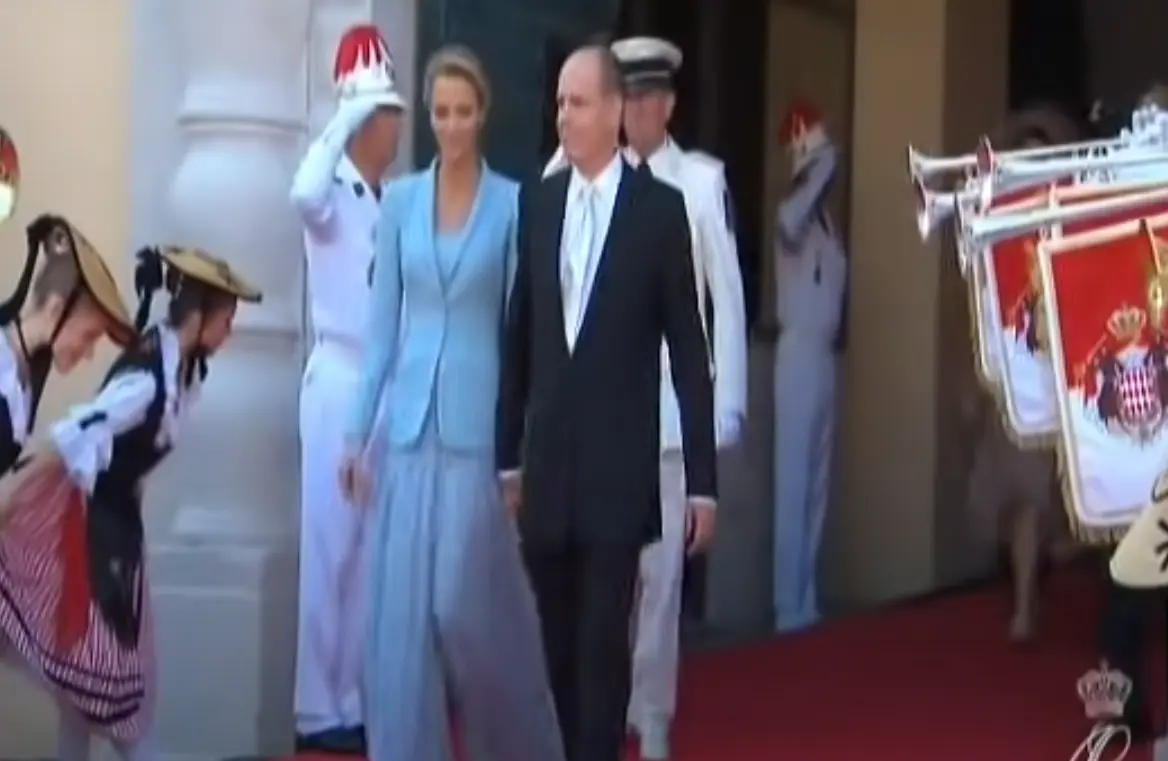
The union of Charlene Wittstock and Prince Albert II of Monaco in July 2011 was a momentous occasion, not only for the principality but also for the annals of royal fashion. While the world eagerly anticipated the bridal attire, it was a choice that defied centuries of tradition and set a new precedent for modern royal weddings. Princess Charlene, in a bold and elegant move, opted for a sophisticated trouser suit for her civil ceremony, a decision that immediately captured global attention and sparked widespread discussion about the evolving role of royal brides and the intersection of high fashion with royal protocol. This groundbreaking ensemble, designed in collaboration with the legendary Karl Lagerfeld, remains a powerful symbol of individuality and a testament to the enduring influence of style as a form of personal expression, even within the most established institutions.
A Legacy of Royal Weddings and Sky-High Expectations
The wedding of Prince Albert II and Charlene Wittstock was imbued with historical significance, drawing parallels to the iconic union of Albert’s parents, Prince Rainier III and Grace Kelly, in 1956. The wedding gown worn by Princess Grace, a masterpiece of ivory silk satin adorned with delicate Valenciennes lace and pearls, designed by Helen Rose of MGM Studios, is widely regarded as one of the most celebrated and influential bridal gowns of the 20th century. It set an exceptionally high bar for sartorial expectation for any future royal bride in Monaco. The sheer magnitude of the anticipated fashion statement for Charlene, a former Olympic swimmer from South Africa, was immense. She was stepping into a role that carried the weight of Monaco’s glamorous royal history, and the world was keen to see how she would interpret this legacy through her bridal choices. The pressure to deliver a look that was both regal and reflective of her own persona was undeniable, making her eventual choice all the more impactful.
The Unveiling of a Revolutionary Bridal Look
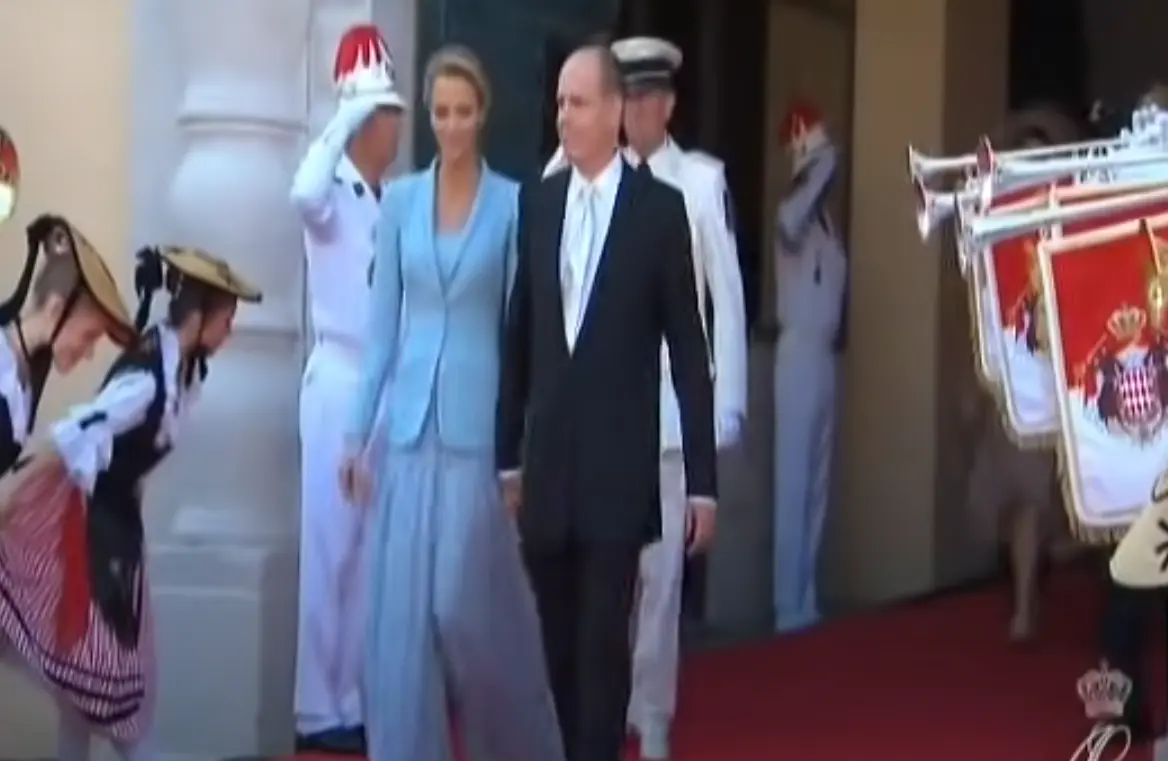
On July 1st, 2011, as the civil ceremony commenced at the Prince’s Palace in Monaco, the anticipation reached its peak. Instead of a voluminous gown, Princess Charlene emerged in a striking pale blue trouser suit. This wasn’t just any suit; it was a meticulously crafted ensemble designed by Charlene herself in collaboration with Karl Lagerfeld, the then-creative director of Chanel and Fendi. The outfit comprised elegant palazzo pants made of flowing chiffon and a single-breasted fitted jacket. The delicate hue of blue was reportedly chosen to perfectly complement her eyes, a detail that added a personal and intimate touch to the design. This shade quickly became known as "Charlene blue," forever associated with this iconic moment.
The choice of trousers for a royal wedding was unprecedented and immediately challenged the established norms of bridal attire. While traditionalists might have raised an eyebrow, the move was widely seen as a modern and confident statement, signalling a new era for royal marriages and the individuals who enter them. It was a clear departure from the fairytale gowns that had dominated royal wedding imagery for decades, showcasing a bride who was comfortable in her own skin and unafraid to forge her own path.
Karl Lagerfeld’s Enduring Connection to Monaco’s Royal Family
Karl Lagerfeld’s involvement in designing Princess Charlene’s civil wedding outfit was not a surprise to those familiar with his long-standing relationship with Monaco’s royal family. He had been a close confidant and personal friend of Princess Caroline of Hanover for many years, designing numerous outfits for her for significant royal events, including the famed Bal de Rose. His creative genius and understanding of sophisticated design made him a natural choice for such a high-profile commission. Lagerfeld’s ability to blend classic elegance with contemporary flair perfectly aligned with the vision for Charlene’s bridal look. His contribution to this particular ensemble cemented its place in fashion history, adding another layer of prestige to an already remarkable moment.
A Day of Two Ceremonies, Two Distinct Bridal Statements
The wedding celebrations spanned two days, encompassing both a civil and a religious ceremony, each offering a distinct bridal statement from Princess Charlene. The civil ceremony, held on July 1st, was the first part of what was billed as the most significant celebration in Monaco since the wedding of Prince Rainier and Princess Grace in 1956. It was for this official union that Charlene chose her now-iconic trouser suit.
The following day, July 2nd, 2011, marked the grand religious ceremony, a more traditional affair held in the courtyard of the Prince’s Palace. For this momentous occasion, Princess Charlene donned a breathtaking wedding gown designed by Giorgio Armani Privé. This gown, a stark contrast to her civil ceremony attire, featured a fitted bodice and a voluminous skirt, embellished with intricate embroidery and a sweeping train. While the Armani gown was a vision of classic bridal opulence, it was the daring choice of the trouser suit for the civil ceremony that truly resonated as a fashion watershed moment.
Karl Lagerfeld’s influence was also evident at the religious ceremony, albeit through the attire of other key family members. Princess Caroline of Hanover and her elder daughter, Charlotte Casiraghi, both wore exquisite Chanel designs, showcasing Lagerfeld’s continued impact on the sartorial choices of the Monegasque royals. This demonstrated the breadth of his creative talent and his deep integration within the fabric of the royal family’s public appearances.
Contextualizing the Fashion Choice: Beyond Tradition
Princess Charlene’s decision to wear trousers was not merely a stylistic preference; it was a subtle yet powerful statement about the evolving role of women, particularly royal women, in the 21st century. In an era where women are increasingly breaking barriers in various professional fields, Charlene’s choice reflected a modern sensibility that valued comfort, practicality, and individual expression. Her background as an athlete, accustomed to functional and performance-oriented attire, may have also influenced her inclination towards a more streamlined and less restrictive outfit for the civil ceremony.
The historical context of royal weddings often dictates a certain adherence to tradition, particularly concerning bridal attire. Gowns have long been the symbol of a bride’s transition into a new life, often laden with symbolic meaning and elaborate craftsmanship. By opting for a trouser suit, Charlene was not rejecting the significance of her wedding day; rather, she was redefining what it meant to be a modern royal bride. She presented herself as a contemporary woman stepping into a historic role, demonstrating that elegance and regality could be expressed in diverse and unexpected ways.
Analyzing the Impact: A New Paradigm for Royal Weddings
Princess Charlene’s bridal choice had a tangible impact on perceptions of royal weddings and bridal fashion. It opened the door for future royal brides to consider a wider range of styles and silhouettes. While the traditional gown remains a beloved and iconic choice, Charlene’s ensemble demonstrated that there was room for innovation and personal interpretation. This has been observed in subsequent royal weddings, where brides have incorporated elements of contemporary design or chosen ensembles that reflect their individual personalities.

The attention garnered by her trouser suit also highlighted the power of fashion as a tool for communication and personal branding. For a public figure like Princess Charlene, her sartorial choices are often scrutinized and interpreted as reflections of her character and her vision for her role. Her confident embrace of a less conventional bridal look conveyed a message of modernity, strength, and self-assurance.
Furthermore, the collaboration with Karl Lagerfeld underscored the enduring influence of fashion icons and their ability to shape trends. Lagerfeld’s involvement lent an air of high fashion and artistic credibility to Charlene’s choice, ensuring that it was viewed not as a mere deviation from tradition, but as a deliberate and sophisticated fashion statement.
Broader Implications and Future Trends
The legacy of Princess Charlene’s civil wedding outfit continues to resonate. It serves as a reminder that royal traditions are not static but can evolve to reflect contemporary societal values and individual expressions. The fashion world, and indeed the public, have come to expect and appreciate the personal touch that modern royal brides bring to their wedding day attire.
The implications of such a bold fashion choice extend beyond mere aesthetics. It suggests a growing comfort within royal circles to embrace individuality and to present a more relatable and modern image to the public. As royal families navigate the complexities of the digital age and strive to connect with a younger generation, sartorial choices that demonstrate authenticity and a departure from rigid conventions can be highly effective.
In conclusion, Princess Charlene’s decision to wear a trouser suit for her civil marriage to Prince Albert II of Monaco was a pivotal moment in royal fashion history. It was a daring, elegant, and deeply personal statement that challenged expectations and redefined the possibilities of royal bridal attire. This groundbreaking ensemble, born from a collaboration with the visionary Karl Lagerfeld, stands as a powerful symbol of modernity, individuality, and the enduring capacity of style to make a lasting impression. It paved the way for future royal brides to embrace their unique identities while upholding the dignity and grace expected of their positions, proving that tradition and innovation can indeed walk hand-in-hand down the aisle.



 Yuyun Lusiyani
 Ana Megawati
 Jia Lissa
 Pevita Pearce
 admin
admin