
 admin
admin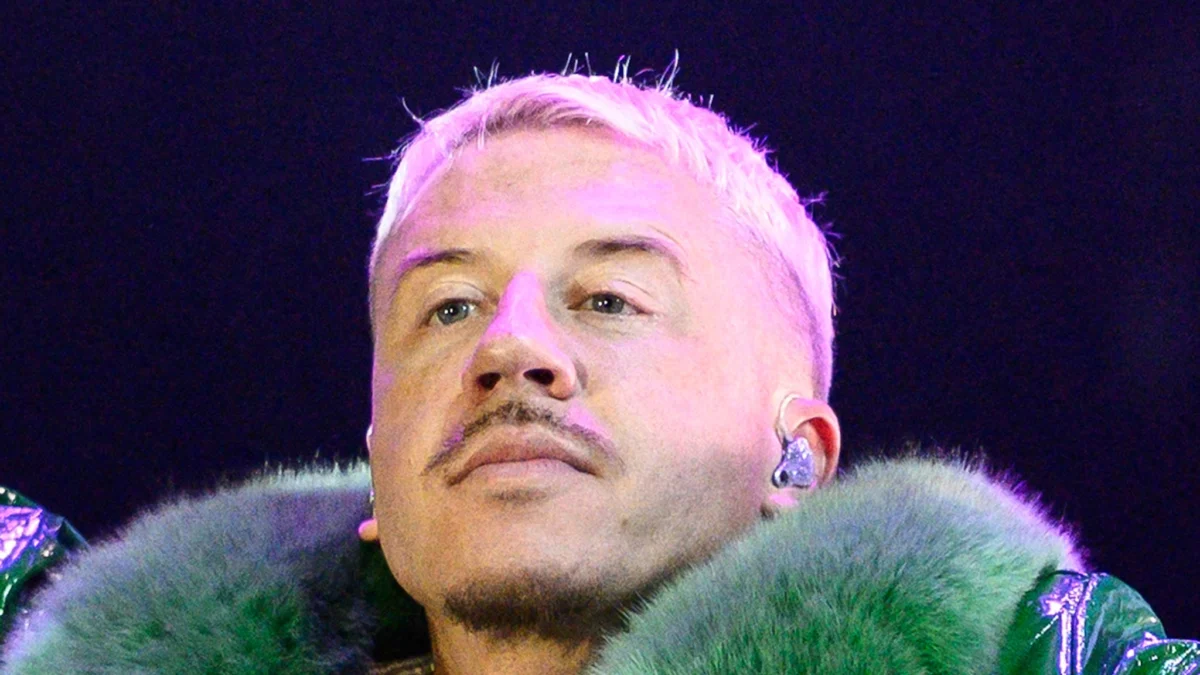
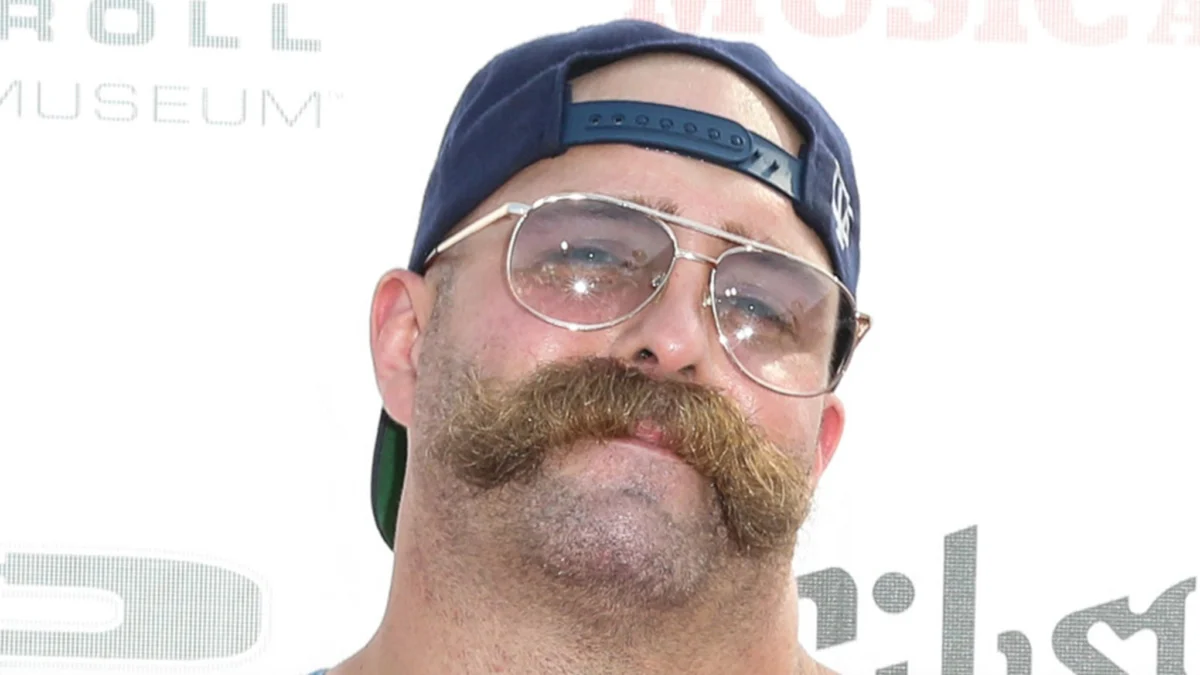
Macklemore, the Grammy-winning rapper, is currently embroiled in a significant controversy following his opening performances for Ed Sheeran’s "Loop" tour at MetLife Stadium in New Jersey. During his sets on Friday and Saturday, September 4th and 5th, 2026, Macklemore leveraged the high-profile platform to vocally advocate for Palestinians and sharply criticize Israel’s actions in Gaza, prompting immediate and widespread backlash, particularly from an influential Israeli-American advocacy group that is now demanding his removal from the remainder of the tour. The incident has ignited a fierce debate about the intersection of music, politics, and the responsibilities of artists performing on major concert tours.
The Incidents at MetLife Stadium: A Political Statement on a Global Stage
The performances, held at one of the United States’ largest and most iconic stadiums, saw Macklemore – born Ben Haggerty – transform what is typically a warm-up act into a potent political demonstration. Eyewitness accounts and social media posts from concertgoers indicate that Macklemore repeatedly chanted "Free Palestine" throughout his set, a slogan that has become a rallying cry for activists advocating for Palestinian rights. The rapper also performed his 2024 protest track, "Hind’s Hall," a song explicitly critical of Israel’s military operations in Gaza and supportive of Palestinian resistance. During the performance of this song, large-scale visual projections on the stadium screens reportedly displayed imagery associated with the conflict in Gaza and various pro-Palestinian demonstrations globally.
MetLife Stadium, with a capacity exceeding 82,500, hosted tens of thousands of fans over the two nights, many of whom had purchased tickets primarily to see global superstar Ed Sheeran. The unexpected political tenor of Macklemore’s opening act caught many off guard, leading to a deeply divided audience reaction both within the stadium and subsequently across online platforms. This highly visible platform amplified the rapper’s message, ensuring it reached an enormous and diverse audience, but also exposing him to an equally enormous wave of scrutiny and condemnation.
The Israeli-American Council’s Demand for Removal
In the immediate aftermath of the MetLife Stadium performances, the Israeli-American Council (IAC), a prominent non-profit organization dedicated to strengthening the Israeli-American community and the bond between the peoples of the U.S. and Israel, launched a formal petition calling for Macklemore’s immediate dismissal from the Ed Sheeran "Loop" tour. The petition, widely circulated among its members and online, articulates a core grievance: that concertgoers paid for a musical entertainment experience, not a political rally.
A representative for the IAC, speaking anonymously to a major news outlet, stated, "Fans attend concerts for enjoyment and escapism, not to be subjected to partisan political rhetoric, especially on such a deeply polarizing and sensitive issue. Macklemore’s use of the stage to promote a one-sided, inflammatory narrative is not only inappropriate but deeply offensive to many attendees, particularly those who are Jewish or have ties to Israel." The IAC’s petition argues that Macklemore’s actions created an unwelcoming and hostile environment for a segment of the audience, potentially violating the implicit social contract between artists and their paying public. The petition does not publicly display the number of signatures it has collected, but the organization is known for its robust grassroots mobilization capabilities. The IAC’s action underscores the increasing pressure on event organizers and headlining artists to manage the political expressions of their supporting acts, especially when those expressions touch upon highly contentious geopolitical conflicts.
Divisive Fan and Public Reaction: A Battleground of Opinions
The reaction to Macklemore’s performances and the subsequent petition has been, as anticipated, intensely "fiery" and polarized across social media and public forums. On one side, many concertgoers and online commentators expressed outrage, reporting that they either walked out of the performance or felt deeply uncomfortable with the politicization of the event. Accusations of Macklemore pushing antisemitic rhetoric were prevalent among critics, who often highlighted the historical context of the Israeli-Palestinian conflict and the complexities involved, arguing that Macklemore’s portrayal was simplistic and biased. Some Jewish audience members shared personal accounts of feeling targeted or alienated by the chants and visuals, asserting that such political statements during a mainstream pop concert were irresponsible and insensitive.
Conversely, a significant portion of the public and many concertgoers staunchly defended Macklemore’s actions, applauding his decision to use his platform to speak out on what they view as a critical human rights issue. Supporters argued that artists have a right, and perhaps even a responsibility, to use their voice for social and political causes they believe in. They contended that art and politics have historically been intertwined and that suppressing such expression amounts to censorship. These defenders often framed Macklemore’s stance as one of solidarity with oppressed people, rejecting claims of antisemitism and instead asserting it as a critique of Israeli government policies, not Jewish people. The online discourse has become a microcosm of the broader global debate surrounding the Israeli-Palestinian conflict, reflecting deep ideological divisions and strong emotional responses.
Macklemore’s History of Activism: A Pattern of Engagement
Macklemore’s outspokenness on the Israeli-Palestinian conflict is not a new development. He has been a consistent and vocal advocate for Palestinian rights for several years, demonstrating a long-standing commitment to using his public profile to address geopolitical issues. This recent controversy is part of a broader pattern of engagement that has previously drawn both praise and criticism.
In 2024, Macklemore released "Hind’s Hall," a track that gained significant attention for its direct and unequivocal support for Palestinians and its condemnation of Israeli actions. The song’s title itself is a reference to Hind Rajab, a six-year-old Palestinian girl killed in Gaza, and draws parallels between the current conflict and historical instances of student activism, particularly referencing student protests at Columbia University. The song was notable for its unsparing lyrics and its clear political alignment, further solidifying Macklemore’s stance.
Following the release of "Hind’s Hall," Jewish reggae artist Matisyahu publicly criticized Macklemore, describing the song as "antisemitic" and contributing to an already "ugly divide." Matisyahu, who is known for his deep connection to his Jewish faith and Israeli heritage, argued that Macklemore’s lyrics oversimplified a complex conflict and fueled animosity rather than fostering understanding. This earlier exchange highlighted the deep chasm between artists on this issue and foreshadowed the current controversy.
Further demonstrating his willingness to court controversy, Macklemore also sparked outrage in 2024 when he chanted "f*** America" during a pro-Palestinian festival in Seattle, his hometown. This particular incident drew widespread condemnation from various quarters, including accusations of unpatriotism and insensitivity, and reinforced his image as an artist unafraid to express radical political views, even at the risk of alienating segments of his audience and the wider public. These prior events establish a clear chronological and thematic backdrop to the MetLife Stadium incidents, indicating that Macklemore’s recent actions are consistent with his established pattern of political activism.
Broader Context: Artists, Activism, and the Entertainment Landscape
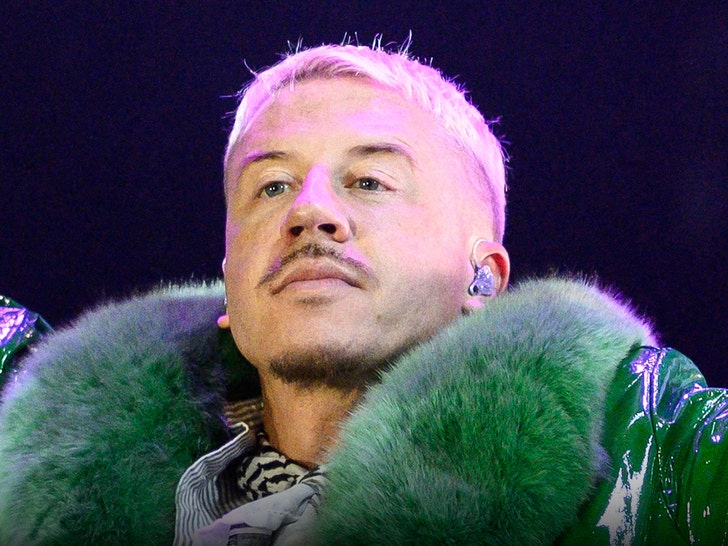
The Macklemore controversy is not an isolated incident but rather reflective of a growing trend where artists increasingly use their platforms to engage with pressing social and political issues. In an era of heightened global awareness and social media immediacy, the line between entertainment and activism has become increasingly blurred. From climate change advocacy to racial justice movements and geopolitical conflicts, musicians, actors, and other public figures are often expected, or feel compelled, to take a stand.
This trend brings with it significant challenges for tour organizers, venues, and headlining artists. While many appreciate and support artists’ rights to free expression, the commercial realities of large-scale tours often necessitate a careful balancing act. Organizers aim to provide a universally appealing experience to a diverse audience, and overt political statements can alienate significant portions of that audience, leading to complaints, walkouts, and potential financial repercussions. Ed Sheeran’s "Loop" tour, a massive global undertaking, relies on broad appeal and a generally positive, unifying atmosphere. The inclusion of an opening act making highly divisive political statements could inadvertently affect the overall perception and success of the tour.
Historically, artists like Bob Dylan, Joan Baez, and John Lennon famously intertwined their music with political activism. More recently, artists like Beyoncé, Taylor Swift, and Billie Eilish have used their platforms for various causes, often facing similar scrutiny. However, the Israeli-Palestinian conflict, due to its profound historical, religious, and geopolitical complexities, tends to evoke particularly strong and often irreconcilable passions, making it one of the most fraught subjects for public figures to address. The controversy around Macklemore underscores the unique challenges of navigating this particular conflict within the commercial entertainment sphere.
Implications for the Tour and Macklemore’s Career
The immediate implications for the Ed Sheeran "Loop" tour remain to be seen. As of the time of reporting, neither Ed Sheeran nor the tour organizers have issued an official statement regarding the petition or Macklemore’s performances. Their silence could be interpreted in several ways: a strategic pause to assess the situation, an unwillingness to intervene in an opening act’s artistic expression, or a complex negotiation happening behind the scenes. However, the pressure on them to respond is mounting. If the IAC’s petition gains significant traction or if public outcry intensifies, the tour organizers may be compelled to address the issue directly. Removing an opening act mid-tour is a logistically complex and potentially costly decision, involving contractual obligations, public relations management, and the risk of further alienating segments of the fanbase.
For Macklemore, this incident further cements his image as a politically engaged, even provocative, artist. While it may alienate some fans and industry stakeholders, it could also galvanize his core base who appreciate his commitment to social justice. However, repeated controversies of this nature could make him a more challenging act for mainstream tours and festivals to book, as organizers might weigh the artistic appeal against potential public relations headaches and audience division. His actions highlight the tension between an artist’s desire for authentic expression and the commercial demands of the music industry.
The ongoing debate also reflects a broader societal challenge: how to reconcile freedom of speech with the expectations of commercial spaces and diverse audiences. As global events continue to unfold, artists will undoubtedly continue to use their platforms to voice their opinions. The Macklemore incident serves as a stark reminder of the volatile intersection where art, politics, and commerce collide, and the difficult choices that artists, organizers, and audiences alike must navigate in an increasingly interconnected and politically charged world. The resolution of this particular situation will likely set a precedent for how similar controversies are handled in the future, impacting the landscape of musical tours and public artistic expression for years to come.


 Nila Kartika Wati
 Lina Irawan
 Pevita Pearce
 Eva Lovia
 Nana Wu