
 Yuyun Lusiyani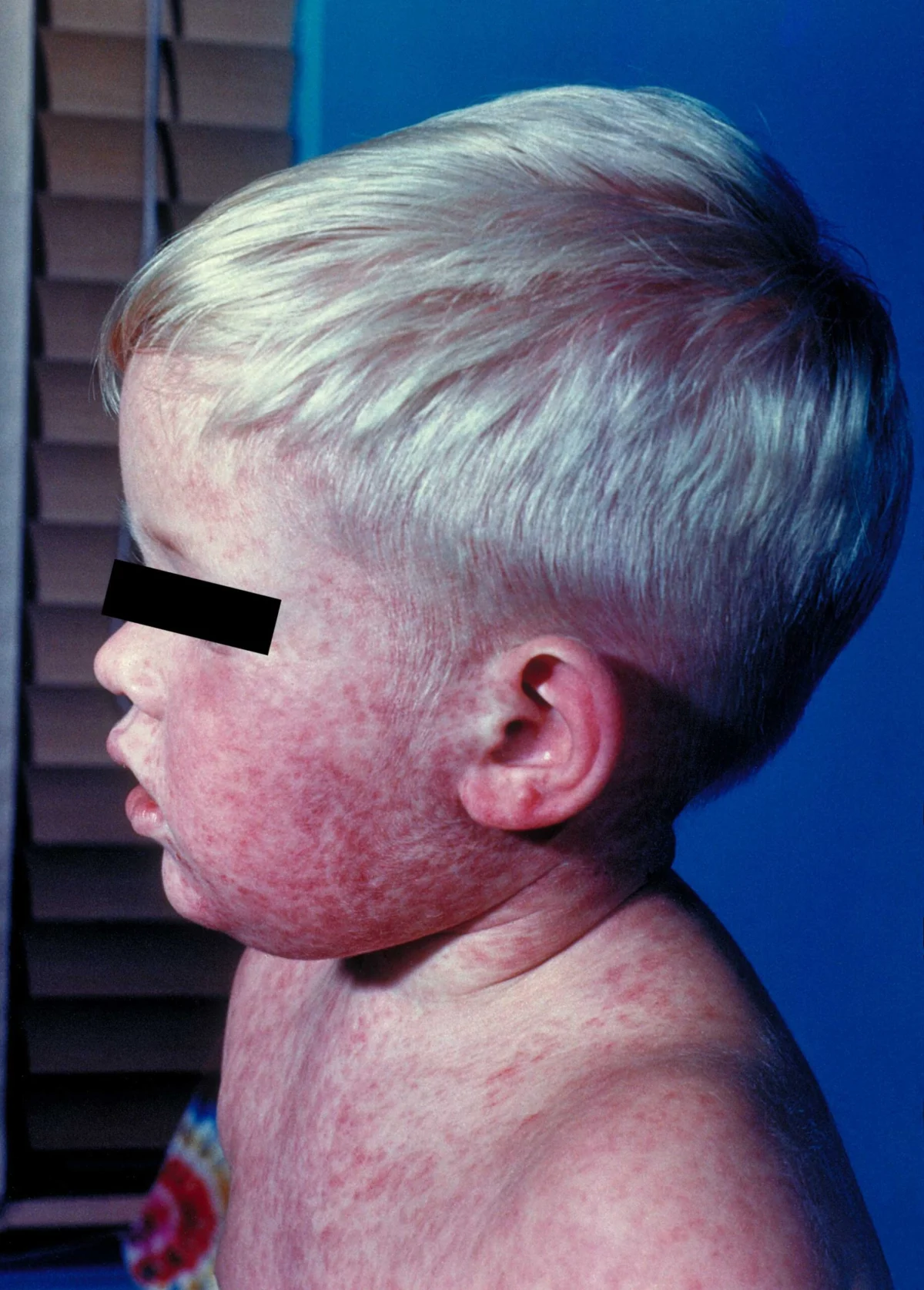
Dr. Adam Ratner hovered over a gravely ill infant in a New York City intensive care unit on a grim day in 2022. The 3-month-old girl had spiked a fever two days earlier, becoming lethargic, then suffering seizures and struggling to breathe. Her eyes were eerily frozen, staring up and to the right, unresponsive to Ratner’s towering frame or the bright hospital lights. The soft spot on her head, usually flat, bulged ominously, signaling a dangerous accumulation of fluid inside her skull. The baby’s life hung by a thread, and Ratner, a veteran pediatric infectious disease doctor, suspected bacterial meningitis.
What returned on her lab tests, however, was a pathogen relegated to medical history books: invasive Haemophilus influenzae type b, or Hib. This bacterium once claimed nearly 1,000 children’s lives annually in the U.S. before a highly effective vaccine was introduced in the late 1980s. So successful was the immunization program that Ratner, like many physicians of his generation, had never encountered a case. Yet, this infant’s parents, he soon learned, had opted against vaccination. "This should be a never event," he told his disheartened colleagues.
Tragically, it wasn’t. The following year, Ratner treated two more unvaccinated infants with Hib. One, a 5-month-old boy, suffered catastrophic brain damage, discharged to a rehabilitation facility with fixed, dilated pupils and reliant on a ventilator. His "absence of brain stem reflexes" signaled irreversible harm. These cases underscore a deeply troubling trend: the U.S. vaccination system, meticulously built over half a century to shield children from such fates, now faces an unprecedented threat. Its foundational pillars—parental trust in vaccines and equitable access to them—are crumbling, largely due to the actions of the man now steering America’s health policy.

The Architect of Doubt: Robert F. Kennedy Jr. at HHS
Health and Human Services Secretary Robert F. Kennedy Jr., a figure long associated with the antivaccine movement, has embarked on a radical transformation of a government agency that historically championed the life-saving benefits of immunizations. Kennedy, who once controversially likened childhood immunization efforts to a holocaust, is actively fostering skepticism about vaccine safety both domestically and internationally. His administration is not only disseminating doubts but also contemplating policy shifts that could severely restrict access to childhood vaccines, potentially prompting pharmaceutical companies to withdraw from the U.S. market.
The repercussions extend globally. Kennedy unilaterally withdrew a $1.6 billion U.S. pledge to Gavi, the global vaccine aid group that supplies immunizations to the world’s most impoverished children. For decades, the U.S. has funded such initiatives not merely as a humanitarian gesture but as a critical safeguard against unchecked contagions that could ultimately threaten American public health. ProPublica’s extensive investigation, involving hundreds of studies and interviews with over three dozen immunization program veterans, reveals a widespread "pit-of-the-stomach dread" among experts that American children may soon battle infections long considered vanquished. Dr. Melinda Wharton, who retired last September after three decades leading immunization programs at the Centers for Disease Control and Prevention (CDC), lamented, "I don’t think I imagined it could or would be this bad."
A Nation’s Vaccination Legacy Under Siege

The U.S. has a proud and lengthy history of leadership in vaccination, dating back to its very inception. During the Revolutionary War, George Washington, scarred by his own teenage smallpox infection, ordered the inoculation of his Continental Army troops, a move many historians credit with preventing the British from winning the war. This primitive form of immunization, though risky, was deemed essential for national survival.
Two centuries later, during the Cold War, American and Soviet scientists remarkably collaborated through the World Health Organization (WHO) to eradicate smallpox globally, a testament to vaccination’s universal benefit. For decades, vaccines transcended political divides, seen as uncontroversial public health triumphs. McDonald’s even printed childhood immunization schedules on its tray liners in the 1990s, reflecting their ubiquitous acceptance.
However, the system faced challenges. In the 1980s, a flood of lawsuits alleging that the diphtheria, tetanus, and pertussis (DTP) vaccine caused severe seizures led manufacturers to abandon the U.S. market, creating critical shortages. "If there is a fire tomorrow in the plant where the polio vaccine is manufactured, what would happen?" Rep. Henry Waxman, a liberal Democrat, famously asked the CDC director in 1984, expressing fears of a return to "iron lungs for polio victims." This bipartisan crisis led to the 1988 establishment of the federal Vaccine Injury Compensation Program (VICP), which uses a special tax on vaccines to compensate individuals for rare but serious side effects, thus protecting manufacturers from crippling lawsuits and ensuring vaccine supply.
Shortly after, a different crisis emerged: measles. Between 1989 and 1991, over 55,000 cases and 123 deaths swept through American cities, disproportionately affecting Black and Hispanic preschoolers. President George H.W. Bush, a Republican, urged parents to immunize their children, declaring, "no generation in America should suffer the plagues of the past." His successor, President Bill Clinton, a Democrat, then ushered in the Vaccines for Children (VFC) program, providing free shots to over half of American kids through local doctors. These measures dramatically boosted vaccination rates, leading to the elimination of endemic measles in the U.S. by 2000.

Echoes from Abroad: The Perils of Complacency and Mistrust
The principle that "let down your guard and the diseases will return" has been tragically demonstrated repeatedly around the world. Dr. Chuck Vitek, a CDC disease detective, witnessed this firsthand in Russia during the 1990s diphtheria epidemic. Once known as the "strangling angel of children," diphtheria had been virtually eliminated in the Soviet Union by mandatory, free vaccination programs. However, as the disease receded, complacency set in. In the 1980s, Soviet health authorities eased mandates, introduced lower-dose shots, and advised pediatricians to defer vaccination for minor ailments like a runny nose, without follow-up. This created a generation of under-vaccinated individuals.
Compounding this, antivaccine activists exploited the deep mistrust of government institutions in the years leading up to the Soviet collapse. Misinformation, including claims that officials concealed vaccine harms, spread rapidly. By 1990, only 60% of infants in Soviet Russia had received the full diphtheria vaccine course. The consequence was catastrophic: over 157,000 infections and 5,000 deaths, mostly in Russia, before mandatory mass vaccination campaigns finally brought the ancient contagion back under control. Vitek recalled the heartbreak of seeing unvaccinated teenagers succumbing to a preventable disease, with thick leathery membranes sealing their throats, and patients dying weeks later from heart damage.
Japan experienced a similar struggle with rubella. When the vaccine was introduced in the 1970s, it was only given to junior high girls, leaving boys susceptible. This "lost generation" of unvaccinated men became a reservoir for the virus, leading to outbreaks that spread to pregnant women. Despite later efforts to vaccinate both sexes, a faulty mumps component in a combined vaccine sparked public mistrust, leading Japan to drop strict immunization mandates in 1994. Vaccination became a "personal choice," and Japan’s confidence in vaccines plummeted to among the lowest globally. Consequently, repeated rubella epidemics, like the one from 2012-2014, led to devastating birth defects (congenital rubella syndrome) and even a temporary drop in the country’s fertility rates.

Further demonstrating global interconnectedness, paralytic polio reappeared in 20 countries in the 2000s, traced back to Nigeria. Religious and political leaders in some northern Nigerian areas had boycotted polio immunization campaigns, fueled by false rumors that the shots were tainted to cause infertility in Muslim girls. One governor reportedly stated it was "a lesser of two evils to sacrifice two, three, four, five, even 10 children [to polio] than allow hundreds or thousands or possibly millions of girl-children likely to be rendered infertile." This boycott led to over 2,500 paralyzed children in Nigeria and the global spread of the virus, even paralyzing kids as far away as Indonesia.
The Current Crisis: A Return to the Brink
The U.S. is now experiencing a surge in measles not seen in three decades. Since January last year, there have been over 3,600 cases across 46 states and three deaths. The virus is so contagious that in South Carolina this year, medical teams resorted to examining infected patients in their cars, reminiscent of the most critical days of the COVID-19 pandemic, to protect vulnerable individuals in waiting rooms. Measles is often the first disease to return in undervaccinated communities, serving as a stark warning of other scourges to follow. Dr. Ratner, having witnessed measles outbreaks in New York City’s Orthodox Jewish communities in 2018-2019, sees a direct link between this loss of trust and the preventable illnesses in his ICU.
The current threat is amplified by the fact that the "villainization of vaccines" is no longer confined to pamphlets on a Brooklyn street corner; it emanates from the highest health offices in the U.S. government. Secretary Kennedy, despite claiming to be "pro-safety" during his confirmation hearings ("nobody called me anti-fish" for raising concerns about mercury), has overseen significant changes at HHS. His early tenure saw the dismissal of thousands of CDC staff, the cessation of vaccine promotions during a deadly flu season, and the suppression of a CDC measles forecast emphasizing immunization.

Dr. Melinda Wharton, a former CDC leader, found herself marginalized. Kennedy’s chief of staff removed her from her role managing the committee of outside experts that recommends childhood immunization schedules. Kennedy then announced in a Wall Street Journal column that he was replacing the entire committee, stating, "A clean sweep is needed to re-establish public confidence in vaccine science." The new committee, stacked with vaccine skeptics, has transformed its webcasts into a megaphone for mistrust, with some meetings devolving into shouting matches as medical societies pushed back against misinformation. Appointees like Retsef Levi from MIT suggested vaccinating a baby was akin to flying an untested airplane, urging parents to be "very, very suspicious." Committee chair Dr. Kirk Milhoan, a pediatric cardiologist, openly questioned the need for the polio shot and advocated for "returning individual autonomy to the first order, not public health."
In January, the acting CDC director, under Kennedy’s influence, trimmed the routine childhood immunization schedule from 17 to 11 diseases. Six previously universal shots were reclassified into a "talk to your doctor and decide for yourself" category, with risk-based guidance. Dr. Wharton found these changes "very frightening," noting that "the idea that it’s increasingly acceptable to put children at risk for these kinds of things is really just terrible." HHS spokesperson Andrew Nixon defended the move, stating it would "maintain robust protection" while aligning with "peer nations" and asserting that "disagreement at public meetings is a healthy scientific debate." However, the American Academy of Pediatrics boycotted the committee’s meetings and sued to block Kennedy’s moves. On Monday, a federal judge sided with the academy, finding that over half of the new members "appear distinctly unqualified" and temporarily halted the appointments and schedule changes.
Future Threats to Access and Global Health
Beyond these immediate policy shifts, the Trump administration, under which Kennedy serves, has signaled other alarming changes. At a White House press conference on autism, President Donald Trump complained that pediatricians were "pump[ing] so much stuff into those beautiful little babies, it’s a disgrace," and pledged to remove aluminum from vaccines. Aluminum, used since the 1930s to boost immune response, is a crucial ingredient in vaccines for nine diseases, including diphtheria, tetanus, and Hib. While a CDC-sponsored study found a weak association between aluminum and asthma, a larger Danish study found no increased risk for autism, asthma, or autoimmune diseases. Kennedy, however, has long questioned its safety and unsuccessfully attempted to retract the Danish study. If aluminum were banned, manufacturers would face costly reformulation and clinical trials, potentially leading to shortages or market withdrawal, given the fragility of the vaccine market dominated by a handful of pharmaceutical giants.

Trump also expressed misgivings about the measles-mumps-rubella (MMR) shot, which does not contain aluminum and has been used since 1971, despite overwhelming global research debunking any link to autism. He implored parents to demand "separate, separate, separate" shots for measles, mumps, and rubella—shots that are not FDA-approved or available in the U.S. This call, made amidst a measles surge, created a dangerous vacuum of reliable prevention.
The federal court’s temporary injunction on the immunization schedule changes does not prevent future attempts, provided proper procedures are followed. Reclassifying shots into the "talk-to-your-doctor" category could have long-term consequences for access. The VICP, designed to protect manufacturers from liability, only covers vaccines recommended for "routine administration." Moving shots out of this category opens manufacturers to legal challenges in traditional civil courts, potentially renewing the exodus of vaccine makers seen in the 1980s.
Kennedy has been a vocal critic of the VICP, viewing it as a "gift to the pharmaceutical industry." Before becoming HHS Secretary, he referred plaintiffs to law firms suing vaccine makers, taking a cut of the fees. Last year, he hired a vaccine injury lawyer to help overhaul the program, explicitly considering ways to add "symptoms of autism" to the VICP’s injury table for quick payouts. Given autism’s prevalence, such a change could bankrupt the compensation fund. With scientific consensus overwhelmingly rejecting a link between vaccines and autism, this move could dismantle the legal protections that ensure vaccine availability, leaving even trusting parents without access.
The Looming Specter of Global Contagion

The world remains a patchwork of vaccine coverage, and diseases eradicated in the U.S. persist elsewhere. Polio, endemic in Pakistan and Afghanistan, is circulating in 28 other countries, including Israel and the United Kingdom, prompting CDC travel warnings. In 2022, an unvaccinated young man in New York was paralyzed by the virus, a stark reminder of its proximity.
Similarly, diphtheria made its largest resurgence in 70 years across Western Europe. In 2024, an unvaccinated 10-year-old German boy died from diphtheria in Potsdam, his doctors, like Dr. Ratner with Hib, having never seen the disease outside of textbooks. The toxic strain had spread from newly arrived migrants to homeless Germans, then to the child and his mother, demonstrating how easily contagions can cross populations. The child, despite modern intensive care, succumbed to the ancient toxin’s damage.
U.S. withdrawal from long-standing international alliances further exacerbates these global risks. Kennedy’s decision to pull $1.6 billion from Gavi, accusing it of neglecting vaccine safety, has left a massive hole in its budget. Gavi, which has funded efforts to immunize children up to age 15 in countries introducing the rubella vaccine, has now been forced to guarantee coverage only up to age 10 to save money. Modeling predicts this cut could lead to 72,000 additional deaths from measles and congenital rubella syndrome, and a total of 600,000 fewer deaths prevented over the next five years.
Dr. Susan Reef, the former CDC doctor who spearheaded rubella eradication efforts globally, is devastated. "I can’t explain to you what it feels like to see all your hard work going by the wayside," she said, lamenting the pullback. The U.S. measles surge, she warns, foreshadows future rubella outbreaks, as the MMR vaccine protects against both. Without the combined shot, unvaccinated children will eventually become pregnant adults, and "when it comes back, it will come back with a vengeance. We will see babies being born who are blind, deaf and have heart disease."

The world is also critically unprepared for a major diphtheria resurgence. Antitoxin, made from horse blood, must be administered immediately, but supplies are scarce globally. In 2024, dozens of children in Pakistan died due to antitoxin shortages. The U.S. relies on an emergency supply maintained by the CDC, the capacity of which the agency refuses to disclose.
Dr. Vitek, who retired from the CDC after 33 years, still worries intensely about the return of vanquished diseases when people cannot or will not get vaccinated. "Once it gets reintroduced, your kid could get sick or die, even with modern medicine," he warned. Diphtheria, he concluded, "it’s a terrible way to die." The unvaccinated pockets of America, like Germany, stand one unwitting traveler away from an outbreak of a horror from the history books.


 Jia Lissa
 Joko Widodo
 Eva Lovia

 Pevita Pearce