
 Lina Irawan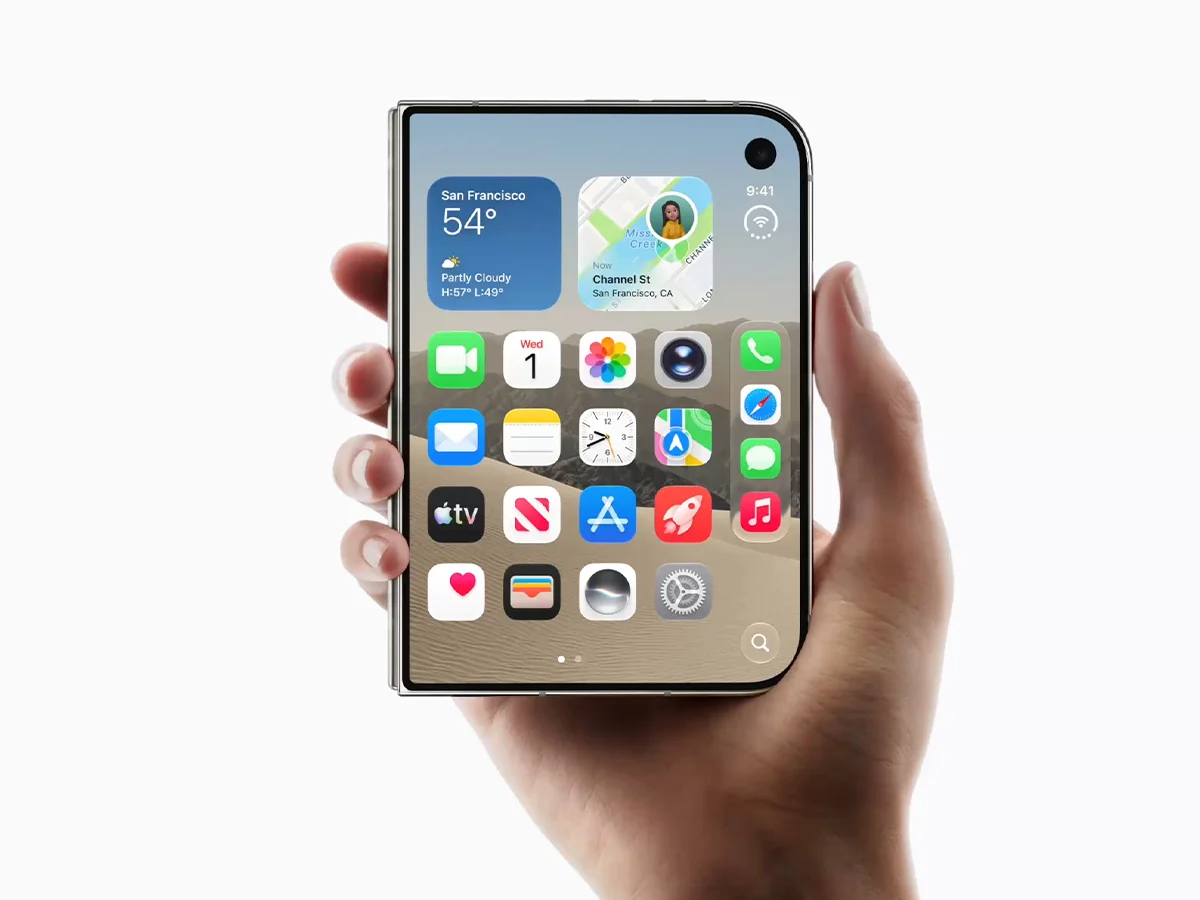
Apple has officially unveiled the iPhone Duo, a high-performance foldable smartphone that represents the most significant architectural shift in the company’s mobile lineup since the introduction of the iPhone X. Debuted at Apple Park, the iPhone Duo is positioned as a hybrid device, merging the portability of a traditional smartphone with the productivity capabilities of a tablet. Starting at AUD$3,499 (USD $1,999), the device signals Apple’s intent to dominate the premium foldable segment, a market previously led by competitors such as Samsung and Google. The iPhone Duo introduces a dual-screen ecosystem powered by the new A20 Pro processor, a sophisticated grade 5 titanium chassis, and a specialized version of iOS 27 designed specifically for foldable ergonomics.
Engineering Excellence: The Hinge and Chassis Construction
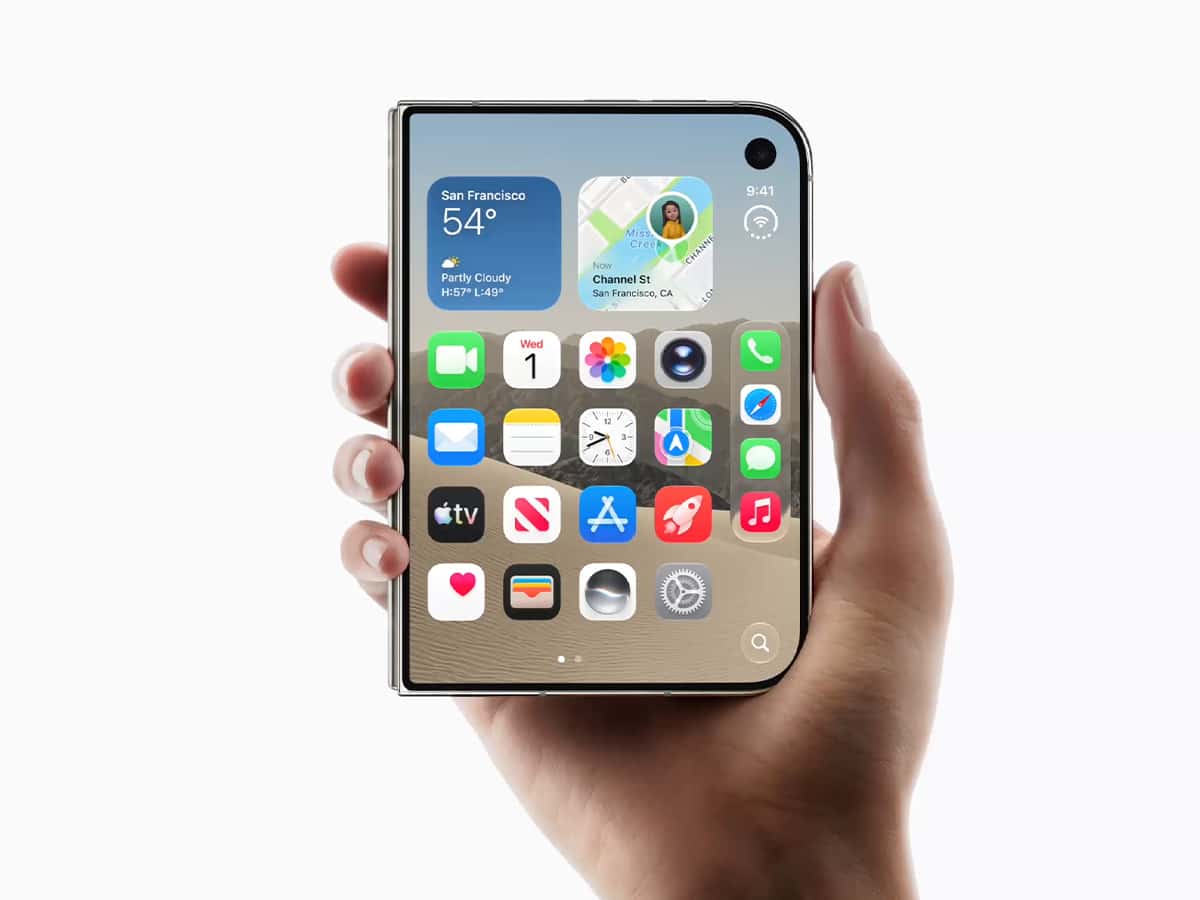
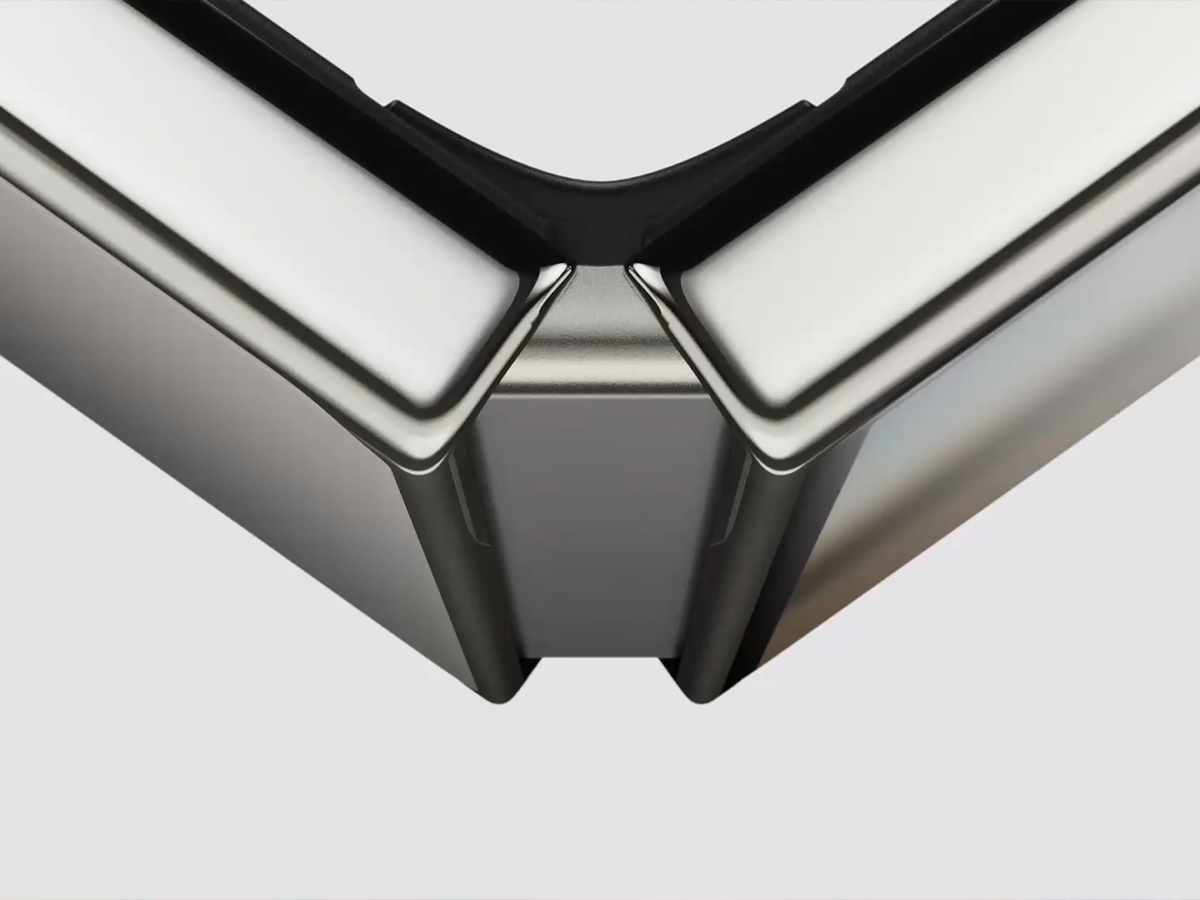
The physical architecture of the iPhone Duo centers on a highly advanced mechanical hinge system, which Apple engineers describe as utilizing a "custom variable-torque profile." This assembly is comprised of more than 100 precision-engineered components, including 3D-printed hinge covers and a carbon-fiber titanium support plate situated directly beneath the flexible panel. This plate is designed to actively absorb bending stress, ensuring that the 7.6-inch internal display remains flat and durable over years of use. The tolerances of this mechanical assembly are reportedly inspired by high-end horology, mirroring the precision found in luxury watch bracelet links.
The frame of the device is constructed from mirror-polished grade 5 titanium, a material chosen for its high strength-to-weight ratio. This choice allows the device to remain relatively thin—measuring 7.2 mm when unfolded—while maintaining the structural integrity required for a folding form factor. When closed, the device reaches a thickness of 14.5 mm, which, while thicker than a standard iPhone 18 Pro Max, is engineered to remain manageable for pocket transit. To further enhance the premium feel and functionality, Apple has applied a custom nano-texture finish to the primary display. This finish is specifically designed to minimize the visibility of the "crease" that has historically plagued foldable devices, while also reducing glare in high-intensity lighting environments.

Dual-Display Mechanics and Visual Fidelity
The iPhone Duo features a two-panel display system that prioritizes visual continuity. The exterior "cover" screen is a 5.4-inch Super Retina XDR display, intended for rapid, single-handed tasks such as responding to notifications or checking maps. Upon unfolding the device, users are greeted by a 7.6-inch flexible inner display. Both panels share an identical aspect ratio, a strategic design choice that ensures software and applications scale proportionally as the device transitions between open and closed states.
Both displays are capable of reaching a peak outdoor brightness of 3,000 nits, ensuring legibility under direct sunlight. They also support 120Hz ProMotion technology for fluid scrolling and responsiveness. For protection, the outer screen utilizes Ceramic Shield 2, while the inner folding layer employs a proprietary combination of high-strength glass and polymer. A notable departure from recent flagship models is the implementation of biometric security; the iPhone Duo utilizes a Touch ID sensor integrated into the side power button rather than Face ID, a necessity dictated by the ultra-thin bezels and the complexities of the folding display.
Performance and Thermal Management: The A20 Pro Chip
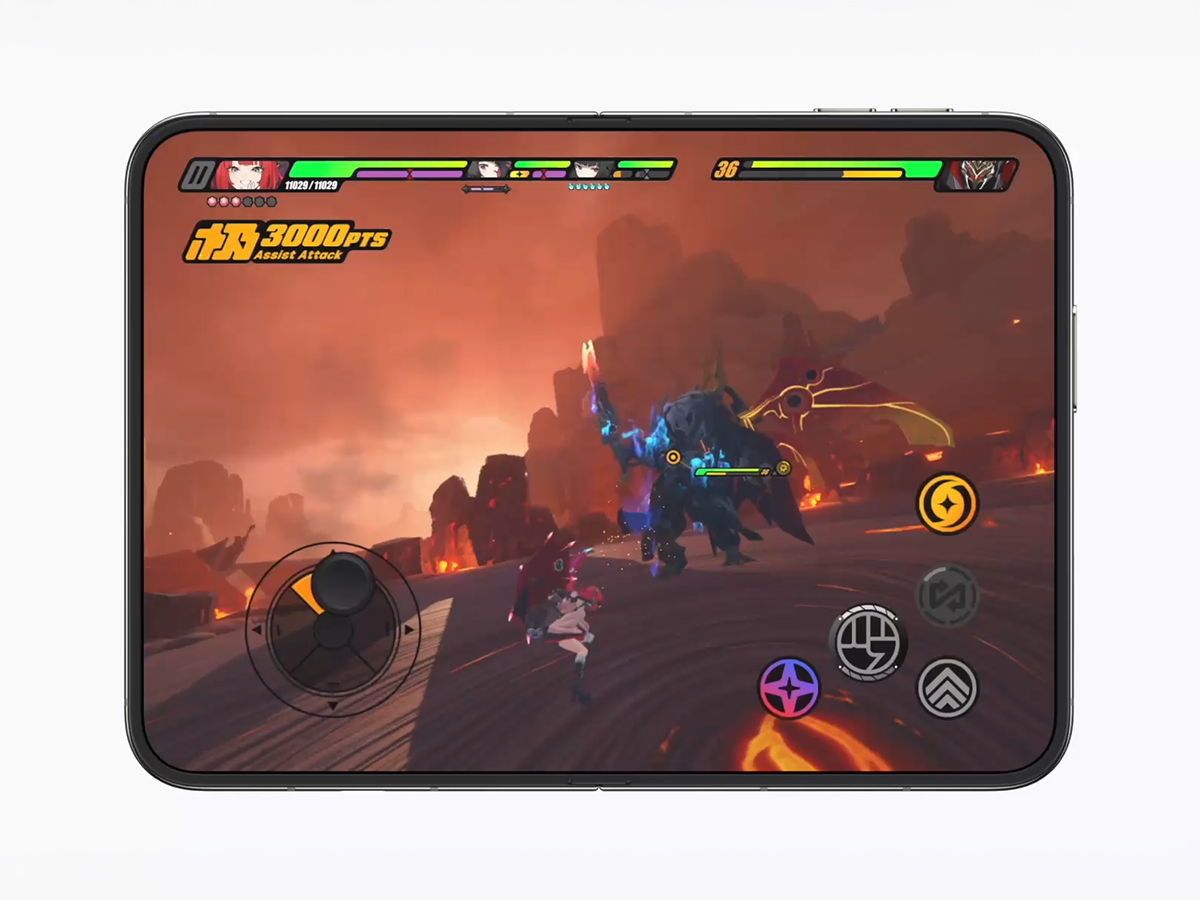
Under the hood, the iPhone Duo is powered by the A20 Pro silicon architecture. This chip features a 6-core CPU and a 7-core GPU, optimized for the high-intensity demands of driving two high-resolution displays simultaneously. To manage the thermal output of such a powerful processor within a thin, folding chassis, Apple has implemented a custom-designed vapor chamber. This cooling system dissipates heat across the expanded surface area of the frame, preventing thermal throttling during intensive tasks such as 4K video editing or high-end gaming.
The device also incorporates a dual-battery system, with cells distributed across both halves of the folding enclosure to maintain weight balance. This engineering allows for impressive longevity: users can expect up to 44 hours of video playback when using the outer screen and up to 31 hours on the larger internal canvas. Connectivity is managed by Apple’s proprietary C2 modem and N1 wireless chip, providing support for Wi-Fi 7, Bluetooth 6, and 5G networks. In a significant move for the Australian market, the iPhone Duo will be eSIM-only, removing the physical SIM tray entirely in favor of digital provisioning across all major carriers.
Software Innovation: iOS 27 and Apple Intelligence
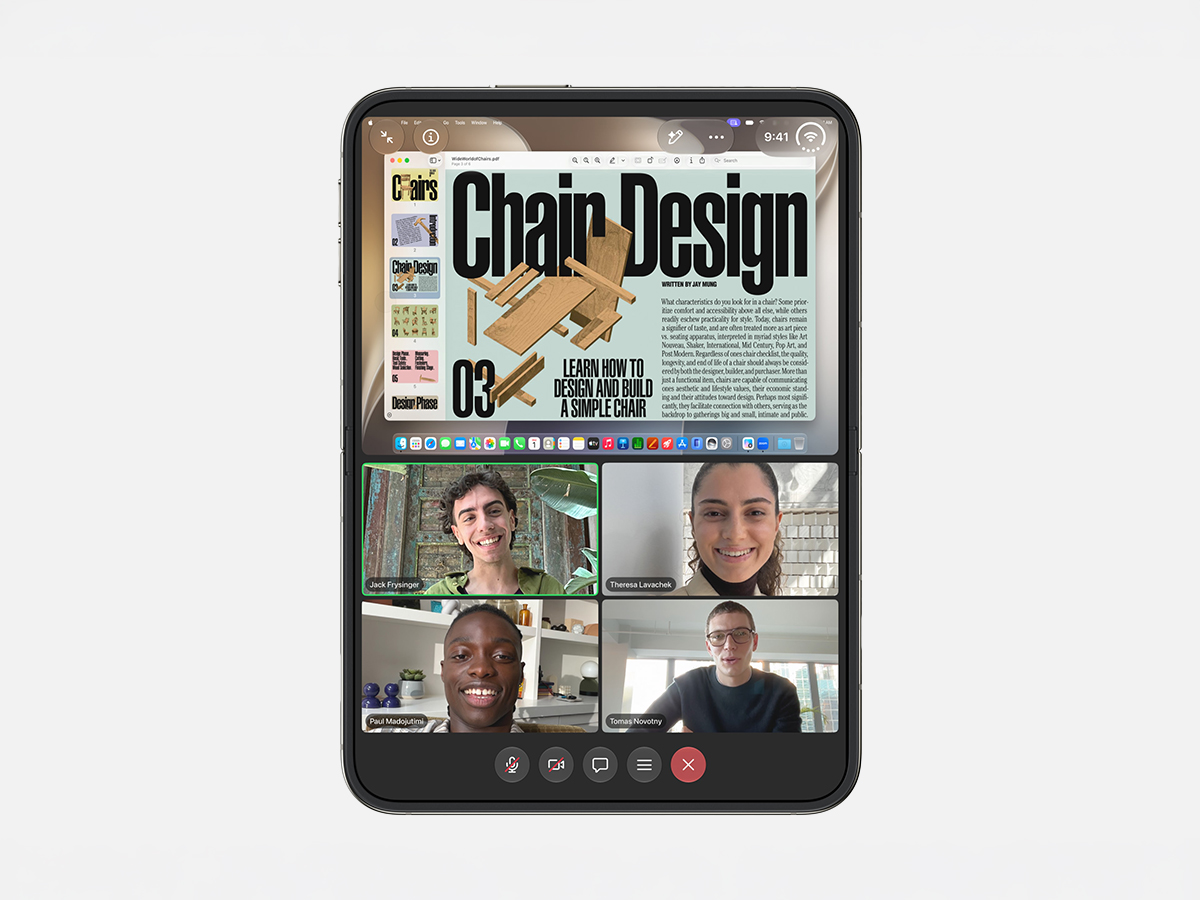
The iPhone Duo’s utility is heavily dependent on iOS 27, which introduces several features tailored to the foldable experience. A new "Split View" multitasking mode allows users to run two applications side-by-side on the 7.6-inch inner screen. For instance, a user can participate in a Microsoft Teams call on one half of the screen while editing a document on the other. "App Pairs" can be saved to the Home Screen, allowing for the simultaneous launch of two frequently used apps with a single tap.
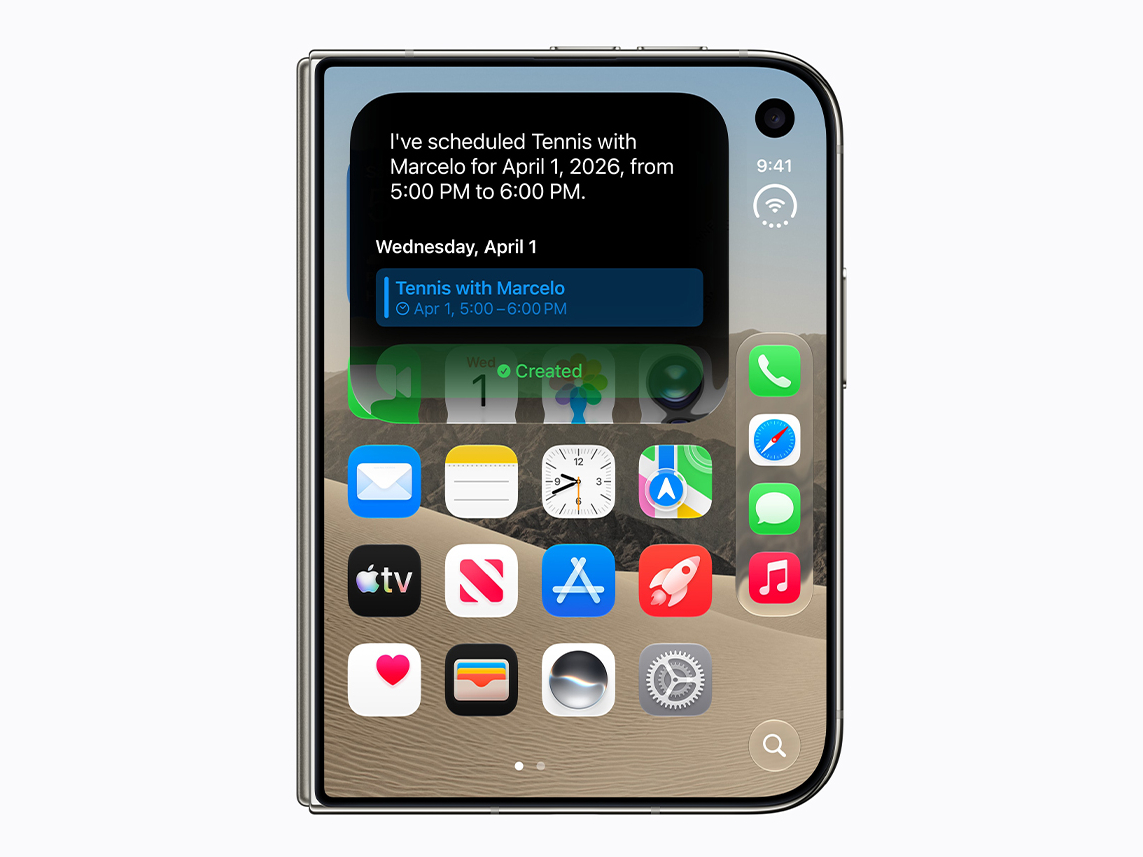
Apple Intelligence plays a central role in the user experience. The AI suite includes "Spatial Reframing" and "Image Playground," which leverage the dual 16-core Neural Engine to perform complex image manipulations on-device. Siri has also been overhauled with "onscreen awareness," allowing the assistant to take actions based on what is currently displayed on the screen. For example, if a user is looking at a restaurant reservation in an email, Siri can automatically add the event to the calendar and provide transit directions on the cover screen.
Advanced Imaging: The Dual Fusion Camera System
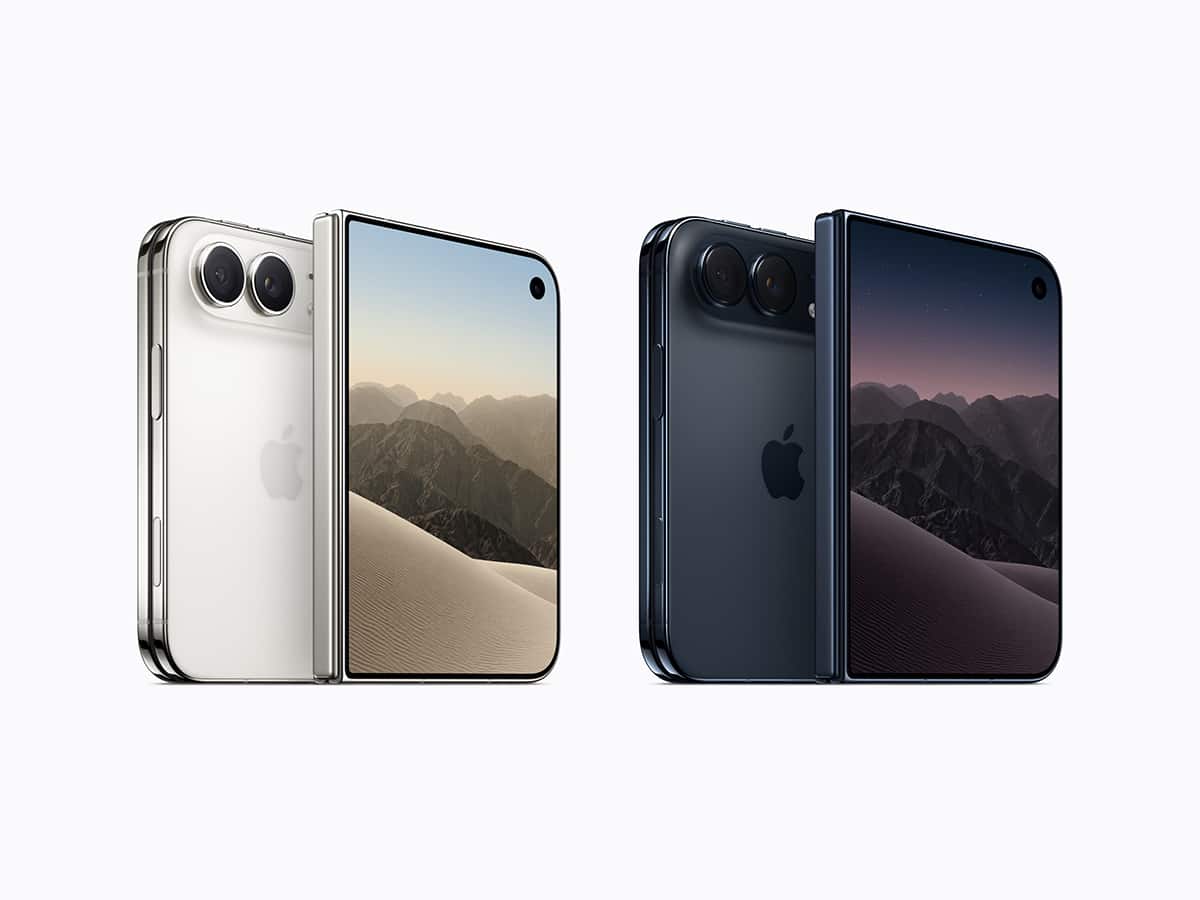
Despite the spatial constraints of a foldable chassis, the iPhone Duo features a dual 48-megapixel Fusion rear camera array. The primary sensor includes a 26mm lens with an ƒ/1.6 aperture and sensor-shift optical image stabilization. The second sensor is an Ultra Wide lens that also supports macro photography. While the device lacks the dedicated 5x optical telephoto lens found on the iPhone 18 Pro Max, it compensates with the "Dual-Screen Viewfinder" feature. This allows the subject of a photograph to see themselves on the outer cover screen while the photographer frames the shot on the inner display.
Video capabilities include 4K Dolby Vision at up to 120 fps and a new "Duo FaceTime" mode. In this mode, if the device is unfolded, the camera can track multiple people in a room, using the under-display FaceTime camera and the exterior Center Stage camera to ensure everyone is framed correctly for the recipient. For parents, a "Kid Cue" feature displays animations on the outer screen to capture a child’s attention during photo sessions.
Chronology of Release and Australian Pricing
The launch of the iPhone Duo follows years of industry speculation regarding Apple’s entry into the foldable market. Below is the confirmed timeline for the Australian rollout:
- Official Announcement: Early September (Apple Park Keynote)
- Pre-orders Commencement: Friday, 16 October at 11 p.m. AEST
- Retail and In-store Availability: Friday, 23 October
- Initial Software Support: iOS 27.0
The pricing structure reflects the device’s position as a luxury productivity tool, with the top-tier 2TB model approaching the price of a high-end MacBook Pro:

- 256GB: AUD$3,499
- 512GB: AUD$3,899
- 1TB: AUD$4,699
- 2TB: AUD$5,899
Available finishes at launch include "Star White" and "Night Sky," both of which feature the mirror-polished titanium frame.
Market Context and Strategic Implications
The introduction of the iPhone Duo is a calculated move by Apple to secure the top end of the smartphone market. While the foldable category currently represents a small fraction of total global smartphone sales, it is the fastest-growing segment in the premium tier. By entering the market now, Apple is leveraging a more mature supply chain for flexible OLED panels and hinge components, potentially avoiding the durability issues that hindered early foldable competitors.
Industry analysts suggest that the iPhone Duo is not intended to replace the iPhone 18 Pro Max for the average consumer, but rather to offer a "third category" of device for power users who find the iPad mini too large and the standard iPhone too small for professional workflows. The removal of the physical SIM card slot in Australia also signals Apple’s continued push toward a portless, fully digital hardware future.
However, the device is not without its trade-offs. The reliance on Touch ID over Face ID may be seen as a regression by some long-term users, and the 14.5 mm folded thickness represents a significant increase in bulk compared to traditional smartphones. Furthermore, the lack of a periscope telephoto lens may deter photography enthusiasts who prioritize long-range zoom.

Summary of Impact
The iPhone Duo is a testament to Apple’s ability to refine existing technologies into a cohesive, premium package. With its grade 5 titanium construction, A20 Pro silicon, and the multitasking prowess of iOS 27, it sets a new benchmark for what a foldable device can achieve. While the price point remains a significant barrier to entry, the Duo establishes a clear vision for the future of the iPhone—one where the boundary between communication tool and portable workstation is permanently blurred. As pre-orders begin this October, the tech industry will be watching closely to see if Apple’s "Duo" vision can turn the foldable niche into a mainstream standard.




 Yuyun Lusiyani
 Joko Widodo
 Jia Lissa
 Pevita Pearce
 admin
admin
