
 Lina Irawan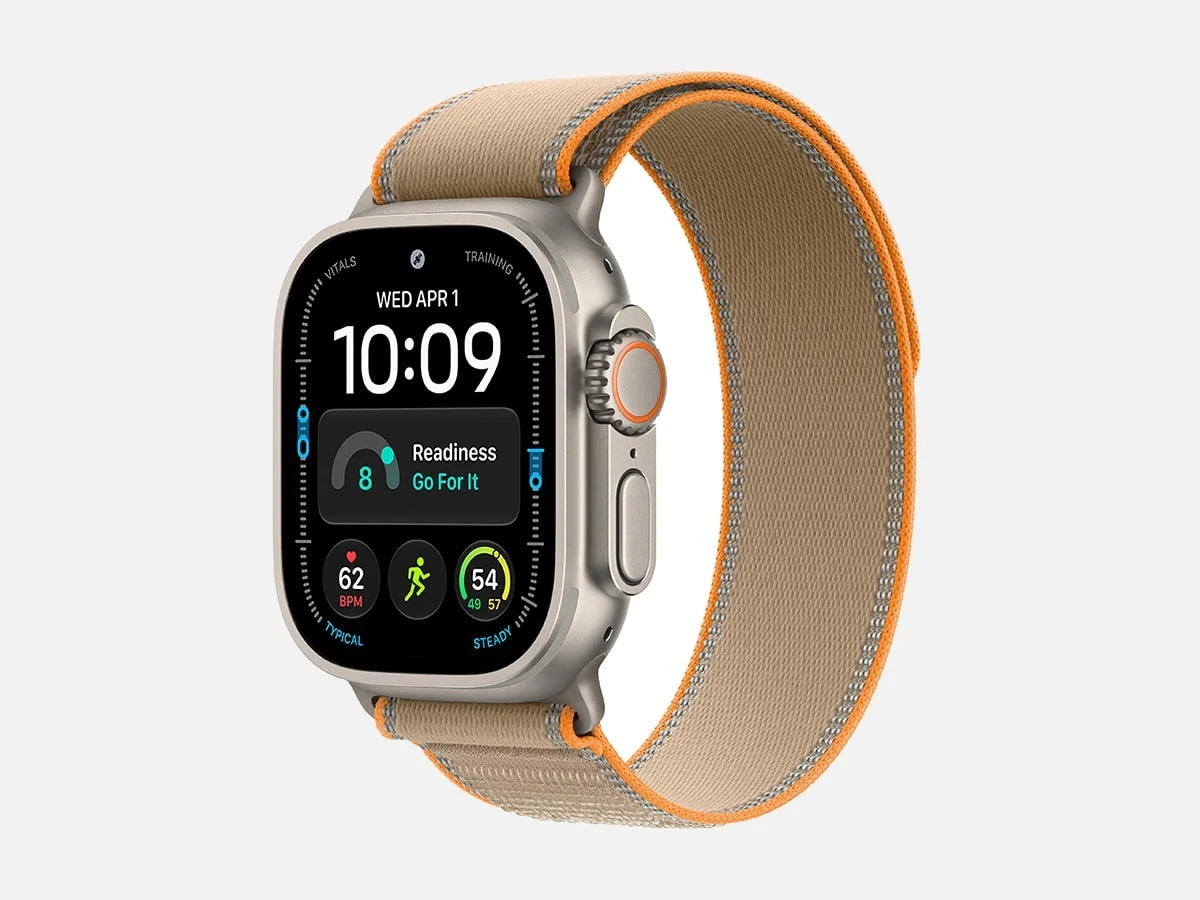
The flagship wearable introduces a suite of internal upgrades that prioritize continuous physiological monitoring and real-time audio processing. While the external chassis maintains the familiar 49 mm rugged aesthetic, the internal architecture has been overhauled to support 60-times more frequent heart rate sampling and a dedicated Secure Exclave for privacy-focused generative AI tools. With a starting price of AUD$1,399, the Apple Watch Ultra 4 is aimed at power users who require a future-proof device capable of managing both physical recovery and digital information density. General retail availability is scheduled to commence on Friday, September 18, following the initial pre-order window.
A Strategic Pivot in Wearable Silicon: The S11 Chip
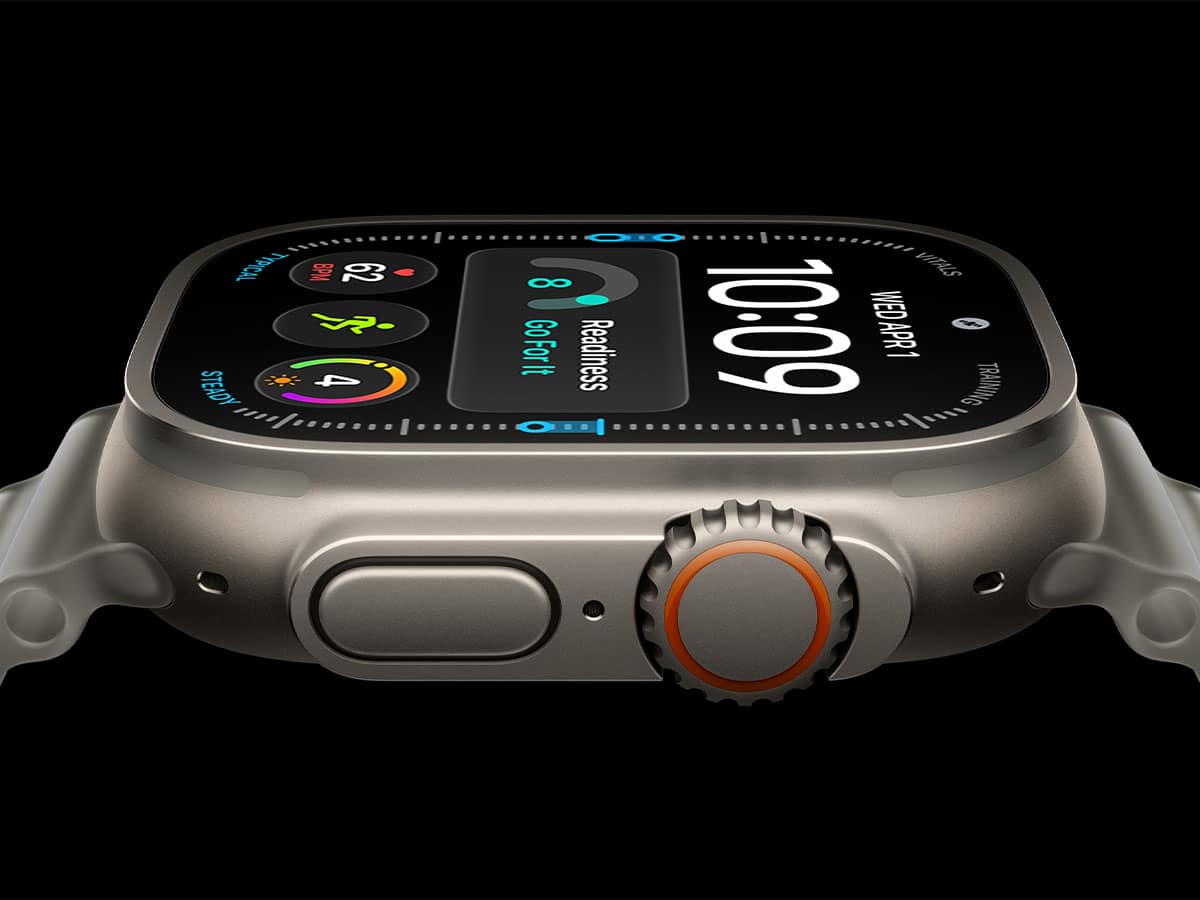
At the core of the Apple Watch Ultra 4 is the S11 chip, a processor that represents the most significant leap in wearable performance since the introduction of the original Ultra series. Derived from the A20 Pro architecture found in the latest iPhone 16 series, the S11 features a high-performance CPU with two efficiency cores, a boosted single-core GPU, and a quad-core Neural Engine. This hardware is specifically designed to handle the heavy computational load required by background machine learning models without compromising the device’s battery life.
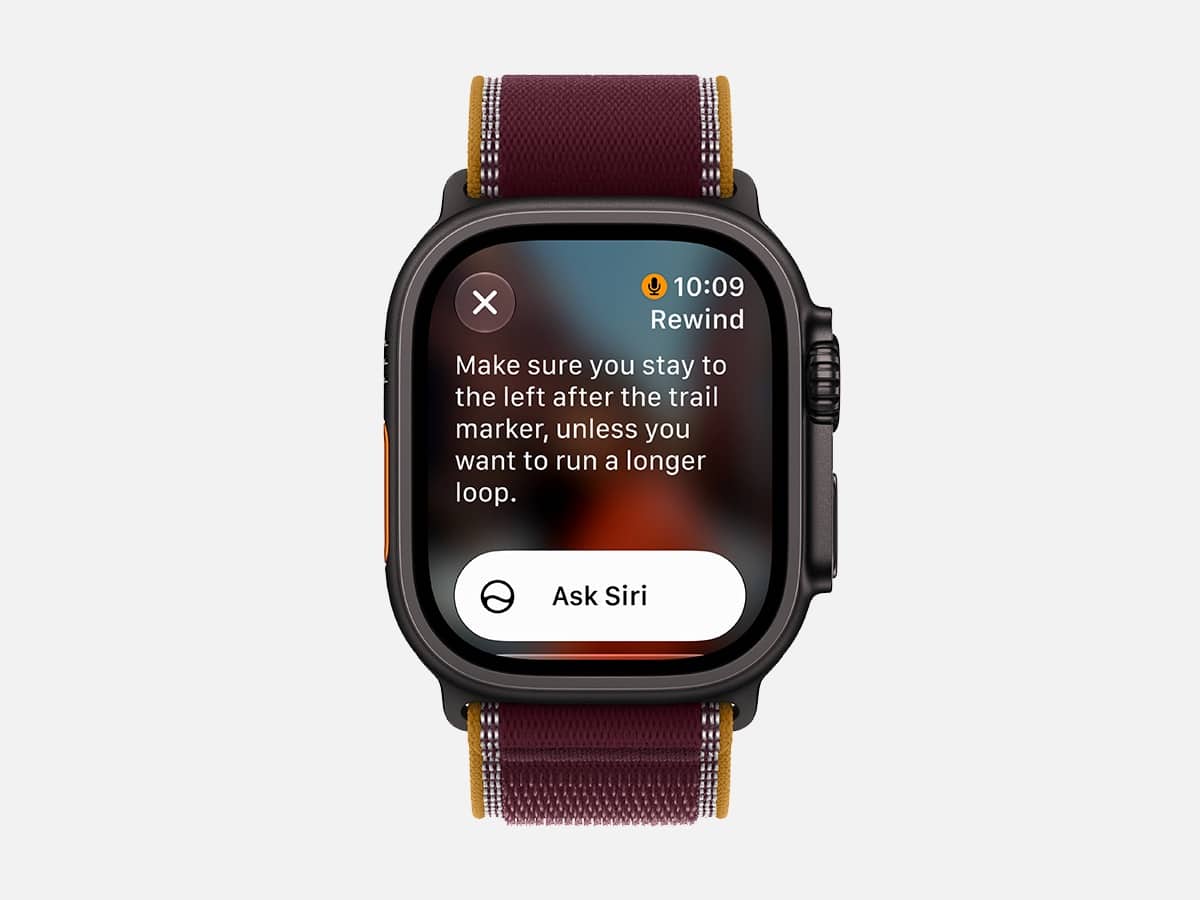
A critical addition to the S11 silicon is the Secure Exclave, a hardware-isolated compartment designed for processing sensitive audio data. This "exclave" operates independently of the main watchOS environment, ensuring that conversational audio used for upcoming features like Siri Recap and Live Rewind is processed entirely on-device. This architectural choice addresses long-standing industry criticisms regarding AI privacy, as the raw audio data is deleted immediately after processing and is never transmitted to Apple’s cloud servers. The S11 chip also facilitates a redesigned pedometer model, which uses new machine learning algorithms to maintain step-count accuracy even when the wearer’s arms are stationary, such as when pushing a stroller or carrying a heavy rucksack.

High-Fidelity Health Monitoring and the Readiness Ecosystem
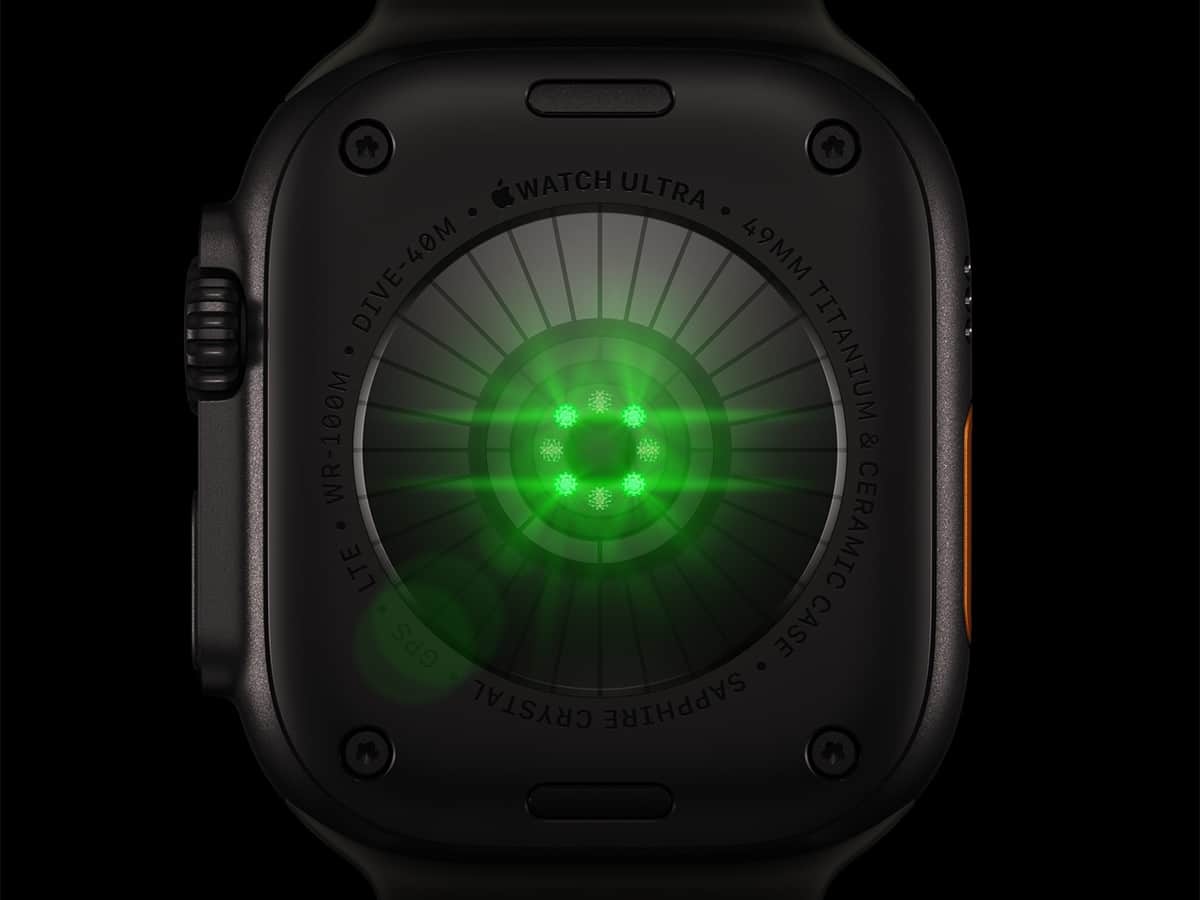
The Apple Watch Ultra 4 introduces a completely redesigned Health Sensing System, moving away from the intermittent sampling methods of previous generations. The new hardware architecture includes an increased electrode surface area for improved Electrocardiogram (ECG) accuracy, a new ring-based photodiode arrangement to capture light more efficiently, and larger, more power-efficient green LEDs.
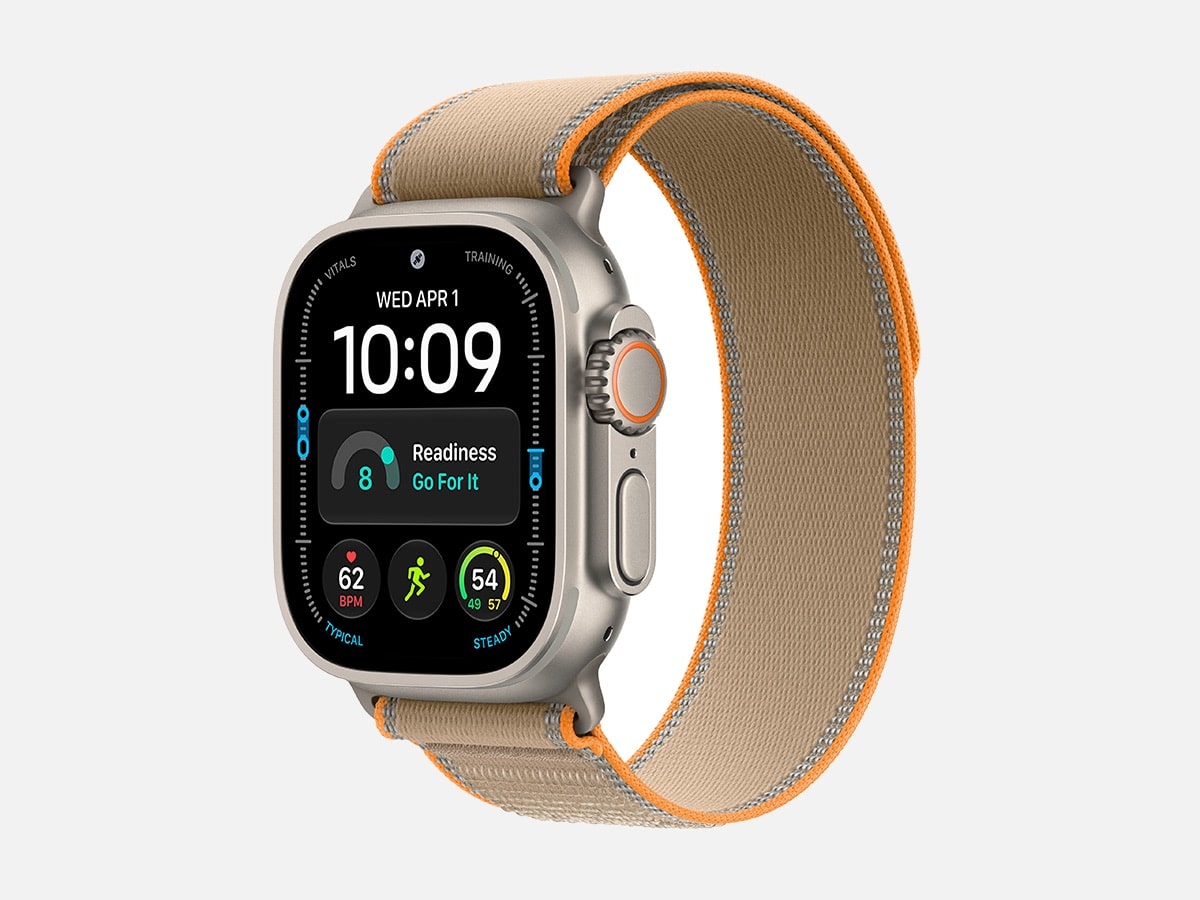
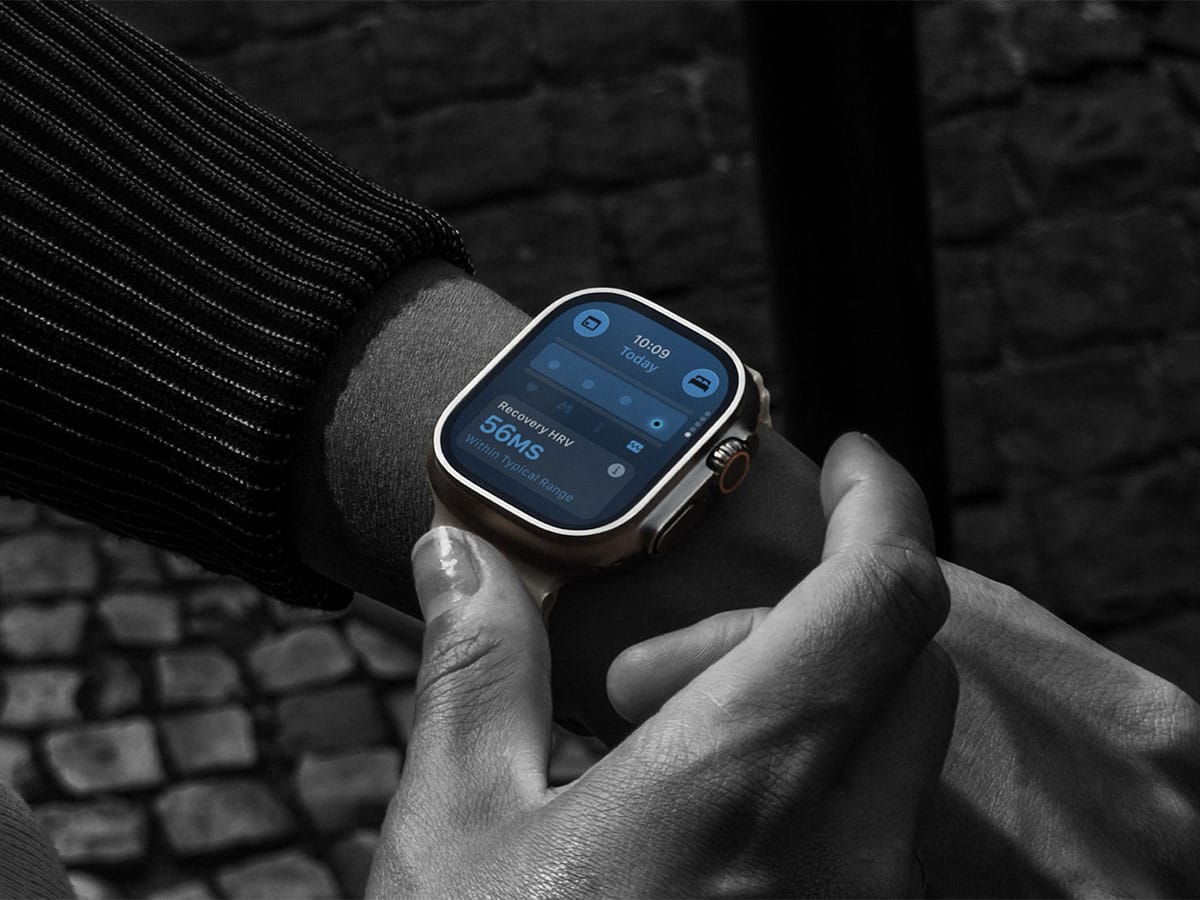
This hardware enables high-frequency background heart rate tracking, with the device now sharing a reading every five seconds throughout the day. In contrast, the previous Ultra 3 model sampled background heart rate approximately every five minutes while the user was stationary. This 60-fold increase in data frequency provides a significantly more granular view of a user’s daily caloric expenditure and cardiovascular strain, particularly during non-traditional physical activities like household chores or manual labor.
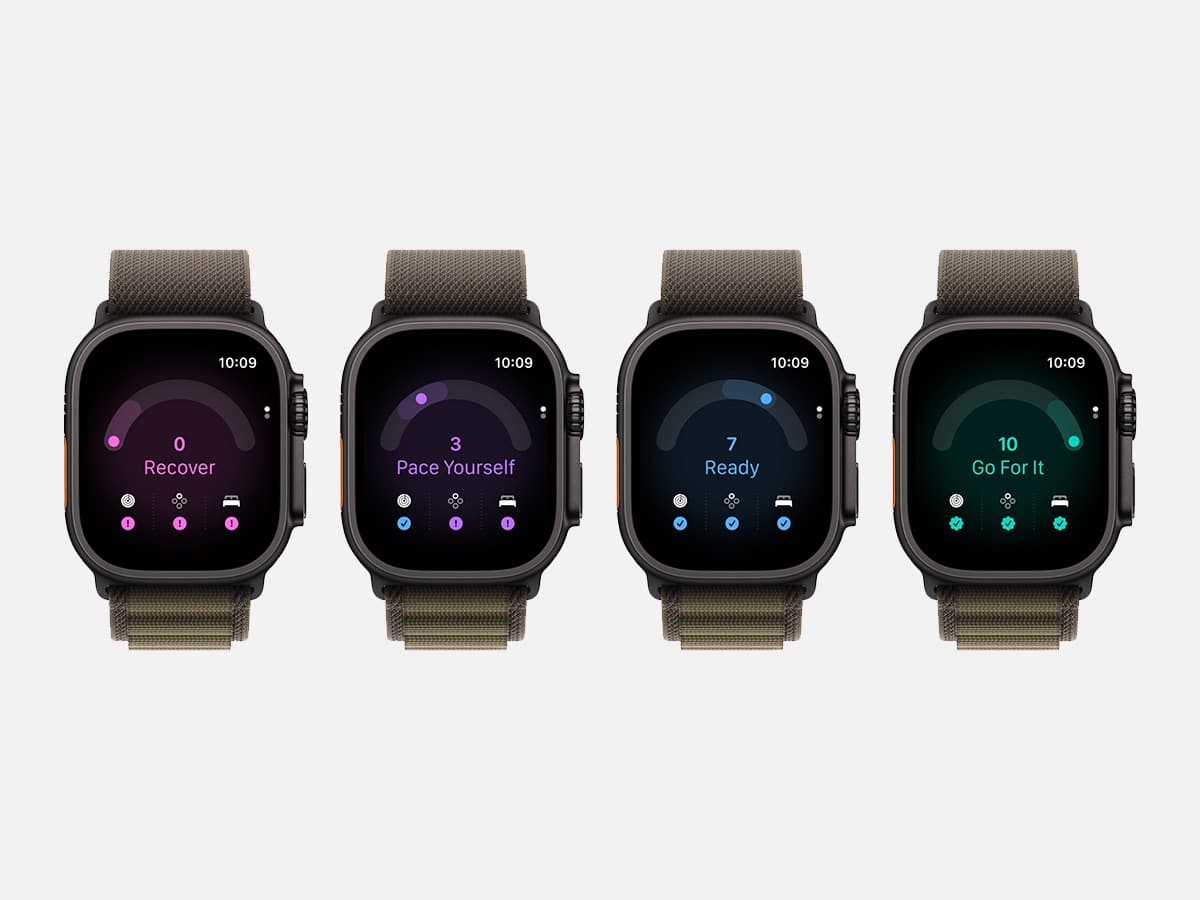
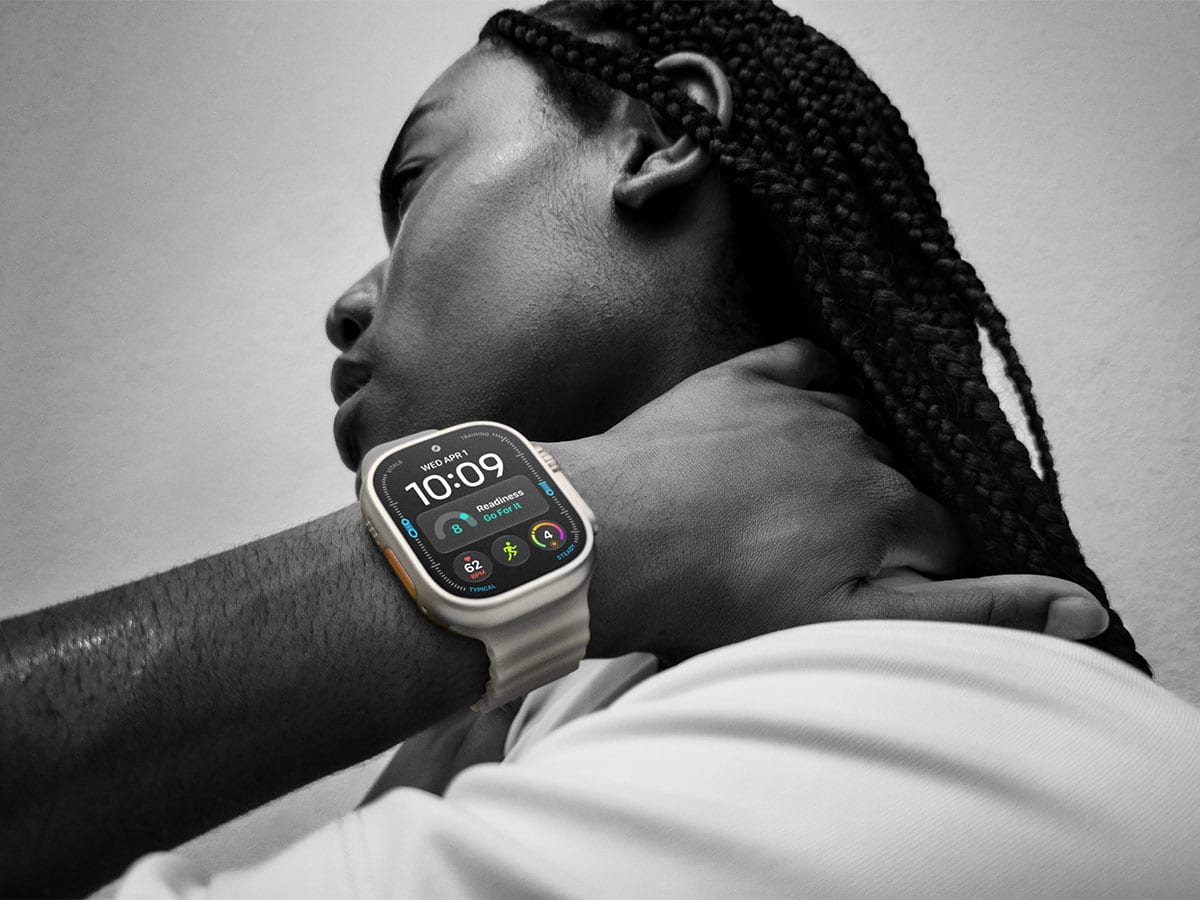
This wealth of data feeds into the new Readiness app, a feature that brings Apple into direct competition with specialized recovery trackers like the Oura Ring and Garmin’s "Body Battery." The Readiness app analyzes recent activity levels, sleep quality scores, and overnight vitals to generate a daily score from 0 to 10. This score is accompanied by actionable recommendations, such as "Recover," "Pace Yourself," or "Go For It," helping users decide how to balance their training load with their physiological recovery. Additionally, a new Daytime Vitals view allows users to monitor shifts in their health metrics in real-time, potentially identifying signs of illness or overtraining before they manifest in overnight data.
Ambient AI and the Future of Audio Intelligence
The Apple Watch Ultra 4 is the primary vehicle for Apple’s new "Audio Intelligence" suite, though several flagship features are slated for a phased rollout. The device is designed to act as an ambient digital assistant, utilizing its microphone array and the S11’s Neural Engine to summarize and recall real-world interactions.
The upcoming "Live Rewind" feature will allow users to double-click the Digital Crown to instantly recall the last 15 seconds of a conversation. To maintain transparency and privacy, the watch will trigger a mandatory audible chime and a full-screen animation to alert all parties that a recall has been initiated. Furthermore, "Siri Recap" will utilize Apple Intelligence to generate summaries of a user’s daily conversations, helping to manage digital and social overload.
These features are expected to launch in beta in late 2026. It is important to note that these AI capabilities will require a paired Apple Intelligence-enabled iPhone 16 or later and will initially be restricted to the English language. Due to ongoing regulatory discussions, these specific audio intelligence features will not be available in the European Union at launch.
Battery Performance and Fast-Charging Benchmarks
Despite the increased computational demands of the S11 chip and high-frequency health sensors, the Apple Watch Ultra 4 sets a new standard for battery longevity within the Apple ecosystem. The device delivers up to 50 hours of standard use, which includes continuous heart rate monitoring, sleep tracking, and cellular connectivity. For users requiring maximum endurance, the Low Power Mode extends this duration to 84 hours.
For outdoor enthusiasts and endurance athletes, the Ultra 4 provides up to 18 hours of continuous outdoor workout tracking with full GPS and heart rate sensing active. Charging performance has also been optimized; when using a compatible USB-C power adapter, a 15-minute charge can provide up to 18 hours of additional battery life. This rapid "top-up" capability is designed to minimize downtime for users who wear the device 24/7 for comprehensive health and sleep tracking.
Materials, Sustainability, and Industrial Design
While the 49 mm titanium silhouette remains consistent with previous models, the manufacturing process for the Ultra 4 has been updated to reflect Apple’s "Apple 2030" carbon-neutral goals. The case is now 3D-printed using 100 percent recycled titanium, and the battery is manufactured with 100 percent recycled cobalt. By weight, the device is composed of 45 percent recycled materials.
The ergonomic profile of the Ultra 4 remains a point of consideration for potential buyers. The large titanium case is designed for durability and visibility in extreme conditions, but its substantial footprint may still feel cumbersome for users with smaller wrists. To mitigate this, Apple has expanded its band ecosystem, introducing the Titanium Milanese Loop—a lightweight, corrosion-resistant band suitable for both formal wear and scuba diving. Additionally, the luxury-focused Hermès Grand H Titane band features an integrated extension system, allowing the watch to be worn over a wetsuit.
Chronology of the Ultra Series and Market Positioning
The evolution of the Apple Watch Ultra series highlights Apple’s shifting focus from a general-purpose smartwatch to a specialized tool for high-performance users:
- 2022 (Ultra 1): Introduced the 49 mm titanium case and 36-hour battery life, targeting the rugged outdoor market.
- 2023-2024 (Ultra 2 & 3): Focused on display brightness (3,000 nits) and incremental chip upgrades (S9/S10).
- 2026 (Ultra 4): The pivot to high-frequency sensing and generative AI, moving beyond sports into "ambient intelligence."
In the current market, the Ultra 4 competes directly with the Garmin Forerunner 970 and the Oura Ring 5. While Garmin remains the leader in hyper-specific mapping and multi-week battery life, Apple is betting that its superior ecosystem integration and new high-frequency health data will attract users who want a single device for both professional productivity and athletic performance.
Industry Impact and Broader Implications
The release of the Apple Watch Ultra 4 is a signal to the wearable industry that the "spec war" has moved from screen brightness and case materials to the frequency and utility of data. By sampling heart rate every five seconds, Apple is moving closer to the capabilities of medical-grade chest straps, making the Ultra 4 a viable tool for serious metabolic and cardiovascular tracking.
Furthermore, the introduction of the Secure Exclave for on-device AI processing sets a new privacy benchmark for the industry. As competitors rush to integrate generative AI into wearables, Apple’s hardware-level isolation of audio data provides a blueprint for how to offer "smart" features without compromising user trust. The success of the Ultra 4 will likely be measured by how effectively it transitions from a reactive notifications hub to a proactive assistant that can summarize a meeting or suggest a recovery day with equal precision.

Official Pricing and Local Availability
The Apple Watch Ultra 4 is available in two primary finishes: Black and Natural titanium. In the Australian market, the pricing is structured as follows:
- Apple Watch Ultra 4 (Standard Bands): AUD$1,399
- Apple Watch Ultra 4 (Titanium Milanese Loop): AUD$1,549
- Apple Watch Ultra 4 (Hermès Grand H Titane): AUD$2,499
Pre-orders are currently open via the Apple Store and authorized retailers, with the official launch and shipping beginning on September 18. The device requires an iPhone Xs or later running iOS 18 or watchOS 27, though the advanced AI features will specifically require the iPhone 16 series or newer hardware.




 Yuyun Lusiyani
 Joko Widodo
 Jia Lissa
 Pevita Pearce
 admin
admin
