
 Jia Lissa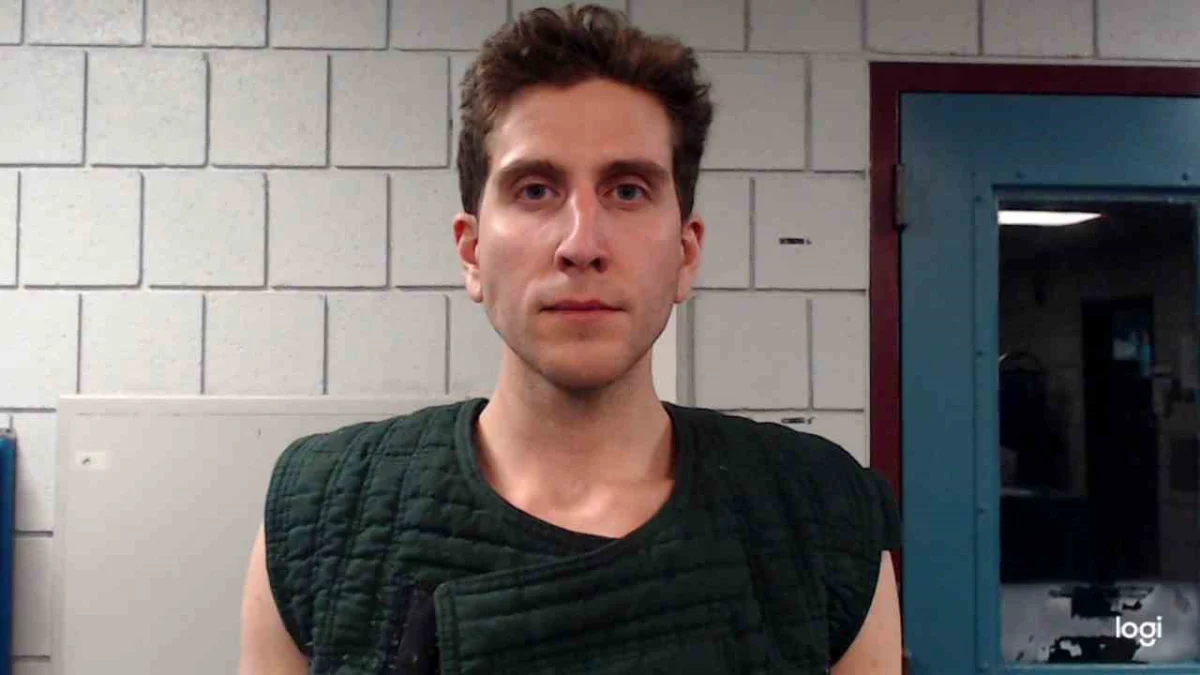
Bryan Kohberger, the former criminology graduate student previously convicted in the high-profile stabbing deaths of four University of Idaho students, has launched a formal legal challenge to vacate his conviction. According to reports first published by The New York Times, Kohberger is seeking to withdraw his guilty plea and is requesting a new trial, alleging that his previous legal strategy was compromised by "misleading circumstances" and "false promises." This move marks the first time Kohberger has spoken publicly since the conclusion of the proceedings that saw him sentenced for one of the most harrowing crimes in recent American history.
In a statement provided to the media, Kohberger maintained that his decision to enter a plea was not a reflection of guilt but rather the result of a fractured defense and misinformation. “My actual innocence is my truth, and the plea, hinged on by false promises and blatant disinformation, MUST be withdrawn,” Kohberger stated. He further asserted an “absolute claim of innocence,” a stance that contradicts the formal admission of guilt typically required for a plea deal to be finalized in a court of law.
The legal maneuver has sent shockwaves through the Moscow, Idaho, community and the legal world at large. Legal experts note that post-conviction challenges, particularly those seeking to rescind a voluntary plea, face a high evidentiary bar. Generally, such motions must prove that the defendant was coerced, received ineffective assistance of counsel, or that new, exculpatory evidence has emerged that was previously unavailable.
Background of the 1122 King Road Murders
The case began in the early morning hours of November 13, 2022, in the quiet college town of Moscow, Idaho. Four students—Kaylee Goncalves, 21; Madison Mogen, 21; Xana Kernodle, 20; and Kernodle’s boyfriend, Ethan Chapin, 20—were discovered stabbed to death in an off-campus rental home on King Road. The brutality of the crime and the initial lack of a suspect created a vacuum of fear and speculation that gripped the nation for weeks.
For nearly seven weeks, the Moscow Police Department, supported by the Idaho State Police and the FBI, conducted an exhaustive investigation. The breakthrough came through a combination of traditional detective work and advanced forensic technology. Investigators identified a white Hyundai Elantra seen in the vicinity of the crime scene and utilized cellular tower data to track movements consistent with the suspect’s vehicle. However, the most definitive link was the recovery of DNA from a tan leather knife sheath found at the scene, resting next to one of the victims.
Bryan Kohberger, then a Ph.D. student in criminology at Washington State University in nearby Pullman, was arrested on December 30, 2022, at his parents’ home in Albrightsville, Pennsylvania. The arrest followed a cross-country drive Kohberger took with his father, during which law enforcement maintained constant surveillance.
The Evidence and the Path to Conviction
The prosecution’s case against Kohberger was built on a foundation of forensic and circumstantial evidence. Court documents unsealed early in the proceedings revealed that a search of Kohberger’s apartment and office at Washington State University yielded items of significant interest, including "a number" of possessions that tested positive for the presence of blood.
Furthermore, investigators utilized genetic genealogy to link the DNA on the knife sheath to Kohberger. By comparing the profile found at the crime scene with DNA recovered from trash at the Kohberger family residence in Pennsylvania, authorities established a high statistical probability of a match. This, combined with cell phone records showing Kohberger’s device pinging towers near the King Road residence on multiple occasions in the months leading up to the murders, painted a picture of a suspect who may have been stalking the victims.
Despite the weight of the evidence, the legal process was protracted. The transition from the initial arrest to a conviction involved complex pre-trial motions regarding the use of investigative genetic genealogy and the defense’s attempts to challenge the grand jury indictment. The eventual guilty plea, which Kohberger now seeks to invalidate, was viewed at the time as a resolution that would spare the families the trauma of a lengthy, televised trial while ensuring the defendant remained incarcerated.
Victim Impact and Family Responses
The families of the four victims have remained vocal throughout the legal process, advocating for justice and honoring the memories of their children. The news of Kohberger’s attempt to withdraw his plea has been met with renewed anguish and resolve from the victims’ loved ones.

During the original proceedings, Alivea Goncalves, the sister of Kaylee Goncalves, delivered a blistering impact statement that resonated deeply with the public. Addressing Kohberger directly, she refused to grant him the satisfaction of seeing her grief as a sign of weakness.
“I’m not here today to speak in grief, I’m here to speak in truth,” Goncalves said during the hearing. “Because the truth is, my sister Kaylee and her best friend Maddie were not yours to take. They were not yours to study, to stalk, or to silence. They were two pieces of a whole, the perfect yin and yang. They are everything you could never be: loved, accepted, vibrant, accomplished, brave, and powerful.”
Her statement characterized Kohberger not as a misunderstood academic, but as a "sociopath, psychopath, and murderer." The families have consistently expressed that any attempt by Kohberger to prolong the legal battle is a calculated move to maintain a sense of control and "feed the beast" of his own ego.
Analysis of the Legal Challenge
The attempt to withdraw a guilty plea post-sentencing is a rare and difficult legal hurdle. Under Idaho law, a defendant must demonstrate a "manifest injustice" to justify the withdrawal of a plea after a sentence has been imposed.
Kohberger’s claim hinges on the assertion that his plea was "hinged on by false promises and blatant disinformation." This suggests a strategy focused on "ineffective assistance of counsel," arguing that his defense team failed to properly advise him or misled him regarding the consequences of the plea and the strength of the state’s evidence.
However, the bar for proving such claims is exceptionally high. The court will likely review the "plea colloquy"—the recorded conversation between the judge and the defendant at the time of the plea—to determine if Kohberger affirmed, under oath, that he understood the charges, the evidence, and that his plea was made voluntarily without coercion. If the record shows that Kohberger acknowledged his guilt and expressed satisfaction with his legal representation at that time, his current claims of "misleading circumstances" will be difficult to substantiate.
Timeline of Key Events
- November 13, 2022: Kaylee Goncalves, Madison Mogen, Xana Kernodle, and Ethan Chapin are found murdered at 1122 King Road in Moscow, Idaho.
- November – December 2022: Law enforcement conducts a massive investigation, identifying a white Hyundai Elantra as a vehicle of interest.
- December 30, 2022: Bryan Kohberger is arrested in Monroe County, Pennsylvania, and charged with four counts of first-degree murder and one count of felony burglary.
- January 2023: Kohberger is extradited to Idaho. Search warrants reveal the discovery of blood on items in his possession.
- May 2023: A grand jury indicts Kohberger on all charges. During his arraignment, the judge enters a "not guilty" plea on his behalf after he remains silent.
- Late 2023 – 2025: Legal maneuvering continues, eventually leading to a change in plea as part of a negotiated settlement (as per the context of the current report).
- July 2026: Bryan Kohberger issues a statement to The New York Times seeking to withdraw his plea, claiming "actual innocence" and alleging disinformation.
Broader Implications and Public Perception
The Kohberger case has become a touchstone for discussions regarding the intersection of forensic technology and privacy, the influence of true-crime media on judicial proceedings, and the safety of university environments.
For the University of Idaho and the town of Moscow, the case has been a period of profound healing and transformation. The house on King Road where the murders occurred was demolished in December 2023, a move intended to remove a physical reminder of the tragedy and allow the community to move forward. The university has also established a memorial garden to honor the victims.
Kohberger’s latest legal move threatens to reopen these wounds. From a journalistic perspective, the case highlights the tension between a defendant’s right to exhaustive legal recourse and the victims’ right to finality. Should the court grant a hearing on Kohberger’s motion, it could lead to the unsealing of further evidence or the testimony of his former legal counsel, potentially extending the media circus that has surrounded the case since its inception.
As the legal system processes this latest filing, the focus remains on the standard of proof required to overturn a conviction. While Kohberger asserts his "absolute claim of innocence," the judicial system relies on the record of evidence—the DNA, the digital footprints, and the forensic trails—that led to his initial conviction. Whether his claims of "disinformation" can overcome the physical evidence presented by the state remains a question that only the Idaho court system can answer. For now, the families of the victims and the residents of Moscow must wait once again for a final resolution to a case that has already taken so much.


 Yuyun Lusiyani
 Joko Widodo
 Pevita Pearce
 admin
admin
