
 Lina Irawan
The 2026 edition of Watches and Wonders Geneva has once again served as the global stage for Cartier to demonstrate its dual mastery of aesthetic daring and technical precision. As the Maison approaches nearly 180 years of history, its latest collection of novelties reflects a sophisticated strategy of "controlled evolution," where historical silhouettes are reimagined through the lens of modern material science and mechanical refinement. The centerpiece of this year’s presentation is the Cartier Privé Tenth Opus, a collection that pays homage to the brand’s most daring shapes, alongside a significant revival of the Roadster line and high-jewelry interpretations of the iconic Santos-Dumont.

The Strategic Significance of Watches and Wonders 2026
Watches and Wonders has solidified its position as the premier event for the global luxury watch industry, attracting over 50,000 visitors and hundreds of millions in digital reach. For Cartier, the event is more than a trade show; it is a declaration of market intent. Industry analysts note that Cartier has seen a significant resurgence in "shaped" watches—timepieces that deviate from the traditional round case—which now account for a growing segment of the secondary and collector markets. By focusing on the Privé collection and the Roadster, Cartier is directly addressing the "New Vintage" trend that has dominated luxury horology over the last 24 months.

Cartier Privé: The Tenth Opus and the Celebration of Form
Since its inception in 2015, the Cartier Privé series has served as a laboratory for the Maison’s "Collectionneurs" segment, releasing highly limited, numbered editions of historic designs. The Tenth Opus, unveiled this week, focuses on three pillars of Cartier’s design legacy: the Tortue, the Crash, and the Tank Normale.
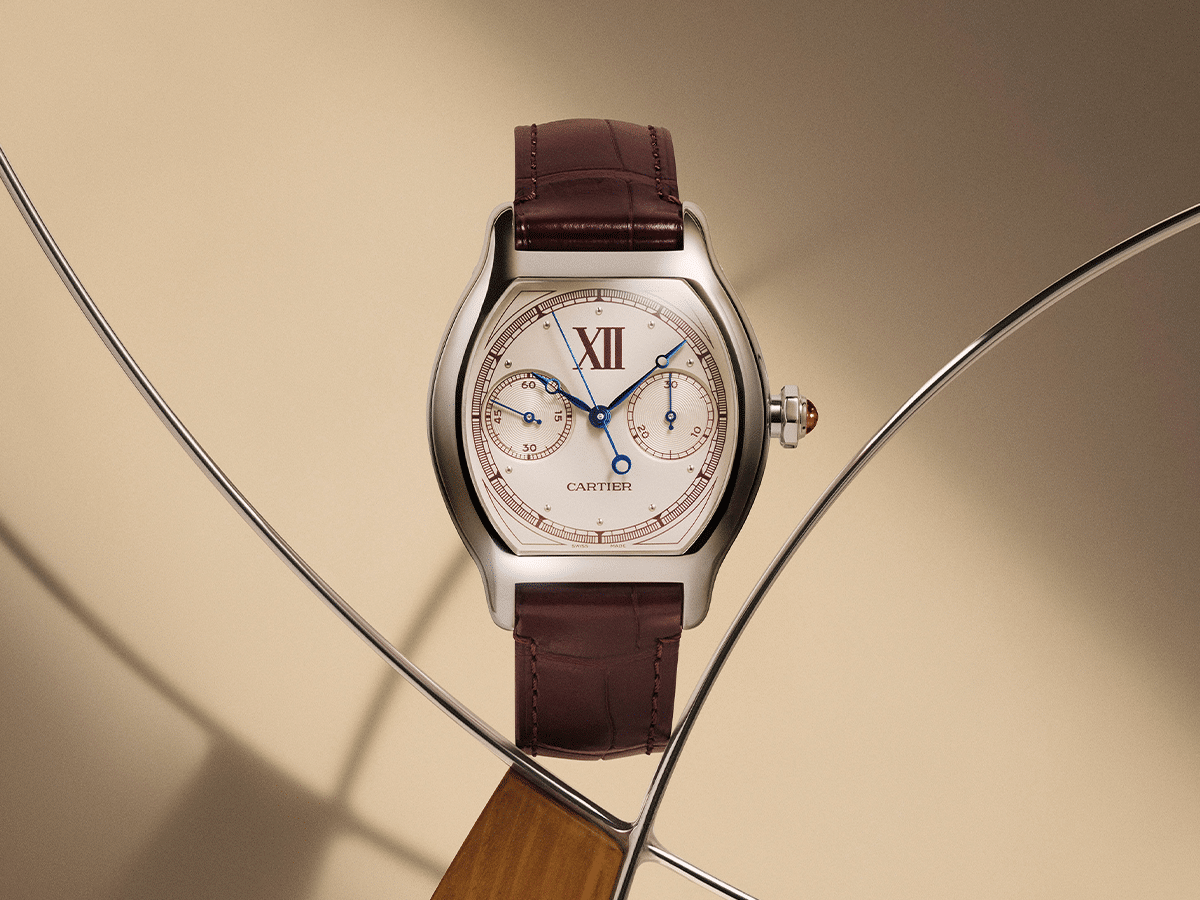
The Tortue Chronographe Monopoussoir leads the trio, serving as a contemporary reinterpretation of a 1998 model from the Collection Privée Cartier Paris (CPCP). The "monopoussoir" (single-pusher) chronograph is a complication that exemplifies Cartier’s ability to hide technical complexity behind elegant simplicity. This model is rendered in platinum, a material Cartier has championed since the early 20th century, paired with a deep burgundy color palette that extends from the leather strap to the subtle dial accents.
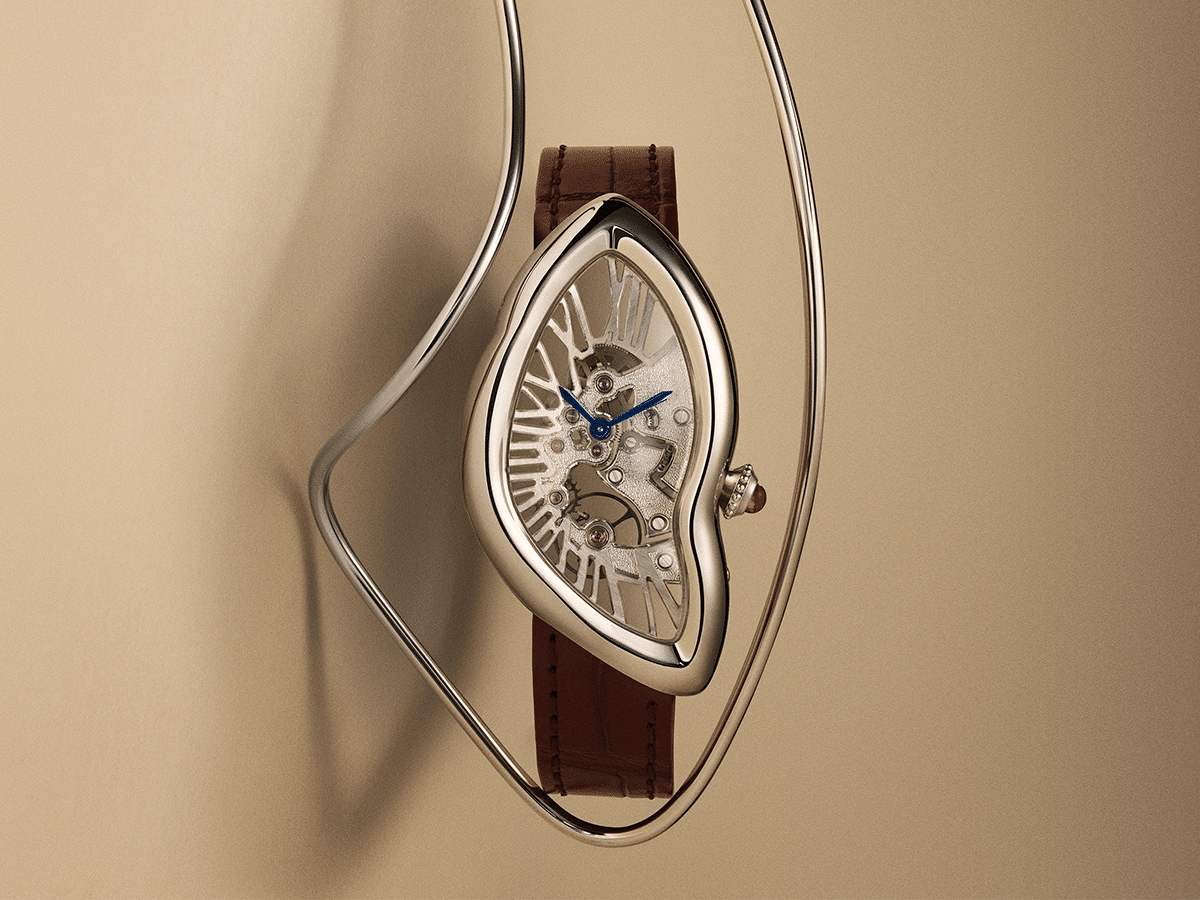
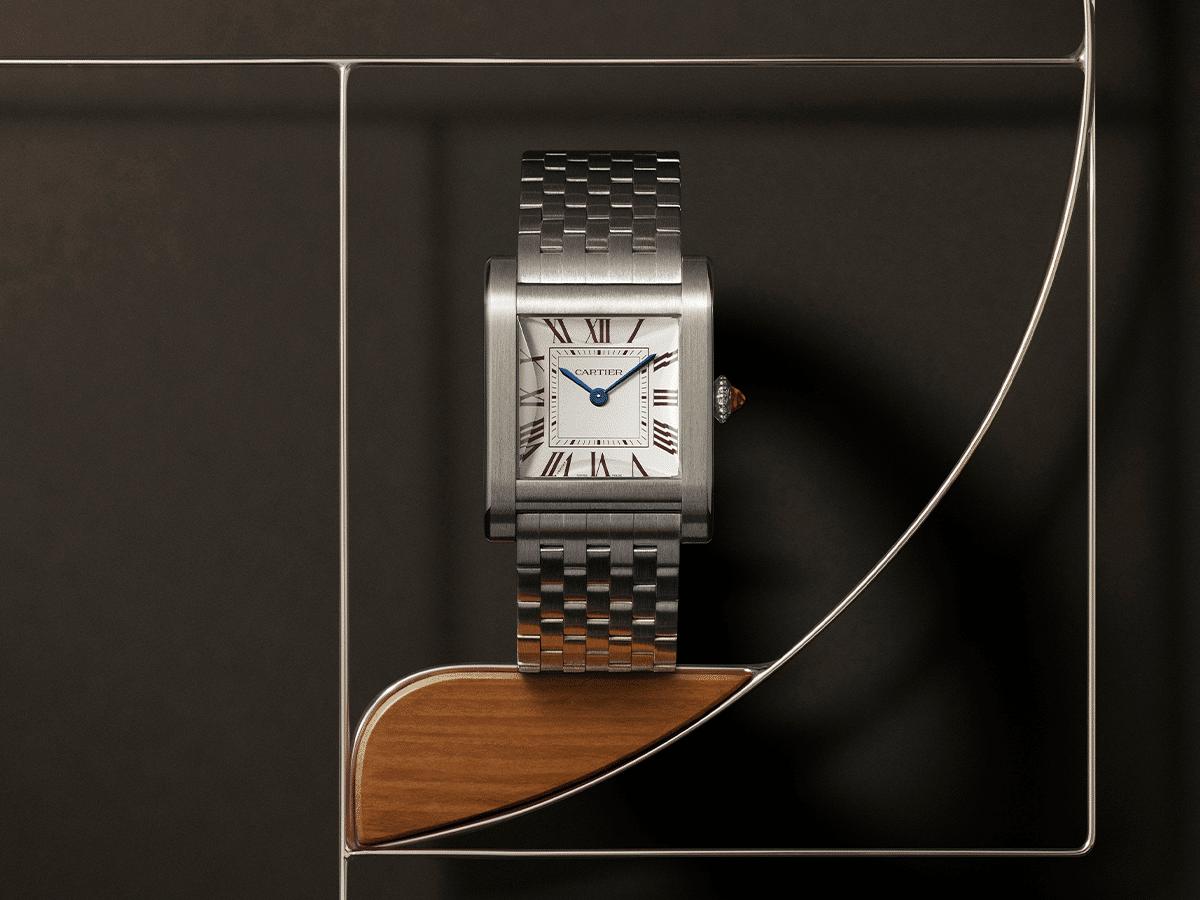
The Crash Squelette continues the legacy of the "Swinging London" era of 1967. This skeletonized version allows for a full view of the manually wound movement, which has been meticulously shaped to fit the distorted, asymmetrical case. Completing the Tenth Opus is the Tank Normale. Based on the 1934 design, this iteration features a seven-row platinum bracelet and a silvered opaline dial, representing the pinnacle of Cartier’s "form follows function" philosophy.
La Collection: The Return of Radiant Yellow Gold
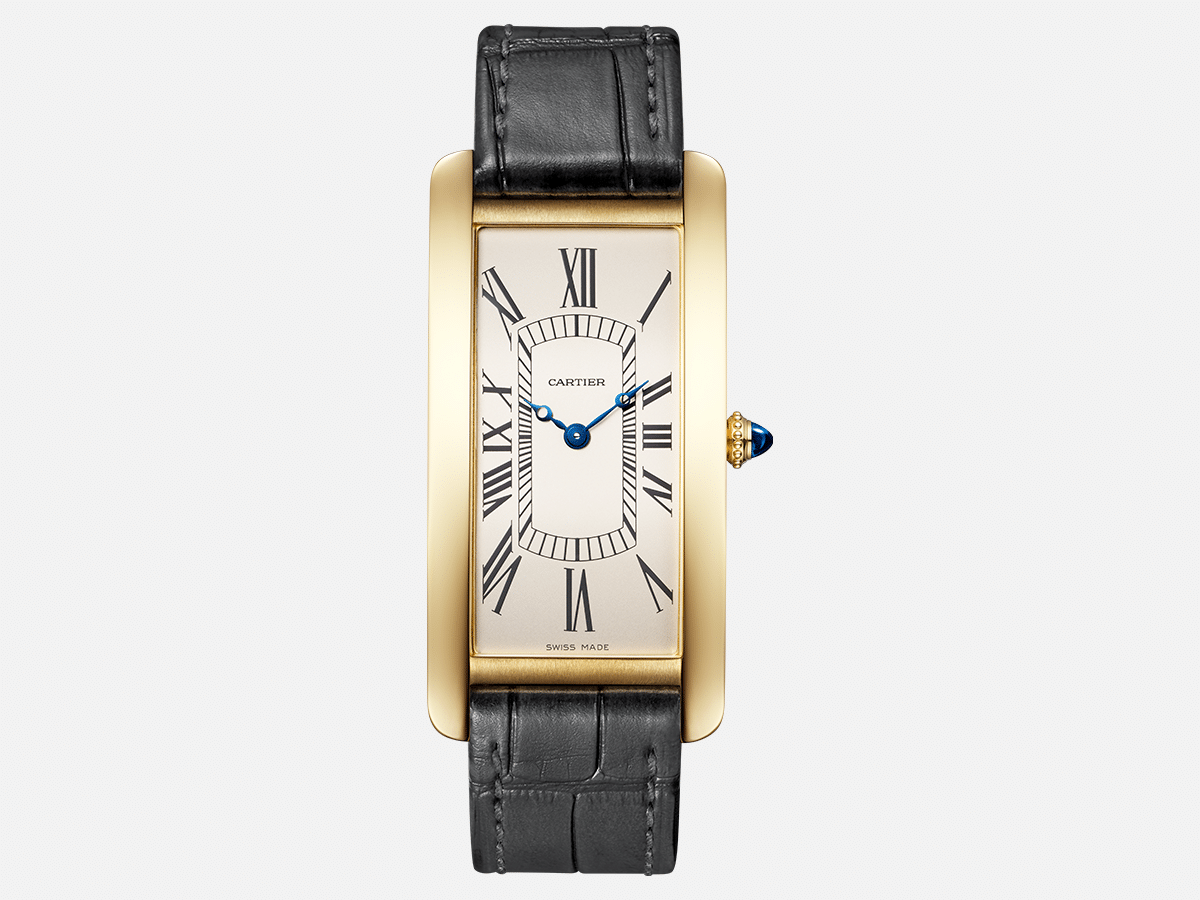
Parallel to the Tenth Opus, Cartier introduced "La Collection," a specialized line dedicated to the warmth and heritage of yellow gold. While platinum represents the height of modern luxury, yellow gold remains the traditional heart of the Maison. This sub-collection features the Tank Normale, Tank Cintrée, and Cloche de Cartier.

Each timepiece in La Collection utilizes a unified design language:
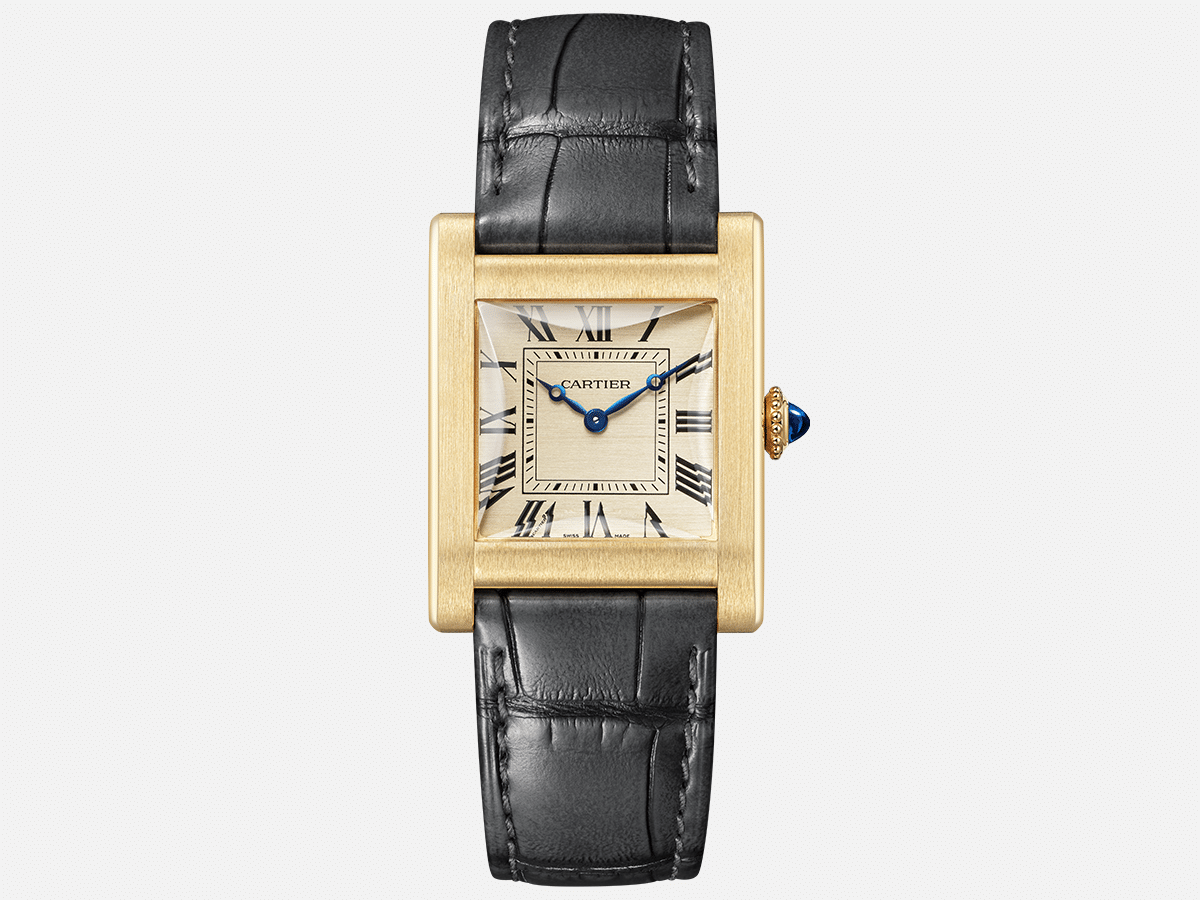
- Case Material: 18-karat yellow gold.
- Hands: Blued-steel apple-shaped hands, a signature Cartier trait.
- Movement: Manual mechanical winding, emphasizing the tactile relationship between the wearer and the machine.
- Strap: Dark grey alligator leather, chosen to provide a high-contrast backdrop for the gold cases.
The Cloche de Cartier remains a highlight for collectors due to its unique orientation; originally designed as a "desk clock" watch, the dial is rotated 90 degrees, allowing the wearer to read the time while their hand is resting on a surface.

Technical Evolution: The Santos-Dumont and the Obsidian Dial
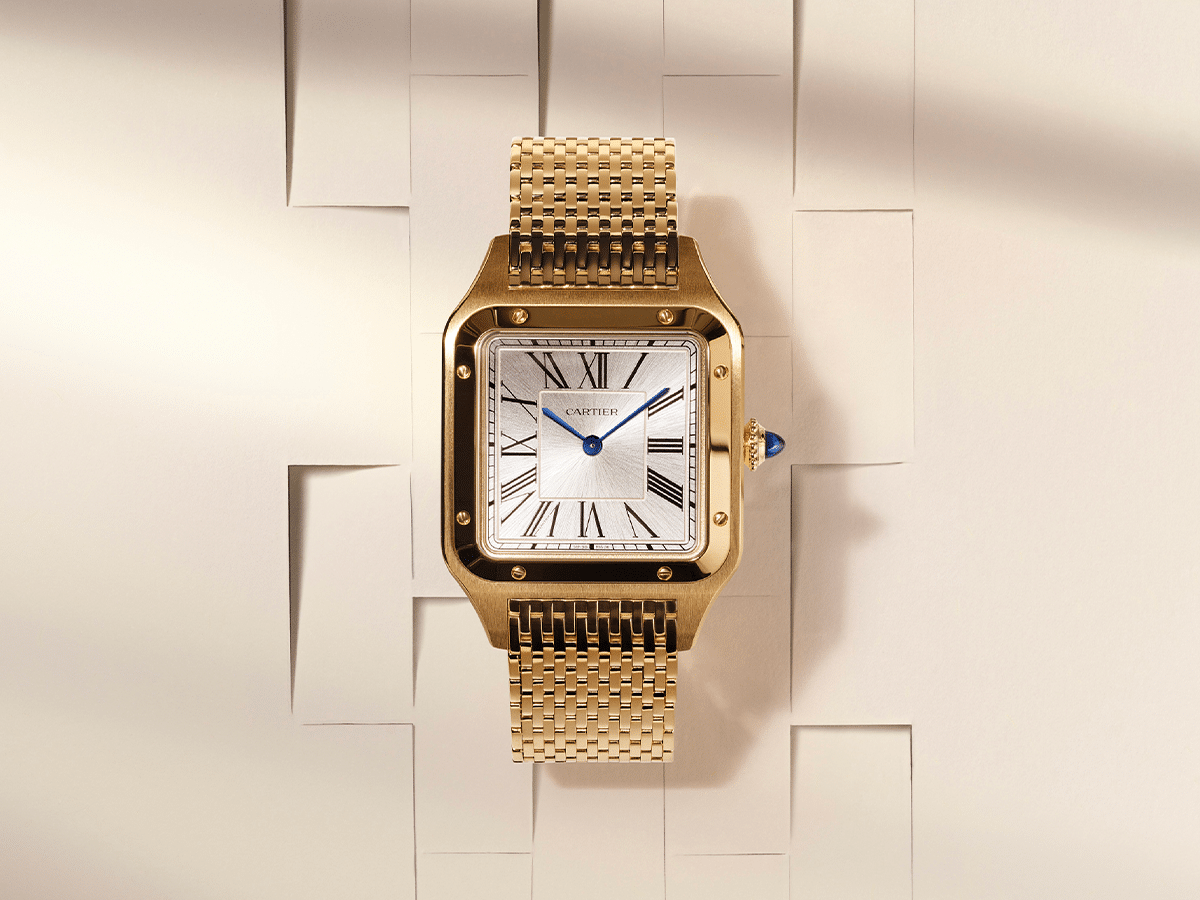
The Santos-Dumont collection, named for the Brazilian aviation pioneer Alberto Santos-Dumont, received what many attendees called the "most beautiful" update of the show. The 2026 references focus on the "Dandy" aesthetic, utilizing rare stones and intricate metalwork.
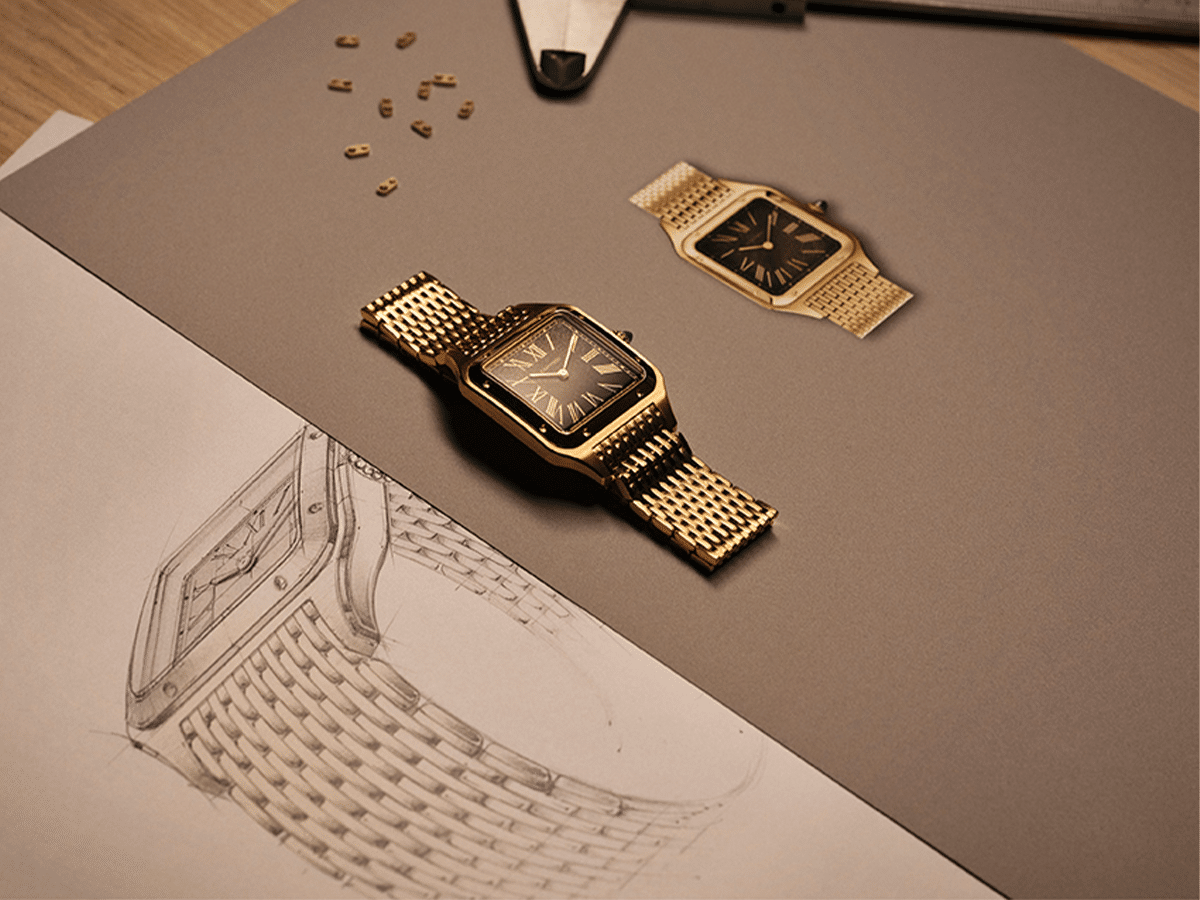
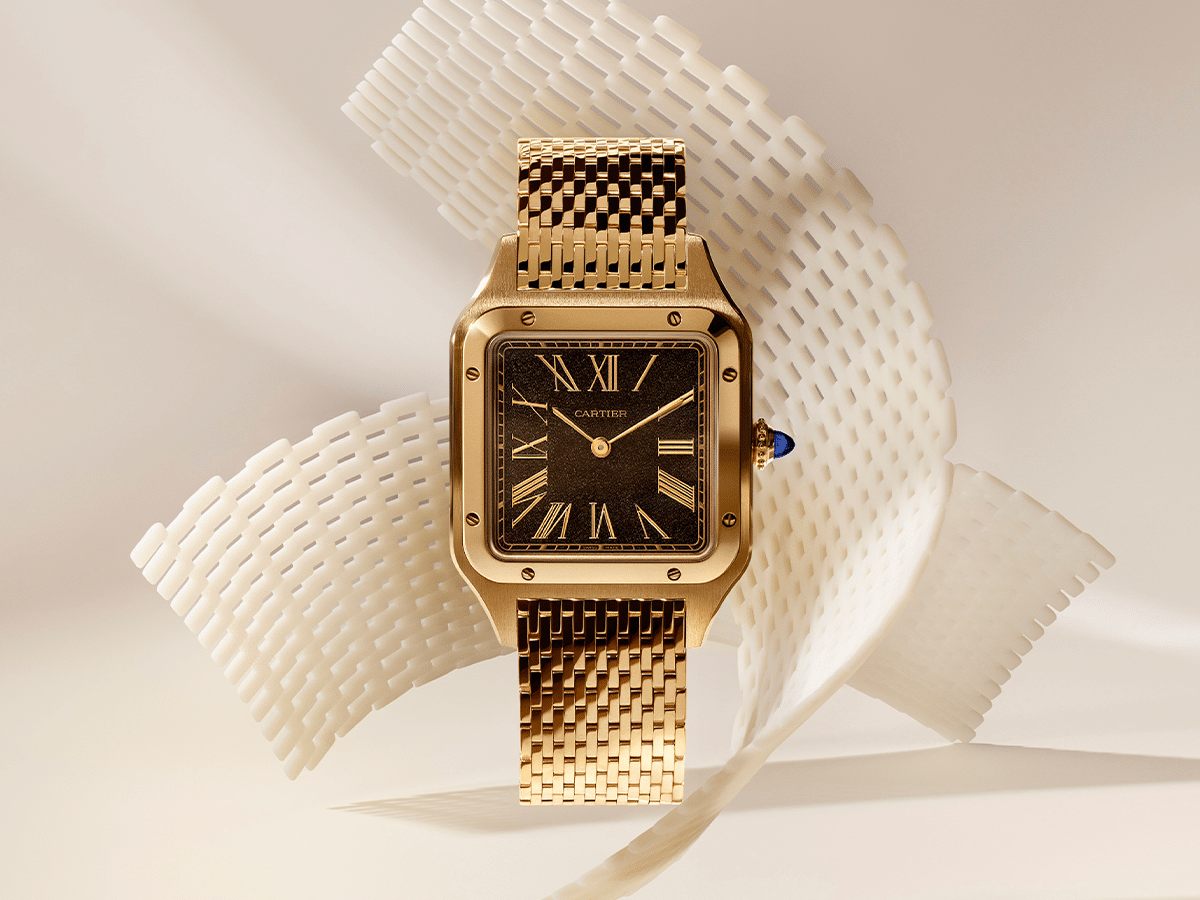
The standout piece features a dial made of Mexican silver obsidian. This volcanic stone is notoriously difficult to work with; craftsmen must cut the stone to a thickness of just 0.3mm without shattering it. The material contains tiny trapped air bubbles that create iridescent reflections, ensuring that no two dials are identical.

Furthermore, Cartier has reintroduced flexible mesh bracelets inspired by custom designs from the 1920s. These bracelets are a feat of micro-engineering, comprising 394 individual links, each just 1.15mm thick, arranged across 15 rows. The result is a "second skin" feel that provides maximum ergonomic comfort while maintaining the structural integrity required for a luxury timepiece.
Functional Innovation: The Santos de Cartier Chronograph
While the Santos-Dumont focuses on elegance, the Santos de Cartier Chronograph is built for performance. Scheduled for a June release, this model refreshes the 2020 design with a focus on high-legibility and modularity.
Technical specifications for the 2026 Chronograph include:

- Movement: 1904-CH MC mechanical automatic-winding caliber.
- Dimensions: 47mm x 40mm (Large Model).
- Power Reserve: 47 hours.
- Water Resistance: 100 meters (10 bar).
- Features: Super-LumiNova coated hands and the "QuickSwitch" and "SmartLink" systems.
The QuickSwitch system allows owners to swap between a metal bracelet and a rubber or leather strap in seconds without tools, a feature that has become a benchmark for the industry in terms of user-centric design.
The Return of the Roadster: Aerodynamics and Automotive Heritage
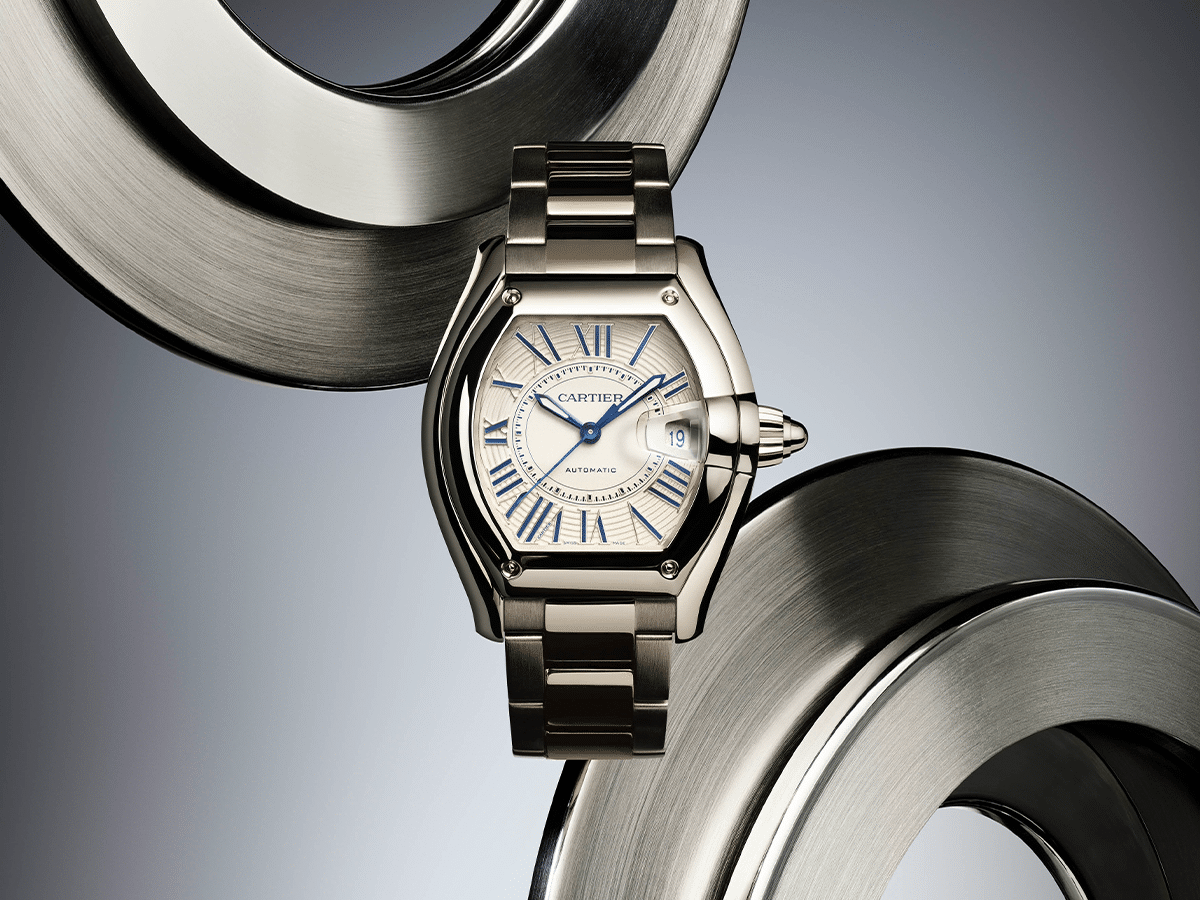
Perhaps the most surprising announcement at Geneva was the full-scale return of the Roadster. Originally debuted in the early 2000s and discontinued for several years, the 2026 Roadster has been completely redesigned by a team of over 100 artisans.

The new Roadster maintains the "automotive" DNA of the original—specifically the 1950s "hot rod" aesthetic—but with refined proportions. The signature "headlight" date magnifier and conical crown have been integrated more seamlessly into the bezel and case. The bezel now features four rivets, echoing the industrial design of classic sports cars.

The Roadster is offered in seven references across two sizes:

- Large Model: Powered by the 1847 MC self-winding movement.
- Medium Model: Powered by the 1899 MC self-winding movement.
The dial designs utilize a circular striated pattern and a "rail track" minute circle, mimicking the speedometers of vintage European grand tourers.

Industry Reaction and Market Implications
The reception from horological critics has been overwhelmingly positive, particularly regarding Cartier’s decision to lean into its archives. "Cartier is not just selling watches; they are selling a continuity of French culture," noted one senior luxury consultant during the event. "By reviving the Roadster and expanding the Privé collection, they are capturing both the vintage enthusiast and the modern luxury consumer who values exclusivity."

From a market perspective, Cartier’s 2026 novelties are expected to drive significant growth in the "high-jewelry watch" and "collector-grade complication" categories. The use of platinum and limited-run production cycles for the Tenth Opus suggests that Cartier is aiming to increase its average transaction value while maintaining the brand’s aura of scarcity.
Chronology of Cartier’s Shaped Watch Innovations
To understand the 2026 collection, one must look at the timeline of the shapes that define it:

- 1904: The first Santos watch is created for Alberto Santos-Dumont.
- 1917: The Tank is designed, inspired by the silhouettes of Renault tanks on the Western Front.
- 1934: The Tank Normale is refined into the proportions we see in today’s Privé collection.
- 1967: The Crash is born in London, allegedly inspired by a watch damaged in a car accident.
- 1998: The Collection Privée Cartier Paris (CPCP) introduces the Monopoussoir Chronograph.
- 2001: The original Roadster is launched, drawing from 1950s car culture.
- 2026: Cartier integrates these disparate eras into a single, cohesive vision of modern luxury.
Conclusion: A Vision of Timelessness
The 2026 novelties from Cartier represent a sophisticated balance between honoring the past and embracing the future. By combining 19th-century craftsmanship with 21st-century materials like obsidian and advanced automatic calibers, the Maison has reaffirmed its status as the "King of Jewelers and the Jeweler of Kings." As these pieces move from the exhibition halls of Geneva to the wrists of collectors worldwide, they serve as a reminder that in the world of high horology, true elegance is never a matter of trend, but a matter of timeless design.



 Yuyun Lusiyani
 Joko Widodo
 Eva Lovia
 Pevita Pearce
 admin
admin