
 Nila Kartika Wati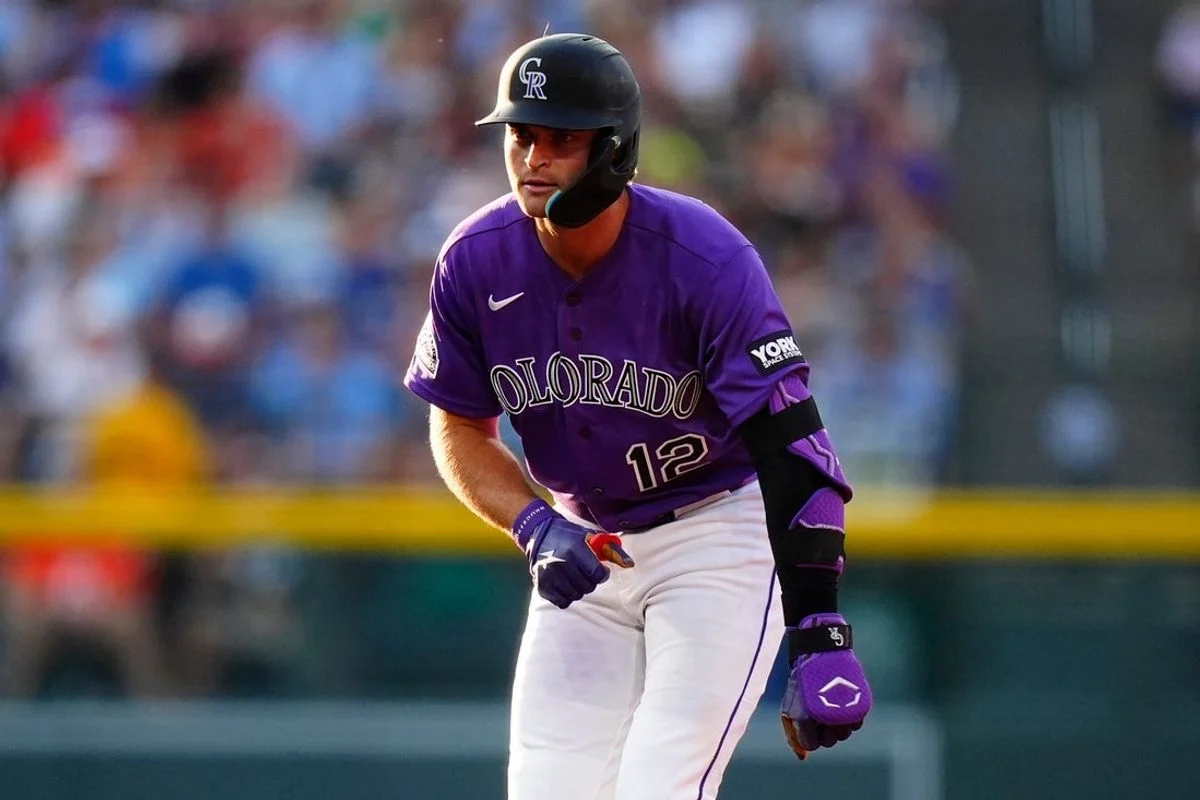
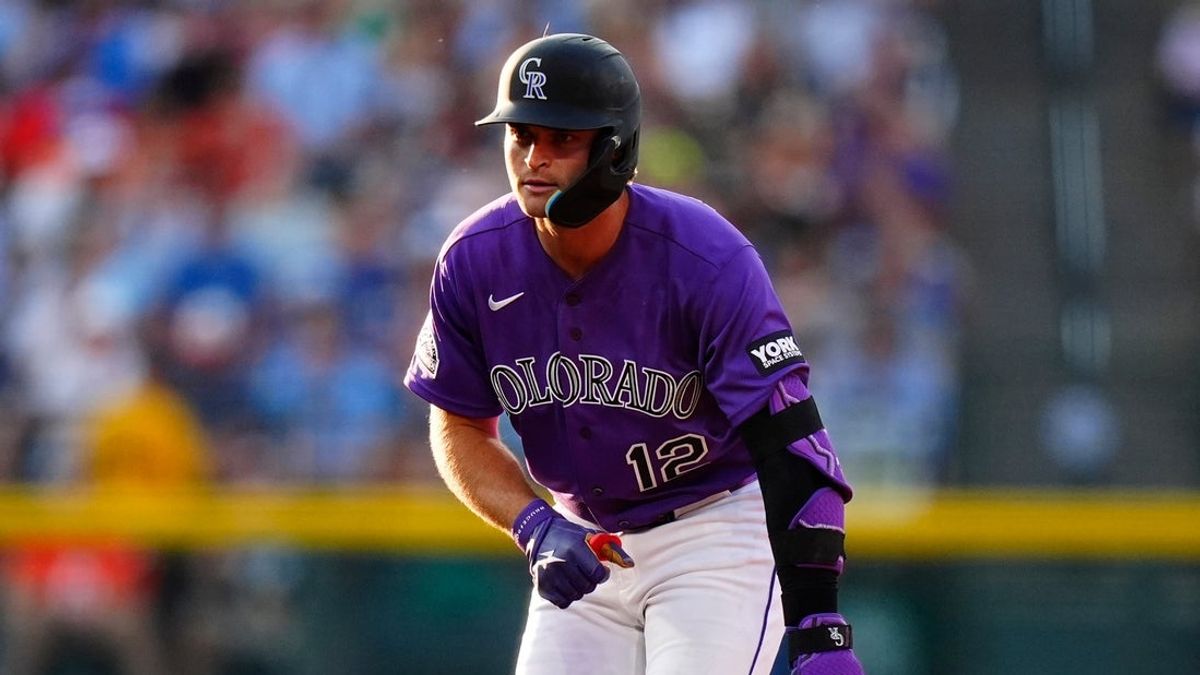
The Colorado Rockies are once again facing a significant roster upheaval as third baseman Kyle Karros has been placed on the 7-day concussion injured list, marking the second time this month the young slugger has been sidelined by head trauma. The decision, announced on Sunday, underscores the challenging and often unpredictable nature of concussions in professional sports and raises questions about the Rockies’ infield depth and player safety protocols. This latest setback for Karros, who was only recently activated from the same list, brings the team’s total number of injured players to a concerning figure, forcing managerial decisions and strategic adjustments on the fly.
Persistent Concussion Symptoms Force Karros Back to IL
Kyle Karros, a promising 24-year-old infielder, was activated from the concussion injured list on Friday, having seemingly recovered from his initial injury. However, his return to the field was short-lived. Karros was removed from Saturday’s game against the Cleveland Guardians due to the recurrence of concussion symptoms, a development that prompted the Rockies’ medical staff and front office to err on the side of caution and place him back on the seven-day IL. This precautionary measure is standard practice for concussion management, aiming to prevent further injury and allow for complete neurological recovery.
The timing of this placement is particularly notable, as it comes less than a week after his previous return. Karros had been sidelined since August 11th, when he sustained the injury during a game against the Arizona Diamondbacks. The initial incident involved a collision with shortstop Ezequiel Tovar while both players were attempting to field a ground ball. The force of the impact, though not immediately apparent as a severe concussion, led to the eventual diagnosis and placement on the IL. His subsequent reinstatement suggested a positive recovery trajectory, making this relapse a disappointing turn of events for both the player and the team.
Roster Adjustments Amidst Injury Woes
In response to Karros’s second stint on the injured list, the Rockies have made corresponding roster moves to bolster their infield and outfield options. Infielder/outfielder Ryan Ritter has been recalled from Triple-A Albuquerque. Ritter, 25, has previous Major League experience, having made his debut last season alongside Karros. His recall indicates the team’s need for immediate depth, particularly in the middle infield or as a versatile option in the outfield. This season in Triple-A, Ritter has posted a .143 batting average in six games for the Rockies, suggesting he will likely be utilized in a reserve capacity.
Simultaneously, infielder/outfielder Tyler Freeman has been reinstated from the 10-day injured list. However, in a strategic move by the Rockies’ management, Freeman has been optioned to Triple-A Albuquerque. This decision suggests that while Freeman is healthy enough to play, his current performance or the team’s immediate needs at the Major League level do not necessitate his active roster spot. Freeman, 27, has played in 79 games for the Rockies this season, contributing with a .247 batting average, three home runs, and 23 RBIs. His demotion to Triple-A indicates a desire for him to regain form or a preference for other players in the current Major League lineup.
Karros’s Season Performance and the Impact of His Absence
Before his injuries, Kyle Karros had established himself as a significant contributor for the Colorado Rockies in the 2026 season. In 114 games played, he has batted .263, demonstrating a solid offensive capability. His power numbers have been notable, with 10 home runs and 44 RBIs, making him a key part of the team’s offensive attack. His absence not only depletes the Rockies’ lineup but also removes a reliable defender at third base, a position that requires consistent play and agility.
The recurring nature of concussions, especially in young athletes, raises concerns about long-term health and career longevity. Concussion protocols in professional sports have evolved significantly over the years, with a greater emphasis on player safety and a more cautious approach to returning to play. The fact that Karros experienced a relapse of symptoms after a seemingly successful recovery highlights the complexity of head injuries and the potential for lingering effects. For the Rockies, this means a period of uncertainty regarding their starting third baseman and the need to continuously adapt their lineup and defensive alignments.
A Look Back at the Initial Injury
The initial incident that led to Karros’s first concussion IL placement occurred on August 11th, during a road game against the Arizona Diamondbacks. The play in question involved a ground ball hit by a Diamondbacks batter. Karros, playing third base, and Tovar, the team’s shortstop, both converged to field the ball. In the process, they collided. While such collisions are not uncommon in baseball, the impact between the two players was significant enough to warrant immediate attention from the Rockies’ training staff.
The immediate aftermath of the collision saw Karros being evaluated on the field. While he remained in the game initially, it became apparent in the following days that he was experiencing symptoms consistent with a concussion. This led to his placement on the injured list, the first of what has now become a recurring issue for the young third baseman. The collision with his teammate, while an accident, underscores the inherent risks in the sport, particularly in the infield where quick reactions and close proximity to other players are constant factors.
Broader Implications for the Colorado Rockies
The repeated placement of Kyle Karros on the concussion injured list poses several broader implications for the Colorado Rockies. Firstly, it highlights the team’s vulnerability to injuries, particularly in the infield. With Karros sidelined again, the Rockies must rely on other players to fill the void at third base and potentially shuffle other positions to maintain defensive stability. This can disrupt team chemistry and disrupt established playing patterns.
Secondly, the team’s depth at the infield and outfield positions will be tested. The recall of Ryan Ritter and the demotion of Tyler Freeman indicate a strategic evaluation of the roster’s current capabilities and future needs. The Rockies will need to assess whether their current minor league prospects are ready to contribute at the Major League level or if further acquisitions might be necessary to maintain competitiveness.
Finally, and perhaps most importantly, the situation with Karros brings to the forefront the ongoing discussion about player safety in professional baseball. While the league and individual teams have made strides in concussion management, the recurrence of such injuries in prominent players serves as a stark reminder of the physical toll the sport can take. The Rockies, like all Major League Baseball franchises, will need to continue to prioritize player well-being, ensuring that robust protocols are in place to diagnose, treat, and manage head injuries effectively. The long-term health of their athletes should always be the paramount concern, even at the cost of short-term roster stability. The organization’s commitment to Karros’s recovery and the careful management of his return to play will be closely watched as the season progresses. The ability of the Rockies to navigate these injury challenges will undoubtedly be a significant factor in their overall success for the remainder of the 2026 campaign.

 Yuyun Lusiyani
 Joko Widodo
 Jia Lissa
 Pevita Pearce
 admin
admin
