
 Lina Irawan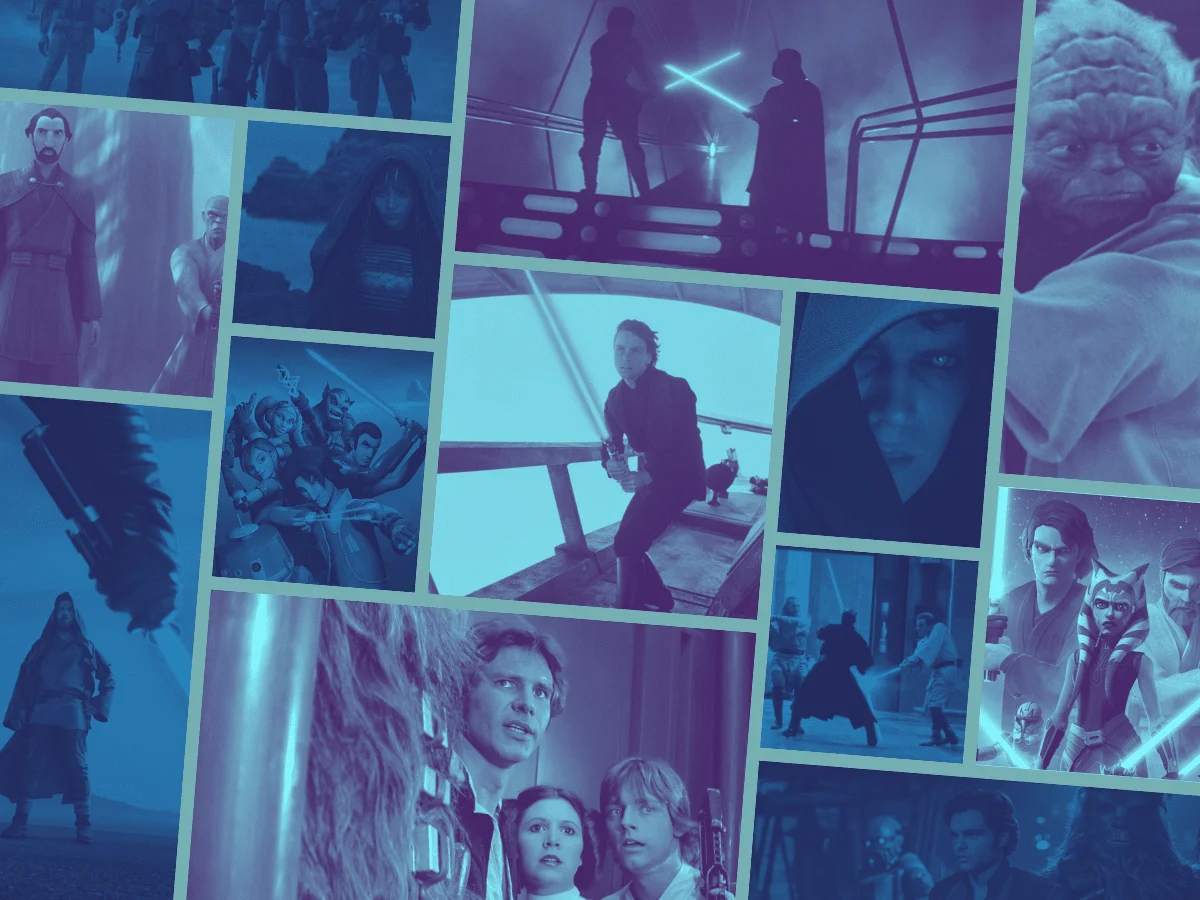
The Star Wars franchise remains one of the most significant cultural and commercial forces in entertainment history, evolving from a singular 1977 space fantasy film into a multi-generational saga valued at approximately US$50 billion. Since the landmark acquisition of Lucasfilm by The Walt Disney Company in 2012 for $4.05 billion, the universe has expanded exponentially through a meticulously managed "canon" that integrates live-action films, animated series, and high-budget streaming content. As the franchise prepares for a new era with the 2027 release of Star Wars: Starfighter—a project reportedly starring Ryan Gosling, Mia Goth, and Amy Adams that aims to explore a period beyond the existing chronology—understanding the linear progression of the "galaxy far, far away" has become essential for both new viewers and veteran enthusiasts.
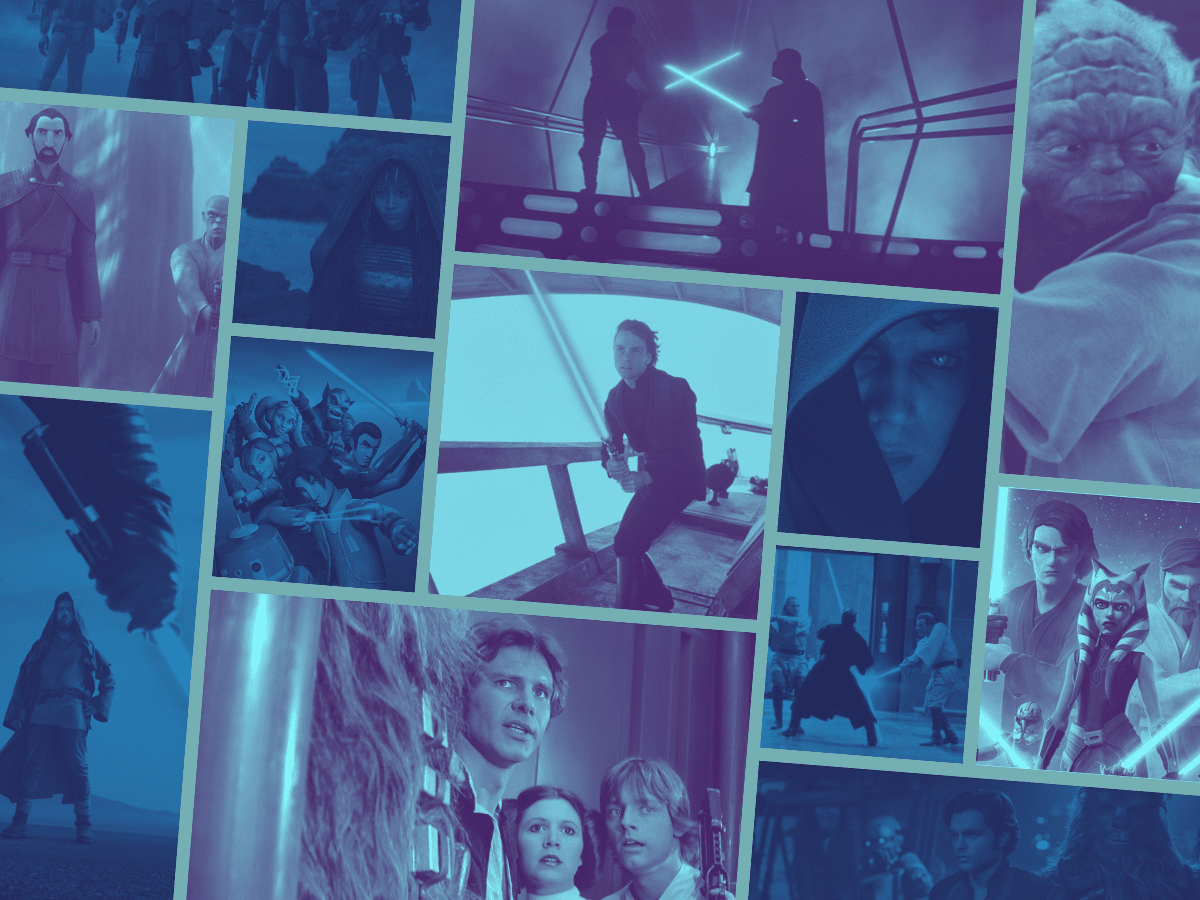
To navigate this vast narrative landscape, historians and fans utilize an internal dating system centered on the Battle of Yavin, the climactic conflict in Episode IV: A New Hope. Events occurring before this pivotal moment are designated BBY (Before the Battle of Yavin), while those following it are labeled ABY (After the Battle of Yavin). This guide provides a comprehensive chronological breakdown of the official Disney canon, enriched with historical context and industry data.
Part 1: The High Republic and the Fall of the Republic
The chronological journey begins long before the rise of the Empire, during the twilight of the High Republic. This era represents the Jedi Order at the height of its influence and the Republic at its most prosperous, though the seeds of corruption and the resurgence of the Sith are already beginning to take root.

1. The Acolyte (Approx. 100 BBY)
Serving as the earliest entry in the live-action cinematic timeline, The Acolyte explores a period of relative peace that is shattered by a series of mysterious crimes. The narrative focuses on the relationship between twins Osha and Mae, examining the Force through a lens of balance rather than binary good and evil. While the series was concluded after one season, it provided critical context for the eventual stagnation of the Jedi Order.
2. Star Wars: Episode I – The Phantom Menace (32 BBY)
The "Skywalker Saga" officially commences here. This film introduced the concept of the "Chosen One" via Anakin Skywalker, a child found on the desert planet of Tatooine. Commercially, the film was a juggernaut, grossing over $1 billion worldwide and revolutionizing digital filmmaking through the extensive use of CGI and the introduction of characters like Jar Jar Binks and the formidable Darth Maul.

3. Star Wars: Episode II – Attack of the Clones (22 BBY)
Set a decade after its predecessor, this entry details the beginning of the end for the Republic. It explores the forbidden romance between Anakin Skywalker and Padmé Amidala while simultaneously tracking a separatist movement led by Count Dooku. The film concludes with the first deployment of the Grand Army of the Republic, marking the start of the three-year Clone Wars.
4. Star Wars: The Clone Wars (Movie and Series) (22–19 BBY)
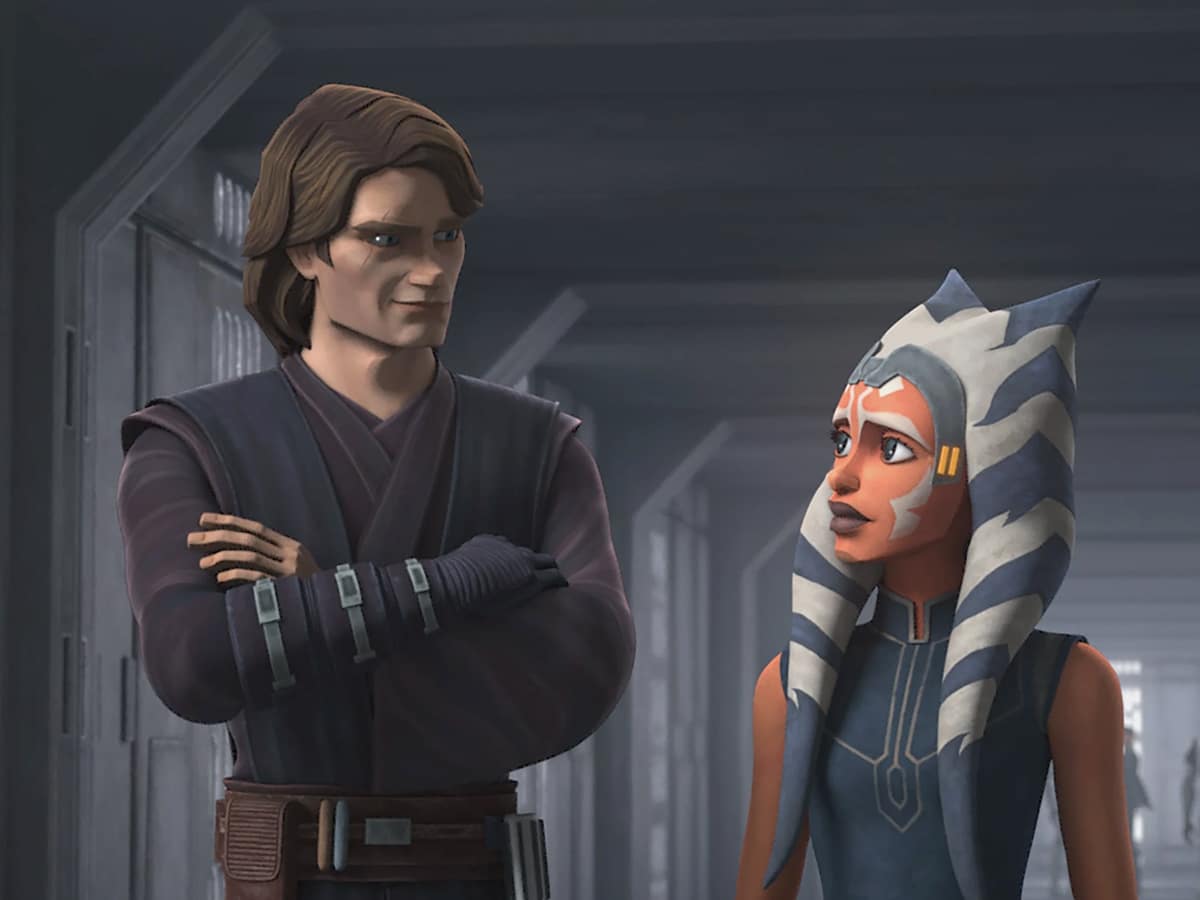
The animated Clone Wars project is perhaps the most significant expansion of the prequel era. It introduced Ahsoka Tano, Anakin’s Padawan, and provided the character development for Anakin Skywalker that many felt was missing from the theatrical releases. The series ran for seven seasons, eventually bridging the gap directly into the events of Revenge of the Sith.

5. Star Wars: Tales of the Jedi (Variable BBY)
This anthology series provides essential backstory for two pivotal figures: Ahsoka Tano and Count Dooku. By showing Dooku’s gradual disillusionment with the Republic, the series adds layers of political complexity to the franchise’s overarching conflict.
6. Star Wars: Episode III – Revenge of the Sith (19 BBY)
The prequel trilogy concludes with the tragic transformation of Anakin Skywalker into Darth Vader and the execution of Order 66, which resulted in the near-extinction of the Jedi. This film serves as the dark hinge of the entire saga, establishing the Galactic Empire under Emperor Palpatine.

Part 2: The Reign of the Empire and the "Dark Times"
Following the fall of the Republic, the galaxy entered a twenty-year period of Imperial dominance. This era is characterized by the suppression of dissent and the hunt for surviving Jedi.
7. Star Wars: Tales of the Empire and Tales of the Underworld (19 BBY – 0 BBY)
These anthology projects explore the fringes of the galaxy during the Empire’s rise. Tales of the Empire focuses on the brutal efficiency of the Imperial machine, while Tales of the Underworld highlights the survival of characters like Asajj Ventress and Cad Bane, showing how the "common" citizens and criminals navigated the New Order.

8. Star Wars: The Bad Batch (19 BBY – 18 BBY)
A direct sequel to The Clone Wars, this series follows an elite squad of genetically mutated clones who defect from the Empire. The show provides critical narrative "connective tissue," explaining the Empire’s transition from clone troopers to conscripted stormtroopers and introducing the mysterious "Project Necromancer."
9. Star Wars: Maul – Shadow Lord (Approx. 15 BBY)
Continuing the resurrection of the character first seen in The Clone Wars, this narrative explores Maul’s efforts to build a criminal empire on the planet Janix. It depicts a man no longer a Sith but still consumed by a desire for power and revenge against his former master.
10. Solo: A Star Wars Story (13–10 BBY)
This origin film details the early years of the galaxy’s most famous smuggler, Han Solo. Despite a troubled production and a modest box office return of $393 million, the film successfully established the origins of the Millennium Falcon and the lifelong partnership between Solo and Chewbacca.
11. Star Wars: Obi-Wan Kenobi (9 BBY)
Set ten years after Revenge of the Sith, this series features Ewan McGregor returning to his iconic role. It bridges the emotional gap for the character, moving him from a broken hermit to a protector who accepts that his former apprentice is truly "dead," replaced by the machine that is Darth Vader.

Part 3: The Age of Rebellion
This era covers the formation of the Rebel Alliance and the original trilogy of films that defined the franchise for the global audience.
12. Star Wars Rebels and Andor (5 BBY – 0 BBY)
While Rebels provides a more traditional, Force-centric view of the burgeoning revolution, Andor has been hailed by critics as a prestige political thriller. Andor strips away the mysticism of the Force to show the bureaucratic evil of the Empire and the high cost of resistance, leading directly into the events of Rogue One.

13. Rogue One: A Star Wars Story (0 BBY)
This film tells the story of the desperate mission to steal the Death Star plans. It was a massive success, earning $1.056 billion and proving that "A Star Wars Story" spin-offs could resonate with audiences. The film’s final moments lead directly into the opening scene of the 1977 original.
14. Star Wars: Episode IV – A New Hope (0 BBY/0 ABY)
The film that started it all. Luke Skywalker’s journey from farm boy to hero remains the quintessential "Hero’s Journey." The destruction of the first Death Star at the Battle of Yavin serves as the chronological anchor for the entire universe.

15. Star Wars: Episode V – The Empire Strikes Back (3 ABY)
Widely regarded as the greatest sequel in cinematic history, this film introduced Yoda and the shocking revelation of Luke’s parentage. It expanded the mythology of the Force and ended on a somber, uncertain note that raised the stakes for the trilogy’s conclusion.
16. Star Wars: Episode VI – Return of the Jedi (4 ABY)
The original saga concluded with the redemption of Anakin Skywalker and the death of the Emperor. The Battle of Endor resulted in the fracturing of the Empire, setting the stage for the New Republic era.

Part 4: The New Republic and the Rise of the First Order
In the wake of the Empire’s defeat, the galaxy struggled to rebuild. This era has become the primary focus of Disney+ streaming content, often referred to as the "Mando-verse."
17. The Mandalorian, Ahsoka, and The Book of Boba Fett (9 ABY – 12 ABY)
The Mandalorian became a cultural phenomenon upon its 2019 debut, driving millions of subscriptions to Disney+. It follows Din Djarin and the child Grogu, eventually intersecting with Ahsoka Tano’s search for Grand Admiral Thrawn. These series are building toward a unified theatrical event directed by Dave Filoni.

18. Star Wars: Skeleton Crew and The Mandalorian and Grogu (Approx. 12 ABY)
The upcoming film The Mandalorian and Grogu (2026) and the series Skeleton Crew continue to explore the outer reaches of the New Republic, where Imperial remnants still pose a significant threat.
Part 5: The Sequel Era
The final segment of the current timeline sees the emergence of the First Order and the rise of a new generation of heroes.

19. Star Wars Resistance and Episode VII – The Force Awakens (34 ABY)
The Force Awakens revitalized the franchise in 2015, grossing over $2 billion. It introduced Rey, Finn, and Poe Dameron, while showing the legacy of the original heroes. Resistance provides a parallel view of the Cold War between the New Republic and the First Order.
20. Star Wars: Episode VIII – The Last Jedi (34 ABY)
Directed by Rian Johnson, this entry was the most divisive in the franchise’s history. While a critical darling and a commercial success ($1.3 billion), it challenged fan expectations regarding the character of Luke Skywalker and the nature of the Force.

21. Star Wars: Episode IX – The Rise of Skywalker (35 ABY)
The Skywalker Saga concluded with the final defeat of a resurrected Palpatine. While the film provided closure, it left the galaxy in a state of flux, with Rey Skywalker poised to rebuild the Jedi Order.
Broader Impact and Future Implications
The transition of Star Wars from a film series to a comprehensive transmedia universe has fundamentally changed how entertainment franchises operate. The data indicates that while theatrical releases remain the "tentpoles"—with the eleven live-action films grossing a combined $10.3 billion—the expansion into streaming has allowed for deeper character exploration and political world-building.

The announcement of Star Wars: Starfighter for 2027 represents a strategic pivot for Lucasfilm. By moving the timeline past the events of The Rise of Skywalker, the studio is attempting to decouple the franchise from the heavy burden of 50 years of "Skywalker" lore. This "New Jedi Order" era, combined with James Mangold’s planned "Dawn of the Jedi" film (set 25,000 years in the past), suggests a future where the Star Wars chronology will become even more expansive, moving beyond the BBY/ABY system into entirely new epochs of galactic history.
As the franchise continues to grow, the commitment to a singular, cohesive canon remains its greatest strength and its most complex challenge. For the audience, the chronological order offers a way to see the grand design of George Lucas’s vision as it evolved through the hands of a new generation of storytellers.




 Yuyun Lusiyani
 Joko Widodo
 Jia Lissa
 Pevita Pearce
 admin
admin
