
 Lina Irawan
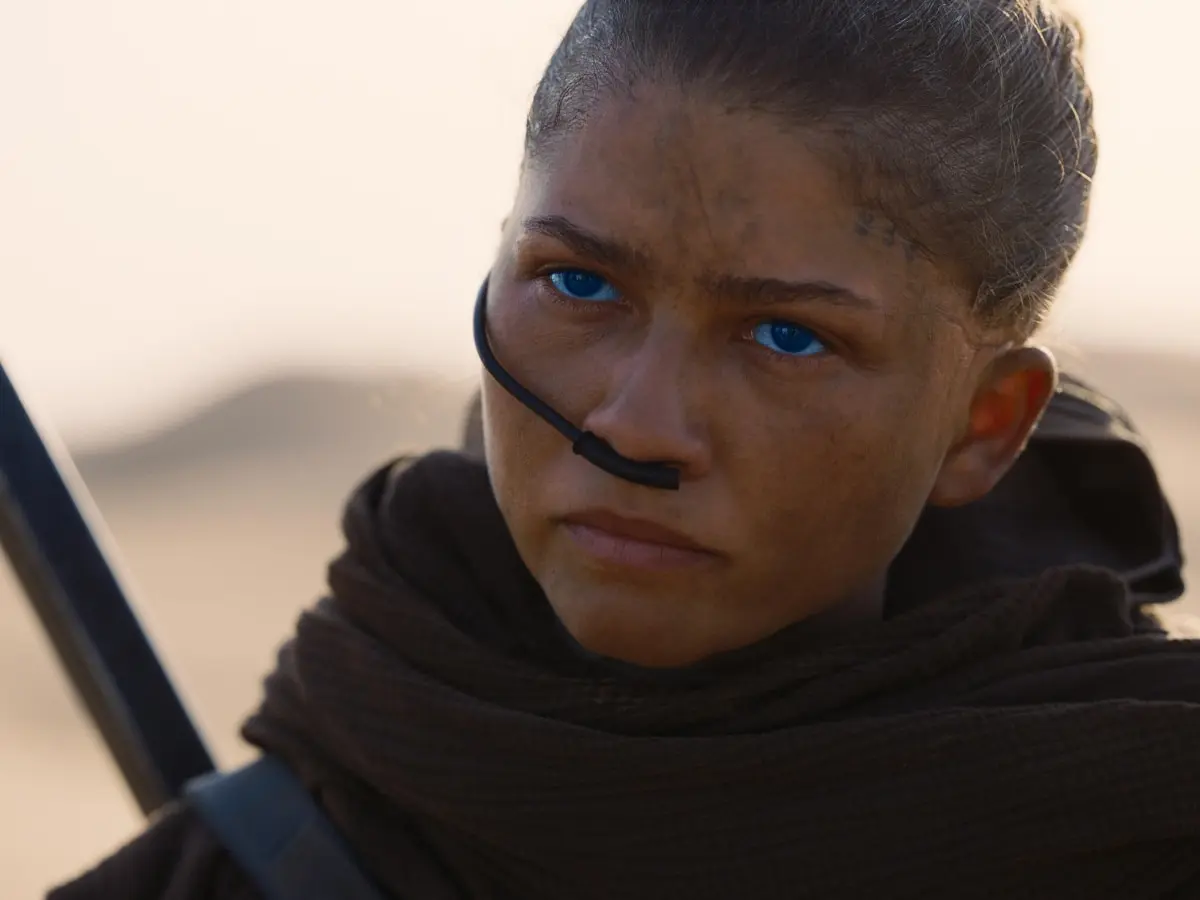
Warner Bros. Pictures and Legendary Entertainment have released the final trailer for Dune: Part Three, signaling the conclusion of director Denis Villeneuve’s ambitious adaptation of Frank Herbert’s seminal science fiction saga. The footage provides the most comprehensive look yet at the cinematic interpretation of Dune Messiah, the second novel in Herbert’s series, which serves as the narrative foundation for this third installment. Set nearly two decades after the events of Dune: Part Two, the film portrays a galaxy transformed by the ascension of Paul Atreides to the Golden Lion Throne and the subsequent jihad carried out in his name.
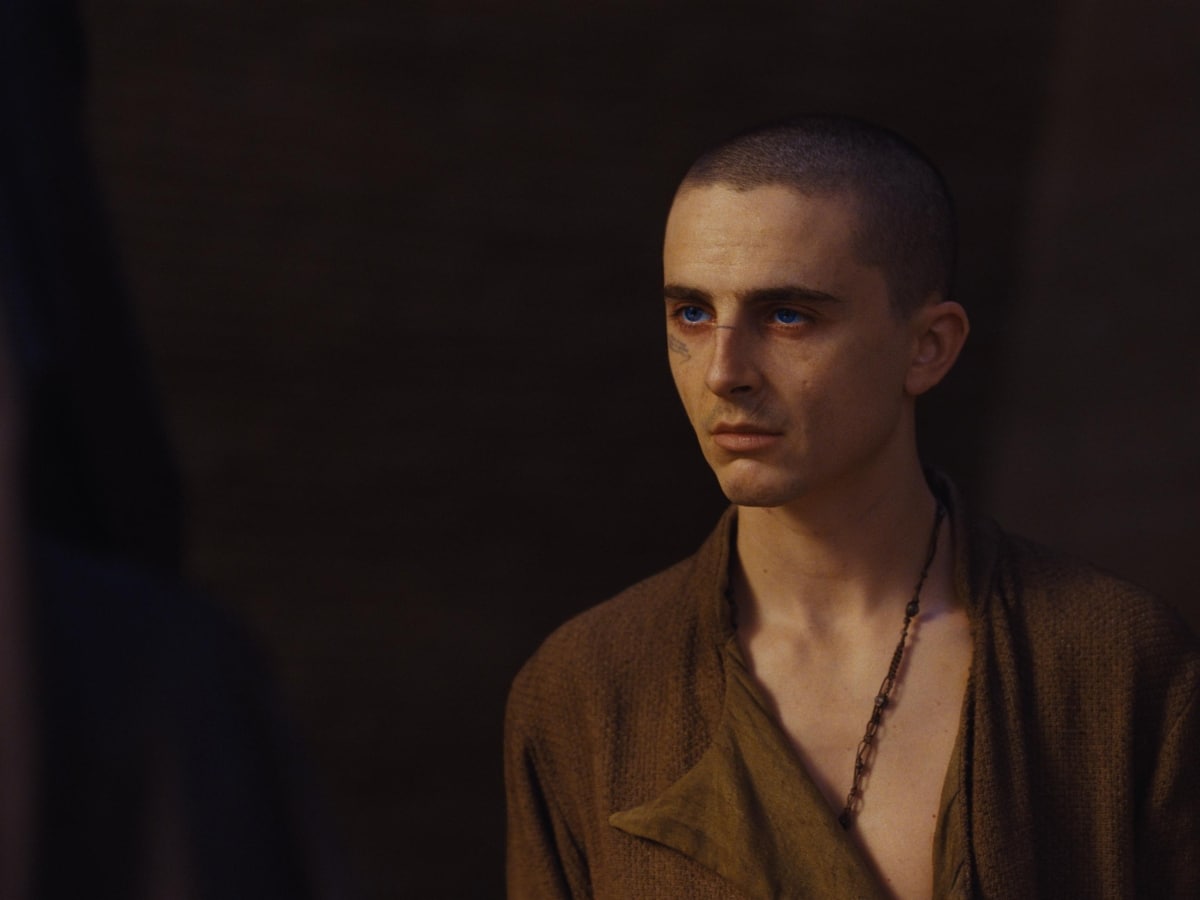
The trailer emphasizes a shift in tone from the previous films, moving away from the traditional hero’s journey toward a complex political thriller and a deconstruction of messianic archetypes. As Paul Atreides, played by Timothée Chalamet, navigates the burdens of absolute power, the footage highlights the growing fractures within his inner circle and the emergence of a sophisticated conspiracy aimed at his abdication or assassination.
Narrative Foundations and the Time Jump
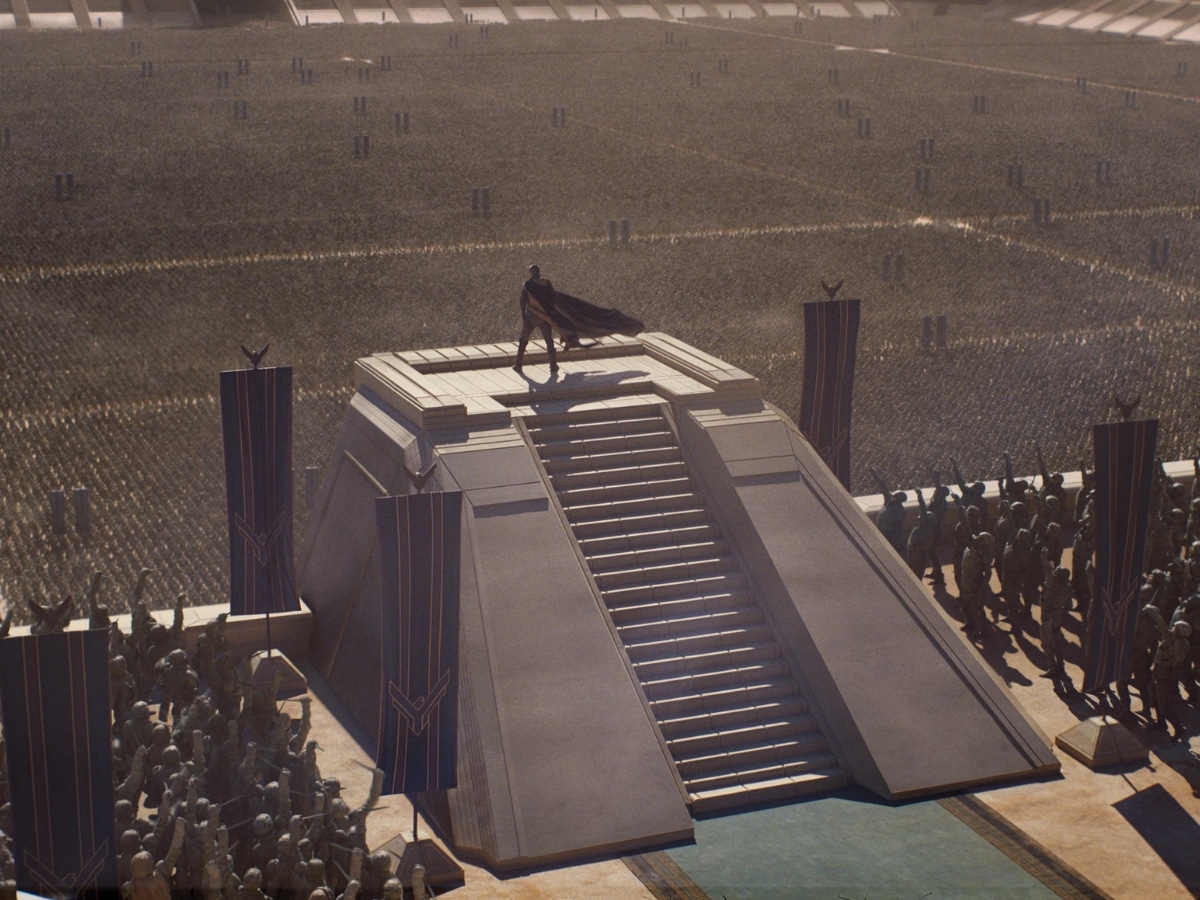
Dune: Part Three utilizes a significant chronological leap, picking up the story 19 years after Paul Atreides seized control of the Imperium from Shaddam IV. In this period, the "Fremen Jihad" has swept across the known universe, resulting in the conquest of thousands of worlds and the deaths of billions. The trailer establishes that Paul is no longer the underdog insurgent seen in the first two films; he is now an all-powerful Emperor whose religious influence over the Fremen has created a regime he can no longer fully control.
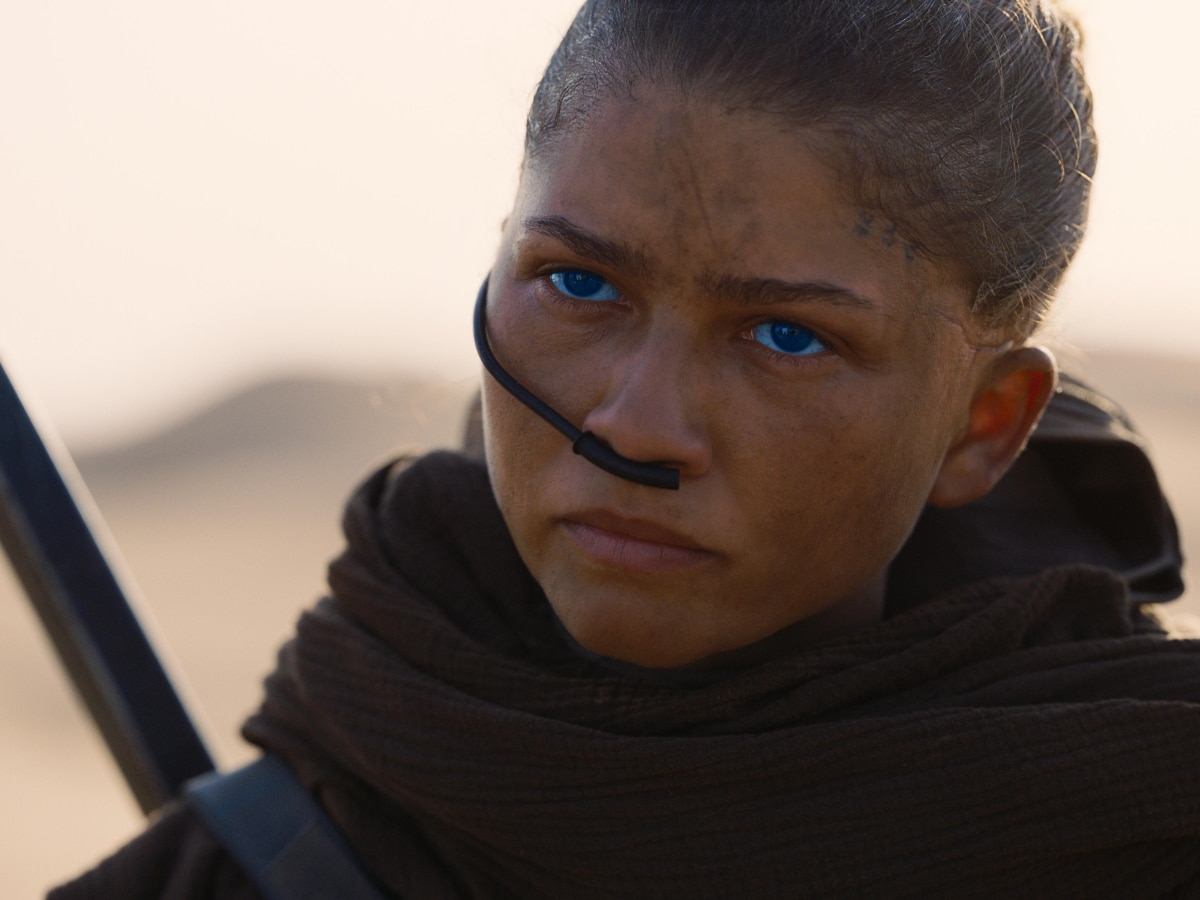
The central conflict of the film, as suggested by the new footage, revolves around the moral and personal cost of this dominion. Chani, portrayed by Zendaya, remains a central figure of dissent. Her dialogue in the trailer reflects a profound sense of betrayal, as she confronts Paul with his failure to uphold his promise to never become a traditional ruler. This interpersonal tension serves as the emotional core of the film, contrasting the vast, IMAX-scale planetary warfare with the intimate collapse of a relationship.
The Introduction of New Antagonists and Allies
The final trailer offers a detailed look at the new players entering the political arena of Arrakis. Among the most notable additions is Robert Pattinson as Scytale, a Tleilaxu Face Dancer. The Tleilaxu, a secretive and technologically advanced society, represent a new type of threat to the Atreides Empire, relying on biological manipulation and psychological warfare rather than brute military force. Scytale is shown coordinating with other conspirators, including Princess Irulan (Florence Pugh), who warns Paul of an impending assassination attempt.
The return of Jason Momoa is also a focal point of the promotional material. While his character, Duncan Idaho, perished in the first film, he returns in Dune: Part Three as a "ghola" named Hayt. This biological construct, created by the Tleilaxu, possesses the physical form of Idaho but lacks his original memories, serving as both a gift and a potential weapon intended to destabilize Paul’s mental state. The trailer depicts Hayt challenging Paul’s morality, telling the Emperor that he is "way beyond redemption."
Furthermore, the film introduces the next generation of the Atreides bloodline. The trailer provides a first look at Paul and Chani’s twin children, Leto II and Ghanima, played by Nakoa-Wolf Momoa and Ida Brooke, respectively. Their presence raises the stakes for the imperial succession and introduces the concept of "pre-born" children—individuals who possess ancestral memories and immense psychic potential from birth.
Production Background and Cinematic Scope
Denis Villeneuve returns to direct the third film, working from a screenplay he co-wrote with Brian K. Vaughan. The production has maintained the high technical standards established in the previous entries, utilizing 15/70mm IMAX cinematography to capture the desert landscapes of Jordan and the intricate interior sets representing the Imperial Palace on Arrakis.
The visual effects, handled once again by DNEG, showcase the evolution of the Fremen’s relationship with the environment. Massive warships are seen filling the skies, and the iconic sandworms of Arrakis are depicted as both instruments of war and religious symbols. The trailer highlights several large-scale set pieces, including intergalactic naval engagements and ground battles that illustrate the sheer scale of the Atreides military might.

Hans Zimmer is confirmed to return as the film’s composer, continuing the unique sonic palette he developed for the first two films. The music in the trailer suggests a more somber, choral-heavy score, reflecting the tragic themes of Dune Messiah.
Chronology of the Dune Film Franchise
The journey to Dune: Part Three began in 2017 when Legendary Pictures acquired the film and television rights to the Dune franchise. The release timeline for the trilogy is as follows:
- Dune: Part One (October 2021): Focused on the first half of Frank Herbert’s original novel, detailing the fall of House Atreides and Paul’s escape into the desert. Despite being released during the COVID-19 pandemic, it grossed over $400 million worldwide and won six Academy Awards.
- Dune: Part Two (March 2024): Covered the second half of the first novel, depicting Paul’s rise among the Fremen and his eventual victory over House Harkonnen and the Emperor. The film was a significant critical and commercial success, grossing over $711 million.
- Dune: Part Three (December 2026): Adapts Dune Messiah, concluding the story of Paul Atreides. The film is scheduled for release in North America on December 18, 2026, with international rollouts beginning on December 16.
Villeneuve has stated in multiple interviews that he views this film as the completion of Paul Atreides’ arc. While Frank Herbert wrote several sequels, Villeneuve has indicated that Part Three will be his final contribution to the series, aiming to leave the franchise at a point that honors Herbert’s original intent of warning against the dangers of charismatic leaders.
Analytical Implications: Subverting the Epic
From a thematic perspective, Dune: Part Three represents a departure from standard blockbuster conventions. While many trilogies conclude with a triumphant victory for the protagonist, Dune Messiah was written by Herbert specifically to subvert the "white savior" narrative that some readers mistakenly identified in the first book.
The trailer underscores this by portraying Paul as a man trapped by his own prescience. His ability to see the future—once his greatest survival tool—has become a prison, as he finds himself unable to navigate a path that does not lead to further violence or his own destruction. The line "I can’t see what’s ahead" suggests that the Emperor’s visions are failing him at the most critical juncture of his reign.
Industry analysts suggest that the success of Dune: Part Three could solidify the franchise’s legacy as one of the few modern "prestige" blockbusters. By balancing high-concept philosophy with massive visual spectacles, Villeneuve has carved out a niche in a market often dominated by more formulaic superhero adaptations.
Official Responses and Industry Outlook
Warner Bros. Discovery has positioned Dune: Part Three as their flagship release for the 2026 holiday season. Early tracking suggests high levels of audience anticipation, bolstered by the critical acclaim of the previous two entries and the star power of the ensemble cast.
While official statements from the studio have remained focused on the production details, sources close to the project indicate that the film’s budget is expected to exceed that of Part Two, which was estimated at $190 million. This increase reflects the broader scope of the third film, which requires more diverse planetary locations and complex digital environments to depict the sprawling nature of the Imperium.
The inclusion of Robert Pattinson and the return of Anya Taylor-Joy (who made a brief cameo as Alia Atreides in Part Two) have been cited by marketing experts as key factors in maintaining interest across various demographics. Taylor-Joy’s role as the adult Alia is expected to be pivotal, as the trailer shows her character—bloodied and battle-worn—navigating the religious zealotry of the Fremen.
Conclusion and Release Information
Dune: Part Three serves as the culmination of nearly a decade of work by Denis Villeneuve and his creative team. The final trailer reinforces the film’s commitment to the complex political and philosophical themes of Frank Herbert’s work, promising a conclusion that is as intellectually challenging as it is visually spectacular.
As the release date of December 18, 2026, approaches, the film stands as a testament to the enduring power of the Dune mythos. For audiences who have followed Paul Atreides from the lush forests of Caladan to the harsh deserts of Arrakis, Part Three offers the final chapter of a journey that has redefined the possibilities of modern science fiction cinema. The film will be released in a variety of formats, including IMAX, Dolby Cinema, and standard 70mm, ensuring that the director’s vision is accessible to the widest possible audience.




 Nila Kartika Wati

 Eva Lovia

 Yuyun Lusiyani

 Ana Megawati

 Joko Widodo
