
 Lina Irawan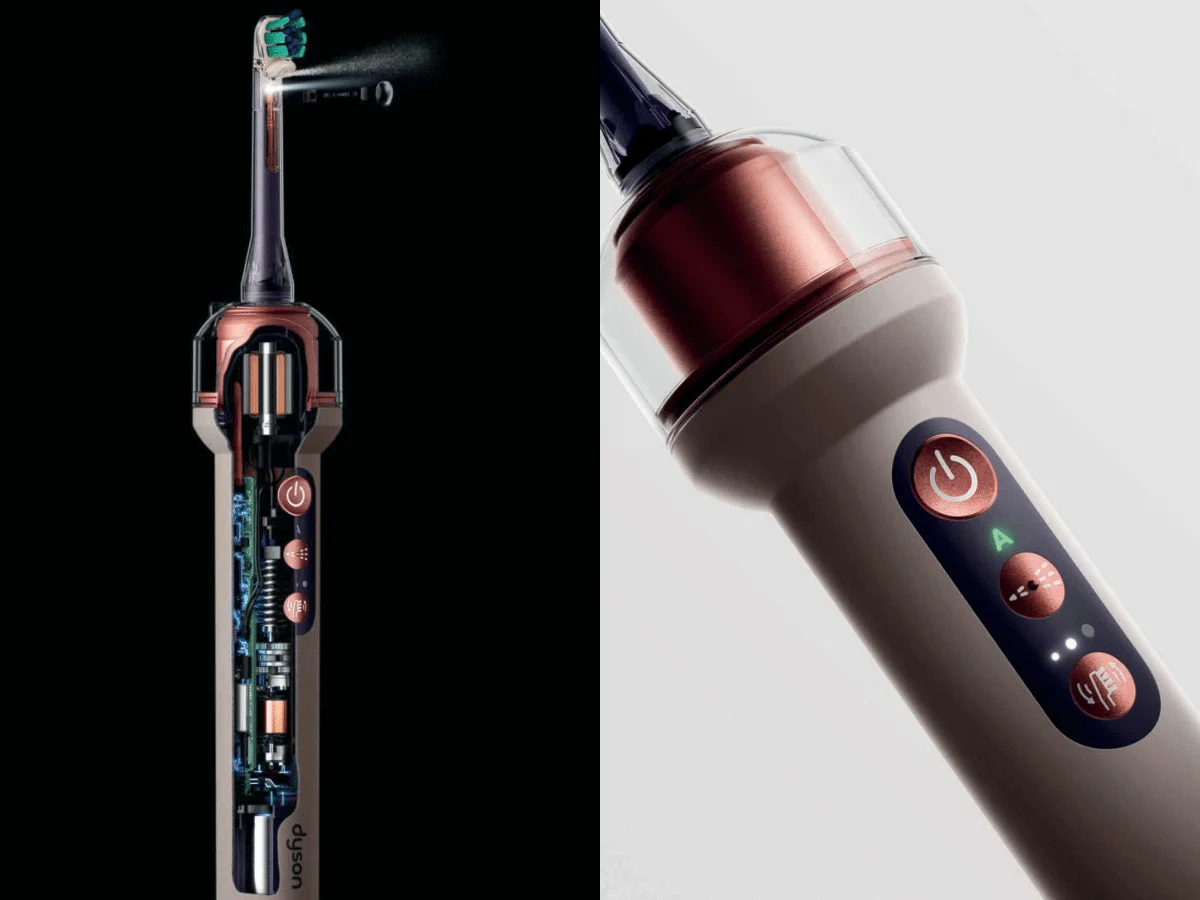
The global technology firm Dyson has officially diversified its portfolio with the launch of the CameraJet, a high-performance electric toothbrush that integrates high-resolution imaging, machine learning, and a precision fluid-delivery system. Marking the company’s first foray into the oral hygiene sector, the device represents a significant engineering shift from Dyson’s traditional focus on floor care and environmental appliances. The CameraJet is designed not merely to clean the surfaces of teeth but to automate the process of interdental cleaning—commonly known as flossing—and provide real-time diagnostic insights through a dedicated mobile application. Priced at $799 AUD, the device is positioned as a premium health-tech investment, aiming to address the widespread prevalence of periodontal disease through advanced automation.
The introduction of the CameraJet follows a rigorous five-year research and development cycle conducted primarily at Dyson’s specialized R&D campus in Singapore. According to internal data cited by the company, the project was motivated by World Health Organization statistics indicating that nearly 3.5 billion people worldwide suffer from oral diseases. Dyson’s engineers identified a critical gap in consumer behavior: while most individuals brush their teeth regularly, a significant majority fail to perform adequate interdental cleaning, leading to plaque accumulation in hard-to-reach areas. The CameraJet seeks to bridge this gap by performing flossing and rinsing functions simultaneously with the brushing process, effectively removing the need for a secondary hygiene step.
Technical Specifications and Machine Learning Integration
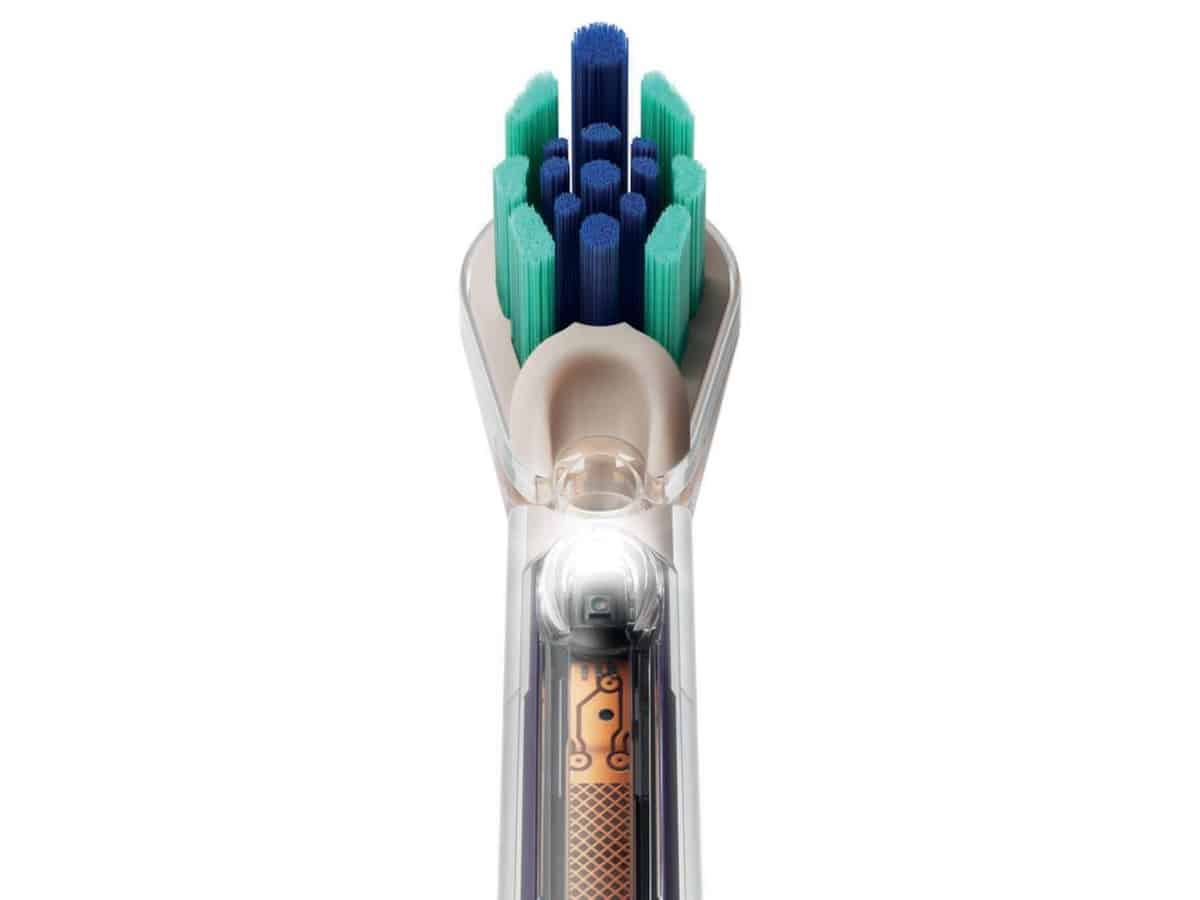
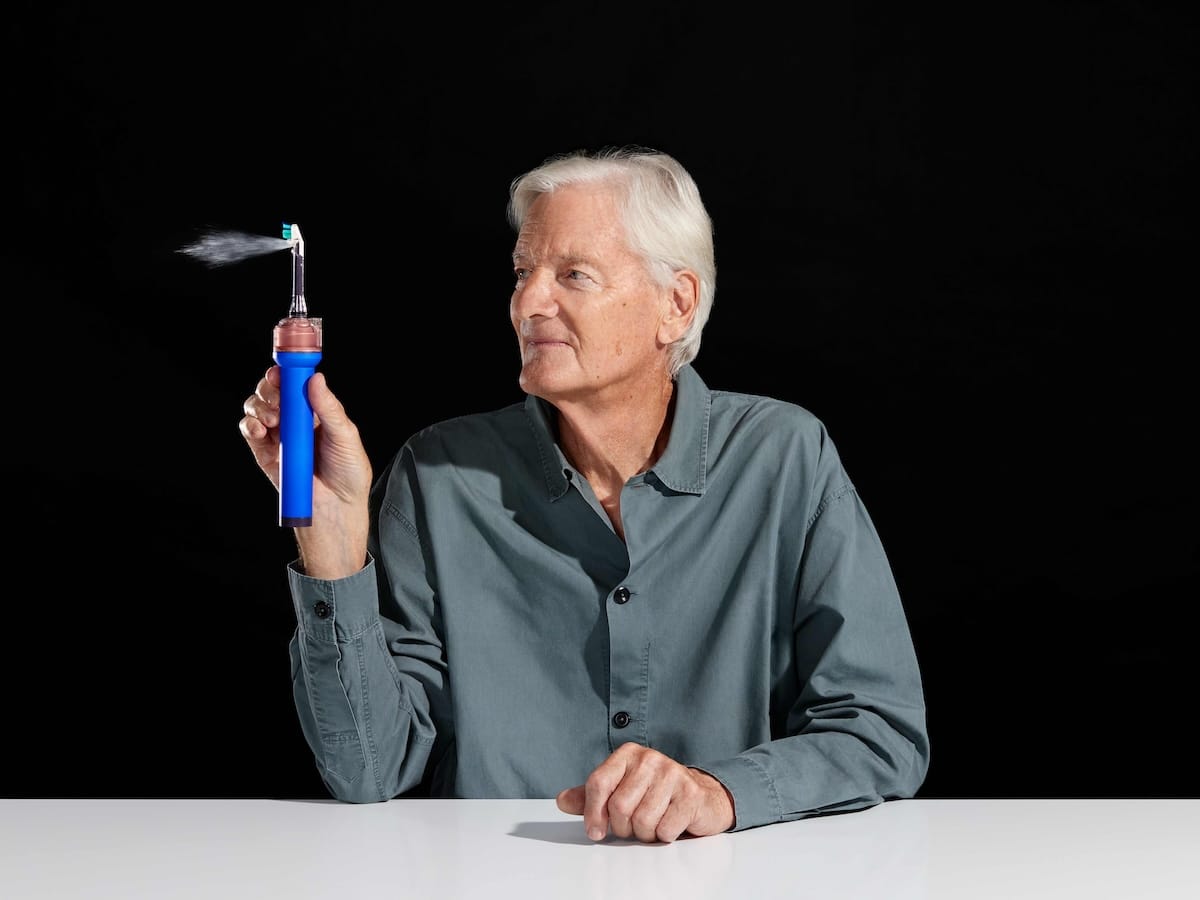
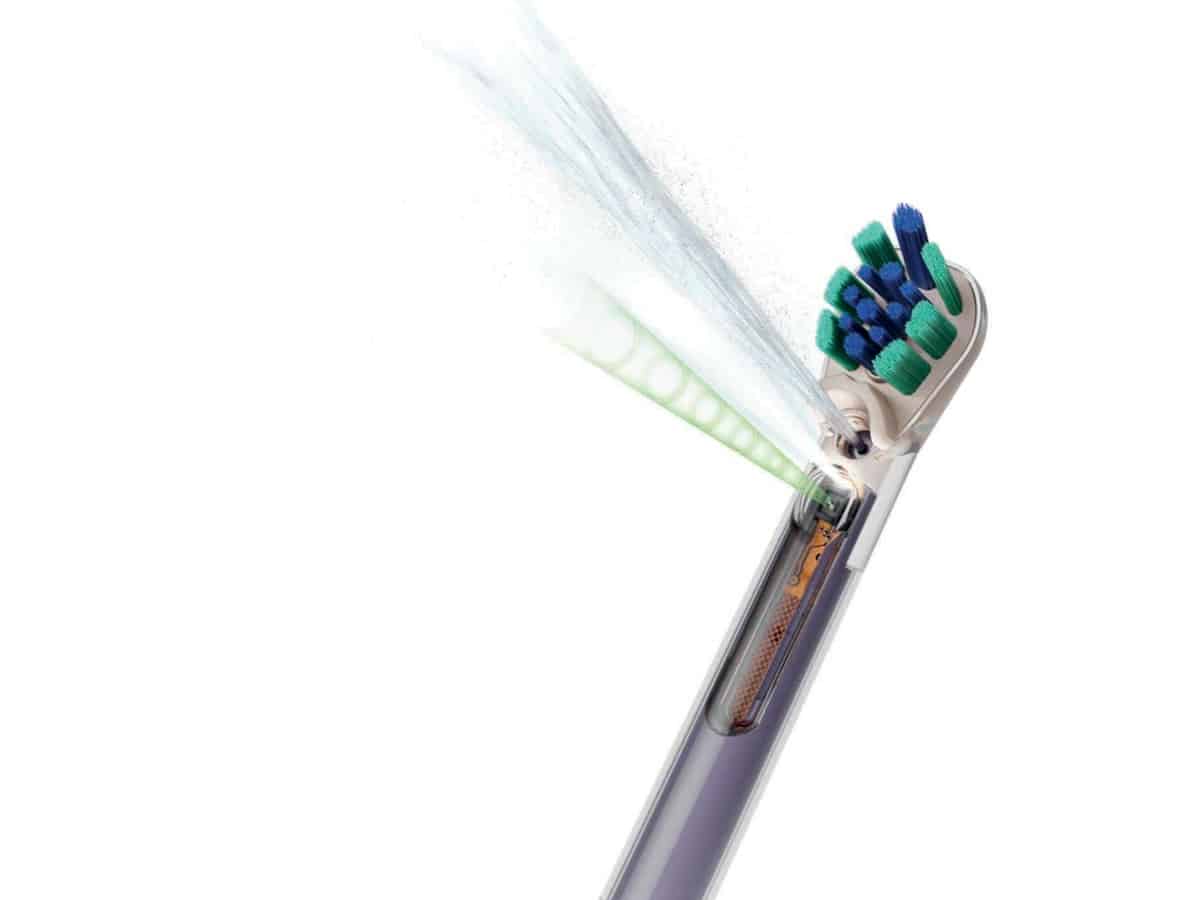
At the core of the Dyson CameraJet is a sophisticated vision system centered around a 1mm, 100,000-pixel camera embedded within the brush head. This camera serves as the primary sensor for the device’s machine learning algorithm, which is trained to distinguish between tooth enamel, gum tissue, and the interdental gaps. As the user moves the brush across their teeth, the AI processes visual data in real-time. Upon identifying a gap between two teeth, the system triggers a high-velocity jet of mouth rinse within one-hundredth of a second.

This "jet" system is a departure from traditional water flossers, which typically utilize a continuous stream of high-pressure water. Dyson’s approach utilizes a "high-force" rather than "high-pressure" methodology. The device features a 12.5ml anti-gravity tank that maintains consistent delivery regardless of the brush’s orientation. Each burst of liquid consists of a minuscule 0.01ml dose of mouth rinse, delivered in a conical spray pattern. This specific shape, a recurring motif in Dyson engineering seen in products like the Airwrap and various vacuum components, is designed to maximize surface area coverage and plaque disruption while minimizing the volume of liquid required.
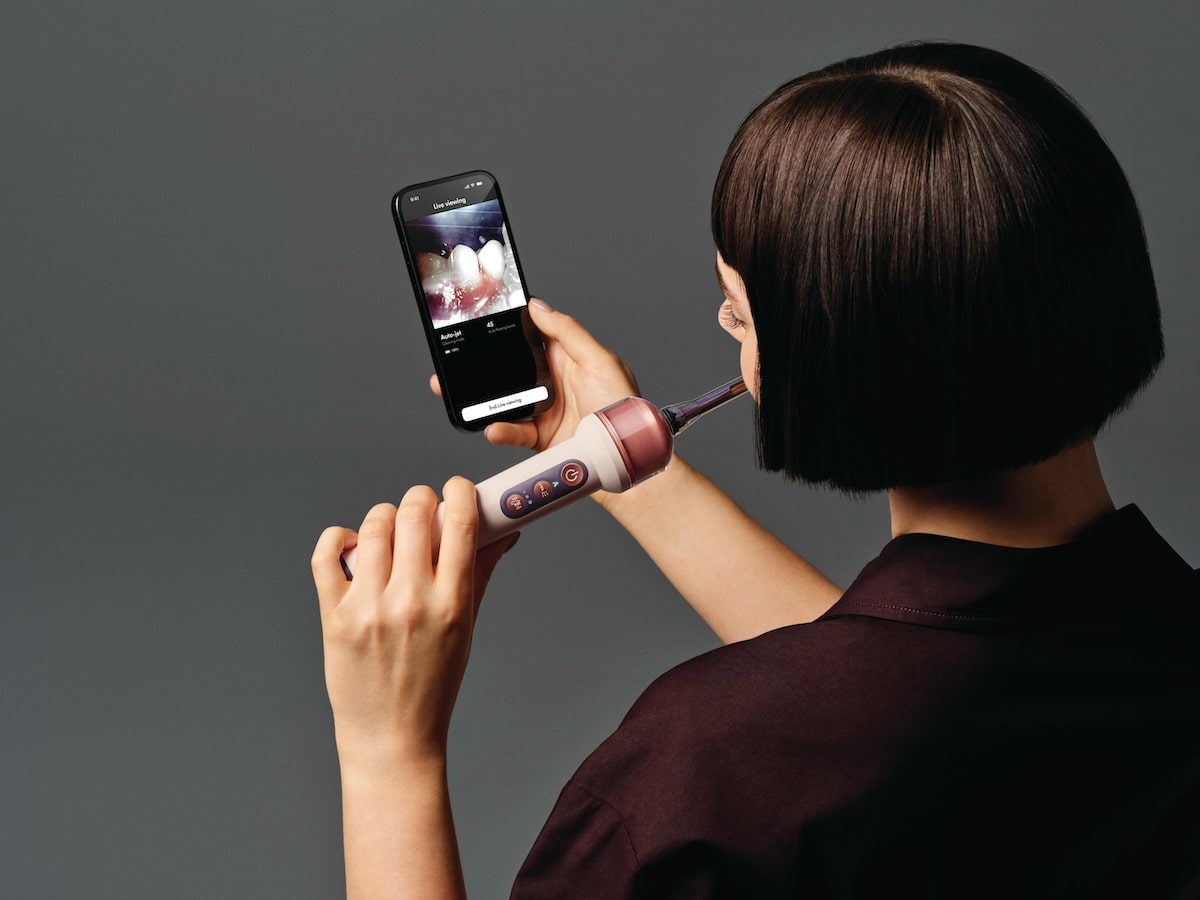
The visual data captured by the 1mm camera is live-streamed to the Dyson App via a secure connection. This feature allows users to inspect their own oral cavity for missed patches of plaque, early signs of tooth decay, or foreign objects like food particles. Addressing potential privacy concerns inherent in placing a camera-equipped device in a bathroom environment, Dyson has stated that the footage is used for live-streaming purposes only and is never stored on the device, in the cloud, or on the company’s servers.
Clinical Context and the Importance of Interdental Cleaning
The medical necessity of the CameraJet’s features is underscored by dental professionals. Dr. Mikaela Chinotti, a dentist representing the Australian Dental Association (ADA), noted that traditional brushing is insufficient for total oral health. According to Dr. Chinotti, regardless of a person’s brushing technique, the bristles of a standard toothbrush are physically unable to reach the spaces between teeth. This necessitates "interdental cleaning," which can be achieved through traditional floss, interdental brushes, or water flossers.
Failure to clean these areas significantly increases the risk of gum disease, which, if left untreated, can progress to periodontitis, pain, and eventual tooth loss. Dr. Chinotti identified several barriers to consistent flossing, including lack of habit formation, physical discomfort, and the "messy" nature of the process involving saliva and occasional bleeding. By automating the flossing process during the two-minute brushing cycle, Dyson aims to eliminate these behavioral barriers. However, clinical experts suggest that users may require a period of adjustment to the sensation of concentrated liquid bursts while brushing, as it differs significantly from the steady flow of a conventional water flosser.
A Five-Year Chronology of Development and Testing
The development of the CameraJet was led by Rich Bacon, Dyson’s Head of Product Programmes. The project began approximately five years ago with a mandate to apply Dyson’s expertise in vision systems and fluid dynamics to the medical and personal care space. The engineering team faced two primary challenges: miniaturizing a high-resolution camera to fit within a standard brush head and developing a fluid delivery system that could operate effectively with a very small reservoir.
During the development phase, Dyson engineers experimented with needle-thin jets, which are common in industrial cleaning. However, testing revealed that these could be abrasive to sensitive gum tissue and failed to provide the necessary coverage for effective plaque removal. This led to the adoption of the conical spray tip, which balances force with safety.
The testing protocols for the CameraJet were extensive, mirroring the "torture tests" used for Dyson’s vacuum cleaners. At the Singapore R&D facility, the device was subjected to various stress tests, including:
- Drop Testing: The brush was dropped from heights of 30cm (simulating a fall into a sink), 1 meter (waist height), and 1.3 meters (mouth height) to ensure the internal camera and electronics remained functional after impact.
- Accuracy Testing: Robotic arms used the brush on 3D-scanned models of human teeth coated in synthetic plaque. A secondary 3D scanner then analyzed the "hit rate" of the interdental jets to ensure the machine learning algorithm was firing correctly.
- Durability Testing: Machines simulated six months of heavy usage on the brush heads and the internal pump system to identify potential points of mechanical failure.
Consumables and Market Positioning
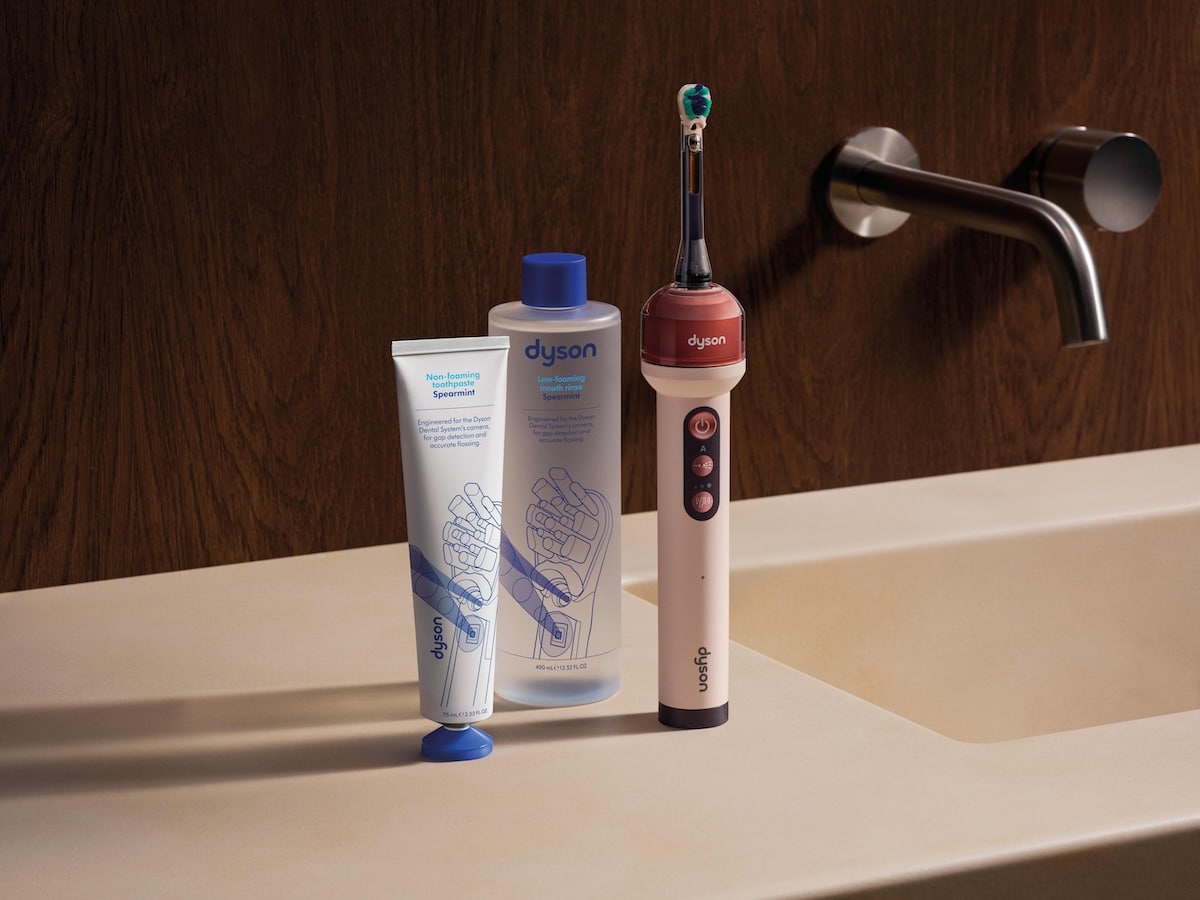
To complement the hardware, Dyson is launching a proprietary line of oral care consumables. This includes a non-foaming toothpaste and an alcohol-free mouth rinse, available in "Mint" and "Ginger Mint" flavors. The non-foaming nature of the toothpaste is a functional requirement rather than an aesthetic choice; standard toothpastes create a dense foam that would obscure the camera’s lens, rendering the AI-guided flossing system ineffective. While users can technically use other non-foaming products, Dyson’s formulations are optimized for the CameraJet’s sensors.
In terms of market competition, the CameraJet enters at the high end of the electric toothbrush spectrum. At $799, it is more expensive than the flagship models from Philips Sonicare but remains lower than the $999 recommended retail price (RRP) of the Oral-B iO Series 10. While the Oral-B model offers localized pressure sensors and "live coaching" via a charging base, it lacks the integrated camera and automated flossing jet that define the Dyson offering.
Broader Implications for Health Technology
The launch of the CameraJet signals a broader trend in the consumer electronics industry toward "proactive health" devices. By providing users with a high-definition view of their own dental health, Dyson is shifting the toothbrush from a simple cleaning tool to a diagnostic instrument. This could potentially lead to earlier detection of dental issues, reducing the need for invasive and expensive emergency dental procedures.
Furthermore, the CameraJet’s reliance on machine learning and vision systems suggests that Dyson may be looking to apply these technologies to other personal care areas in the future. The integration of high-speed sensors into a handheld consumer device demonstrates a level of computational power previously reserved for industrial applications.
As the product reaches the Australian market on September 14, the primary challenge for Dyson will be consumer education. The company has acknowledged that the CameraJet requires a slight adjustment in technique; users must hold the brush relatively horizontal to ensure the camera can accurately map the interdental gaps. Whether the average consumer is willing to pay a significant premium for an automated flossing experience and a "mouth-view" camera remains to be seen, but the CameraJet undoubtedly represents one of the most significant technological leaps in the history of oral hygiene.



 Joko Widodo
 admin
admin
 Yuyun Lusiyani
 Pevita Pearce
 Nana Wu