
 Pevita Pearce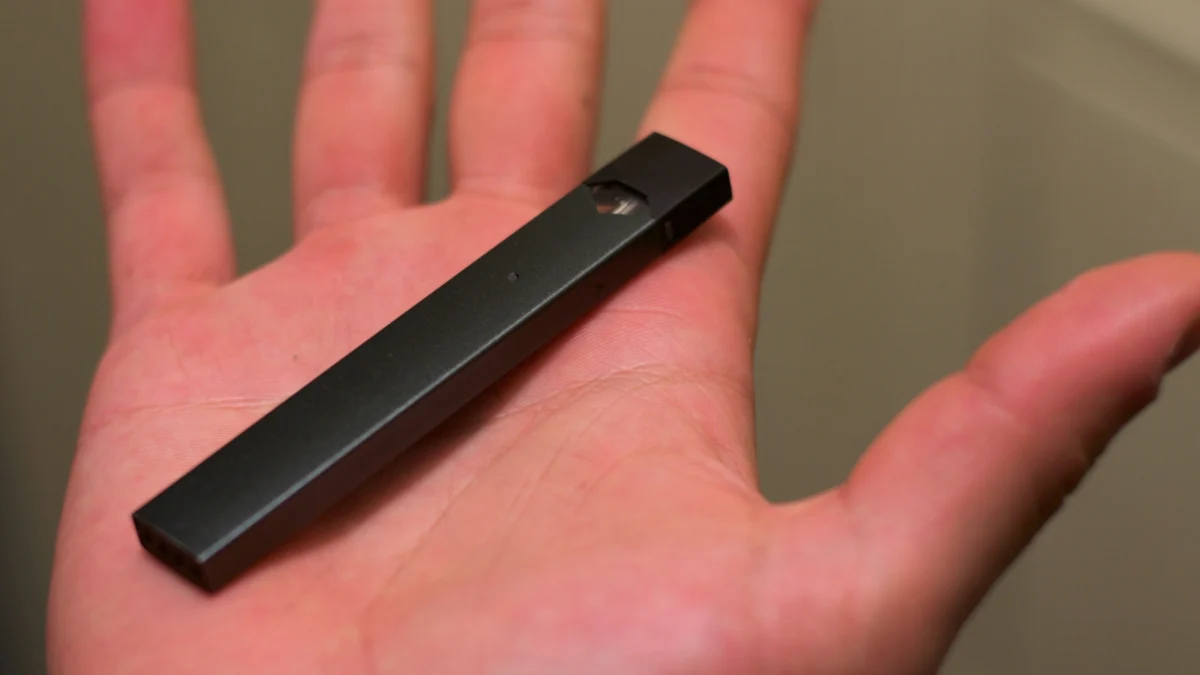
The United States Food and Drug Administration (FDA) has officially issued marketing granted orders (MGOs) to Juul Labs Inc. for its JUUL2 System, a move that represents a pivotal turning point for the embattled electronic cigarette manufacturer. This authorization, announced on August 28, permits the company to market and sell its next-generation device alongside specifically formulated tobacco and menthol-flavored pods. Notably, the JUUL2 system incorporates sophisticated age-verification technology designed to restrict access to minors, addressing one of the primary criticisms that has dogged the company for nearly a decade.
The FDA’s decision follows an exhaustive scientific review of the company’s Premarket Tobacco Product Applications (PMTAs). Under the Federal Food, Drug, and Cosmetic Act, the FDA must determine that the marketing of a new tobacco product is "appropriate for the protection of the public health" (APPH). This standard requires the agency to balance the potential benefits to adult smokers—specifically the likelihood that they will completely switch from combustible cigarettes—against the risks to the broader population, particularly the potential for youth initiation and addiction.
The Technical Evolution of the JUUL2 System
The JUUL2 System is a significant technological departure from the original Juul device that became synonymous with the "vaping epidemic" of the late 2010s. The new system includes a rechargeable device and disposable pods containing a nicotine salt-based liquid. The authorized products specifically include the JUUL2 Handheld Device and JUUL2 Pods in Virginia Tobacco and Crisp Menthol flavors, both with a nicotine concentration of 1.7% (approximately 21.6 mg/mL).
Central to the JUUL2’s regulatory approval is its integrated digital platform. The device is designed to pair with a mobile application that facilitates an optional but highly encouraged age-verification process. This system requires users to verify their identity and age against third-party databases before the device can be fully unlocked for use. Furthermore, the JUUL2 employs a "pod-authentication" feature. This proprietary technology ensures that the device will only function when an authentic, authorized JUUL2 pod is inserted. By implementing this "walled garden" approach, Juul Labs aims to combat the proliferation of illicit, counterfeit, and compatible third-party pods that often lack quality control and safety standards.
According to Juul Labs, the authentication method was developed specifically to address the "illicit product" market while incorporating capabilities that prevent unauthorized users from activating the device. The FDA noted that these technological safeguards played a role in the determination that the product met the public health standard, as they provide an additional layer of defense against youth access that was absent in previous iterations of the product.
A Turbulent Regulatory History: From MDO to Authorization
The path to authorization for JUUL2 was paved with significant legal and regulatory hurdles. For years, Juul Labs was the primary target of federal and state investigations regarding its marketing practices. In June 2022, the FDA initially issued a Marketing Denial Order (MDO) for Juul’s first-generation products, ordering them off the market. The agency cited concerns regarding the toxicology data provided by the company, specifically regarding the potential for harmful chemicals to leach from the pods’ heating coils.
Juul Labs immediately challenged the MDO in court and requested an administrative stay. In a rare move, the FDA later rescinded the MDO and placed the applications back into "scientific review," admitting that there were unique legal issues and that additional review was warranted. During this period, Juul Labs continued to sell its original products under a stay of enforcement.
The authorization of JUUL2 serves as a formal recognition from the FDA that the company has addressed many of the scientific and safety concerns raised during the 2022 review. However, it is important to note that this authorization only applies to the JUUL2 system. The original JUUL system remains under separate review or subject to different regulatory statuses depending on the specific flavor and nicotine strength.
Chronology of Juul’s Rise and Regulatory Conflict
To understand the weight of the JUUL2 authorization, one must look at the timeline of the company’s influence on the American tobacco landscape:

- 2015: Juul Labs launches its original device, which quickly gains popularity for its sleek, USB-like design and high nicotine content.
- 2018: The FDA declares youth vaping an "epidemic." Data from the National Youth Tobacco Survey (NYTS) shows a massive spike in e-cigarette use among high school students, with Juul being the most used brand.
- December 2018: Altria Group, the maker of Marlboro, invests $12.8 billion for a 35% stake in Juul Labs, valuing the company at $38 billion.
- 2019: Amidst rising pressure, Juul Labs halts the sale of non-tobacco, non-menthol flavors (such as Mango and Mint) in the U.S. The company also undergoes a leadership change, appointing K.C. Crosthwaite as CEO.
- 2020: Juul submits its PMTAs to the FDA for both its original system and the next-generation JUUL2.
- September 2022: Juul reaches a $438.5 million settlement with 34 states and territories following an investigation into its early marketing practices, which allegedly targeted minors through social media and youth-oriented advertising.
- June 2024: The FDA officially rescinds the MDO for Juul’s first-generation products, moving them back into the review phase.
- August 2024: The FDA authorizes the JUUL2 System with age-verification capabilities.
Supporting Data and the Shifting Vaping Market
The authorization comes at a time when the e-cigarette market has shifted dramatically. While Juul once controlled over 70% of the U.S. e-cigarette market, its share has plummeted to approximately 16% in recent years. This decline is attributed to both regulatory pressure and the rise of disposable e-cigarettes, many of which are manufactured in China and sold in various fruit and candy flavors that remain popular among youth.
Data from the 2023 National Youth Tobacco Survey revealed a significant shift in youth behavior. The report indicated that while overall tobacco use among youth remained a concern, the number of high school students using e-cigarettes dropped from 14.1% in 2022 to 10.0% in 2023. Furthermore, the survey showed that most youth users have moved away from pod-based systems like Juul in favor of disposable brands like Elf Bar and Esco Bars.
This shift in the "threat profile" may have influenced the FDA’s decision-making process. By authorizing a regulated, tobacco-flavored product with strict age-verification technology, the FDA provides adult smokers with a legal, monitored alternative to the unregulated "gray market" of flavored disposables.
Official Responses and Public Health Reactions
The FDA’s Center for Tobacco Products (CTP) emphasized that the authorization does not mean these products are "safe" or "FDA-approved" in the same way a medication is. Instead, it means the products have met the legal requirements for marketing. Brian King, Ph.D., Director of the FDA’s CTP, has frequently stated that the agency remains committed to a "science-based" approach that prioritizes protecting youth while recognizing the potential for harm reduction in adults.
Juul Labs welcomed the decision, viewing it as a validation of their commitment to technology-led harm reduction. In a statement following the authorization, the company noted that JUUL2 is a "fundamental reset" for the brand. They highlighted that the device’s ability to lock out unauthorized users is a "first-of-its-kind" feature in the authorized U.S. market.
However, public health advocacy groups have expressed skepticism. Organizations such as the Campaign for Tobacco-Free Kids and the American Lung Association have long argued that any Juul product poses a risk to youth. These groups often point out that menthol remains a "characterizing flavor" that appeals to young people and have urged the FDA to ban menthol in all tobacco products, including e-cigarettes. Critics also argue that "optional" age verification may not be a sufficient deterrent if the device can still function in a basic capacity without the app.
Broader Impact and Implications for the Industry
The authorization of JUUL2 sets a significant precedent for the tobacco industry. It signals that the FDA is willing to permit the marketing of e-cigarette devices if they include robust, integrated technological solutions to prevent youth access. This may spur a "tech race" among other manufacturers, such as NJOY and Vuse, to implement similar Bluetooth-enabled or biometric features in their future PMTA submissions.
Furthermore, the decision highlights the FDA’s current enforcement priorities. By authorizing JUUL2, the agency is effectively drawing a line in the sand: regulated, tobacco-flavored products with age-gate technology are permissible, while flavored, disposable products without such safeguards remain the target of increased enforcement actions and import bans.
For Juul Labs, this authorization is a lifeline. After years of litigation, including a massive $1.2 billion settlement in 2024 to resolve thousands of lawsuits related to youth vaping, the company is seeking to regain its footing as a legitimate player in the "reduced-risk" nicotine market. The success of JUUL2 will likely depend on whether adult smokers are willing to adopt the app-based verification system and whether the device can effectively compete with the cheaper, flavored disposables currently dominating the market.
As the JUUL2 system enters the retail space, the FDA will continue to monitor its impact. The marketing granted orders are not permanent; the FDA has the authority to withdraw authorization if it determines that the product’s marketing is no longer appropriate for the protection of public health—specifically if youth initiation rates for JUUL2 begin to climb. For now, the authorization represents a new chapter in the ongoing effort to balance innovation, adult choice, and the protection of the next generation from nicotine addiction.




 Joko Widodo
 admin
admin
 Nila Kartika Wati
 Lina Irawan
 Jia Lissa
 Yuyun Lusiyani