
 Ana Megawati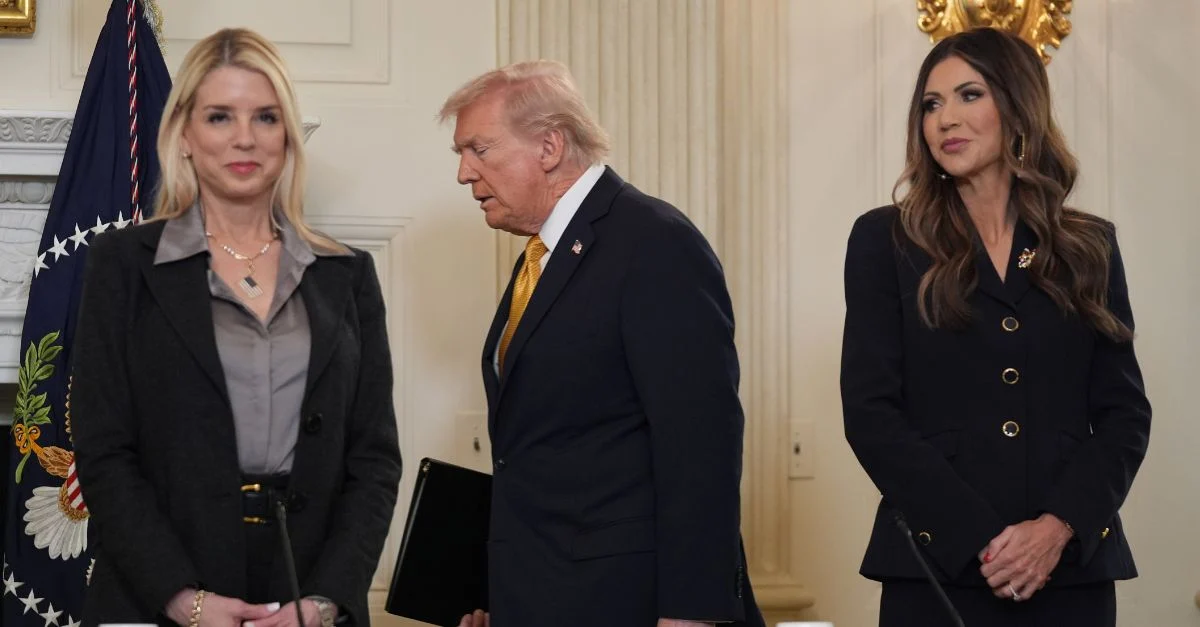
A federal court has delivered a significant blow to the former Trump administration, ruling that it violated the First Amendment by pressuring technology companies, specifically Apple and Facebook, to remove applications and groups critical of Immigration and Customs Enforcement (ICE). The decision, handed down by Chicago-based U.S. District Judge Jorge Luis Alonso, an appointee of former President Barack Obama, found that government agents "coerced" these platforms into suppressing protected speech, marking a critical moment in the ongoing national debate over government influence on online content moderation and free speech.
The Core of the Ruling: Government Coercion and First Amendment Violations
The eight-page memorandum opinion, issued on Thursday, detailed instances from October 2025 where the Trump administration allegedly exerted undue pressure. One such instance involved Apple, which was "coerced" into removing the "Eyes Up" application from its App Store. This app allowed users to "post videos and information regarding ICE activity," serving as a community-driven platform for documenting and discussing immigration enforcement actions. Simultaneously, Facebook was similarly pressured to remove the "ICE Sightings – Chicagoland" group, which facilitated a comparable exchange of information and videos among citizens regarding ICE operations in the Chicago area.
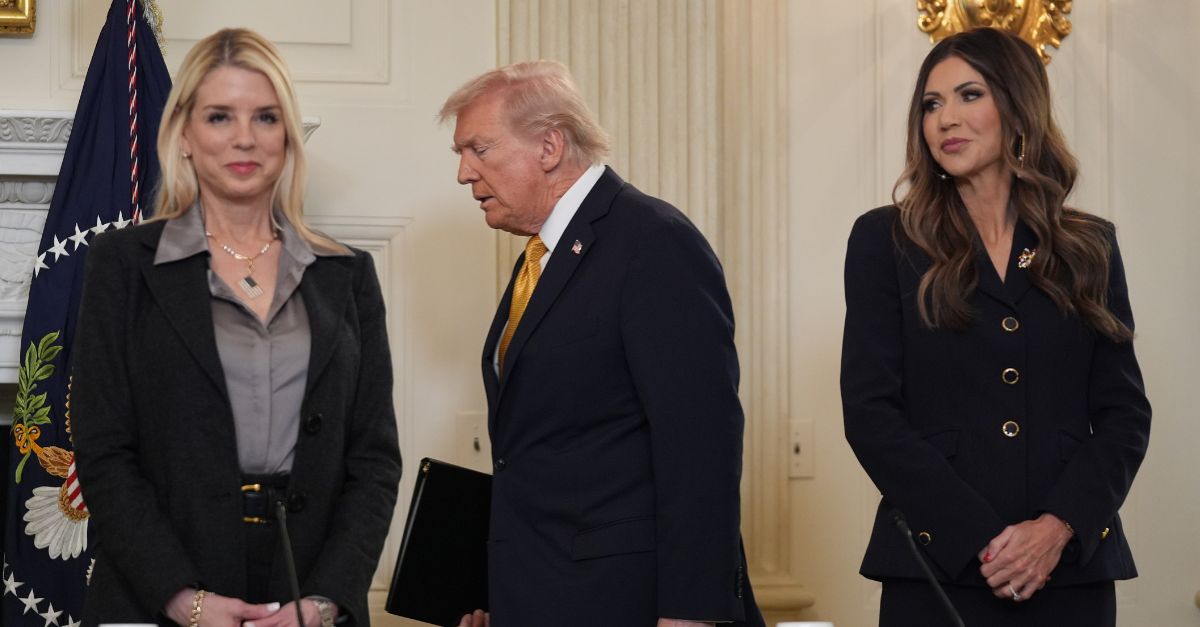
These actions, the court concluded, constitute a clear violation of the First Amendment, which prohibits the government from compelling private entities to censor speech, even if that speech is critical of government agencies. The lawsuit, filed in February of "this year" by the creators of the "Eyes Up" app and the "ICE Sightings – Chicagoland" Facebook group, specifically named then-Attorney General Pam Bondi and erstwhile Department of Homeland Security (DHS) Secretary Kristi Noem as central figures in the alleged coercion. The plaintiffs argued that without judicial intervention, this "unconstitutional coercion will continue." Judge Alonso’s ruling grants a preliminary injunction, the specific terms of which are expected to be set later this month, effectively siding with the plaintiffs and underscoring the court’s agreement with their constitutional claims.
Background: A Climate of Scrutiny and Digital Activism
To understand the context of this ruling, it’s crucial to recall the contentious environment surrounding immigration policy and enforcement during the Trump administration. ICE, as the primary federal agency responsible for immigration enforcement within the United States, was frequently at the center of public and political debate. Its actions, particularly concerning arrests, detentions, and deportations, drew both strong support and fierce criticism.
In this highly charged atmosphere, digital platforms became crucial tools for activists, civil liberties advocates, and concerned citizens to monitor, document, and share information about ICE activities. Applications like "Eyes Up" and Facebook groups such as "ICE Sightings – Chicagoland" emerged as grassroots efforts to provide real-time updates, foster community discussion, and, in some cases, offer mutual aid or legal information related to immigration enforcement. These platforms were often seen by critics of government policy as vital for transparency and accountability, while proponents of stricter enforcement sometimes viewed them as tools for obstruction or even harassment of law enforcement officials.
The broader landscape of government-tech relations during this period also plays a significant role. The Trump administration, like others before and after it, often expressed concerns about content on social media platforms, ranging from alleged political bias to the spread of misinformation and calls for violence. However, the line between legitimate governmental concern for public safety and unconstitutional pressure on private companies to suppress dissent became a recurring point of contention. This ruling adds a critical legal precedent to that ongoing discussion, particularly concerning speech critical of government operations.
Chronology of Events: From Social Media Posts to Federal Court
The sequence of events leading to the federal court’s decision provides a clear timeline of the alleged coercion:
The controversy ignited on October 12, 2025, when conservative social media influencer Laura Loomer posted a link to the "ICE Sightings – Chicagoland" Facebook group, notably tagging both Pam Bondi and Kristi Noem in her post. This action effectively brought the group to the direct attention of high-ranking Trump administration officials.
Just two days later, on October 14, 2025, the "ICE Sightings – Chicagoland" group vanished from Facebook. The timing was immediately followed by public statements from the very officials who had been tagged. Pam Bondi posted on social media: "Today following outreach from [the DOJ], Facebook removed a large group that was being used to dox and target [ICE] agents in Chicago." On the same day, Kristi Noem echoed this sentiment, stating: "Today, thanks to [the DOJ], Facebook removed a large page being used to dox and threaten our ICE agents in Chicago." These public pronouncements, claiming credit for the removal, would later become a critical piece of evidence for Judge Alonso in determining government coercion. When media outlets inquired about the DOJ’s involvement, a Facebook spokesperson declined to comment directly, instead pointing to Bondi’s social media post, further suggesting a coordinated action rather than an independent platform decision.
Around the same time in October 2025, the "Eyes Up" application was removed from Apple’s App Store. This removal was part of a broader action targeting "several apps that shared information regarding ICE activity." The government’s involvement here was even more explicit, according to the court’s findings. Apple informed the app’s creators that the removal was due to "information" received from "law enforcement" indicating a violation of Apple’s guidelines.
In February of "this year," the creators of the "Eyes Up" app and the "ICE Sightings – Chicagoland" group formally initiated legal action, filing a detailed 31-page complaint in federal court. This lawsuit meticulously outlined two distinct violations of the First Amendment, attributing them directly to the actions of Pam Bondi and Kristi Noem.
Finally, on Thursday, Judge Jorge Luis Alonso issued his memorandum opinion, agreeing with the plaintiffs and granting the preliminary injunction. This ruling marks a pivotal moment, validating the plaintiffs’ claims of unconstitutional government overreach.
The Court’s Scrutiny of Tech Companies’ Justifications
A key aspect of Judge Alonso’s ruling involved his skepticism regarding the justifications provided by Apple and Facebook for their content removals. The court’s order meticulously detailed how Facebook’s internal review processes contradicted the immediate disabling of the "Chicagoland" group. Prior to October 14, out of thousands of posts and tens of thousands of comments within the group, Facebook’s own moderators had identified and removed only five posts or comments for purportedly violating its guidelines. Crucially, the court noted, "Facebook’s policies do not call for disabling groups if just a few members post prohibited conduct." This suggested that the group’s removal was an anomaly, inconsistent with the platform’s standard enforcement protocols, and therefore likely influenced by external pressure.
Similarly, Apple’s explanation for removing "Eyes Up" was questioned. The court found that Apple had independently reviewed the app in August 2025, two months prior to its removal. During that earlier review, "Eyes Up" was already available on its website, and Apple possessed full knowledge of its purpose, the types of videos it hosted, and its operational mechanics. The sudden reversal of Apple’s position, following "information" from "law enforcement," strongly indicated that the decision was not based on new, independent assessment of guideline violations, but rather on direct governmental intervention.
In his analysis, Judge Alonso made quick work of the constitutional issues, stating unequivocally, "The Court finds that Plaintiffs have shown that their injuries are likely traceable to government-coerced enforcement." He elaborated that the officials "reached out to Facebook and Apple and demanded, rather than requested, that Facebook and Apple censor Plaintiff’s speech."
The Legal Basis of Coercion: A Three-Pronged Test
Judge Alonso’s opinion carefully laid out the evidence for government coercion, highlighting three key factors that collectively demonstrated the unconstitutional pressure:
- Prior Approval and Reversal: Both Facebook and Apple had previously reviewed the content in question – the Chicagoland group and the Eyes Up app, respectively. In both instances, they had initially determined that the content met their platform requirements and guidelines. This established a baseline of acceptability from the tech companies’ perspective.
- Immediate Change Post-Government Contact: Crucially, both Facebook and Apple dramatically reversed their positions and removed the content immediately after the named Defendants (Bondi and Noem) contacted them about it. This abrupt shift, without apparent new violations or changes in platform policy, strongly suggested a causal link between the government’s outreach and the companies’ actions.
- Public Credit-Taking: The Defendants’ subsequent public statements, taking credit for the removal of the content, further solidified the case for coercion. These statements, widely disseminated, indicated that the government officials not only influenced the decision but also intended to communicate their success in suppressing the targeted speech.
The judge concluded that "Defendants’ actions can be reasonably understood to convey a threat of adverse government action against Facebook and Apple in order to suppress Plaintiffs’ speech." This finding is critical, as it addresses the concept of "state action" – when a private entity’s actions become attributable to the government due to coercion or entanglement. The ruling emphasizes that the plaintiffs’ speech "remains suppressed" – the Facebook group is still disabled, and Eyes Up is still unavailable – leading to "continuing, present adverse effects" on their First Amendment rights. The requested injunction, therefore, is deemed necessary to allow Facebook and Apple to "reach their own decisions regarding Plaintiff’s speech rather than be pressured by Defendants."
Inferred Reactions and Broader Implications
While specific statements from all parties are not yet available, the ruling is likely to elicit a range of reactions and carries significant broader implications:
From the Plaintiffs: The creators of "Eyes Up" and "ICE Sightings – Chicagoland" would likely express relief and vindication. Their lawsuit was a direct challenge to what they perceived as government overreach and an attempt to silence critical voices. This ruling affirms their commitment to free speech and the right of citizens to document and discuss government activities. They would likely emphasize the importance of digital platforms as spaces for advocacy and accountability, free from unconstitutional interference.
From Former Trump Administration Officials (Bondi, Noem): Pam Bondi and Kristi Noem, or their representatives, might defend their past actions as necessary measures taken in the interest of national security or to prevent the "doxing" and potential harm to law enforcement officers. They might argue that the content in question posed genuine threats or violated acceptable community standards, irrespective of government contact. Alternatively, they might offer "no comment" given the ongoing legal proceedings. The concept of "doxing," or the publication of private identifying information about an individual, often sparks intense debate about balancing free speech with personal safety and privacy.
From Tech Companies (Apple, Facebook): Apple and Facebook would likely issue cautious statements, emphasizing their commitment to complying with court orders and upholding their platform policies. They are in a delicate position, balancing user rights, government demands, and their own business interests. This ruling adds another layer of complexity to their content moderation decisions, potentially making them more resistant to informal government "requests" that could be interpreted as coercion. They may reaffirm their independent decision-making processes, even if the court found otherwise in this specific instance.
From Civil Liberties Organizations: Groups like the American Civil Liberties Union (ACLU) and others dedicated to protecting First Amendment rights would likely praise the ruling as a crucial victory for free speech online. They would emphasize the dangers of government agencies using their power to silence dissent through indirect means, highlighting the importance of robust judicial oversight to prevent such abuses. This ruling would be seen as a strong affirmation that the government cannot outsource censorship to private companies.
Broader Impact and Future Precedent:
This preliminary injunction carries significant implications for the future of content moderation and government-tech relations:
- Setting a Precedent for Government Influence: The ruling establishes a powerful precedent against government agencies coercing private platforms to remove content. It reinforces the idea that the First Amendment applies not only to direct government censorship but also to indirect pressure that achieves the same outcome. This could influence how future administrations interact with tech companies on a wide range of content issues, from political speech to public health information.
- Strengthening Free Speech Online: For advocates of online free speech, this decision is a major win. It affirms that platforms, even private ones, cannot be compelled by the government to suppress speech critical of official policies or actions. This is particularly relevant in an era where much of public discourse and political organizing happens digitally.
- Clarifying Tech Company Autonomy: The ruling implicitly encourages tech companies to maintain their independent judgment in content moderation. If platforms can be held accountable for acting under government coercion, they have a stronger incentive to resist such pressure and adhere strictly to their own published terms of service, rather than succumbing to political demands.
- The "State Action" Doctrine: The case further clarifies the "state action" doctrine in First Amendment law, demonstrating how private actors can become governmental agents when their decisions are effectively dictated by state power. This is a crucial area of law that will likely see more development as technology continues to evolve and governments increasingly seek to regulate online spaces.
- Political Ramifications: The decision will undoubtedly fuel the ongoing political debate about social media regulation, censorship, and the power of tech giants. It might lead to renewed calls for clear guidelines on how governments can communicate with platforms about problematic content without infringing on constitutional rights.
In conclusion, Judge Alonso’s ruling serves as a powerful judicial check on executive power, reaffirming the enduring vitality of the First Amendment in the digital age. By granting a preliminary injunction, the court has sent a clear message that the government cannot bypass constitutional protections by pressuring private companies to do its censorship for it. As the terms of the injunction are set and the case potentially proceeds, its long-term impact on free speech, government accountability, and the operational independence of technology platforms will continue to unfold.



 Yuyun Lusiyani
 Joko Widodo
 Jia Lissa
 Pevita Pearce
 admin
admin
