Ana Megawati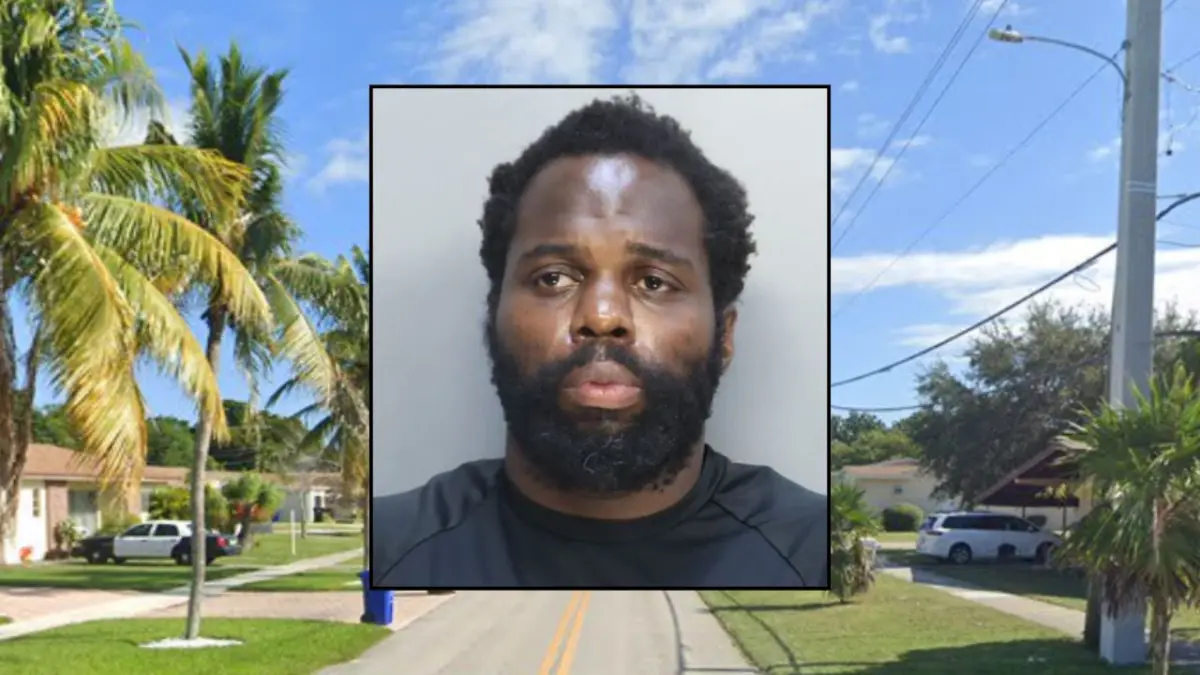
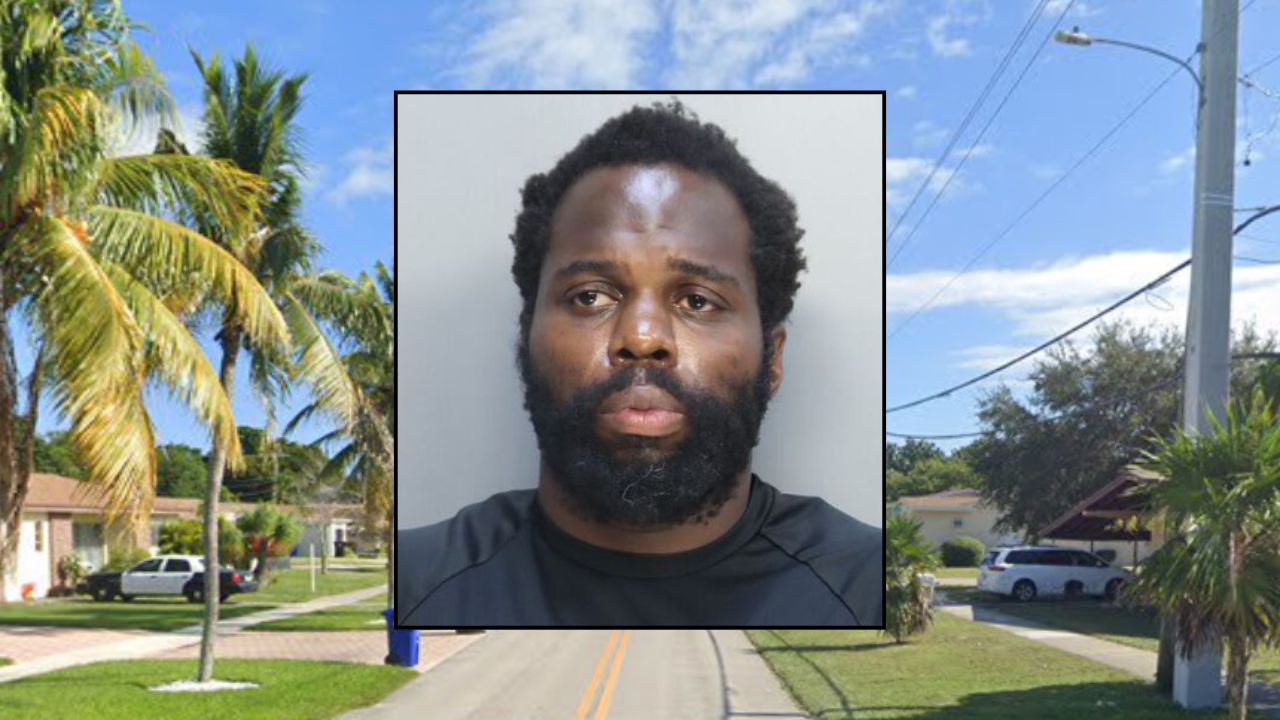
A 40-year-old father in Miami, Florida, Wendy Louis, has been taken into custody and charged with two counts of felony child neglect without great bodily harm, following grave allegations from his two young children detailing severe abuse, prolonged starvation, and confinement. The disturbing accusations, which emerged after the children reportedly contacted relatives, paint a grim picture of extreme deprivation, including claims of being denied food for days, forced to drink shower water, confined to their rooms, and made to use a bucket as a toilet for extended periods. This case has drawn significant attention to the critical issue of child welfare and the vigilance required from communities and authorities to protect vulnerable children.
Allegations of Severe Neglect and Deprivation Emerge
The investigation into Wendy Louis began on the morning of October 13, when deputies from the Miami-Dade Sheriff’s Office responded to a welfare check at his residence in the 1000 block of NE 175th Street in Miami. The welfare check was prompted by concerned relatives who had been contacted by the children themselves. According to a probable cause affidavit, the children relayed horrifying accounts of their living conditions, stating they were routinely denied food for days, permitted only to drink water from the shower, and kept isolated within their rooms, expressly forbidden from using a proper restroom facility.
Upon arrival, deputies observed the children, noting their "extremely small and thin" stature for their age, a physical manifestation consistent with prolonged malnutrition. Their hair was described as "unkempt and matted," further indicating a severe lack of basic hygiene and care. The children corroborated the relatives’ reports, explaining that their father often withheld food due to a delusional belief that the government was "putting stuff in the food." This alleged paranoia, while not a legal defense for neglect, introduces a disturbing psychological dimension to the case, suggesting potential mental health challenges on the part of the accused.
Beyond the physical neglect, the children also described profound social and educational deprivation. They informed deputies that they had not attended school since August 2025, and their father had not been providing them with homeschooling, effectively isolating them from formal education and social interaction crucial for development. The documents allege that Louis "failed to provide and protect" his children, neglecting his fundamental parental duty to ensure their physical and mental well-being. Louis notably refused to be interviewed by investigators, an action often interpreted as a lack of cooperation, although it is within his legal rights.
Chronology of Events Leading to Arrest
The timeline of this distressing case began to unfold with the children’s desperate outreach to their relatives, the precise date of which is not specified in the initial reports but preceded the official welfare check.
- August 2025: The children report that this was the last time they attended school, marking a significant period of educational neglect.
- Prior to October 13: The children, reportedly enduring prolonged periods of starvation and confinement, manage to contact family members, relaying the details of their alleged abuse and the unsanitary conditions, including the forced use of a bucket as a toilet.
- October 13, 7:00 AM: Prompted by the relatives’ alarm, deputies from the Miami-Dade Sheriff’s Office arrive at Wendy Louis’s home in Miami to conduct a welfare check. During this visit, they interview the children and make observations consistent with the allegations of neglect.
- October 13, 4:00 PM: Following the initial investigation and collection of evidence, Wendy Louis is located and arrested in the 13000 block of Biscayne Boulevard in North Miami.
- Post-Arrest, October 13: Louis is transported and booked into the Turner Guilford Knight Correctional Center.
- October 15 (Thursday morning): As of this date, Louis’s bond status is listed as "to be set," indicating the serious nature of the charges and the ongoing legal process. The specific date for his court appearance remains unclear.
This chronology highlights the swift response of law enforcement once the allegations were brought to light, underscoring the urgency often associated with suspected child neglect cases.
Legal Framework and Charges: Felony Child Neglect in Florida
Wendy Louis faces two counts of felony child neglect without great bodily harm. In Florida, child neglect is defined under Florida Statute 827.03 as a caregiver’s "willful or negligent disregard of the child’s basic needs." This can include failing to provide necessary food, clothing, shelter, supervision, medical care, or education. While "great bodily harm" implies severe physical injury, "without great bodily harm" still carries significant legal consequences, particularly when the neglect leads to the risk of serious physical or mental injury or the failure to thrive.
A felony charge of child neglect, even without great bodily harm, is typically a third-degree felony in Florida. This offense can carry a maximum penalty of up to five years in state prison, five years of probation, and a $5,000 fine for each count. The severity of the alleged neglect in this case – involving prolonged starvation, unsanitary living conditions, and educational deprivation – could influence the court’s sentencing should Louis be convicted. The "probable cause affidavit" serves as the foundational legal document outlining the evidence and reasons for Louis’s arrest. It details the deputies’ observations and the children’s statements, providing the initial factual basis for the charges. Louis’s refusal to be interviewed by investigators, while a constitutional right, means that the prosecution will primarily rely on the testimony of the children, the observations of the deputies, and any other physical evidence gathered from the home.
The Pervasive Issue of Child Neglect: Supporting Data and Context
Child neglect remains one of the most prevalent forms of child maltreatment in the United States, often overshadowed by more visible forms of physical or sexual abuse. According to data from the U.S. Department of Health and Human Services, neglect consistently accounts for the largest percentage of substantiated child maltreatment cases annually. For instance, national statistics often show neglect comprising over 60% of all reported and substantiated cases of child abuse and neglect. Florida, a populous state, mirrors these national trends, with thousands of children reported as victims of neglect each year. The Florida Department of Children and Families (DCF) is the primary state agency responsible for investigating such reports and providing intervention services.
The long-term consequences of child neglect are profound and far-reaching. Children subjected to chronic neglect often suffer from developmental delays, cognitive impairments, emotional and behavioral problems, and attachment disorders. Malnutrition, as alleged in Louis’s case, can permanently stunt physical growth and brain development, leading to lifelong health issues. Social isolation and lack of education impede a child’s ability to learn, socialize, and integrate into society, often resulting in poor academic performance, difficulty forming healthy relationships, and an increased risk of mental health conditions such as depression and anxiety in adolescence and adulthood. The alleged use of a bucket as a toilet highlights not only unsanitary conditions but also a severe lack of dignity and basic human rights, which can deeply traumatize a child.
Warning Signs and Community Vigilance
Cases like Wendy Louis’s underscore the critical importance of community vigilance and the recognition of warning signs of child neglect. These signs can be subtle but often include:
- Physical Appearance: Unkempt clothing, poor hygiene (matted hair, body odor), untreated medical conditions, extreme thinness or malnourishment, lack of appropriate clothing for weather.
- Behavioral Indicators: Frequent absences from school, extreme hunger, hoarding food, fatigue, social withdrawal, aggressive or overly compliant behavior, developmental delays, unusual maturity or immaturity for their age.
- Environmental Cues: Unsanitary living conditions, lack of supervision, lack of proper bedding or sleeping arrangements, insufficient food in the home.
The fact that the children themselves reached out to relatives is a testament to their resilience and desperation, but also a stark reminder that children often endure horrific conditions in silence until they find an opportunity or the courage to speak out. Relatives, neighbors, teachers, and other community members play a vital role in identifying and reporting suspected cases to child protective services or law enforcement. Mandatory reporting laws require certain professionals, such as educators and healthcare providers, to report any reasonable suspicion of child abuse or neglect.
Official Responses and the Path Forward
Upon the children’s removal from the home, it is standard procedure for the Florida Department of Children and Families (DCF) to initiate an investigation into the family’s circumstances. The primary goal of DCF is to ensure the safety and well-being of the children. This typically involves placing the children in a safe environment, which could be with relatives (kinship care) or in foster care, depending on the availability of suitable family members and the assessment of their ability to provide a safe and nurturing home. The children would also likely receive medical evaluations to address any physical health issues arising from the alleged neglect and psychological assessments to address trauma. Therapeutic interventions, such as counseling and play therapy, would be crucial for their recovery.
From a judicial perspective, Wendy Louis’s case will proceed through the Florida court system. Following his arrest and booking, he will likely have an arraignment where he will formally enter a plea. Given the felony charges, the case could involve further investigations, discovery processes, and potentially a trial. If convicted, the court will consider various factors during sentencing, including the severity and duration of the neglect, the impact on the victims, Louis’s criminal history (if any), and any mitigating or aggravating circumstances. The state’s attorney will work to ensure justice for the child victims and hold the perpetrator accountable.
Broader Impact and Implications
This case serves as a stark reminder of the hidden struggles many children face and the critical importance of a robust child protection system. It highlights several broader implications:
- Reinforcement of Mandatory Reporting: The case underscores why it is imperative for everyone, especially mandated reporters, to report any suspicion of child abuse or neglect. The intervention in this case began with concerned relatives, demonstrating the power of family and community networks.
- Mental Health and Parental Responsibility: The father’s alleged belief about the government "putting stuff in the food" brings to light the intersection of mental health issues and parental capacity. While mental illness does not excuse neglect, it can be a contributing factor that requires careful consideration and appropriate support systems. However, the paramount responsibility of a parent is the safety and well-being of their children.
- The Silent Victims of Educational Neglect: The children’s reported lack of schooling since August 2025 emphasizes the often-overlooked aspect of educational neglect. Schools are not only places of learning but also crucial environments for identifying signs of abuse and neglect. Their absence from school removes a vital safety net.
- Long-Term Support for Victims: The journey for these children will extend far beyond their father’s legal proceedings. They will require extensive physical, emotional, and psychological support to recover from the trauma and developmental deficits caused by prolonged neglect. Ensuring access to long-term care, stable environments, and specialized therapy is paramount for their future well-being.
The ongoing legal proceedings against Wendy Louis will continue to unfold, but the immediate focus remains on the welfare of the two young victims. This case is a sobering illustration of the vigilance required from society to protect its most vulnerable members and the severe consequences when that protection fails.




 Yuyun Lusiyani
 Joko Widodo
 Eva Lovia
 admin
admin