
 Ana Megawati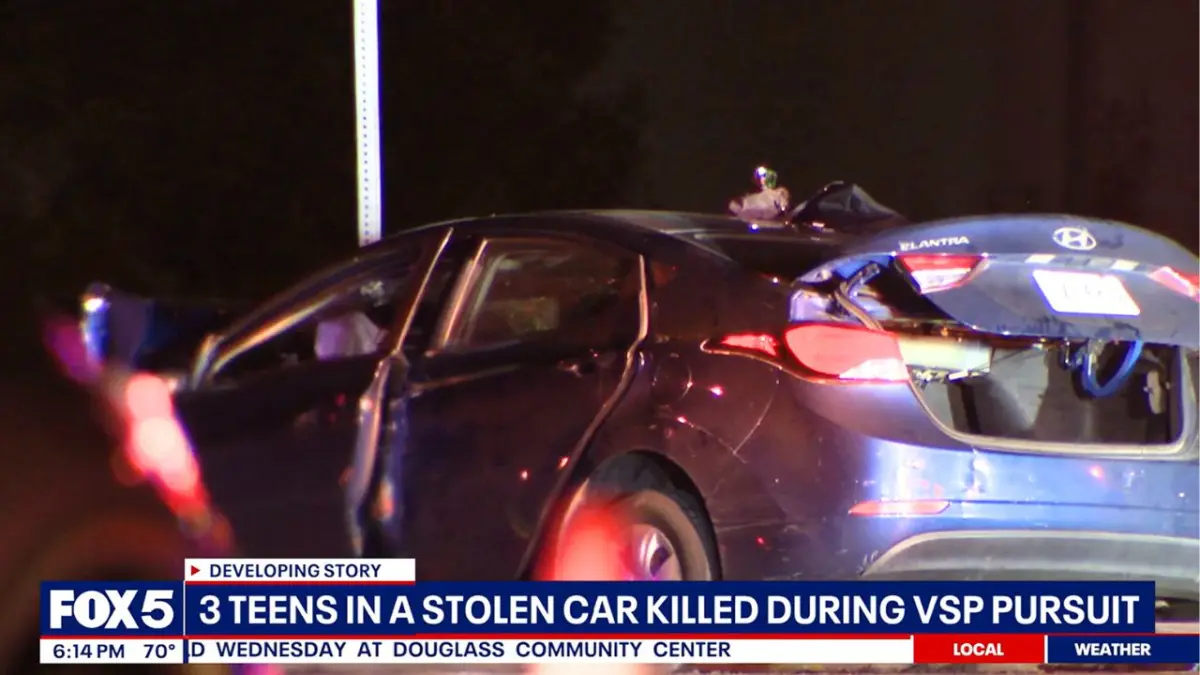
A harrowing incident on Interstate 395 in Virginia has brought into sharp focus the devastating consequences of reckless driving, stolen vehicles, and the intricate challenges faced by law enforcement and medical institutions in the aftermath of severe accidents. A 16-year-old girl, identified as "Marta" by authorities to protect her privacy, was the sole survivor of a high-speed crash that claimed the lives of three of her teenage friends. Compounding the tragedy, Marta’s family endured a agonizing two-week period without knowledge of her critical condition or whereabouts, highlighting potential systemic communication gaps in chaotic emergency scenarios.
The devastating crash, which occurred in the early hours of September 28, involved a stolen vehicle and a police pursuit, culminating in a violent impact that resulted in multiple fatalities. The incident has not only left four families grappling with unimaginable grief and trauma but has also ignited broader discussions about youth safety, responsible driving, and the protocols surrounding police engagements with stolen vehicles.
The Fateful Night: A Detailed Chronology
The events leading to the tragic crash began on the evening of September 27. According to Marta’s sister, who spoke with Telemundo, Marta had received permission from her mother to leave their Maryland home to spend time with friends. Unbeknownst to Marta or her family, the vehicle she would eventually enter was stolen. This detail underscores a common vulnerability among young people who may unknowingly become passengers in compromised situations.
As the night progressed, the stolen car, with four teenagers inside, including Marta, was spotted by Virginia State Police on Interstate 395. Authorities initiated a pursuit, a standard protocol when a stolen vehicle is identified, though such chases inherently carry significant risks to both the public and those involved. The driver, later identified as a 16-year-old boy who was unlicensed, reportedly attempted to evade capture, accelerating to high speeds.
Less than an hour before the crash, Marta managed to contact her family using the driver’s phone. Her sister recounted the chilling conversation to Telemundo, revealing Marta’s growing apprehension. Marta reportedly pleaded with the driver and other occupants to take her home, expressing her discomfort and a premonition that "something was wrong." She told her family that the others insisted on "doing other things" before dropping her off. This call provides a poignant glimpse into the final moments before the catastrophe, painting a picture of a young girl trapped in a rapidly escalating and dangerous situation, powerless to escape.
As the police pursuit intensified, Marta’s fear mounted. Her sister described Marta’s desperate attempts to intervene: "She says she grabbed onto the seat and kept telling them to stop, that she wanted to get out, because she felt something was wrong, that something was going to happen to her." These pleas, tragically, went unheeded.
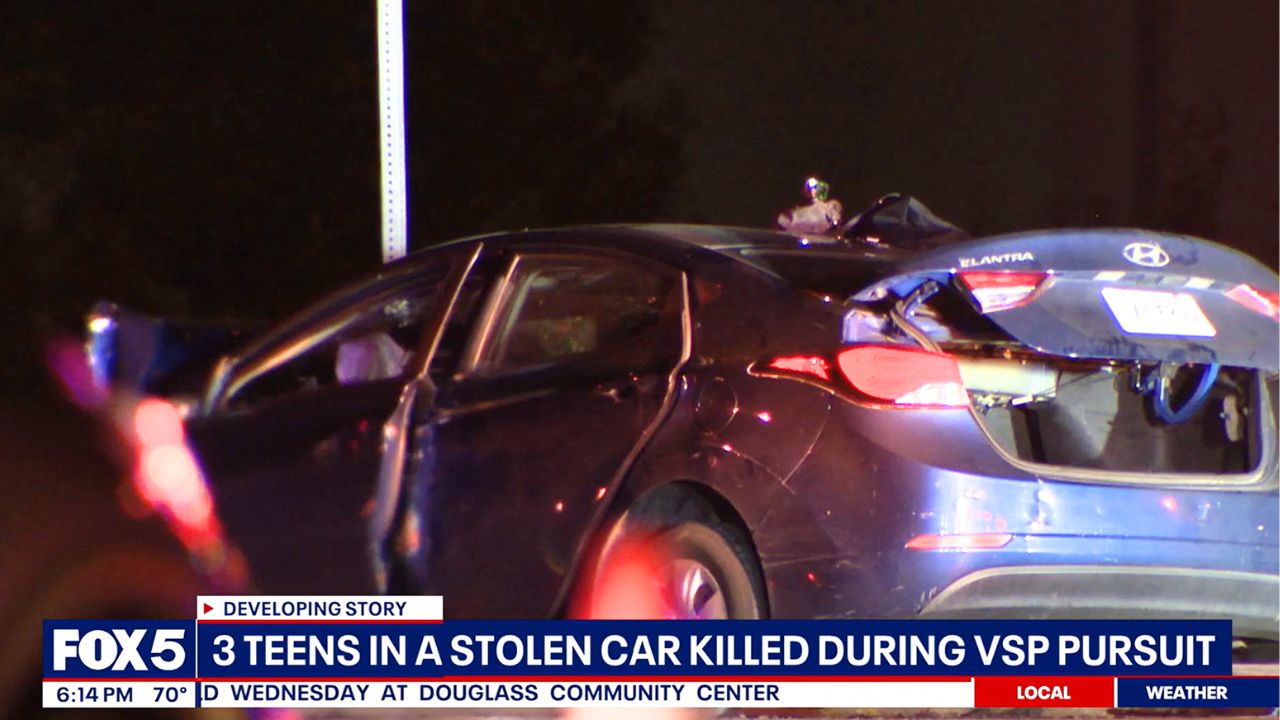
The high-speed chase reached its devastating climax when the driver, attempting to take an exit ramp, lost control of the vehicle due to excessive speed. The car veered sharply, colliding violently with a jersey wall, a concrete barrier designed to prevent vehicles from crossing into opposing lanes. The force of the impact was catastrophic.
Emergency responders arrived swiftly at the scene to find a horrific tableau. The 17-year-old boy was pronounced dead at the crash site. The two 16-year-old boys, including the unlicensed driver, were transported to a hospital but succumbed to their injuries shortly thereafter. Marta, gravely injured, was also rushed to a medical facility with what were described as life-threatening injuries. A critical detail noted by investigators was that none of the four teenagers in the vehicle were wearing seat belts, a factor that significantly amplified the severity of their injuries and the tragic outcome.
A Family’s Agonizing Search and Eventual Reunion
In the immediate aftermath of the crash, the chaos and critical nature of Marta’s injuries likely contributed to a communication breakdown. While the families of the deceased teenagers were notified relatively quickly through standard police procedures, Marta’s family remained agonizingly unaware of her fate. For two long weeks, they embarked on a desperate search, fearing the worst, with no information regarding their daughter’s whereabouts or condition. This period of uncertainty would have been an immense emotional torment, characterized by frantic calls, visits to police stations, and a deepening sense of dread.
The specifics of how Marta’s family ultimately discovered her location and critical condition have not been fully detailed, but their reunion underscores the profound challenges that can arise in the wake of mass casualty incidents or when victims are unidentified or unable to communicate. Hospital protocols typically dictate notifying next of kin, especially for minors. However, factors such as the initial critical state of the patient, potential identification challenges, or the sheer volume of cases in a crisis can sometimes lead to delays or oversights. The family’s eventual discovery of Marta, two weeks into her hospitalization, highlights a potential need for review of emergency communication processes, particularly concerning unidentified minors in severe accidents.
Upon reuniting, the family faced the daunting reality of Marta’s severe injuries and her ongoing recovery. Her physical wounds were extensive, and her path to healing is expected to be long and arduous. Beyond the physical, Marta also carries the immense psychological burden of being the sole survivor, a witness to the horrific deaths of her friends, and the trauma of the high-speed chase.
The Human Cost: Lives Lost and Traumas Endured
The crash on I-395 represents a profound loss of young life. Three teenagers — two 16-year-old boys and a 17-year-old boy — had their futures abruptly cut short. The revelation that one of the 16-year-old boys, an unlicensed driver, was behind the wheel of a stolen car adds layers of complexity to the tragedy. This circumstance underscores the heightened risks associated with underage and unlicensed driving, often compounded by factors such as speed, lack of experience, and disregard for traffic laws.
The absence of seatbelt use among all four occupants is a critical factor in the severity of the outcomes. According to data from the National Highway Traffic Safety Administration (NHTSA) and other traffic safety organizations, seat belts are one of the most effective safety devices in vehicles, reducing the risk of fatal injury to front-seat occupants by 45% and the risk of moderate-to-critical injury by 50%. Among teenagers, seatbelt usage rates are often lower than for older age groups, and fatalities involving unbelted occupants remain a significant concern. In this crash, the failure to use seat belts undoubtedly contributed to the immediate fatalities and Marta’s life-threatening injuries.
Marta’s survival, while a blessing, carries its own heavy weight. She faces a protracted recovery from her physical injuries, which were initially life-threatening, and will undoubtedly grapple with the profound psychological trauma of witnessing the deaths of her friends and enduring the harrowing experience. Survivors of such catastrophic events often experience post-traumatic stress disorder (PTSD), survivor’s guilt, anxiety, and depression. Access to comprehensive medical care, physical therapy, and mental health support will be crucial for her long-term well-being.
The families of the deceased teenagers are left to navigate an unimaginable grief. The loss of a child is one of life’s most devastating experiences, and the circumstances surrounding this crash — a stolen car, a police chase, and reckless behavior — may add layers of complexity to their mourning process, potentially leading to questions of responsibility and accountability.
Broader Context: Stolen Vehicles and Police Pursuits
The incident also shines a light on the persistent issue of stolen vehicles and the complex dynamics of police pursuits. Vehicle theft remains a significant problem across the United States, often perpetrated by young individuals seeking joyrides or to commit other crimes. Such stolen vehicles frequently become involved in reckless driving incidents, high-speed chases, and subsequent crashes, posing a substantial risk to public safety.
Police pursuit policies are a subject of ongoing debate among law enforcement agencies and civil liberties advocates. Departments strive to balance the imperative of apprehending suspects and upholding the law with the inherent dangers that high-speed chases pose to officers, suspects, and innocent bystanders. Many agencies have refined their pursuit policies to prioritize public safety, sometimes limiting pursuits to violent felony suspects or when the risk to the public outweighs the need for immediate apprehension. However, the decision to pursue a stolen vehicle, especially one believed to be operated recklessly, often involves split-second judgments by officers in dynamic and dangerous situations. The Virginia State Police investigation will likely review the specifics of their pursuit protocol in this instance.
Teen Driving Safety: A Persistent Challenge
This tragic event serves as a stark reminder of the persistent challenges associated with teen driving safety. Adolescents, particularly those new to driving, are statistically at a higher risk of being involved in crashes due to a combination of inexperience, developing cognitive abilities (including risk assessment), and susceptibility to peer influence.
Key factors contributing to teen crashes include:
- Lack of Experience: Novice drivers often lack the judgment and hazard recognition skills of more experienced drivers.
- Speeding: Teenagers are more likely to speed and engage in other risky behaviors, such as aggressive driving.
- Distracted Driving: While not explicitly mentioned in this case, distracted driving (e.g., cell phone use, peer passengers) is a major contributor to teen crashes.
- Not Wearing Seat Belts: As evidenced in this incident, seatbelt usage rates among teens are often lower, increasing the severity of crash outcomes.
- Passengers: The presence of peer passengers can significantly increase crash risk for teen drivers due to distraction and peer pressure for risky behavior.
- Unlicensed Driving: Operating a vehicle without a license not only indicates a lack of formal training but also often implies a disregard for legal and safety regulations.
Parents play a crucial role in mitigating these risks through open communication, setting clear rules and expectations for driving, modeling safe driving behaviors, and enforcing graduated driver licensing (GDL) laws where applicable. Educating teenagers about the dangers of getting into a car with an impaired, reckless, or unlicensed driver, or one driving a stolen vehicle, is paramount.
Community Response and Preventative Measures
The community, upon learning the full scope of the tragedy, will likely react with profound sadness and calls for action. Such incidents often galvanize local authorities, schools, and community organizations to reinforce safety messages and initiate preventative measures.
Potential responses could include:
- Increased Public Awareness Campaigns: Focusing on the dangers of reckless driving, the importance of seat belt use, and the consequences of illegal activities like vehicle theft.
- School-Based Educational Programs: Integrating comprehensive safe driving education, including discussions on peer pressure, risk assessment, and legal responsibilities.
- Parental Engagement Initiatives: Providing resources and support for parents to effectively monitor and guide their teenage drivers and passengers.
- Youth Outreach Programs: Aimed at addressing underlying issues that may lead young people to engage in risky behaviors, such as boredom, lack of opportunity, or social pressures.
- Review of Police and Emergency Protocols: While not implying wrongdoing, every major incident provides an opportunity for agencies to review and refine their procedures for pursuits, victim identification, and family notification to prevent similar communication lapses.
The Path Forward: Healing and Accountability
As Marta continues her arduous recovery, both physically and emotionally, the Virginia State Police investigation into the crash remains ongoing. This investigation will seek to fully understand the sequence of events, the factors contributing to the crash, and to determine if any further legal actions are warranted. While the driver is deceased, the investigation will provide a comprehensive record of the incident.
For the families of the deceased, the path forward is one of grief and remembrance. Support services, including counseling and grief support groups, will be vital in helping them navigate their profound loss. For Marta, her journey will involve not only physical rehabilitation but also intensive psychological support to process the trauma she endured and the survivor’s guilt that often accompanies such tragedies.
This incident serves as a poignant and tragic lesson about the fragility of life, the devastating consequences of youthful recklessness, and the critical importance of safety, responsibility, and effective communication across all layers of society. The hope is that from this profound sorrow, lessons can be learned that prevent similar tragedies from unfolding in the future, ensuring that no other family endures the agonizing uncertainty that Marta’s family experienced, nor the heartbreak that now grips all those affected by the fatal crash on I-395.

 Yuyun Lusiyani
 Joko Widodo
 Eva Lovia
 Jia Lissa
 Pevita Pearce