
 Lina Irawan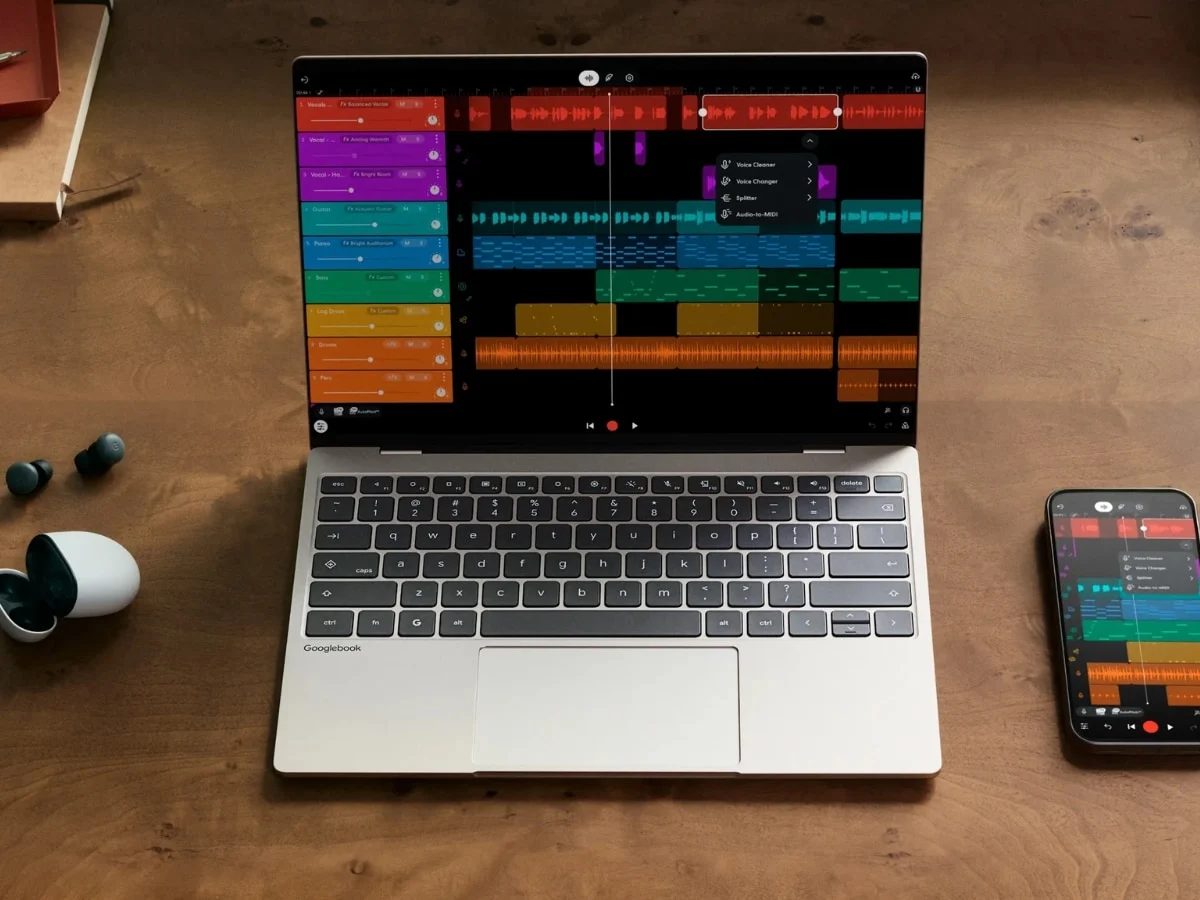
The Australian computing landscape is set for a significant shift as Google officially transitions its portable hardware strategy from the budget-friendly Chromebook era to the premium Googlebook category. Starting 5 October, a new generation of high-performance laptops from major manufacturers including ASUS, Dell, HP, and Lenovo will arrive on Australian shelves, signaling a direct challenge to the established dominance of Apple’s MacBook lineup. With an entry price of AUD$2,299, these devices represent a bold gamble by Google to capture the professional and enthusiast market, moving away from the "education-only" reputation that has defined its operating system for over a decade.
This launch represents more than just a hardware refresh; it is the culmination of Google’s effort to create a unified ecosystem for Android users. While the initial announcement of the Googlebook platform occurred earlier this year, the specifics of the Australian rollout reveal a pricing structure that places these machines well above the entry-level tiers of the traditional PC and Mac markets. By positioning the Googlebook as a high-end productivity tool, Google is betting that integrated artificial intelligence, superior hardware specifications, and deep synergy with mobile devices will justify a premium that often doubles the price of previous-generation ChromeOS devices.
The Evolution of Google’s Hardware Strategy: From Chromebook to Googlebook
The journey to the Googlebook began in 2011 with the introduction of the first Chromebooks, which were largely viewed as "thin clients"—devices that relied almost entirely on a cloud connection and offered limited local processing power. For years, this kept prices low and made them favorites for the education sector but limited their appeal to power users. The release of the "Chromebook Plus" standard in late 2023 was the first step toward professionalization, setting minimum hardware requirements for displays, processors, and memory.
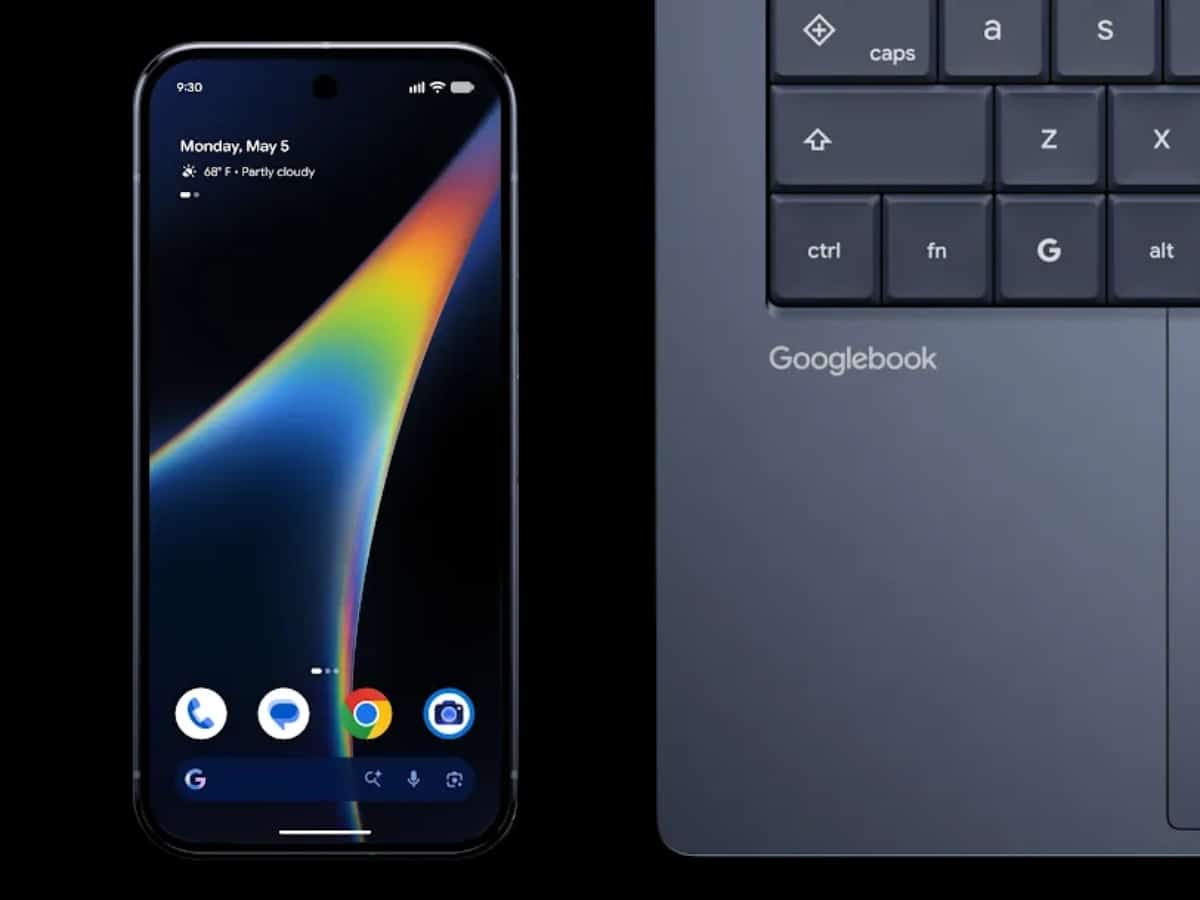
The transition to Googlebook represents the final stage of this evolution. By rebranding and moving to high-performance silicon, such as the Snapdragon X Elite and Intel Core Ultra series, Google is distancing itself from the "budget" label. This chronology shows a clear trajectory: Google first conquered the classroom, then standardized the mid-range, and is now attempting to occupy the premium workspace. The Australian launch on 5 October marks the first time this high-end vision will be fully tested in a competitive retail environment outside of North America.
Detailed Australian Launch Lineup and Technical Specifications
The initial wave of Googlebooks in Australia includes four distinct models, each targeting a specific user profile within the premium segment. A fifth model from Acer is scheduled to join the lineup in November.
HP Googlebook 14: The Endurance Specialist
Starting at AUD$2,299, the HP Googlebook 14 is positioned as the primary choice for mobile professionals. It features the Snapdragon X Elite processor, an ARM-based chip designed to offer high efficiency and long battery life. HP claims the device can achieve up to 19 hours of usage on a single charge, the highest in the current lineup. It features a 14-inch 2.8K OLED touchscreen and offers configurations with 16GB or 32GB of RAM and a 512GB SSD. Weighing 1.22kg, it balances portability with power.
Lenovo Googlebook 15: The Large-Format Workstation
Sharing the entry price of AUD$2,299, Lenovo offers the largest screen in the initial cohort. The 15.3-inch 2.8K OLED touchscreen provides significantly more digital real estate for multitasking. Unlike the HP model, Lenovo utilizes the Intel Core Ultra 5 processor. However, the larger screen and Intel architecture result in a shorter battery life, rated at approximately 13 hours. It comes with 16GB of RAM and storage options of 256GB or 512GB.
Dell XPS Googlebook: The Compact Powerhouse
Priced at AUD$2,399, the Dell XPS variant brings the prestige of the XPS brand to the Googlebook ecosystem. It is the most compact and lightest of the group, weighing only 1.09kg with a 13.4-inch display. Interestingly, Dell has opted for a 2.5K LCD touchscreen rather than the OLED panels found in its competitors, likely to maintain the ultra-slim profile of the XPS chassis. It runs on the Snapdragon X Elite and offers up to 18 hours of battery life.
ASUS Googlebook 14: The Ultra-Premium Choice
The most expensive of the initial launch models is the ASUS Googlebook 14, starting at AUD$2,799. This device focuses on high-fidelity visuals and extreme portability. It features a 14-inch 3K OLED touchscreen and is the lightest model at exactly 1.00kg. Users can choose between Intel Core Ultra 5 or Ultra 7 processors, with 16GB of RAM and 512GB of storage as standard. Its battery life is rated at 16 hours.

Acer Googlebook 14: The Convertible Alternative
Arriving in November for AUD$2,599, Acer’s entry will provide a convertible form factor, allowing the device to function as both a laptop and a high-performance tablet. This fills a specific niche for creatives and those who prioritize versatile input methods.
Comparative Market Analysis: Googlebook vs. Apple MacBook
The most significant hurdle for the Googlebook in the Australian market is the price-to-performance comparison with Apple’s established MacBook range. With a starting price of AUD$2,299, the Googlebook enters the market significantly higher than Apple’s entry-level offerings.
Currently, the Apple MacBook Neo—a frequent point of comparison in the industry—starts at AUD$1,049 for a 256GB model. Even the 13-inch MacBook Air, a staple of the premium ultraportable market, is priced at AUD$2,099, which is AUD$200 less than the cheapest Googlebook.
However, a direct price comparison does not tell the full story. Google’s strategy relies on "standardized premium" specs. Every Googlebook sold in Australia will feature at least 16GB of RAM and most will include 512GB of storage. In contrast, the base models of the MacBook Neo and MacBook Air often ship with 8GB of RAM and 256GB of storage. To upgrade a MacBook Air to 16GB of RAM and 512GB of storage in the Australian Apple Store, the price typically climbs to match or exceed the AUD$2,299 Googlebook baseline. Furthermore, Googlebooks include OLED touchscreens across most of the range, a feature currently absent from the MacBook Air and MacBook Pro lineups.
The Role of AI and Ecosystem Integration
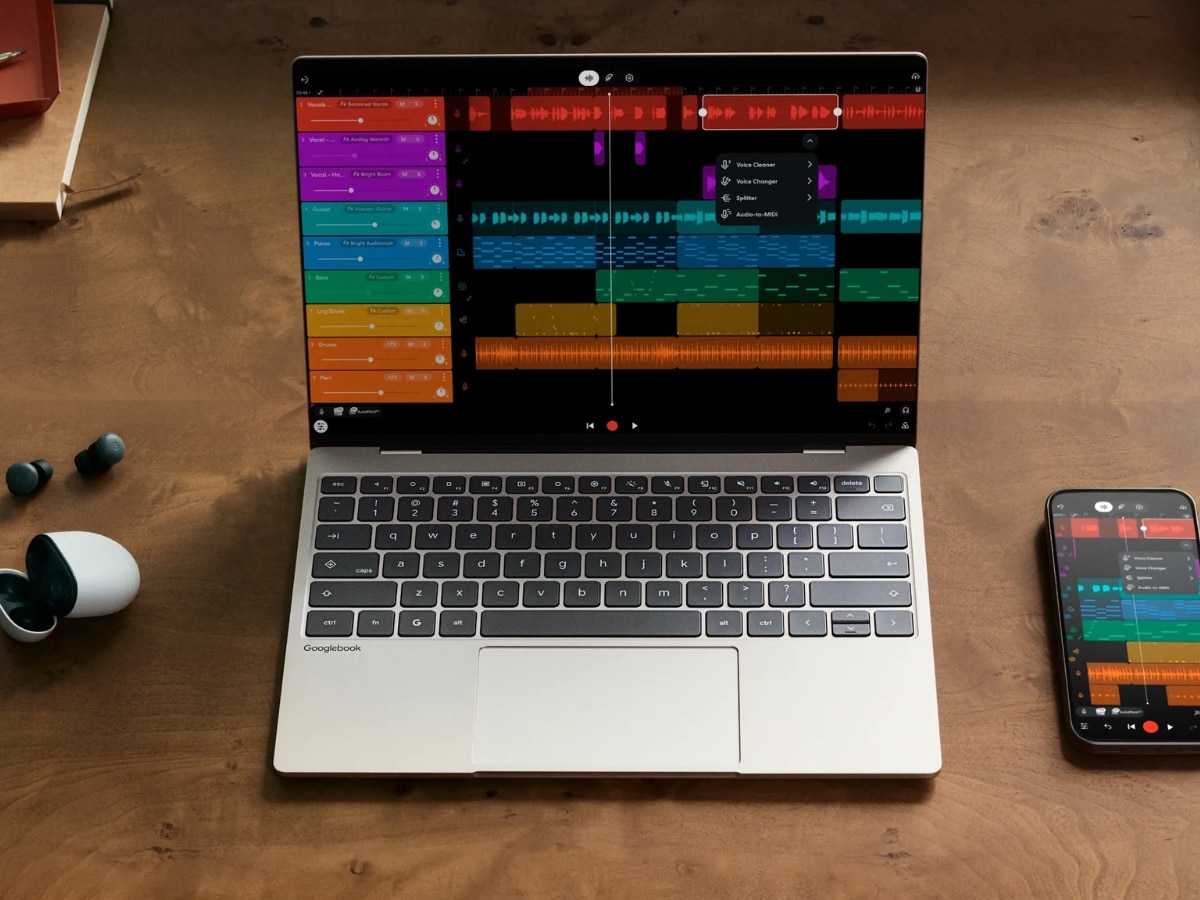
Central to the Googlebook value proposition is "Gemini Intelligence," Google’s proprietary generative AI. Unlike previous implementations where AI was an add-on, Gemini is baked into the core of the Googlebook operating system. This integration allows for system-wide assistance, including advanced photo editing, automated drafting in productivity suites, and intelligent file organization.
To incentivize early adopters, Google is including 12 months of the Google AI Pro subscription with every purchase. This package, which includes 5TB of cloud storage and access to Google’s most advanced AI models, represents a significant added value for users already invested in the Google Workspace ecosystem.
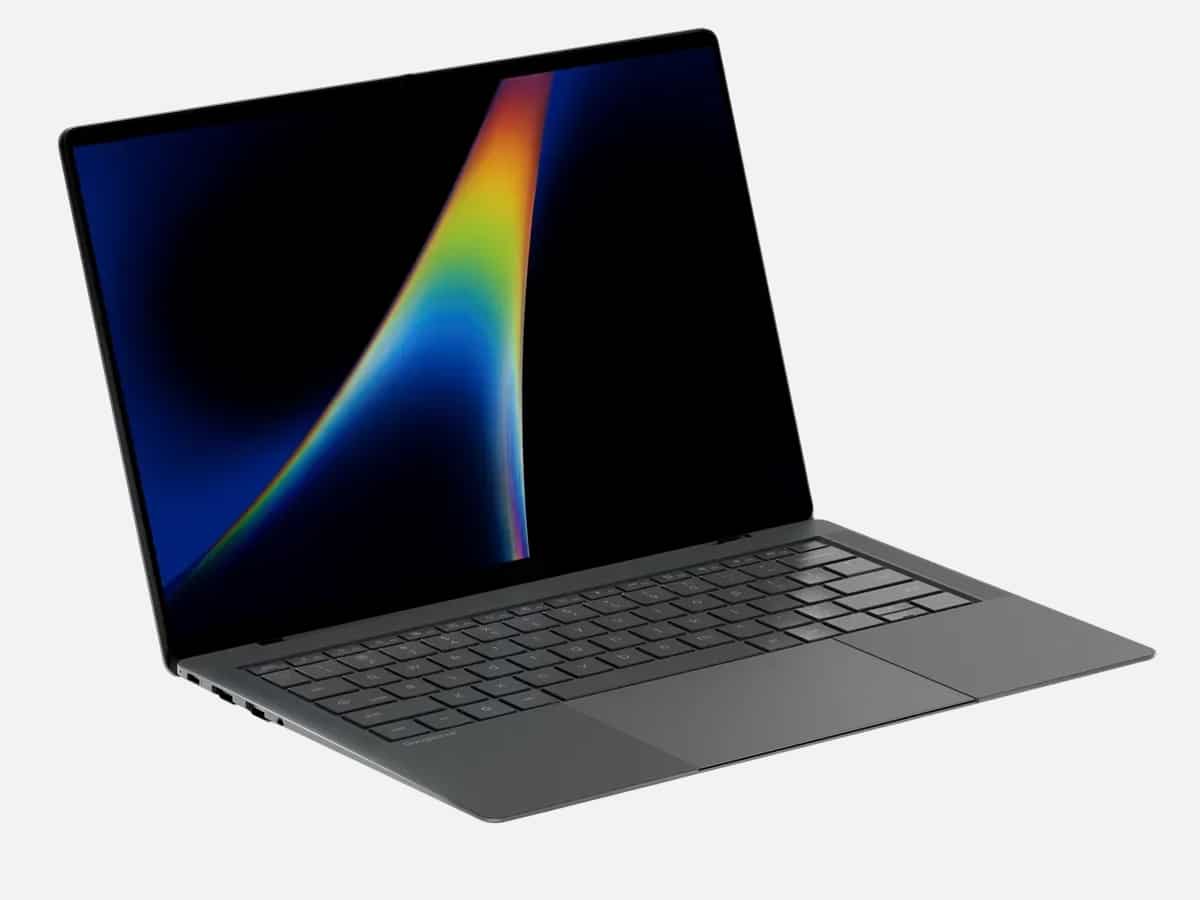
A unique hardware feature across all models is the "Glowbar"—a light strip on the lid that utilizes the iconic Google colors. This is not merely aesthetic; it serves as a functional interface, providing visual cues for battery levels, incoming notifications, and indicating when the Gemini AI is processing a request. This hardware-software synergy is designed to make the Googlebook feel like a cohesive extension of the Android phone experience.
Broader Implications for the Australian Tech Industry
The arrival of the Googlebook represents a significant moment for Australian retailers and consumers. For retailers like JB Hi-Fi and Harvey Norman, the Googlebook provides a high-margin alternative to Windows laptops and a legitimate competitor to the Mac section of the store.
Industry analysts suggest that the success of the Googlebook will depend on "ecosystem stickiness." Australia has a high per-capita ownership of premium Android devices, particularly the Google Pixel and Samsung Galaxy S-series. By offering a laptop that mirrors the fluidity of the Android interface and provides seamless hand-off features (such as shared clipboards, instant tethering, and app streaming), Google is attempting to replicate the "walled garden" success that has served Apple so well.
Furthermore, the promise of 10 years of software updates and feature drops is an industry-leading commitment to longevity. In a market increasingly concerned with electronic waste and the total cost of ownership, a decade-long support cycle could be a deciding factor for corporate procurement officers and long-term consumers alike.
Conclusion and Future Outlook
The launch of the Googlebook in Australia is a high-stakes pivot for one of the world’s largest technology companies. By abandoning the safety of the low-cost market, Google is inviting direct comparison with the best hardware in the world. The AUD$2,299 entry price is a clear statement of intent: Google no longer views its laptop operating system as a secondary tool for web browsing, but as a primary platform for professional creativity and AI-driven productivity.
As the 5 October launch date approaches, the focus will shift from technical specifications to consumer reception. Whether the Australian public is willing to pay premium prices for a "Google-first" laptop remains to be seen, but with high-end OLED displays, cutting-edge silicon, and a decade of guaranteed support, the Googlebook is arriving with the most compelling argument Google has ever made for the future of the personal computer.




 Yuyun Lusiyani
 Joko Widodo
 Jia Lissa
 Pevita Pearce
 admin
admin
