
 Pevita Pearce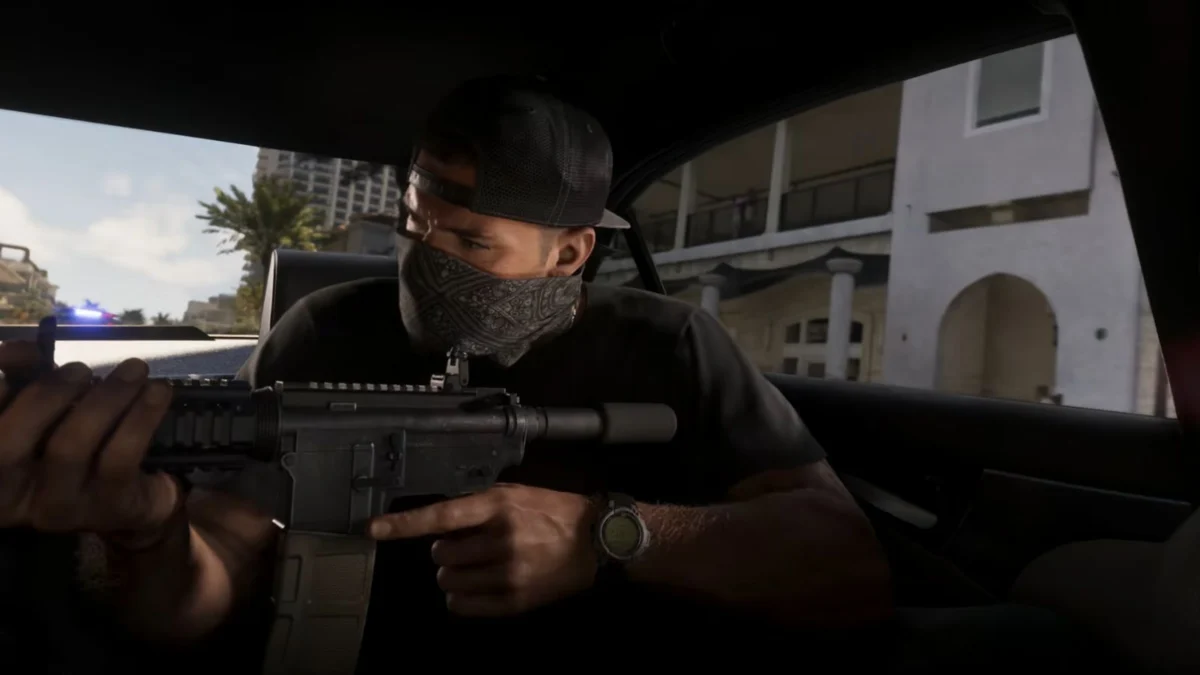
The landscape of open-world gaming is poised for a significant shift as Rockstar Games prepares to launch Grand Theft Auto 6, a title that promises to move beyond the traditional "sandbox of chaos" to a more nuanced, consequence-driven experience. Recent disclosures from internal development sources and hands-on previews indicate that the upcoming entry in the multibillion-dollar franchise will demand a higher level of strategic thinking and moral calculation from its players. Unlike previous iterations where criminal acts were often treated as arcade-style interactions, Grand Theft Auto 6 (GTA 6) introduces a system where players must "think like a criminal," navigating a world where every action carries weight, risk, and potential long-term repercussions.
This evolution in gameplay philosophy was recently highlighted following an extended look at the game shared via major digital platforms. Insights provided by prominent content creators, such as YouTuber and Twitch streamer TGG, who engaged in discussions with Rockstar North’s Co-Studio Head Rob Nelson, suggest that the title draws heavy inspiration from the immersion-focused mechanics of Red Dead Redemption 2. The shift signifies a departure from the relatively light-hearted criminality of Grand Theft Auto 5, favoring a more grounded approach that emphasizes the tension inherent in illegal activities.
The Evolution of Criminal Mechanics: From Impulse to Strategy
At the core of the new gameplay loop is a refined interaction system that punishes impulsive behavior and rewards tactical planning. According to Nelson, the development team has focused on creating a world that reacts realistically to the player’s presence. In previous titles, stealing a vehicle was a matter of a single button press with minimal immediate friction unless a police cruiser was in the direct vicinity. In GTA 6, the act of "jacking" a car has been transformed into a high-stakes decision.
"It brings a bit of risk now to jack someone out of the car," Nelson noted during the preview event. "They’re going to call the cops, I’m going to have a bunch of trouble, then I might have to deal with them." This mechanic forces players to evaluate their surroundings. The game encourages a more "restrained" approach, where a player might opt to find a parked vehicle in a secluded area and utilize specialized tools to break in, rather than risking a public confrontation that could lead to a rapid escalation of law enforcement response.
This shift is supported by new technical hurdles. High-end vehicles in the state of Leonida—the fictionalized version of Florida where the game is set—will no longer be simple targets. Players may need to engage in sophisticated minigames or utilize specific criminal hardware to bypass modern security systems. This "criminal simulation" aspect is designed to make the player feel the weight of their profession, moving the protagonist away from being an invincible avatar of destruction toward a character operating within a living, breathing, and often dangerous ecosystem.
Narrative Agency and the Dynamic Protagonist Relationship
Beyond the mechanical changes to street-level crime, GTA 6 introduces a revolutionary approach to its dual-protagonist system. Centered on the characters Jason and Lucia, the narrative will be heavily influenced by player choice, particularly regarding the interpersonal relationship between the two leads. While the initial trailers hinted at a "Bonnie and Clyde" romantic dynamic, Rockstar has clarified that the nature of their bond is not set in stone.
Players will have the agency to decide whether Jason and Lucia’s partnership remains strictly professional and platonic or evolves into a romantic entanglement. Regardless of the romantic outcome, the "ride or die" loyalty between the two remains a cornerstone of the story, but the emotional tenor of their interactions will shift based on player decisions. This level of narrative flexibility is a first for the series, which has historically utilized more rigid, authored character arcs.
The decision-making process extends into the mission structures themselves. Players will frequently face "big decisions" that do not merely change a line of dialogue but alter the trajectory of their progression through the criminal underworld. This branching logic is intended to increase replayability and foster a deeper sense of ownership over the story, mirroring the industry trend toward player-led narratives seen in contemporary RPGs.
A Chronology of Development and Public Expectation
The road to GTA 6 has been one of the most scrutinized in entertainment history. To understand the gravity of the upcoming release, one must look at the timeline of its predecessor and the subsequent development cycle:
- September 2013: Grand Theft Auto 5 launches on PlayStation 3 and Xbox 360, eventually becoming the second best-selling video game of all time with over 200 million copies sold.
- October 2018: Rockstar releases Red Dead Redemption 2, introducing "survival" elements and a slower-paced, more immersive interaction system that serves as a precursor to the mechanics seen in GTA 6.
- February 2022: Rockstar Games officially confirms that the next entry in the Grand Theft Auto series is in "active development."
- September 2022: A massive unauthorized leak results in the release of early development footage, confirming the Florida-inspired setting and the dual-protagonist system.
- December 2023: Trailer 1 is officially released, shattering YouTube records for views within 24 hours and setting a "Fall 2025" release window.
- Late 2024: Media previews and "extended looks" begin to circulate, revealing the depth of the "criminal thinking" mechanics and the influence of Rob Nelson’s design philosophy.
Official Responses and the "Pressure of Perfection"
The immense commercial success of the franchise has placed unprecedented pressure on the development teams at Rockstar North and its global sister studios. Rockstar leadership has been uncharacteristically candid about the weight of these expectations. Sources close to the studio indicate a culture of "nervousness" stemming from the need to deliver a product that is not just a commercial hit, but a "perfect" evolution of the medium.
The "nervousness" mentioned by Rockstar representatives is attributed to the fact that GTA 5 has remained a top-performing product for over a decade. The advent of GTA Online transformed the franchise into a persistent service, meaning GTA 6 must not only provide a superior single-player experience but also lay the groundwork for a multiplayer ecosystem that will likely need to last until the late 2030s. This has led to a "perfectionist" approach in the RAGE (Rockstar Advanced Game Engine) development, focusing on hyper-realistic physics, advanced AI social behaviors, and a level of environmental density never before seen in the genre.
Supporting Data: The Economic and Cultural Impact
The stakes for Grand Theft Auto 6 are not merely creative but significantly financial. Parent company Take-Two Interactive has signaled to investors that the 2025 and 2026 fiscal years will see a massive surge in net bookings, largely attributed to the launch of this title.
- Financial Projections: Market analysts predict that GTA 6 could generate $1 billion in retail sales within its first 24 hours of release.
- Market Reach: With an estimated 190 million current-gen console users (PS5 and Xbox Series X/S) expected by late 2025, the game has a massive addressable market that is hungry for a true "next-gen" exclusive.
- Production Costs: While not officially disclosed, industry estimates place the development and marketing budget for GTA 6 between $1 billion and $2 billion, making it the most expensive piece of media ever produced.
These figures underscore why the "criminal thinking" and "decision-making" elements are so vital. To justify this level of investment, the game must offer a level of depth that keeps players engaged for years, preventing the "open-world fatigue" that has affected other major franchises.
Broader Implications for the Gaming Industry
The move toward a more "restrained" and "thoughtful" criminal experience in GTA 6 could signal a broader trend in the AAA gaming industry. As hardware capabilities expand, developers are moving away from increasing the size of game worlds in favor of increasing their density and interactivity.
By forcing players to consider the consequences of their actions—such as the risk of an NPC calling the police or the technical difficulty of a high-end heist—Rockstar is leaning into the "Simulated World" philosophy. This approach suggests that the future of gaming lies in the quality of the interaction rather than the quantity of the content. If GTA 6 successfully balances the series’ trademark humor and action with this new, more serious tactical layer, it will likely set the standard for open-world design for the next decade.
As the Fall 2025 release window approaches, the gaming community remains focused on how these promised systems will function in practice. For now, the message from Rockstar is clear: the days of mindless carnage are giving way to a more calculated, risky, and ultimately rewarding life of crime. Players will not just play as criminals; they will be forced to think, act, and survive as them.



 Yuyun Lusiyani
 Joko Widodo
 Jia Lissa
 admin
admin
