
 Pevita Pearce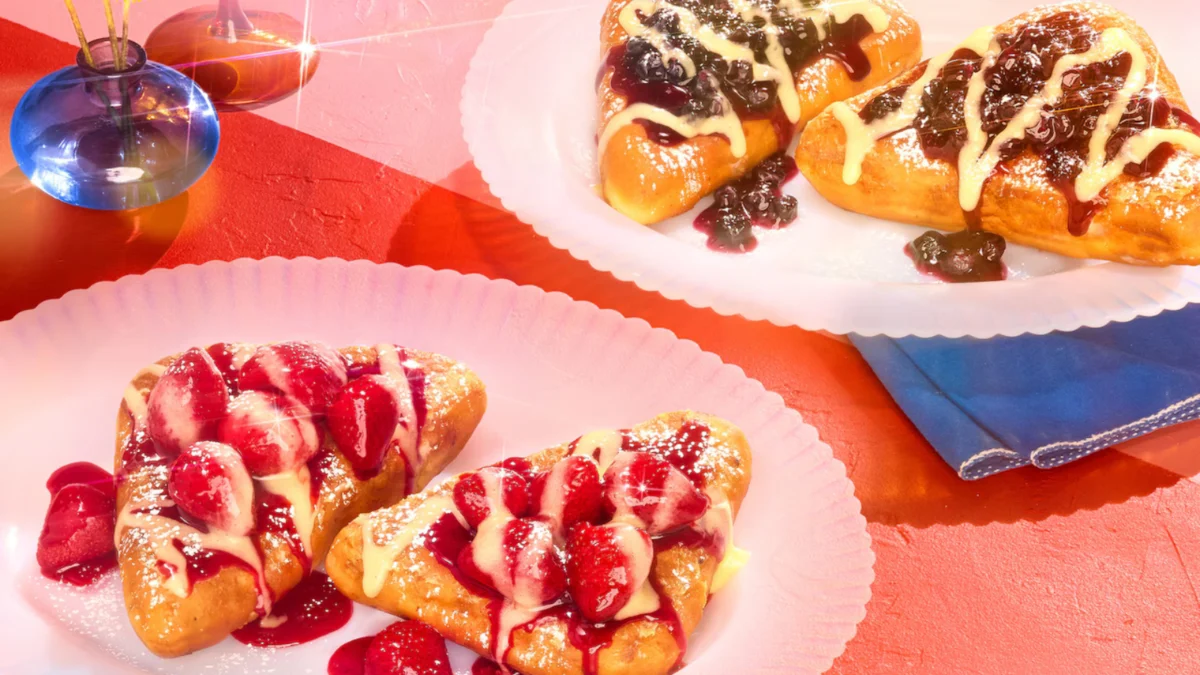
The International House of Pancakes, colloquially known as IHOP, has officially announced the return of its most-requested discontinued menu item, Stuffed French Toast, marking its first appearance on the permanent menu in over six years. The decision to bring back the fan-favorite dish follows an intensive period of consumer feedback, social media campaigning, and internal culinary development aimed at improving the original recipe. Starting September 14, the item became available at participating locations nationwide, featuring a redesigned preparation process and a more substantial filling-to-bread ratio to satisfy long-standing customer requests for a more indulgent breakfast experience.
The reintroduction of Stuffed French Toast is not merely a revival of an old recipe but a strategic update to a product that first gained popularity more than two decades ago. IHOP leadership has confirmed that the new iteration addresses the primary critique of the previous version: the volume and distribution of the sweet cream filling. By implementing a new proprietary injection process, the chain has managed to increase the amount of filling within each slice of toast while maintaining structural integrity during the cooking process. This technical adjustment ensures that the vanilla-cinnamon batter-dipped bread remains crisp on the outside while being thoroughly permeated with cream on the inside.
The Evolution of a Breakfast Staple: A Historical Timeline
To understand the significance of this menu update, it is necessary to examine the history of Stuffed French Toast within the IHOP ecosystem. The dish originally launched as a limited-time offering in 2003. At the time, it represented a shift in the breakfast sector toward more decadent, dessert-like morning meals. Its immediate success led the company to transition it into a permanent menu staple, where it remained for nearly 17 years.
In 2020, as the global COVID-19 pandemic forced the restaurant industry to undergo radical transformations, IHOP, like many of its competitors, moved to streamline its operations. The "menu optimization" strategy involved removing several labor-intensive or lower-margin items to improve kitchen efficiency and reduce food waste during a period of restricted indoor dining. Stuffed French Toast was one of the casualties of this reduction. In its place, the chain later introduced the "Thick ‘N Fluffy" French Toast line, which utilized thicker slices of artisanal bread but lacked the internal filling that had defined the "Stuffed" variety.
Despite the introduction of newer alternatives, customer sentiment remained tethered to the original. For six years, IHOP’s social media channels were inundated with requests for the item’s return. Internal data suggested that Stuffed French Toast was the single most-requested discontinued item in the company’s history, prompting the corporate culinary team to begin "Project Resurrection" to bring the dish back in a format that met modern consumer expectations.
Technical Innovation and Culinary Enhancements
The return of Stuffed French Toast was preceded by a rigorous development phase. Lawrence Kim, the President of IHOP, recently detailed the challenges associated with scaling the product for thousands of locations while improving the quality. The central challenge identified by the culinary team was the "filling-to-crust" ratio. According to Kim, customers resoundingly asked for "more cream," a request that presented a mechanical difficulty in the kitchen.
In previous iterations, overfilling the bread often led to structural failure, causing the toast to "explode" or leak during the dipping and griddling process. To solve this, IHOP developed a new injection method. This process allows the sweet cream to be distributed evenly throughout the interior of the French toast triangles. The result is a product that is "bigger and better" than the 2003 original, offering a more consistent flavor profile in every bite.
The current menu features two primary flavor profiles: Strawberry Vanilla and Blueberry Vanilla. Each order consists of two large French toast triangles. The bread is first injected with the signature sweet cream filling, then submerged in a vanilla-cinnamon batter before being cooked to a golden brown. The Strawberry Vanilla variant is finished with a topping of glazed strawberries and a drizzle of vanilla sauce, while the Blueberry Vanilla version utilizes a similar blueberry topping.
Consumer Demand and the Power of Social Media Feedback
The decision-making process at IHOP has become increasingly data-driven, with a heavy emphasis on "social listening." In the competitive family dining sector—which includes rivals such as Denny’s, Bob Evans, and First Watch—maintaining brand loyalty requires a high degree of responsiveness to customer desires.

Lawrence Kim noted that the demand for Stuffed French Toast was "resounding" and "consistent" across all demographics. "Every time I’m in a restaurant, I ask our guests and our cooks, ‘What’s the one product you would want to bring back?’" Kim stated. The answer was almost universally the Stuffed French Toast. This anecdotal evidence was backed by thousands of mentions on platforms like X (formerly Twitter), TikTok, and Instagram, where fans of the dish shared nostalgic photos and "hacks" to replicate the flavor at home.
By categorizing the returning item into its own dedicated menu section, IHOP is signaling that this is not a temporary promotion but a core pillar of their breakfast strategy moving forward. The item is available as a standalone dish, as part of a breakfast combo featuring eggs and meat, or as an add-on to larger platters, providing the flexibility needed to drive average check growth.
Strategic Context: The Competitive Landscape of Breakfast
The revival of Stuffed French Toast comes at a time when IHOP is aggressively pursuing market share through both nostalgia and value-driven promotions. The brand recently brought back its "all-you-can-eat" pancake deal and continues to leverage National Pancake Day as a major customer acquisition event. These moves are designed to counteract the pressures of inflation on consumer spending, which has seen some diners pull back from frequenting casual dining establishments.
The broader restaurant industry is currently split on how to handle discontinued items. While IHOP has chosen a direct, response-based approach to consumer demand, other brands are experimenting with gamification. For instance, Taco Bell recently announced a "Taco Bell Retirement Home" concept and a golf tournament where the winners would have a say in which discontinued item returns to the menu. IHOP’s strategy, by contrast, focuses on a straightforward "listening and delivering" model, prioritizing the most vocal segments of its customer base to ensure immediate traffic spikes.
Market analysts suggest that for legacy brands like IHOP, which is owned by Dine Brands Global, Inc. (NYSE: DIN), these "nostalgia plays" are essential for maintaining relevance. Breakfast remains the most competitive daypart in the industry, with fast-food giants like McDonald’s and Wendy’s competing for the morning commute, while "brunch-centric" concepts like First Watch capture the weekend leisure crowd. IHOP’s strength lies in the "family dining" middle ground, where variety and indulgence are key selling points.
Economic Implications for Dine Brands Global
From a business perspective, the reintroduction of a complex item like Stuffed French Toast involves significant supply chain and training considerations. Each of the more than 1,800 IHOP locations must be equipped with the tools and ingredients necessary to execute the new injection process. However, the potential for high-margin sales is significant. Sweet, indulgent breakfast items often carry lower food costs relative to their menu price compared to protein-heavy dishes like steak and eggs.
Furthermore, the "Stuffed" category allows IHOP to upsell customers who might otherwise order standard pancakes or French toast. By positioning the item as a premium offering with its own menu category, the company can drive higher per-guest averages. If the launch proves successful, it is likely that IHOP will expand the "Stuffed" line to include seasonal flavors, such as pumpkin spice in the autumn or chocolate-based fillings during the winter holidays.
Conclusion: A New Era for the IHOP Menu
The return of Stuffed French Toast represents a milestone in IHOP’s post-pandemic recovery and its ongoing efforts to modernize its brand identity while honoring its 65-year heritage. By combining technical culinary innovation with a direct response to consumer advocacy, the chain has created a blueprint for how legacy brands can successfully navigate the complexities of modern menu management.
As diners return to IHOP for a taste of the past, they will find a product that has been re-engineered for the present. The success of this launch will likely dictate how IHOP approaches future menu "vault" openings, as the company continues to balance the need for operational efficiency with the public’s appetite for classic comfort food. For now, the "bigger and better" Stuffed French Toast stands as a testament to the influence of the consumer voice in the digital age and the enduring appeal of a well-executed breakfast classic.




 Yuyun Lusiyani
 Joko Widodo
 Jia Lissa
 admin
admin
