
 Pevita Pearce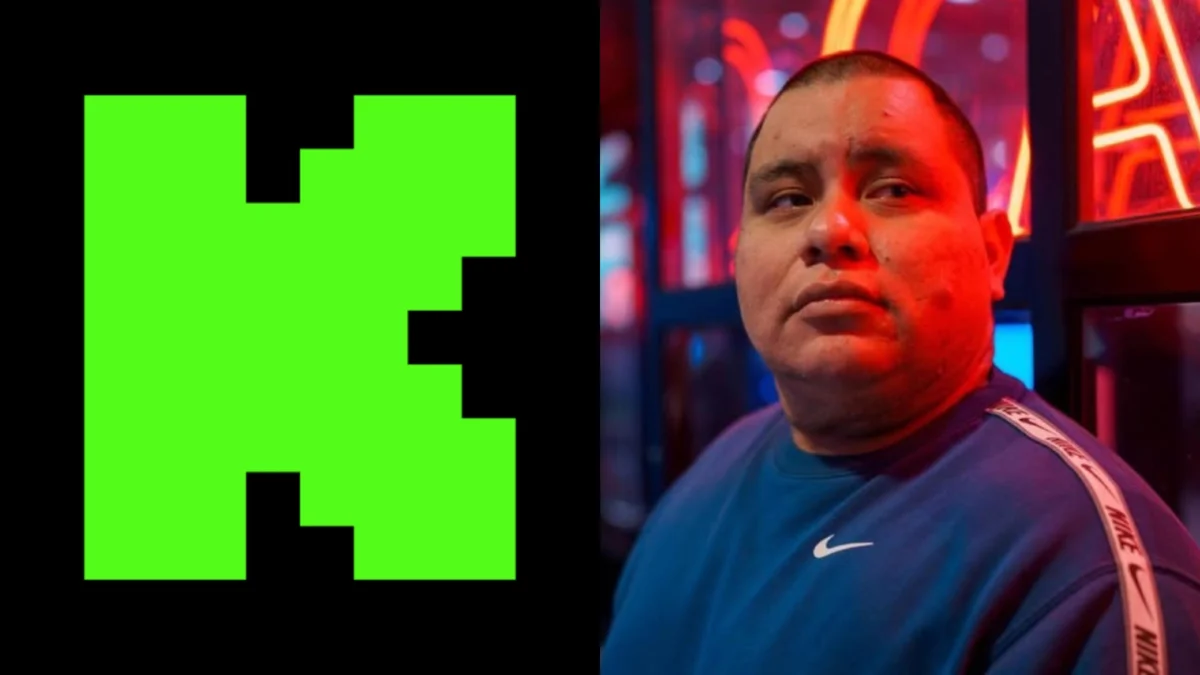
The live-streaming platform Kick has officially suspended the account of Andy Martin, a prominent creator known online as Mexican Andy, following a controversial "In-Real-Life" (IRL) broadcast conducted in Japan. The ban comes in the wake of viral footage showing Martin engaging in what has been widely characterized as the harassment of female pedestrians in a Japanese city. While Kick has yet to release an official statement regarding the duration of the suspension, Martin’s channel currently displays a standard error message, indicating a platform-enforced removal of his content and profile.
The incident involving Martin is the latest in a series of controversies surrounding Western IRL streamers traveling to East Asia. These creators, who often broadcast their daily lives and interactions with the public in real-time, have increasingly come under fire for violating local social norms and legal boundaries. The specific footage that led to Martin’s ban depicts a late-night interaction that escalated into a physical and verbal altercation, drawing significant condemnation from both the streaming community and local observers.
Chronology of the Incident in Japan
The events leading to the ban unfolded during a late-night broadcast where Martin was exploring a crowded urban area in Japan, accompanied by a cameraman. According to archived clips and social media reports, Martin appeared to be in an energized state, frequently chanting his own name and interacting loudly with his live audience via a mobile device.
As the stream progressed, Martin encountered a man and a woman walking together on a public sidewalk. In a bid to garner attention for his broadcast, Martin began jumping and shouting in close proximity to the couple. As the woman attempted to walk past him, Martin was seen extending his hand and placing it firmly on her shoulder. The reaction from the pedestrian was immediate; she screamed in distress and forcefully pushed Martin away.
The situation further deteriorated when Martin and his cameraman did not immediately retreat. The woman continued to shout at the duo, visibly upset by the unsolicited physical contact and the presence of the camera. The cameraman allegedly engaged in a physical struggle with the woman as she tried to shield herself from the lens, leading to a brief scuffle that was eventually de-escalated by bystanders and other members of the group. The footage of the encounter quickly migrated from Kick to platforms like X (formerly Twitter) and Reddit, where it amassed hundreds of thousands of views and sparked a wave of reports to Kick’s moderation team.
Background and Professional Context
Andy Martin rose to prominence within the streaming industry as a peripheral figure in the "CX Network," a group of creators centered around the controversial streamer Paul "Ice Poseidon" Denino. This subculture of streaming is defined by its focus on "IRL" content, where the primary draw for viewers is the unpredictability of live interactions in public spaces. Martin has spent several years building a solo brand, transitioning from a guest on other streams to a headlining creator on Kick, a platform known for its more permissive content moderation policies compared to its primary competitor, Twitch.
The "CX" legacy is one frequently associated with "edge-lord" humor and boundary-pushing behavior. Critics argue that this style of content incentivizes creators to manufacture conflict or engage in disruptive behavior to maintain high viewership numbers and receive "donations" from viewers who often "egg on" the streamers through live chat. In the case of the Japan stream, viewers noted that the live chat was filled with messages encouraging Martin to be more aggressive, a phenomenon common in the IRL streaming genre.
The Legal and Social Landscape in Japan
The ban of Mexican Andy occurs against a backdrop of heightened tension regarding foreign "nuisance streamers" in Japan. Over the past year, Japanese authorities and the public have become increasingly intolerant of foreign creators who record in public without consent or engage in disruptive antics.
Japan maintains strict "Portrait Rights" (shōzōken), which protect individuals from having their image captured and distributed without permission, particularly in contexts that could cause distress or damage their reputation. Furthermore, unsolicited physical contact, such as placing a hand on a stranger’s shoulder, can be legally classified as "bōkō" (assault or battery) under the Japanese Penal Code, even if no lasting physical injury occurs.
The Japanese government has recently signaled a crackdown on such behavior following the high-profile arrest of another streamer, Ismael Ramsey Khalid (known as Johnny Somali), who faced legal consequences for trespassing and obstructing business operations during his broadcasts. The swift action taken by Kick against Martin may be a response to the increasing legal and diplomatic pressure on platforms to police the behavior of their creators when they travel abroad.
Community Reaction and Ethical Analysis
The reaction to Martin’s behavior has been overwhelmingly negative, even within communities that typically support IRL content. On the r/LivestreamFail subreddit, a primary hub for discussing streaming news, users expressed exhaustion with the "nuisance streamer" trope. Many commenters pointed out that the desire for "clout" and digital engagement often overrides basic human decency and respect for local cultures.
One popular sentiment shared among viewers is that the "gamification" of real-life interactions—where streamers receive immediate financial and social rewards for provocative behavior—creates a dangerous feedback loop. "The high of streaming to thousands of people makes you do stupid things because you think it’s a good idea in the moment," one viewer noted. "Everything is sacrificed for the views, including the safety and comfort of the people around you."
Sociologists studying digital media suggest that this behavior is a form of "digital colonialism," where creators from Western countries travel to foreign nations and treat the local population as "background characters" or "props" for their entertainment products. This lack of empathy is often exacerbated by language barriers and a perceived sense of immunity due to the streamer’s status as a tourist.
Kick’s Moderation and Platform Responsibility
Kick, which is backed by the founders of the crypto-gambling site Stake.com, has positioned itself as a creator-centric platform with a "Live and Let Live" philosophy. However, the platform has faced mounting criticism for its perceived laxity in handling harassment. The ban of Mexican Andy suggests a potential shift in strategy, or at least a recognition that certain behaviors pose a significant liability to the platform’s reputation and its ability to operate in international markets.
In recent months, Kick has taken action against several other high-profile creators. For instance, the platform saw the departure or suspension of creators involved in "predator stings" and other forms of vigilante content that resulted in real-world violence or legal issues. The challenge for Kick remains balancing its promise of "freedom" with the necessity of maintaining a safe environment that does not alienate advertisers or invite regulatory scrutiny.
Broader Implications for the Streaming Industry
The incident involving Mexican Andy serves as a cautionary tale for the burgeoning IRL streaming industry. As mobile technology makes it easier than ever to broadcast from anywhere in the world, the ethical dilemmas associated with public streaming are becoming more acute.
- Regulatory Scrutiny: Governments in popular tourist destinations are likely to introduce more stringent visa requirements or local laws specifically targeting "professional streamers." This could include requiring permits for commercial filming in public spaces, even if the equipment is just a smartphone.
- Platform Liability: Digital platforms may soon face "Duty of Care" legislation that holds them partially responsible for the illegal acts committed by their users during live broadcasts, especially if the platform profits from the content through subscriptions or advertising.
- The Evolution of Content: There is a growing divide between "wholesome" IRL content—such as travel vlogging and educational streams—and "nuisance" content. Platforms may eventually be forced to implement different tiers of moderation or stricter age-gating for creators with a history of confrontational behavior.
Conclusion
As of the time of reporting, Andy Martin has not issued a formal apology or a public statement regarding his ban or the incident in Japan. His social media accounts remain active, but the loss of his Kick channel represents a significant blow to his primary source of income and audience engagement.
The incident highlights a critical inflection point for live-streaming culture. As creators continue to push the boundaries of what is acceptable in the pursuit of viral fame, the friction between digital entertainment and real-world consequences is becoming unavoidable. For Kick, the ban of Mexican Andy is a necessary step in distance-marking, but for the broader industry, it is a reminder that the world outside the camera lens is not a playground, and the people in it are not merely content for a global audience. The fallout from this Japan trip may well influence how IRL streaming is governed and perceived for years to come.



 Joko Widodo
 admin
admin
 Nila Kartika Wati
 Lina Irawan
 Yuyun Lusiyani