
 Lina Irawan
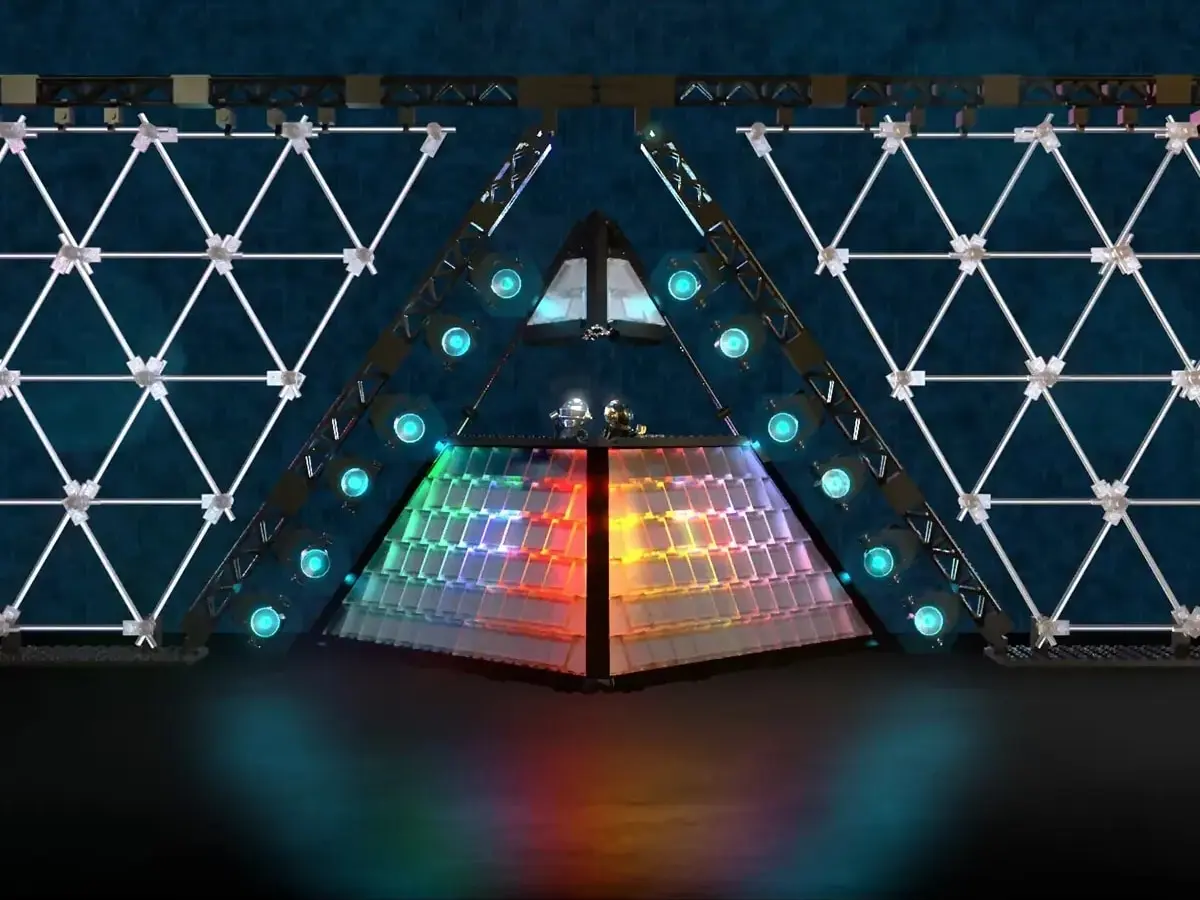
The LEGO Group has officially confirmed a multifaceted collaboration with the legendary French electronic music duo Daft Punk, marking a significant convergence of pop culture, industrial design, and musical heritage. This partnership, which encompasses physical building sets, digital soundscapes, and cinematic short films, represents a milestone in the Danish toy manufacturer’s ongoing strategy to integrate adult-oriented hobbyist culture with iconic entertainment properties. The announcement, made on October 23, centers on the development of a highly anticipated building set based on the duo’s seminal "Alive 2007" pyramid stage, a move that formalizes a years-long grassroots effort by the global fan community.
By bringing Thomas Bangalter and Guy-Manuel de Homem-Christo into the "brick-head" universe, LEGO is expanding its portfolio of music-related collaborations, which recently included a high-profile launch with pop sensation Olivia Rodrigo. However, the Daft Punk partnership is distinguished by its depth, promising not just a single product but an entire creative ecosystem. The collaboration was introduced via a high-concept short film featuring LEGO versions of the robotic duo traversing a stylized, crimson digital landscape before taking their positions at brick-built DJ consoles. This visual language pays homage to the group’s aesthetic—specifically the neon-lit, retro-futuristic atmosphere that defined their career from the late 1990s until their retirement in 2021.
The Genesis of the Collaboration: From Fan Concept to Official Production
The centerpiece of this partnership, the "Alive 2007" pyramid stage set, has a unique origin story that highlights the influence of the LEGO Ideas platform. The concept was originally conceived by Patrick Harboun, a resident of Luxembourg, and his son during the global COVID-19 lockdowns in 2020. Seeking a creative outlet, the pair designed a meticulous replica of the stage that Daft Punk used during their world tour, which remains one of the most influential live electronic music performances in history.
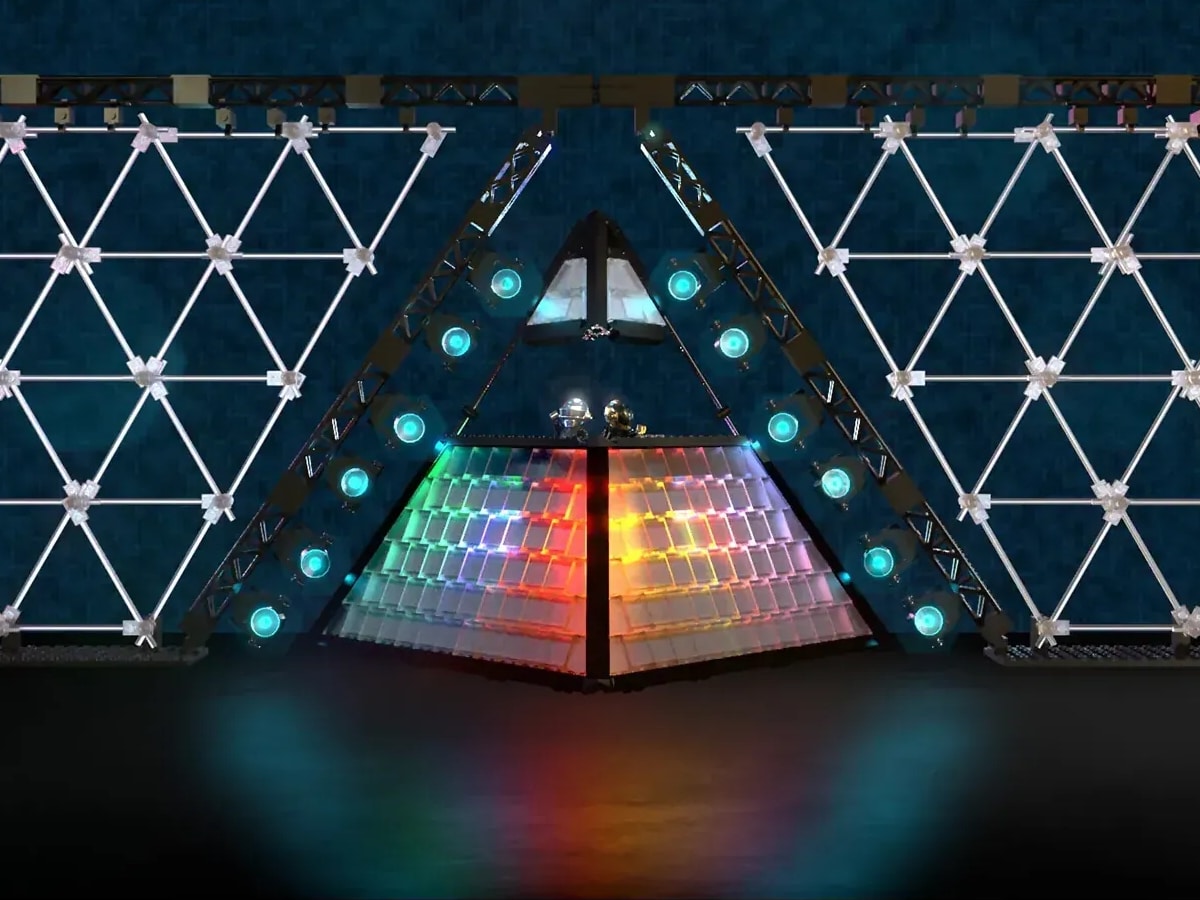
The design was submitted to the LEGO "Music to Our Ears" challenge, a competition hosted on the LEGO Ideas platform. To move from a fan concept to a potential commercial product, a submission must garner 10,000 individual votes from the community to trigger an official review by LEGO’s design and marketing boards. Harboun’s project not only reached this threshold but also secured the Grand Prize in its category.
Reflecting on the journey, Patrick Harboun stated that the project began as a simple "creative escape" fueled by a shared family love for the duo’s music and the tactile nature of LEGO building. He noted that the transition from a private passion project to an official global collaboration serves as a testament to the power of the fan community. The LEGO Group has since taken the fan-designed prototype into its internal development phase, where professional designers will refine the build for structural integrity and commercial viability. While the final piece count and pricing have not been disclosed, the set is expected to feature the iconic triangular truss system and intricate lighting rigs that made the original 2007 stage a marvel of engineering.
Historical Context: The Significance of the Alive 2007 Pyramid
To understand the weight of this collaboration, one must look at the historical impact of the source material. The "Alive 2007" tour was the second and final concert tour by Daft Punk. It debuted at the Coachella Valley Music and Arts Festival in April 2006, where the duo performed from inside a massive, LED-covered pyramid. This performance is widely credited with shifting the trajectory of electronic dance music (EDM) in North America, transforming it from a niche underground movement into a mainstream stadium phenomenon.
The pyramid stage was more than a prop; it was a sophisticated light and sound instrument that synchronized with the duo’s live re-mixing of their catalog. The resulting live album, Alive 2007, went on to win two Grammy Awards for Best Electronic/Dance Album and Best Dance Recording ("Harder, Better, Faster, Stronger"). By selecting this specific era for their first LEGO set, the partnership targets a demographic of fans who view the 2007 tour as the pinnacle of the duo’s visual and auditory innovation.

Strategic Market Implications: The Rise of the Kidult Demographic
The partnership with Daft Punk is a calculated move within LEGO’s broader "LEGO for Adults" (formerly Creator Expert) initiative. Over the past decade, the toy industry has seen a dramatic shift in consumer behavior, with adults—often referred to as "kidults"—now accounting for a significant portion of annual revenue. According to market research data from the Toy Association, the adult segment of the toy market has grown by nearly 15% annually in recent years, driven by a desire for nostalgia, stress relief, and collectible high-end displays.
LEGO has capitalized on this trend by securing licenses that appeal specifically to Gen X and Millennial consumers. Previous music-themed successes include the LEGO Art series featuring The Beatles and Elvis Presley, as well as the LEGO Ideas "Jazz Quartet" and "Grand Piano" sets. The Daft Punk collaboration fits perfectly into this niche, offering a sophisticated build that serves as a piece of home decor as much as a toy.
Julia Goldin, the LEGO Group’s Chief Product and Marketing Officer, emphasized that the synergy between the two brands is rooted in a shared commitment to innovation. She described the partnership as a "journey" rather than a one-off product launch, suggesting that the "Alive 2007" set is merely the first installment in a wider range of Daft Punk-inspired content. This could potentially include sets based on other eras of the band, such as the Discovery era (Interstella 5555) or the Random Access Memories era, as well as digital integrations within LEGO’s growing media empire.
Chronology of the Partnership and Future Milestones
The timeline of the collaboration reflects a deliberate and steady progression from fan enthusiasm to corporate execution:

- April 2006: Daft Punk debuts the pyramid stage at Coachella, setting the stage for their visual legacy.
- 2020: Patrick Harboun and his son submit the LEGO Ideas "Daft Punk – Alive 2007" concept during the lockdown period.
- Late 2020: The project achieves 10,000 supporters and wins the "Music to Our Ears" Grand Prize.
- February 2021: Daft Punk announces their official breakup after 28 years of collaboration, leading to a surge in demand for commemorative merchandise.
- October 23, 2024: The LEGO Group officially announces the partnership and the commencement of the set’s production.
- 2025 (Projected): The official "Alive 2007" set is expected to reach retail shelves, accompanied by additional digital content and short films.
Analysis of Brand Synergy and Cultural Impact
The collaboration is particularly resonant because of the aesthetic similarities between LEGO and Daft Punk. Both brands rely on modularity, precision, and a degree of anonymity. For decades, Bangalter and de Homem-Christo hid their faces behind robotic helmets, creating a brand identity that was based on the "system" of their music rather than their personal identities. Similarly, the LEGO "system of play" focuses on the universal language of building blocks rather than individual characters.
From a design perspective, the "Alive 2007" stage is inherently geometric, making it an ideal subject for LEGO bricks. The use of translucent plates and "SNOT" (Studs Not On Top) building techniques will likely be employed to recreate the glowing LED panels of the pyramid. Furthermore, the inclusion of the "sounds and short films" aspect of the partnership suggests that LEGO may be looking to leverage its digital platforms, such as LEGO Fortnite or its YouTube channels, to host exclusive Daft Punk-themed experiences.
The broader implication for the music industry is the validation of the "toy-as-memorabilia" model. As physical music sales continue to decline in favor of streaming, artists are increasingly looking toward high-end, durable physical goods to engage their fanbases. A LEGO set offers a level of permanence and interactive engagement that standard merchandise, such as t-shirts or posters, cannot provide.
As the set moves into the final stages of development, industry analysts expect it to be one of the most successful LEGO Ideas releases to date. The combination of Daft Punk’s cult-like following and LEGO’s reputation for quality creates a high-value collector’s item. While the "Alive 2007" set is the only confirmed physical product at this stage, the language used by LEGO executives indicates that fans can expect a sustained presence of the robotic duo within the LEGO universe for years to come. This partnership not only preserves the legacy of Daft Punk in a new medium but also reinforces LEGO’s position as a dominant force in adult pop-culture collectibles.




 Nila Kartika Wati

 Eva Lovia

 Yuyun Lusiyani

 Ana Megawati

 Joko Widodo
