
 Pevita Pearce
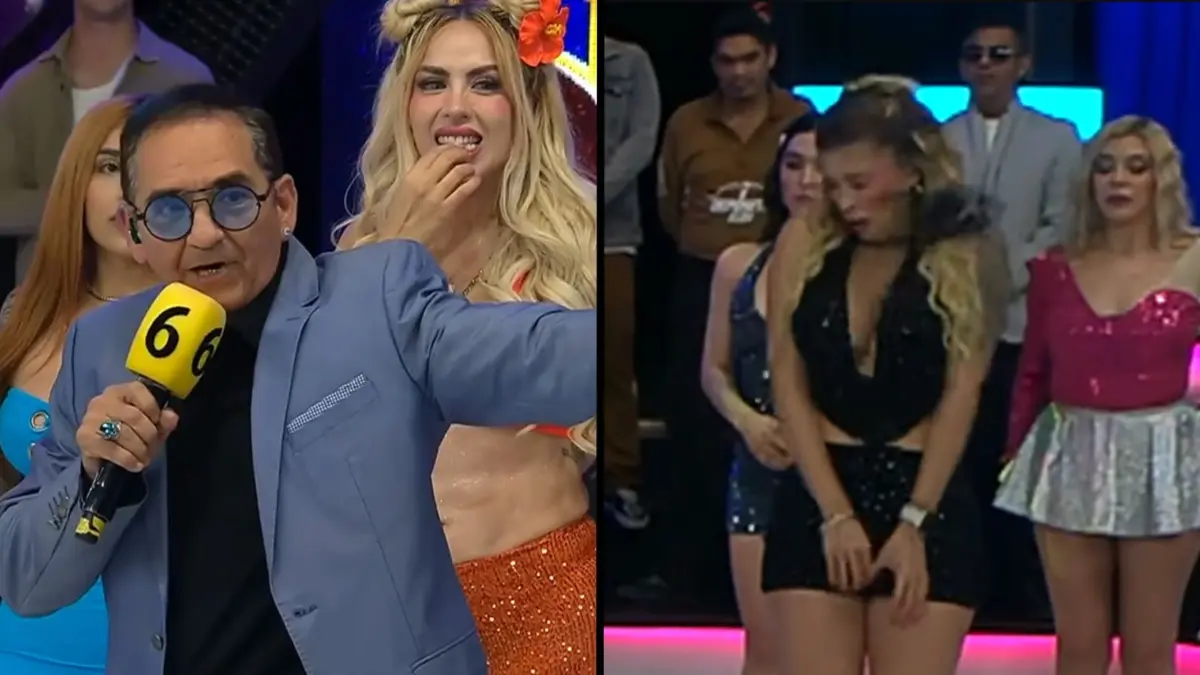
The high-stakes environment of live television, characterized by its "anything can happen" nature, was the backdrop for a significant industrial and safety incident on October 28, 2026. During a broadcast of the popular Mexican variety program "Es Show," veteran host Ernesto Chavana became the center of a global viral storm after a physical altercation with a production drone resulted in a direct facial injury to a guest. The incident, which saw a piece of high-tech filming equipment used as a projectile, has raised serious questions regarding studio safety protocols, host conduct, and the liability of broadcasting networks during live entertainment segments.
The event unfolded during a standard segment of "Es Show," a program known for its high energy and often chaotic atmosphere. As a small production drone hovered near the floor to capture low-angle shots of the set, Chavana, apparently intending to engage in a moment of physical comedy or spontaneous interaction, delivered a forceful kick to the device. The impact redirected the drone at high velocity toward Isabella Rojas, a model and recurring guest known as "La Colombiana." The drone’s chassis or propellers struck Rojas directly in the face, causing immediate trauma and visible bleeding.
The Sequence of Events on Es Show
The chronology of the incident highlights the rapid transition from a scripted entertainment environment to a medical emergency. At approximately mid-broadcast, the production team deployed a drone to enhance the visual dynamism of the set. Ernesto Chavana, who has hosted the program for years and is known for his unpredictable on-screen persona, noticed the drone near his feet. Without apparent provocation or warning, Chavana swung his leg, making solid contact with the aircraft.
The drone was propelled upward and laterally, striking Isabella Rojas in the mouth and cheek area. The impact was audible on the studio microphones. Rojas was seen clutching her face as production staff and fellow cast members reacted with a mix of shock and confusion. Recognizing the severity of the contact, producers moved Rojas off-camera to receive immediate first aid.
The broadcast continued, a standard practice in live television, though the atmosphere remained tense. Rojas eventually returned to the set to demonstrate the extent of her injuries to the viewing audience, displaying a bloodied mouth and swelling. It was during this return that the discourse surrounding the event took a controversial turn, as Chavana initially attempted to deflect responsibility for the mishap.
The Defense of New Shoes and Subsequent Apologies
In the immediate aftermath of the strike, Chavana’s rhetoric was characterized by a blend of deflection and humor that many viewers found inappropriate given the visible injury to Rojas. He initially pointed toward the production staff, questioning why the drone was positioned in his vicinity. He then famously cited his footwear as a contributing factor to the accident.
"See what you have done," Chavana remarked to the off-camera crew before addressing the audience. "I kicked this thing they put in front of me… I don’t know, maybe it was my new shoes." The comment, intended perhaps to lighten the mood, was met with significant backlash online, with critics accusing the host of trivializing a workplace injury.
However, as the gravity of the situation and the public outcry intensified, Chavana’s tone shifted toward a more formal admission of fault. He later issued a public statement expressing deep regret for the incident. "I am not hiding. I am aware of the mistake I made yesterday by kicking a drone during a situation that came up on the program," he stated. He further clarified that he felt "ashamed and embarrassed" and confirmed that he would take full responsibility for the event, including the coverage of all medical expenses incurred by Isabella Rojas.
Technical and Safety Considerations of Indoor Drone Use
The incident on "Es Show" serves as a case study for the growing use of Unmanned Aerial Vehicles (UAVs) in confined studio spaces. While drones offer cinematic perspectives that traditional jib or steady-cam setups cannot achieve, they introduce a set of kinetic risks. Most professional studio drones are equipped with propeller guards—plastic shrouds designed to prevent the spinning blades from making contact with people or objects. However, even with guards, the mass of a drone moving at high speed can cause significant blunt-force trauma.
In many jurisdictions, the operation of drones near people is strictly regulated. In a controlled studio environment, safety briefings are typically required for all talent and crew. These briefings outline the "flight zone" of the drone and instruct personnel on how to behave when the aircraft is nearby. Chavana’s decision to physically strike the drone represents a catastrophic failure of these safety protocols. By kicking the device, he transformed a controlled piece of equipment into an unguided projectile, bypassing all built-in safety features and the pilot’s control.
Broadcast engineers have noted that kicking a drone can also cause the lithium-polymer (LiPo) batteries to puncture or fail, which presents a fire risk. While no fire occurred in this instance, the mechanical failure of the drone upon impact likely contributed to the erratic flight path that led to Rojas’s injury.

Legal and Professional Implications for Multimedios Televisión
Multimedios Televisión, the network behind "Es Show," faces potential scrutiny regarding workplace safety standards. Under Mexican labor laws, as in many international jurisdictions, employers are required to provide a safe working environment. The presence of a host who physically interferes with technical equipment in a way that endangers others could be viewed as a failure of supervision or training.
Isabella Rojas, as a guest or contractor on the show, is entitled to a safe set. While Chavana has personally pledged to cover medical costs, the network itself may face internal reviews or external investigations by broadcasting regulators. The precedent set by this event could lead to stricter "no-fly zones" within studios or a total ban on drones during segments involving high-energy physical activity.
Furthermore, the professional reputation of Ernesto Chavana is under the microscope. While his "new shoes" comment was likely a reflex of his comedic persona, the transition from "entertainer" to "liability" is a thin line in the modern media landscape. Advertisers and sponsors often distance themselves from programs where physical safety is compromised, or where the response to an injury is perceived as insensitive.
Social Media Virality and Public Sentiment
The clip of the drone strike quickly transcended the local Mexican market, racking up millions of views across platforms like X (formerly Twitter), TikTok, and YouTube. The "viral" nature of the clip is a double-edged sword for the network. While it brings eyes to the program, the vast majority of the commentary has been negative.
Public sentiment analysis of social media responses indicates a high level of empathy for Isabella Rojas and significant frustration with Chavana. Common themes in the comments sections include:
- Accountability: Viewers demanded more than just a verbal apology, calling for a suspension or formal reprimand for the host.
- Safety Standards: Questions were raised about why the drone was so close to the talent and why the host felt empowered to kick expensive, dangerous equipment.
- The Ethics of Entertainment: Critics argued that the "Es Show" format encourages reckless behavior for the sake of ratings, eventually leading to real-world harm.
The incident highlights the "spectacle of injury" that often drives social media engagement. The fact that the show uploaded the clip to its own YouTube channel suggests a calculated move to capitalize on the controversy, a tactic that has been both praised for its transparency and condemned for its perceived cynicism.
Broader Context of Live Television Mishaps
The Chavana-Rojas incident is part of a long history of live television accidents, but it is unique in its intersection with modern technology. In previous decades, live TV accidents usually involved stage collapses, pyrotechnic failures, or animal handlers losing control of their charges. The introduction of drones adds a new variable to the "live TV" equation.
In 2015, singer Enrique Iglesias suffered severe hand injuries when he attempted to grab a drone during a concert performance. That incident led to a wider conversation about the dangers of "drone interaction" by non-professionals. The "Es Show" incident is a continuation of this trend, demonstrating that even seasoned professionals can underestimate the physics and dangers associated with UAVs.
As television production continues to integrate more autonomous and robotic systems—including robotic cameras and drones—the need for rigorous "talent training" becomes paramount. Hosts must be educated not just on where to look and what to say, but on the technical limitations and hazards of the machinery surrounding them.
Conclusion and Future Outlook
The injury to Isabella Rojas was a preventable accident caused by a lapse in professional judgment and a disregard for studio safety equipment. While Ernesto Chavana has taken steps to rectify the situation through public apologies and financial responsibility, the long-term impact on "Es Show" remains to be seen. The program may need to implement more stringent safety barriers or reconsider its use of aerial technology during live segments.
For the broader broadcasting industry, this event serves as a reminder that the pursuit of dynamic visuals must never supersede the physical safety of the cast and crew. The "new shoes" excuse, while perhaps destined to become a meme, underscores a lack of situational awareness that can have painful, real-world consequences. As Isabella Rojas recovers from her injuries, the conversation moves toward how networks can ensure that the "magic of live TV" does not come at the cost of its participants’ well-being.



 Nila Kartika Wati

 Eva Lovia

 Lina Irawan

 Yuyun Lusiyani

 Ana Megawati

 Joko Widodo
