
 Yuyun Lusiyani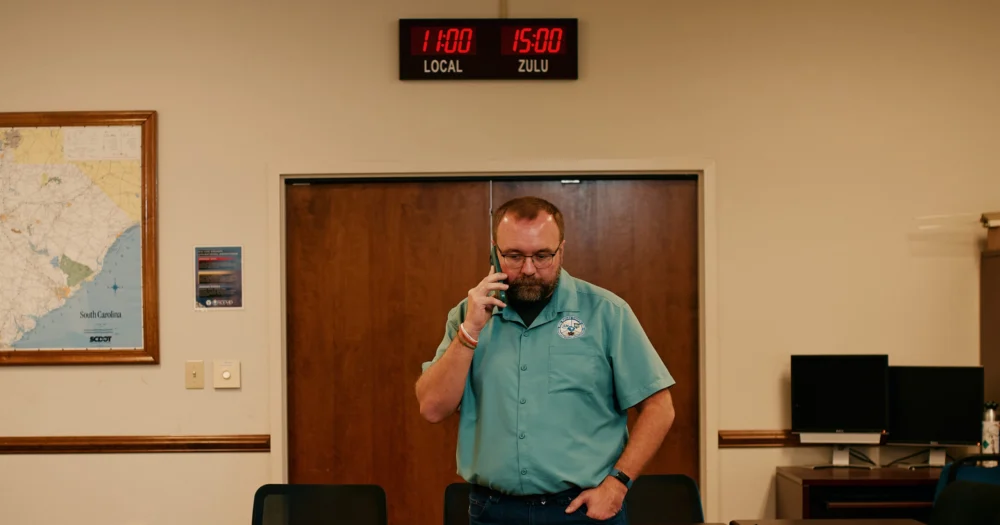
In an era defined by accelerating climate change and an increasingly complex threat landscape, the nation’s emergency management infrastructure finds itself at a critical juncture. Disasters are no longer an ‘if’ but a ‘when and where,’ a stark reality that underscores the urgent need for robust preparedness and response capabilities. ProPublica, a leading independent, non-profit newsroom, has embarked on a comprehensive investigative initiative aimed at unearthing the real conditions faced by emergency managers across the United States. This endeavor seeks to move beyond episodic coverage of catastrophes to provide an in-depth, systemic examination of the challenges, resource deficiencies, and policy gaps that threaten national resilience.
The Unfolding Crisis: Mounting Pressures on Local Emergency Management
Emergency managers, often the unsung heroes operating at the nexus of community safety and federal coordination, are confronting an unprecedented confluence of stressors. From sprawling urban centers to isolated rural counties, professionals in this vital field report a growing struggle to keep pace with the escalating frequency and intensity of natural disasters. A key concern repeatedly voiced by dozens of current and former emergency managers interviewed by ProPublica thus far is the perennial issue of uncertain federal funding. This unpredictability creates a precarious environment for long-term planning, infrastructure investment, and personnel retention, often forcing agencies into reactive postures rather than proactive preparedness.
The scope of their responsibilities is vast, encompassing everything from hazard mitigation and community preparedness education to immediate response coordination, evacuation logistics, and long-term recovery efforts. Yet, many operate with skeletal staffs and inadequate budgets, leading to burnout and a critical lack of capacity. The very nature of their work demands foresight and robust resource allocation, but the reality on the ground often involves scrambling for funds and improvising solutions in the wake of devastation. ProPublica’s investigation aims to quantify these resource needs, understand the specific impacts of federal policy shifts, and identify emergent hazards that are not yet adequately addressed by current frameworks.
A Changing Climate and Unprecedented Demands
The scientific consensus is unequivocal: climate change is a primary driver behind the increasing severity and frequency of extreme weather events, placing immense pressure on emergency management systems. Data from the National Oceanic and Atmospheric Administration (NOAA) consistently highlights this alarming trend. In 2023 alone, the U.S. experienced 28 separate billion-dollar weather and climate disasters – a new record – with total costs exceeding $92.9 billion. This figure surpassed the previous record of 22 events set in 2020. These events ranged from devastating wildfires in Hawaii and the Pacific Northwest, to relentless floods in California and the Midwest, and a series of powerful hurricanes and tornadoes across the South and East Coast.
The types of hazards are also evolving. Beyond traditional threats like hurricanes, floods, and earthquakes, emergency managers now contend with novel challenges such as extreme heat waves, prolonged droughts, cascading infrastructure failures, and even cyberattacks that can cripple essential services during a crisis. The interdependence of critical infrastructure – energy grids, communication networks, transportation systems, and water treatment facilities – means that a single point of failure can trigger widespread disruption, complicating response efforts exponentially. Understanding these new hazards and integrating them into preparedness strategies is a crucial, yet often underfunded, component of modern emergency management.
Federal Funding Landscape: A Tightrope Walk for Preparedness
The Federal Emergency Management Agency (FEMA) stands as the linchpin of the nation’s disaster response, providing critical funding, coordination, and resources to state and local entities. However, the agency itself has undergone significant transformations over the decades, often in response to major disaster events. Established in 1979, FEMA’s role dramatically expanded after its integration into the Department of Homeland Security following the September 11, 2001 attacks, shifting its focus from a primarily reactive agency to one emphasizing preparedness and mitigation. Despite this evolution, the funding mechanisms and their perceived efficacy remain a contentious issue.
Many local emergency managers express frustration with the labyrinthine application processes for federal grants, the often-restrictive nature of how funds can be used, and the sheer unpredictability of allocations year-to-year. The Disaster Relief Fund (DRF), FEMA’s primary source of funding for disaster response and recovery, frequently faces depletion, necessitating emergency supplemental appropriations from Congress. This reactive approach to funding can delay vital recovery efforts and hinder long-term resilience projects. For instance, the Bipartisan Policy Center has highlighted that a significant portion of FEMA’s budget is often consumed by recovery efforts from previous disasters, leaving less for proactive mitigation and preparedness programs. This creates a cycle where communities struggle to build resilience before the next disaster strikes, leading to even higher recovery costs in the future.
Echoes of Disaster: A Chronology of Systemic Strain
The history of modern emergency management in the U.S. is punctuated by catastrophic events that have exposed systemic vulnerabilities and spurred calls for reform.
- Hurricane Andrew (1992): This Category 5 hurricane revealed significant deficiencies in FEMA’s initial response capabilities, leading to reforms under Director James Lee Witt.
- September 11th Attacks (2001): Highlighted the need for a unified national security and emergency response framework, culminating in FEMA’s absorption into DHS.
- Hurricane Katrina (2005): A seminal event that laid bare profound failures in federal, state, and local coordination, communication, and resource deployment, particularly impacting vulnerable populations in New Orleans and the Gulf Coast. The aftermath catalyzed significant legislative changes, including the Post-Katrina Emergency Management Reform Act of 2006.
- Superstorm Sandy (2012): Demonstrated the escalating threat of coastal storms and the complex challenges of urban evacuations and long-term recovery in densely populated areas, pushing FEMA to adapt its approach to mega-disasters.
- California Wildfires (e.g., Camp Fire 2018, Dixie Fire 2021): These unprecedented fires, fueled by drought and climate change, overwhelmed local resources and underscored the need for enhanced cross-jurisdictional collaboration, advanced warning systems, and community-level mitigation strategies.
- Recent Gulf Coast Hurricanes (e.g., Ida 2021, Ian 2022): Continued to test the limits of infrastructure and response capacity, demonstrating the compounding effects of successive major storms on already strained communities.
- Midwest Floods (e.g., 2019, 2023): Illustrated the widespread economic and social disruption caused by inland flooding, highlighting vulnerabilities in agricultural regions and the need for comprehensive watershed management.
These events, among many others, collectively paint a picture of an emergency management system under constant siege, frequently responding to multiple large-scale disasters within short periods. This relentless cycle depletes resources, exhausts personnel, and makes it incredibly difficult for communities to fully recover before the next calamity strikes. The concept of "disaster fatigue" is a tangible reality for both emergency personnel and affected populations.
The Human Element: Voices from the Front Lines
ProPublica’s outreach aims to capture the nuanced realities experienced by those on the ground. A common sentiment expressed by emergency managers is a feeling of being perpetually "behind the curve." One former county emergency manager, speaking on condition of anonymity to discuss sensitive budgetary matters, stated, "We’re constantly playing catch-up. Federal funding cycles rarely align with our actual needs, and by the time money comes through, the threat has often morphed or a new one has emerged. It’s a miracle we accomplish what we do with so little."
Concerns also extend to the effectiveness of existing alert and warning systems. While technological advancements have improved dissemination capabilities, gaps persist in reaching vulnerable populations, ensuring message clarity, and addressing the phenomenon of "warning fatigue" in areas prone to frequent alerts. Researchers in disaster preparedness often point to the critical need for locally tailored communication strategies that account for linguistic diversity, accessibility needs, and varying levels of technological access within communities.
The proposed changes within FEMA, whether programmatic shifts or budgetary adjustments, are a constant source of anxiety. "Any change at the federal level sends ripples down to us," noted a state emergency coordinator. "We need stability and clear guidelines, not constant overhauls that force us to re-learn systems or re-apply for funding streams that might disappear next year." The lack of consistent support can undermine long-term mitigation efforts, which are universally acknowledged as the most cost-effective approach to disaster reduction. Studies by the National Institute of Building Sciences, for instance, have shown that every dollar invested in hazard mitigation saves an average of six dollars in future disaster costs.
Beyond the Breaking News: ProPublica’s Investigative Mandate
ProPublica’s commitment to building a comprehensive source network within the emergency management community is a deliberate strategy to transcend the limitations of breaking news coverage. While immediate reports of disaster provide crucial information, they often fail to illuminate the underlying systemic issues, policy deficiencies, and resource disparities that exacerbate impacts. This initiative is designed to fuel in-depth, investigative journalism that shines a light on the nation’s emergency preparedness and disaster response and recovery infrastructure in its entirety.
The goal is not merely to report on problems but to drive tangible impact. ProPublica’s track record demonstrates how rigorous, fact-based reporting can inform public debate, influence policy decisions, and ultimately lead to meaningful change. By gathering insights directly from those immersed in the field, the reporting team seeks to provide a nuanced understanding of the challenges and potential solutions, fostering a more resilient nation. This includes exploring successful models of community preparedness, innovative technological solutions, and effective inter-agency cooperation that can serve as blueprints for others.
The Broader Implications: A Nation’s Vulnerability
The systemic weaknesses in emergency management carry profound implications for national security, economic stability, and social equity. Economically, the spiraling costs of disaster recovery strain federal, state, and local budgets, diverting funds from other essential public services like education, healthcare, and infrastructure maintenance. The disruption to supply chains, agriculture, and local businesses can have ripple effects that extend far beyond the immediate disaster zone, impacting regional and even national economies.
Socially, unpreparedness disproportionately affects vulnerable communities – low-income populations, communities of color, the elderly, and individuals with disabilities. These groups often lack the financial resources to evacuate, rebuild, or access adequate support services, exacerbating existing inequalities and creating cycles of poverty and displacement. The psychological toll of repeated disasters, including post-traumatic stress, anxiety, and depression, can have long-lasting effects on individuals and communities, impacting public health and social cohesion.
From a national security perspective, a weakened emergency management infrastructure can leave critical national assets vulnerable and divert military resources from their primary defense missions to domestic relief efforts. The ability of the nation to respond effectively to a wide range of threats, from natural catastrophes to deliberate attacks, hinges on the strength and agility of its emergency management system.
A Call for Collaboration: Shaping Future Policy and Preparedness
ProPublica’s call for input from local, state, and federal emergency managers, former managers, researchers, and disaster response partners is more than just a request for information; it is an invitation for collaboration. By filling out the provided form, these vital stakeholders have the opportunity to directly inform a national conversation about how to strengthen America’s ability to withstand and recover from future crises.
The insights gathered will not only inform ProPublica’s in-depth investigations into major overhauls to the emergency management system but will also contribute to the development of practical emergency preparedness guides and provide crucial, actionable information to communities grappling with the aftermath of their "worst day." Ultimately, this collaborative journalistic effort aims to shine an indispensable light on the critical yet often overlooked foundation of national resilience, advocating for the resources, policies, and public attention necessary to safeguard communities across the country. The future of American preparedness depends on understanding these realities and acting decisively to address them.



 Joko Widodo
 Eva Lovia
 Pevita Pearce
 admin
admin
 Lina Irawan