
 Nila Kartika Wati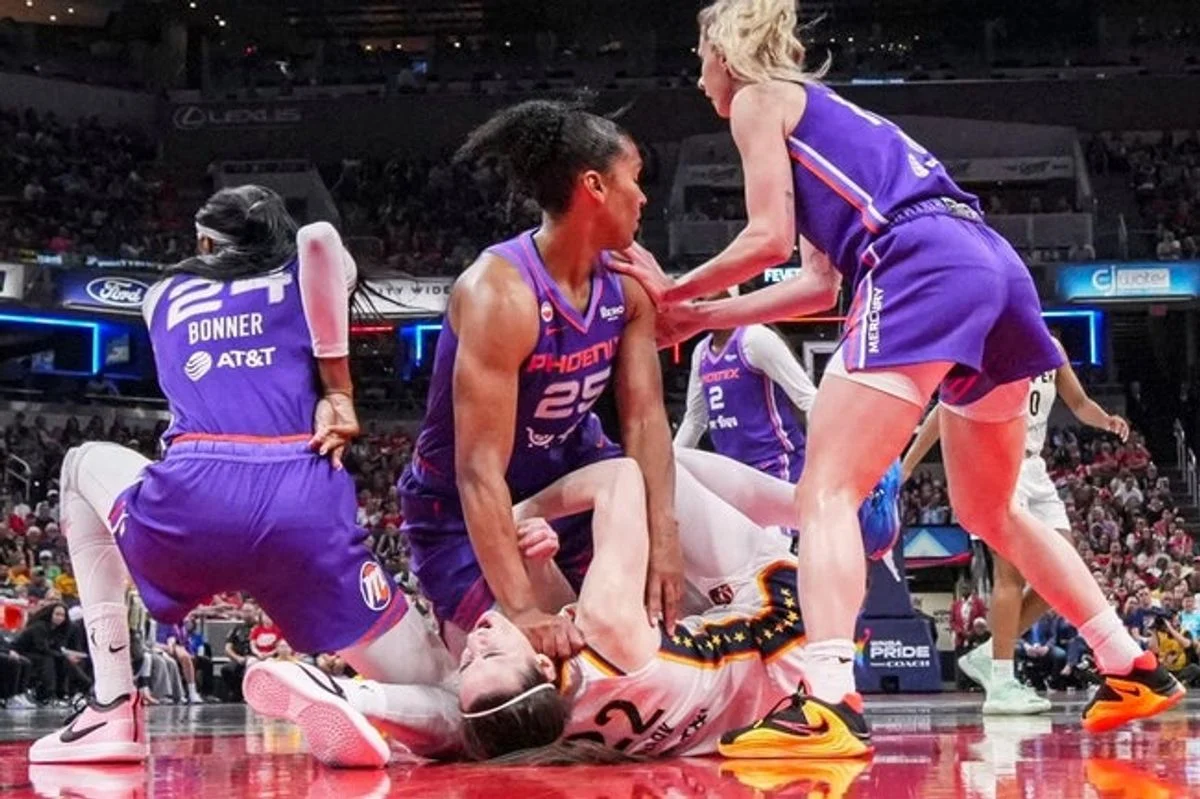
NBA Commissioner Adam Silver addressed the escalating controversies surrounding Indiana Fever star Caitlin Clark on Thursday, asserting that the issues transcend officiating and have transformed the league’s burgeoning sensation into a "political football" within the national discourse. The remarks came as the WNBA grapples with increased scrutiny over player safety, online harassment, and the very nature of the game’s physicality, particularly as it pertains to Clark’s integration into the league.
Escalating Tensions and a Defining Incident
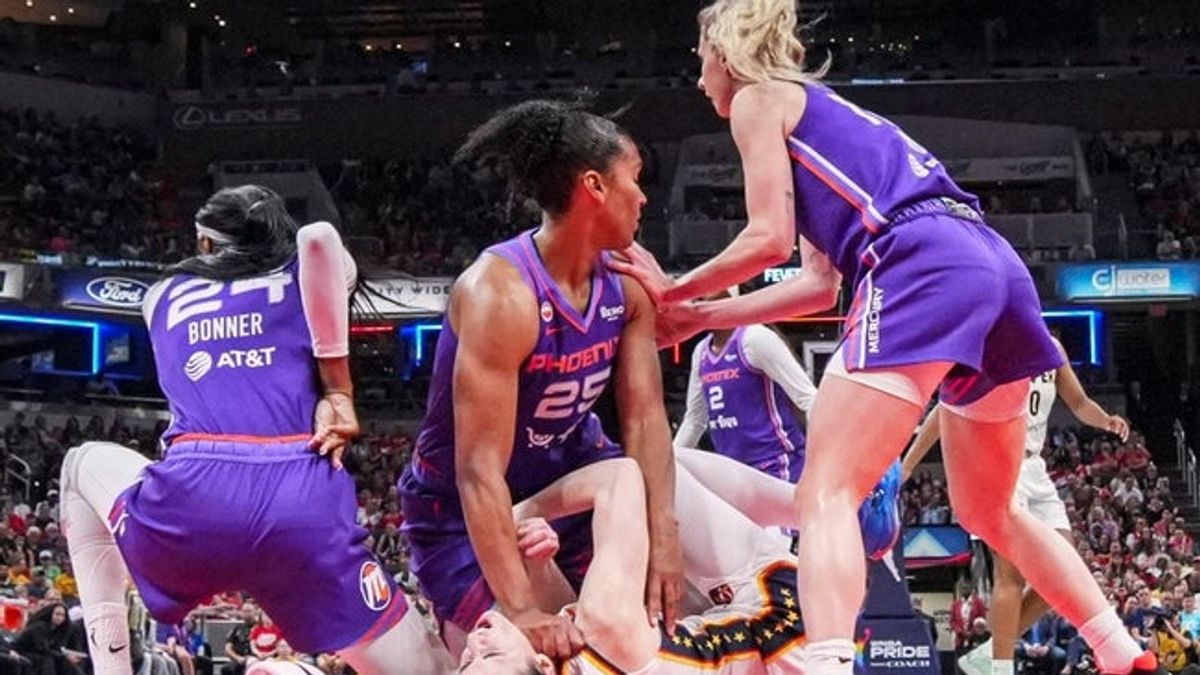
The debate surrounding the physicality directed at Caitlin Clark, a phenomenon since her entry into the WNBA in 2024, reached a critical juncture on June 24, 2026. During a game at Gainbridge Fieldhouse in Indianapolis, a collision between Phoenix Mercury forward Alyssa Thomas and Clark on a loose-ball play ignited widespread discussion. In the second quarter of a contest that ultimately saw the Mercury emerge victorious with a nail-biting 111-109 scoreline, Thomas, in the process of rising to her feet, appeared to make contact with Clark’s neck with a closed fist. Crucially, no foul was called on the play at the time.
The incident, however, did not conclude without consequence. Following the game, the WNBA reviewed the play and retroactively assessed a flagrant foul against Thomas. This decision resulted in a one-game suspension and a $1,000 fine. The league’s disciplinary committee cited Thomas’s "recklessly making contact with her fist" on Clark’s throat as the basis for their ruling.
Alyssa Thomas, who maintained that the contact was accidental, subsequently revealed that she and her family had become targets of severe online abuse, including death threats, harassment, and racist commentary. This distressing reality underscored a broader and more troubling conversation about player safety, the intensity of online discourse, and the psychological toll on athletes in the modern sports landscape.
Commissioner Silver’s Broader Perspective
Speaking at the Game Plan Summit in New York, presented by CNBC and Boardroom, Commissioner Silver offered a nuanced perspective on the events. He emphasized that the core issues surrounding Caitlin Clark extend far beyond the specific calls made or not made by game officials.
"Ultimately, the issues around Caitlin Clark are not largely about officiating," Silver stated. "That particular incident is not about whether a foul should have been called at the time of the game or whether that was ultimately a flagrant non-review. I’ve come to know Caitlin really well. She’s an incredible player and also an incredible person. And she wants to focus on being the best player she can. And she’s become a bit of a political football in this country, and I think it’s incredibly unfair to her."
Silver’s comments suggest a recognition that the intense spotlight on Clark has amplified existing tensions and anxieties within the league, and that external narratives are increasingly overshadowing the athletic competition itself. He deliberately sidestepped a Sports Business Journal report suggesting he had influenced WNBA Commissioner Cathy Engelbert regarding the suspension of Thomas, deeming such commentary unfair to both Engelbert and Clark.
Acknowledging Officiating Challenges
Despite his assertion that the Clark-related controversies are not solely about officiating, Silver did not shy away from acknowledging areas for improvement within the WNBA’s officiating. "What people are trying to make a larger issue (about) is not (whether) that was a flagrant foul or not," he remarked, implying that the public’s focus has shifted to more significant underlying dynamics. He unequivocally stated, "There is ‘no doubt about it’ that WNBA officiating needs to improve." This admission is significant, as it validates concerns from players, coaches, and fans regarding the consistency and accuracy of calls on the court.
Players and League Leaders Condemn Harassment
The wave of online vitriol directed at players, particularly in the wake of the Thomas-Clark incident, has drawn strong condemnation from within the WNBA. Caitlin Clark herself, in public statements made in early July, directly addressed the issue. "The harassment, the hate," she declared, "None of that is OK. That goes for the opposing teams we play, that goes for my teammates, that goes for my coaches." Her plea for a more respectful environment highlights the personal impact of the intense scrutiny she faces.
Indiana Fever head coach Stephanie White echoed Clark’s sentiments, articulating her deep concern over the escalating toxicity within the league’s discourse. "The league has seen an increase in ‘toxicity, racism, homophobia’ and other hateful comments, particularly online," White stated, pointing to a disturbing trend that demands urgent attention.
WNBA Commissioner Cathy Engelbert, speaking at the same Game Plan Summit as Silver, unequivocally condemned the abusive behavior. "The vitriol and everything that our players receive… is unacceptable," she asserted. Engelbert detailed proactive measures the league is implementing to combat harassment, including enhanced security protocols at team-related events and a comprehensive review of officiating standards.
Initiatives to Enhance Player Safety and Officiating
In response to the growing concerns, the WNBA has been actively developing and implementing strategies to address player safety and improve the quality of officiating. Engelbert highlighted a multi-faceted approach that includes:
- Officiating Improvement Programs: The league is investing in offseason initiatives designed to refine officiating. This involves the establishment of a committee comprised of players, college coaches, general managers, and referees. This collaborative body aims to foster a shared understanding of the game and improve on-court decision-making.
- Officiating Task Force: A dedicated task force has been established to meticulously review game film. This detailed analysis allows for a comprehensive examination of on-court physicality, identification of trends, and the development of clearer guidelines for referees. The objective is to ensure a more consistent and equitable application of the rules.
- Enhanced Security Measures: Recognizing the real threats faced by players, particularly online, the WNBA is bolstering security measures surrounding team activities. This proactive approach aims to provide a safer environment for athletes both on and off the court.
- Combating Harassment: The league is actively working on initiatives to combat online harassment and abuse, seeking to create a more positive and supportive digital space for its athletes and fans.
Historical Context and Broader Implications
The heightened focus on Caitlin Clark and the subsequent controversies are not isolated incidents but rather a reflection of broader trends in professional sports, particularly concerning the integration of high-profile athletes into established leagues. Clark’s arrival has undeniably injected unprecedented levels of attention and revenue into the WNBA. Ticket sales have surged, television ratings have soared, and merchandise sales have seen significant increases since her debut. This surge in popularity, however, has also brought with it a more intense level of scrutiny and, unfortunately, a platform for negative commentary and behavior.
The physicality directed at Clark, while concerning, is also a complex aspect of basketball. Teams are undoubtedly strategizing to neutralize the impact of one of the league’s most electrifying offensive talents. However, the line between legitimate defensive effort and dangerous play is a critical one, and the WNBA’s commitment to ensuring player safety is paramount.
The "political football" narrative that Commissioner Silver invoked speaks to a deeper societal tendency to project larger issues onto sporting figures. Clark, as a trailblazer and a symbol of the WNBA’s burgeoning popularity, has inadvertently become a focal point for debates about gender in sports, online culture, and the responsibilities of media and fans.
The long-term implications of these challenges are significant for the WNBA. The league has an opportunity to leverage this moment of heightened visibility to not only address critical issues like player safety and online abuse but also to solidify its position as a premier professional sports league. By demonstrating a robust commitment to fair play, athlete well-being, and constructive discourse, the WNBA can build upon the momentum generated by Clark’s presence and ensure a sustainable and positive future for the sport. The journey ahead involves a delicate balance: capitalizing on unprecedented interest while simultaneously safeguarding the integrity of the game and the welfare of its athletes. The league’s response to these multifaceted challenges will undoubtedly shape its trajectory for years to come.


 Joko Widodo
 Jia Lissa
 Pevita Pearce
 admin
admin
 Yuyun Lusiyani
