Eva Lovia
Queen Mette-Marit of Norway was unable to attend a pivotal moment in her husband’s accession to the throne, the swearing-in ceremony of King Haakon VIII before the Storting (Norwegian Parliament), due to health complications arising from her lung transplant earlier this year. The announcement of her absence came just hours before the historic event, casting a shadow over a day of significant royal transition for the Scandinavian nation.
Royal Transition Amidst Personal Health Challenges
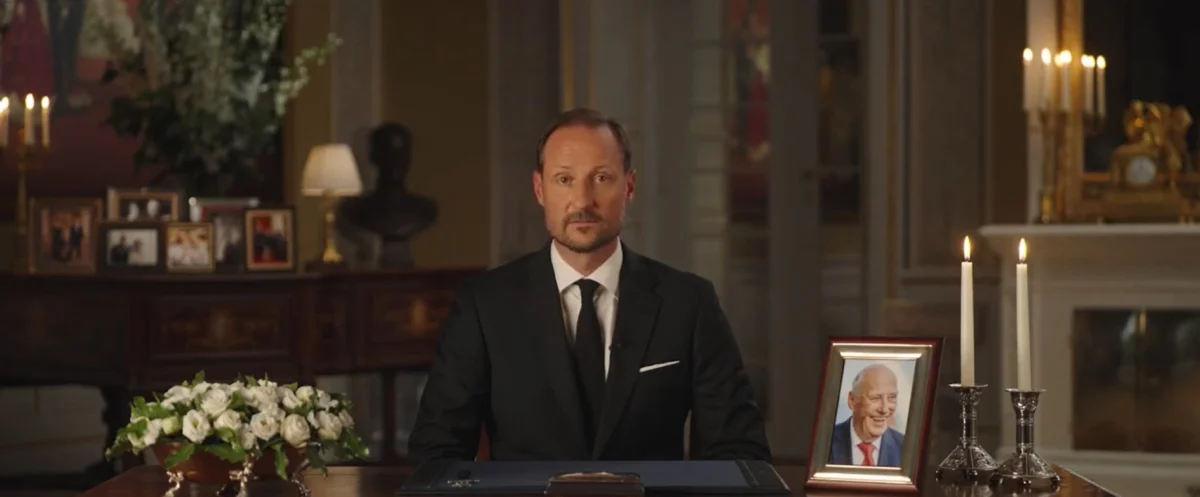
The ceremony, which formally established King Haakon VIII’s reign, was a somber yet crucial step following the passing of his father, King Harald V, on August 28. While the new King proceeded with his constitutional duties, accompanied by his daughter and heir, Crown Princess Ingrid Alexandra, the absence of his consort, Queen Mette-Marit, underscored the ongoing personal challenges faced by the Royal House.
Dr. Are Holm, one of Queen Mette-Marit’s physicians, provided a brief statement to the press, explaining the nature of her condition: "Complications following a lung transplant are not unusual. The Queen has experienced complications on a few occasions since surgery, including today." This statement, while reassuring in its acknowledgement of typical post-transplant recovery, highlighted the fragility of her health and the reason for her confinement to home during such a significant national and familial occasion.
A Glimpse into the Norwegian Monarchy’s Succession
The succession of King Haakon VIII marks a new chapter for Norway. His father, King Harald V, reigned for 28 years, a period characterized by a modern approach to monarchy and a strong connection with the Norwegian people. King Harald’s passing on August 28, at the age of 87, triggered the constitutional line of succession.
The swearing-in ceremony at the Storting is a constitutional requirement for a new monarch, signifying their acceptance of the responsibilities and authority vested in the Crown. This tradition underscores the parliamentary nature of the Norwegian monarchy, where the King’s power is exercised within the framework of democratic governance.
Crown Princess Ingrid Alexandra, as the heir apparent, played a visible role in the proceedings, accompanying her father. Her presence signifies the continuity of the monarchy and the future leadership of the Royal House. At 19 years old, she is already a familiar figure to the Norwegian public, having undertaken various royal duties and public engagements, preparing her for the eventual responsibilities of queenship.
Family Support and Public Mourning
Despite her personal health setback, Queen Mette-Marit has been seen participating in public commemorations of King Harald V. She joined her mother-in-law, Queen Sonja, and other family members in viewing floral tributes laid at the Royal Palace, a poignant display of public grief and support. This act of solidarity demonstrated her commitment to the Royal House and her appreciation for the nation’s outpouring of sympathy.
The solemn transfer of King Harald V’s coffin from the Red Saloon to the Chapel within the Royal Palace on Monday also saw Queen Mette-Marit in attendance, holding hands with Queen Sonja. The coffin was carried by King Haakon VIII, Princess Märtha Louise, and five of King Harald’s grandchildren, with his step-grandson, Marius Borg Høiby, also serving as a pallbearer. This detail, while offering a glimpse into the familial bonds, also brought to light the complexities of the extended Royal Family. Marius Borg Høiby’s presence, despite his legal troubles, highlighted the inclusivity of the family during this period of mourning.
The Lingering Shadow of Illness
Queen Mette-Marit’s health has been a subject of public interest for some time. She underwent a lung transplant earlier in 2022, a significant medical procedure aimed at addressing chronic respiratory issues. While transplants can offer improved quality of life, the recovery period is often fraught with potential complications, as her current situation illustrates. Her previous public statements about her health have been characterized by openness and a desire to destigmatize chronic illness. Her resilience in facing these challenges, even while fulfilling her royal duties, has earned her considerable respect.
The complications she is experiencing serve as a reminder of the human element within royal families and the physical toll that significant medical procedures can exact. This personal struggle unfolds against the backdrop of a nation navigating a period of royal transition.
The Funeral of King Harald V
The official mourning period for King Harald V will culminate in his state funeral, scheduled to take place at Oslo Cathedral on September 9. This event is expected to draw a significant number of international dignitaries, including members of royal families from across Europe and beyond, underscoring King Harald’s standing on the global stage. The funeral will be a solemn occasion for Norway, marking the final farewell to a monarch who served his country with dedication for nearly three decades.
Broader Implications and Future Outlook
Queen Mette-Marit’s health challenges, while a personal matter, inevitably have implications for the functioning of the Royal House. As a prominent member of the monarchy, her public engagements contribute significantly to the Royal Family’s visibility and connection with the public. Her continued recovery will be closely watched, not only by the Norwegian people but also by those who follow royal affairs internationally.
The succession of King Haakon VIII and the concurrent preparations for Crown Princess Ingrid Alexandra to eventually ascend to the throne represent a period of significant change for the Norwegian monarchy. The ability of the Royal House to navigate these transitions smoothly, while also managing personal health crises, will be a testament to its resilience and adaptability. The focus remains on the continuation of service and tradition, even in the face of personal adversity. The coming months will likely see a greater emphasis on the roles of King Haakon VIII and Crown Princess Ingrid Alexandra as they step further into the public spotlight, supported by the enduring presence of Queen Sonja. The Royal Family’s ability to present a united front, as evidenced by their collective participation in public mourning rituals, will be crucial in maintaining public confidence and support during this transformative period.


 admin
admin
 Lina Irawan
 Yuyun Lusiyani
 Nana Wu
 Joko Widodo