
 Pevita Pearce
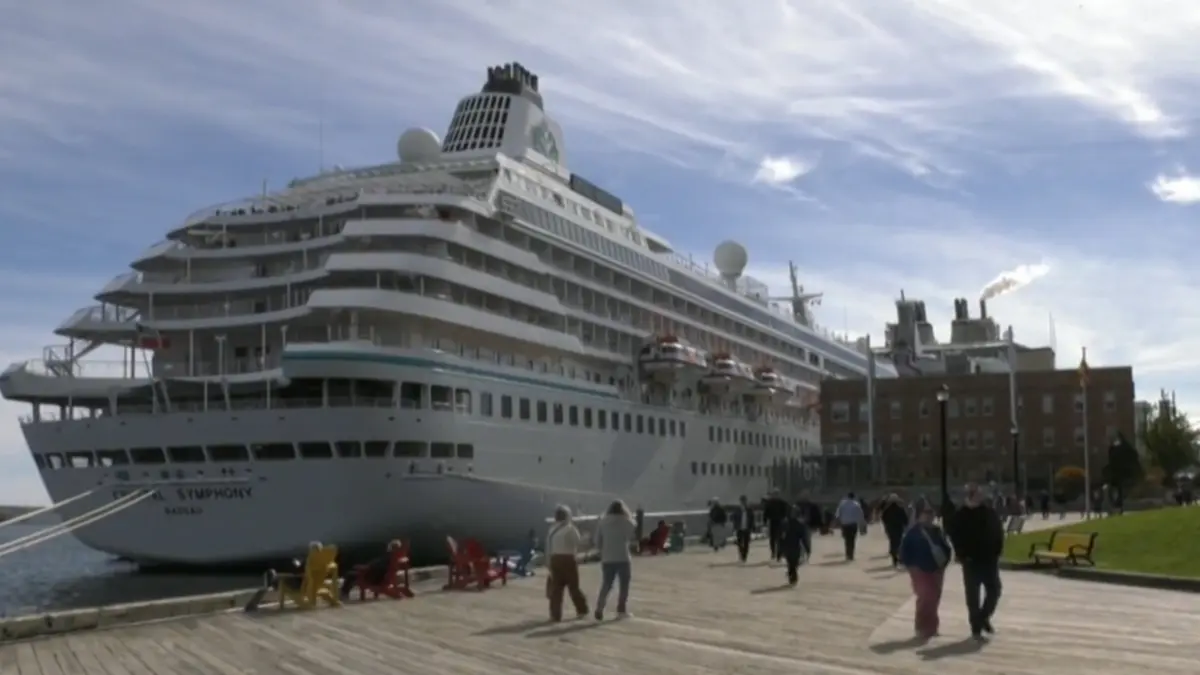
The promise of a sun-drenched escape to the turquoise waters of the Bahamas turned into a brisk journey toward the North Atlantic for approximately 5,000 passengers aboard Royal Caribbean’s Oasis of the Seas. What was intended to be a seven-night tropical itinerary departing from Cape Liberty, New Jersey, on October 18, 2026, was abruptly transformed by a volatile weather system along the United States East Coast. Instead of the planned stops in Florida and the Caribbean, the massive vessel was forced to chart a course for Halifax, Nova Scotia, leaving travelers to navigate a vacation for which few were prepared.
The diversion highlights the inherent risks of maritime travel during the autumn months, a period often characterized by unpredictable storm patterns and rapid temperature shifts. While cruise lines prioritize passenger safety above all else, the transition from "booty shorts" to winter coats has sparked a broader conversation regarding passenger expectations, corporate compensation policies, and the logistical challenges of rerouting one of the world’s largest cruise ships on short notice.
A Drastic Shift in Itinerary and Climate
The Oasis of the Seas, a flagship of Royal Caribbean’s Oasis-class fleet, was scheduled to visit Port Canaveral, Florida, followed by a day at the cruise line’s private island, Perfect Day at CocoCay, and a final stop in Nassau, Bahamas. These destinations are staples of the Caribbean cruising industry, offering year-round warmth and outdoor activities. However, as the ship departed its homeport in New Jersey, meteorologists identified a deepening low-pressure system moving along the Atlantic seaboard, creating sea conditions and wind speeds that rendered a southbound journey unsafe or, at the very least, extremely uncomfortable for guests.
By October 20, the decision was finalized: the ship would head north to Halifax. The meteorological reality was stark. While Nassau typically enjoys October temperatures in the mid-80s Fahrenheit (29-30°C), Halifax was experiencing a seasonal dip, with temperatures hovering in the 40s and 50s (4-12°C). This 40-degree temperature swing created an immediate logistical crisis for passengers who had packed almost exclusively for a tropical climate.
The Human Impact: From Wardrobe Woes to Heartbreak
For the thousands of guests on board, the announcement was met with a mixture of shock, frustration, and, for some, profound sadness. Social media platforms became a sounding board for disgruntled travelers. Passenger Nicole Borowicz-Byler expressed the collective disbelief of the cohort, questioning if the announcement was a joke. The sentiment was echoed by David Hess, who noted that his party’s luggage consisted entirely of summer attire, including tank tops and shorts.
The response from fellow traveler Daisy Mungin was succinct: "It’s freezing." The lack of appropriate clothing forced many passengers to remain indoors or purchase expensive cold-weather gear from the ship’s onboard boutiques, which often carry limited stock for such drastic climate shifts.
Beyond the physical discomfort, the change in destination had emotional consequences. One of the most poignant stories to emerge from the diversion involved a family traveling with the ashes of their late father. According to passenger Debra DelCamp, the family had specifically chosen this itinerary to scatter the remains in Nassau, a location that held sentimental value as the site of the patriarch’s final cruise. Instead of the warm breezes of the Bahamas, the family was forced to perform their memorial service in the chilly environment of Nova Scotia.
"It was to celebrate their father’s last trip on Oasis that actually went to Nassau," DelCamp explained. "So, they were very sad to be releasing ashes in Canada."
Meteorological Realities and the "Contract of Carriage"
The decision to divert a ship of the Oasis of the Seas’ magnitude—measuring over 1,180 feet in length and weighing more than 225,000 gross tons—is never taken lightly. Royal Caribbean employs a dedicated team of meteorologists who monitor global weather patterns 24/7. In this instance, the "weather-bound" nature of the East Coast meant that proceeding south would have likely resulted in the ship encountering heavy swells and gale-force winds, which could lead to passenger injuries and damage to the vessel.
From a legal and operational standpoint, cruise lines are protected by the "Contract of Carriage," a document every passenger agrees to upon booking. This contract explicitly states that the cruise line reserves the right to deviate from the scheduled itinerary, omit ports of call, or substitute destinations for any reason, including weather, safety, or mechanical issues. While this provides the cruise line with the necessary flexibility to ensure safety, it often leaves passengers with little recourse for a refund of the base cruise fare.
Compensation and Corporate Response
Recognizing the significant disappointment and the financial burden of the change, Royal Caribbean moved to mitigate the fallout through a series of compensation packages. According to reports from the Royal Caribbean Blog, the company offered tiered refundable onboard credits based on cabin category:
- Interior and Oceanview Cabins: $200 per guest.
- Balcony Cabins: $400 per guest.
- Suites: $600 per guest.
In addition to these immediate credits, which could be used for onboard shopping, dining, or beverages, the cruise line provided a 50% Future Cruise Credit (FCC) for all affected passengers. This credit allows guests to book a subsequent vacation at half the price, an attempt to build goodwill and encourage repeat business despite the ruined plans. Furthermore, all pre-purchased shore excursions for Florida and the Bahamas were automatically refunded to the guests’ original form of payment.
The ship arrived in Halifax on October 20 and remained in port until 6:00 p.m. the following day. This extended stay was intended to allow passengers more time to explore the historic Canadian city, though the appeal of local landmarks like the Citadel or the Public Gardens was hampered by the inclement weather and the passengers’ lack of preparation.
Historical Context and Industry Trends
This incident is not an isolated occurrence in the cruise industry. As climate patterns become more volatile, "itinerary swaps" are becoming a more frequent, if still rare, necessity. In December 2023, the MSC Meraviglia faced a nearly identical situation when a storm forced a diversion from the Bahamas to New England and Canada, leading to similar outcries from passengers.
The broader industry has faced a string of logistical challenges in 2026. Earlier in the year, a cruise ship made headlines after running aground on a reef in Fiji, near the island where the film Cast Away was shot, leaving passengers stranded for an extended period. Additionally, tensions between passengers and cruise lines have risen over internal policy changes, such as new fines introduced by some lines for guests who remove food from buffet areas to their staterooms.
These events underscore the complexity of modern cruising. While ships are more technologically advanced than ever, they remains subject to the whims of nature and the logistical constraints of international maritime travel.
Analysis of Implications
The diversion of the Oasis of the Seas serves as a cautionary tale for "shoulder season" travelers. October is a transitional month in the Atlantic, where the warmth of summer meets the brewing storms of autumn. For the cruise industry, these incidents represent a significant public relations challenge. While the safety of the 5,000 souls on board is the paramount concern, the "vacation of a lifetime" can quickly turn into a source of resentment when the core promise of the trip—the destination—is unfulfilled.
From an economic perspective, the diversion also impacts the ports involved. Nassau and Port Canaveral lost the significant revenue generated by thousands of high-spending cruise tourists, while Halifax saw an unexpected influx of visitors. However, the economic gain for Halifax may have been muted by the fact that many passengers were unwilling or unable to leave the ship due to the cold.
For regular cruisers like Debra DelCamp, the situation is merely part of the "cruise life." Experienced travelers often understand that the ship itself is the primary destination, and itinerary changes are a known risk. However, for the first-time cruisers who make up a significant portion of Royal Caribbean’s demographic, such a drastic change can sour the perception of the industry as a whole.
Conclusion
As the Oasis of the Seas made its way back toward New Jersey, the 5,000 passengers on board were left with memories of the rugged beauty of Nova Scotia rather than the white sands of CocoCay. While Royal Caribbean’s compensatory measures were substantial, they could not replace the lost opportunities for tropical relaxation or the specific sentimental goals of families like the one seeking to honor their father.
In the wake of this event, the cruise industry may face calls for more transparent weather-related policies or perhaps more robust "itinerary insurance" options. For now, the story of the "Bahamas cruise to Canada" stands as a stark reminder that in the world of maritime travel, the ocean remains the ultimate arbiter of any journey.




 Nila Kartika Wati

 Eva Lovia

 Lina Irawan

 Yuyun Lusiyani

 Ana Megawati

 Joko Widodo
