
 Ana Megawati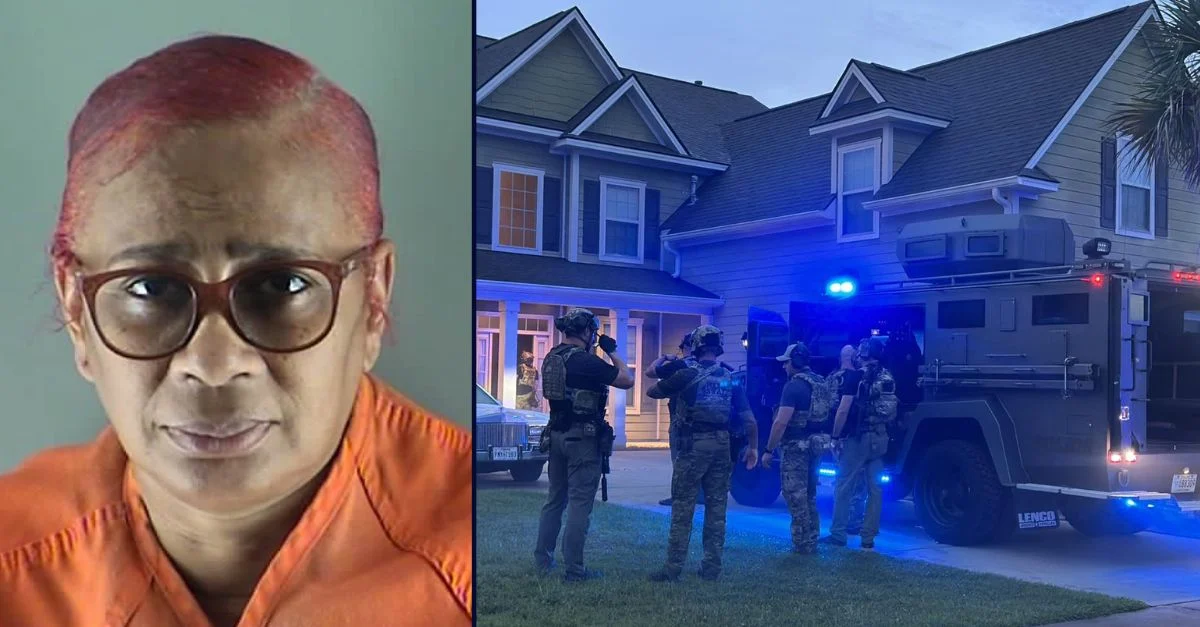
A South Carolina woman, Margaret Roberson, 57, was recently denied bond in a complex human trafficking case that tragically came to light following the death of an 11-year-old girl. The Horry County Sheriff’s Office has leveled significant charges against Roberson, including five counts of trafficking in persons, three counts of unlawful conduct toward a child, and one count of criminal conspiracy. This development marks a critical juncture in an ongoing investigation that has broadened to include six adult defendants and highlights the severe allegations of exploitation and abuse within the community.
The Genesis of the Allegations: Forced Labor and a Child’s Death
The foundation of the charges against Roberson dates back to January 2025, when authorities allege that she, alongside Camisha Marie McGaskey, 32, systematically compelled five minor children to perform cleaning duties at various medical clinics situated in and around Conway, a small city approximately 15 miles northwest of the popular tourist destination of Myrtle Beach. These alleged activities constitute the core of the human trafficking accusations, involving forced labor under coercive conditions.
The full horror of the situation became public in June 2025 with the arrest of Camisha Marie McGaskey. McGaskey, who was identified as the legal guardian of 11-year-old A’Kyri Bell, was initially charged in connection with the girl’s death. A’Kyri, originally from Texas, had been residing with the defendants at a residence on Sago Palm Drive in Carolina Forest, a census-designated area strategically located between Conway and Myrtle Beach. The initial investigation into A’Kyri’s death quickly unearthed a much darker narrative, exposing a pattern of alleged abuse and exploitation that had been occurring within the household.
Horry County Police Chief Kris Leonhardtt, addressing the media at a press conference, underscored the gravity of the situation. "This was a horrific crime," Chief Leonhardtt stated, as reported by Florence-based CBS affiliate WBTW. "This poor 11-year-old victim suffered multiple injuries. If you see these types of things in our community, please, please, report these things." His plea reflected the shock and concern reverberating through the community and among law enforcement officials regarding the nature of the alleged crimes.
Escalation of Charges and the Expanding Investigation
Initially, McGaskey and two other individuals, Lakesha Burnett, 34, and Alantis Thomas, 22, faced charges of obstruction of justice in the immediate aftermath of A’Kyri’s death. However, as investigators delved deeper into the circumstances surrounding the child’s demise and the living conditions within the Sago Palm Drive residence, the scope of the case expanded dramatically. McGaskey’s charges were subsequently upgraded to murder, reflecting the severe blunt force injuries that ultimately claimed A’Kyri’s life on June 11, 2025.
The ongoing investigation meticulously uncovered evidence suggesting a broader criminal enterprise involving the exploitation of children. This led to the human trafficking charges against Margaret Roberson, whom prosecutors, during a recent hearing, described as the "matriarch of the house." The moniker paints a picture of Roberson as a central figure in the alleged illicit activities, a claim disputed by her defense. In total, six adults have now been charged in connection with this multifaceted case, highlighting the collaborative nature of the alleged crimes and the comprehensive response from law enforcement. Besides McGaskey, Roberson, Burnett, and Alantis Thomas, additional defendants include Alexandria Thomas, 20, and Darnell Dearmas, 21, all of whom are alleged to have "contributed to the circumstances that led to the homicide," according to prosecutors.
Allegations of Systematic Abuse and Witness Testimony
During the recent bond hearing, which saw Roberson denied release, chilling details emerged regarding the alleged abuse inflicted upon the children residing in the home. Leigh Waller, an attorney representing the state, presented a disturbing account to the court, as reported by Myrtle Beach-based NBC affiliate WMBF. Waller described a harrowing form of punishment allegedly meted out to the minors who failed to comply with demands for cleaning and labor.
"They said if they didn’t clean they – Camisha McGaskey – they would get what they called ‘the upper room treatment’… when a child would be taken into a bathroom, the upstairs bathroom, and essentially waterboarded," Waller recounted to the judge. This graphic description of torture painted a grim picture of the conditions endured by the children. Further compounding the gravity of the allegations, the state’s attorney revealed the existence of video evidence purportedly depicting these acts of abuse. These videos, according to Waller, directly implicate Roberson, showing her "sit[ting] in the videos and watch[ing], while she sits in her bedroom."
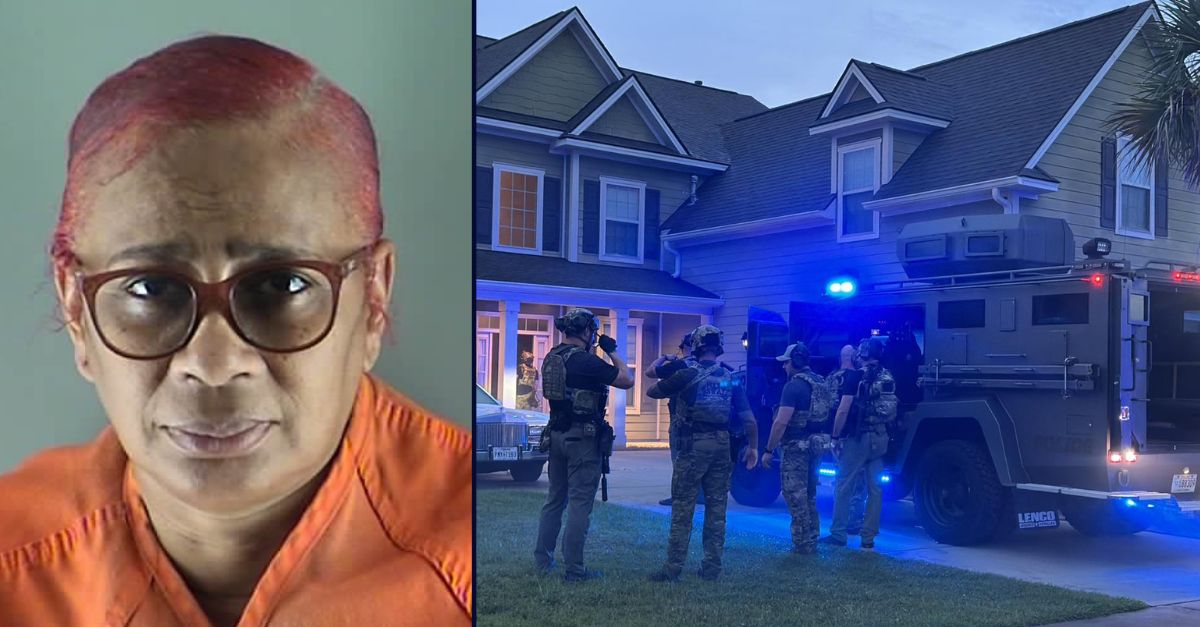
The testimony of an alleged victim at the bond hearing further solidified the prosecution’s claims, asserting that Roberson was not only aware of the abuse but also "thought it was funny." This statement suggests a profound lack of empathy and a direct endorsement of the cruelty described, bolstering the prosecution’s argument against granting bond.
Defense Counterarguments and Legal Definitions
Morgan Martin, the defense attorney representing Margaret Roberson, vehemently challenged both the extent of his client’s knowledge regarding the alleged abuse and the legal characterization of the children’s work as "human trafficking." Martin argued against the prosecution’s portrayal of Roberson as an active participant or even an approving observer of the alleged "upper room treatment."
During the bond hearing, Martin contended, "The fact that it’s forced labor just doesn’t seem to be verified by the evidence that I’ve seen." He further elaborated on the legal distinction, stating, "I think that there are situations where children can be working, or asked to work, or told to work, that doesn’t amount to human trafficking, because that’s got a totally different definition to it." This argument highlights a key aspect of the legal battle: the precise definition and application of human trafficking laws, which typically require elements of force, fraud, or coercion for the purpose of exploitation. The defense is likely to challenge whether the alleged labor truly met these stringent legal criteria, distinguishing it from general child labor or household chores.
Furthermore, the defense attorney raised questions about the reliability of the evidence presented, specifically regarding the children’s statements about working at Conway hospital. "Nobody from Conway hospital, nobody other than these children, who give contradictory statements, the each of them, frankly, about exactly what was happening with regards with their going to Conway hospital to work," Martin asserted. This line of defense aims to cast doubt on the consistency and veracity of the victims’ accounts, a common strategy in complex criminal cases. The defense will likely seek to scrutinize the investigative process and the collection of witness testimony.
Broader Context: Human Trafficking in South Carolina and Beyond
The Roberson case serves as a stark reminder of the pervasive and insidious nature of human trafficking, even in seemingly quiet residential communities. South Carolina, like many states, grapples with the challenge of identifying and prosecuting cases of both sex and labor trafficking. According to data from the National Human Trafficking Hotline, South Carolina consistently reports dozens of trafficking cases annually, with minors often among the most vulnerable victims. Labor trafficking, while sometimes overshadowed by sex trafficking in public discourse, is a significant issue where individuals, including children, are compelled to work through various forms of coercion, often hidden in plain sight within legitimate businesses or private residences.
Child victims of human trafficking and abuse often suffer profound physical and psychological trauma. The long-term effects can include complex PTSD, depression, anxiety, developmental delays, and difficulties forming healthy relationships. The Horry County case underscores the critical importance of community vigilance and reporting suspicious activities. The tragic death of A’Kyri Bell highlights the extreme risks faced by children caught in such exploitative environments, emphasizing the need for robust child protective services and rapid intervention by law enforcement.
The legal definition of "Trafficking in Persons" in South Carolina, outlined in state statutes, typically involves the recruitment, harboring, transportation, provision, or obtaining of a person for labor or services through the use of force, fraud, or coercion. The "unlawful conduct toward a child" charges further underscore the state’s commitment to protecting minors from abuse and neglect, encompassing a broad range of harmful actions.
The Path Forward: Justice and Prevention
As the legal proceedings against Margaret Roberson and the other five defendants continue, the case will undoubtedly involve extensive discovery, expert testimony, and potentially lengthy trials. The prosecution will face the challenge of proving beyond a reasonable doubt the elements of human trafficking, murder, and unlawful conduct, relying heavily on victim testimony, forensic evidence, and the alleged video recordings. The defense, in turn, will work to discredit witness statements, challenge the interpretation of evidence, and argue for a less severe interpretation of the alleged actions.
This case also brings to the forefront the broader societal implications of child exploitation. It serves as a call to action for increased public awareness, education, and collaboration among law enforcement, social services, and community organizations to combat human trafficking. Efforts to identify at-risk children, provide support for victims, and prosecute perpetrators are paramount in preventing future tragedies. The Horry County Police Chief’s impassioned plea for community reporting resonates deeply, emphasizing that the collective vigilance of citizens can be a crucial line of defense against these hidden crimes. The pursuit of justice for A’Kyri Bell and the other alleged child victims will be a protracted and complex process, but one that is essential for upholding the rule of law and protecting the most vulnerable members of society.

 Yuyun Lusiyani
 Joko Widodo
 Jia Lissa
 Pevita Pearce
 admin
admin
