
 Ana Megawati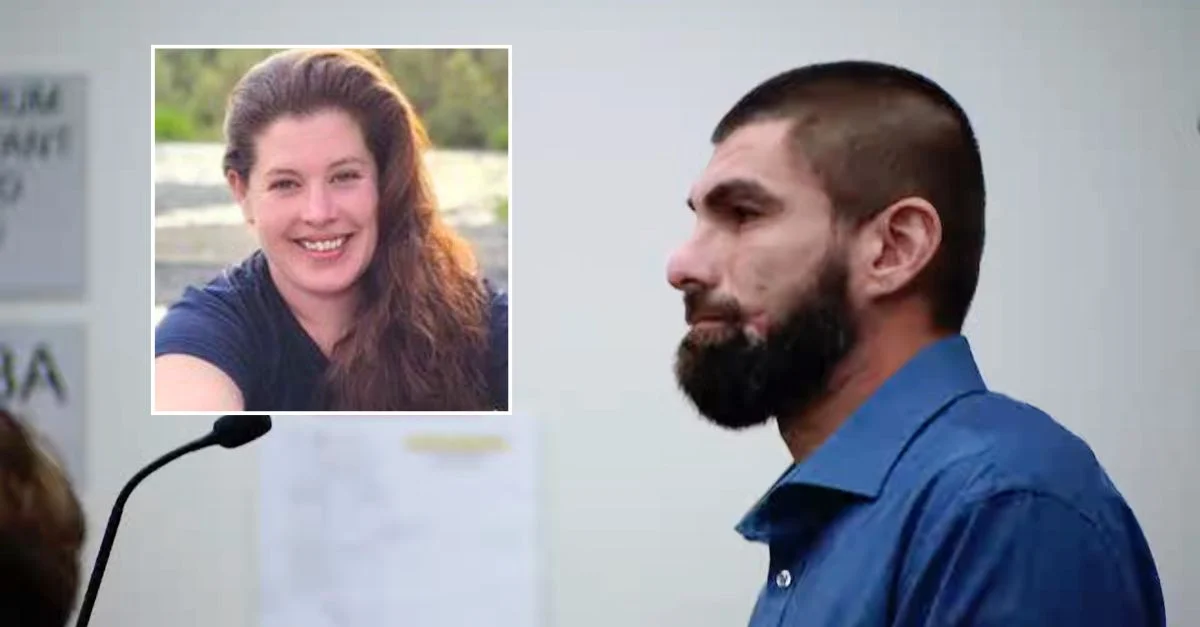
A man in Washington state has been formally charged with second-degree murder in connection with the death of his girlfriend, whose body was discovered in the Skagit River weeks after she was reported missing. Authorities detailed a disturbing trail of evidence, including clumps of the victim’s hair and blood found in the accused’s truck, alongside a harrowing history of alleged domestic violence.
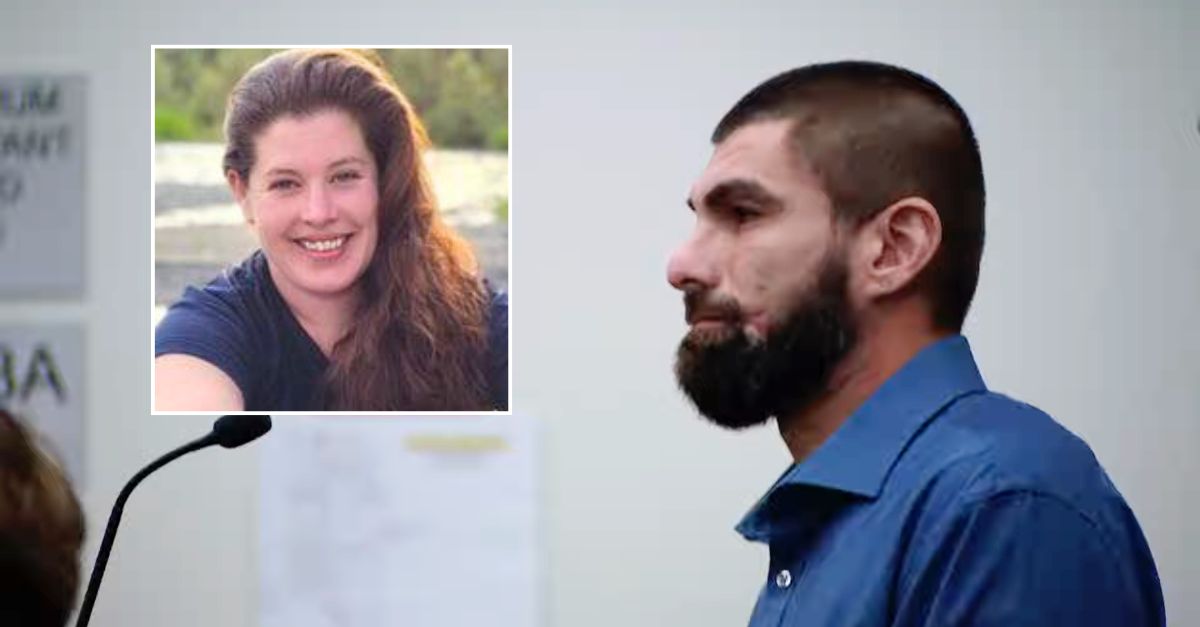
Juan Delgado, 42, faces serious allegations in the killing of 37-year-old Krista Hunt. The Skagit County Sheriff’s Office announced the charge while Delgado was already in custody at the Skagit County Jail for "un-related charges," underscoring a complex and evolving legal situation. The development brings a grim conclusion to the search for Hunt, which captivated the Concrete area community and raised profound questions about domestic violence and the safety of vulnerable individuals in rural settings.
The Investigation Unfolds: A Timeline of Disappearance and Discovery
The disappearance of Krista Hunt initiated a concerned search effort that spanned several weeks, culminating in the tragic discovery of her remains. Hunt was officially reported missing on February 1, though her mother, Pamela Hunt, informed Seattle-based NBC affiliate KING that Krista was last seen on January 25. According to Pamela Hunt, her daughter was believed to be with Juan Delgado, her boyfriend at the time, and was reportedly last seen near a restaurant in Concrete, having run out of gas and then exited a truck to walk.
On the same day Krista Hunt was reported missing, February 1, a deputy made contact with Juan Delgado via phone. According to an affidavit shared by KING, Delgado claimed he had not heard from Hunt in five days, yet expressed a desire to return her two dogs. He also reportedly stated that while there had been "issues" in their relationship in the past, he believed they were currently "on good terms." This statement would later stand in stark contrast to the emerging details of their relationship and the subsequent findings.
A critical turn in the timeline occurred just two days after Hunt was reported missing. Delgado reportedly sustained a self-inflicted gunshot wound at a local bar in the small Washington town. He survived the incident and, in later interactions with authorities, reportedly expressed that he "missed Krista." This event added a layer of complexity to the ongoing missing persons investigation, drawing further attention to Delgado’s involvement.
Weeks of anxious waiting and searching followed, with the community holding onto hope for Hunt’s safe return. However, these hopes were shattered when a body was discovered in the Skagit River. The river, a prominent geographical feature, runs directly beneath the town of Concrete. On March 18, the Skagit County Sheriff’s Office confirmed the devastating news: the county coroner had positively identified the remains as belonging to Krista Hunt. The identification marked a shift from a missing persons case to a homicide investigation, bringing a wave of grief and calls for justice to the community.
Evidence Mounting: Forensics and Eyewitness Accounts
The path to charging Juan Delgado with murder has been paved with a combination of forensic evidence and statements gathered during the investigation. Central to the prosecution’s case is the discovery of physical evidence directly linking Delgado to the crime. Investigators reportedly found clumps of Krista Hunt’s hair and blood inside Delgado’s truck, suggesting a violent encounter occurred within the vehicle. Such evidence, if presented effectively in court, can be highly compelling in establishing a connection between the accused, the victim, and the alleged crime.
The coroner’s report, while confirming Hunt’s identity, could not definitively determine an exact cause of death, a challenge often encountered in cases involving bodies recovered from water, where decomposition and environmental factors can obscure immediate physical trauma. However, the report did detail significant injuries sustained by Hunt, including a broken neck, a broken jaw, and broken ribs. These injuries are consistent with severe blunt force trauma and directly contradict any suggestion of an accidental death, such as being hit by a car, a narrative Delgado reportedly offered to friends. The nature of these injuries strongly points towards a violent assault preceding her death and the subsequent disposal of her body.
Delgado’s shifting narratives and actions have also drawn scrutiny. His initial claims of not hearing from Hunt for five days, coupled with his later "missing Krista" statement after a self-inflicted injury, present a pattern that investigators would likely scrutinize for inconsistencies and potential deception. The discrepancy between the reported injuries and Delgado’s alleged explanation further solidifies the suspicion surrounding his involvement. The evidence, both physical and circumstantial, paints a grim picture of the events leading to Krista Hunt’s death and points toward a deliberate act of violence.
A Life Cut Short: Krista Hunt and the Shadow of Domestic Violence
Krista Hunt’s tragic death casts a harsh spotlight on the pervasive issue of domestic violence, a shadow that her mother, Pamela Hunt, alleges had long loomed over Krista’s relationship with Juan Delgado. Pamela Hunt recounted disturbing instances of alleged abuse, painting a vivid and harrowing picture of the violence her daughter endured. She described one occasion where she had to take Krista to the hospital, where her daughter revealed she had a broken leg. Krista allegedly told her mother that Delgado had "boot-stomped her leg and her chest." Even more chilling was the allegation that Delgado once "set a timer and told her he was going to hit her every 15 minutes." These accounts, if proven, depict a pattern of extreme control, intimidation, and physical brutality, characteristic of severe domestic abuse.
The allegations against Delgado resonate with a distressing national crisis. According to the National Coalition Against Domestic Violence (NCADV), nearly 1 in 4 women and 1 in 7 men in the United States have experienced severe physical violence by an intimate partner in their lifetime. Furthermore, domestic violence is often a leading cause of homelessness among women and children. The cycle of abuse, characterized by tension building, acute battering, and then periods of contrition and calm, makes it incredibly difficult for victims to leave. Fear of escalation, economic dependence, emotional manipulation, and threats against children or pets often trap individuals in dangerous relationships.
The severity of the alleged abuse in Hunt’s case, particularly the mention of "boot-stomping" and timed assaults, points to a high-risk situation. Experts in domestic violence often warn that strangulation, repeated physical assaults, and threats to kill are significant indicators of increased lethality. Victims attempting to leave abusive relationships face the highest risk of severe violence or homicide, making the period surrounding a separation particularly perilous. Krista Hunt’s story, as told by her mother, tragically underscores the silent struggles many face behind closed doors and the dire consequences when such violence escalates unchecked. Her death serves as a stark reminder of the critical importance of recognizing the signs of abuse and providing robust support systems for victims.
The Accused: Juan Delgado’s Prior Encounters and Current Detainment
Juan Delgado’s legal troubles did not begin with the murder charge. He was already being held at the Skagit County Jail on "un-related charges" when the second-degree murder charge was issued. While the nature of these prior charges has not been publicly detailed in the initial reports, their existence indicates a history of interaction with the legal system. This pre-existing detainment highlights the complex legal landscape surrounding Delgado and potentially suggests a pattern of behavior that authorities may consider relevant during the prosecution.
His actions immediately following Hunt’s disappearance also draw significant attention. The self-inflicted gunshot wound at a local bar, though he survived, points to a state of distress or guilt, or perhaps an attempt to evade further police questioning. His subsequent statement that he "missed Krista" could be interpreted in various ways, from genuine remorse to a calculated attempt to appear distraught. In legal proceedings, the prosecution would likely scrutinize such statements and actions for inconsistencies or admissions that could shed light on his involvement in Hunt’s death.
Currently, Juan Delgado is being detained on $1 million bail. This substantial bail amount reflects the severity of the charges against him and the court’s assessment of his flight risk and potential danger to the community. In Washington State, judges consider factors such as the nature and seriousness of the offense, the defendant’s criminal history, community ties, and financial resources when setting bail. A $1 million bail indicates that the court views Delgado as a significant risk, and it is a sum that typically ensures a defendant will remain incarcerated pending trial, especially in a rural area like Skagit County where community resources might be limited for high-risk individuals. The legal journey for Delgado is now formally underway, with the murder charge marking a critical escalation in his legal challenges.
The Rural Landscape: Concrete, Washington and the Challenges of Remote Investigations
The tragic events surrounding Krista Hunt’s death unfolded in and around Concrete, Washington, a small, rural town nestled in the northern part of the state, along the scenic Skagit River. This geographical setting plays a significant role in understanding the complexities of the investigation and the broader implications of such crimes. Rural communities, while often perceived as idyllic, face unique challenges when confronted with serious crimes like murder and missing persons cases.
Concrete, with its relatively small population and remote location, presents distinct obstacles for law enforcement. Resources, including personnel, forensic capabilities, and specialized search teams, may be more limited compared to urban areas. The vast, often rugged terrain surrounding such towns can make search efforts for missing individuals incredibly difficult, requiring extensive coordination and manpower. The Skagit River itself, a powerful and expansive waterway, poses a formidable challenge for recovery efforts, as currents and natural elements can quickly move and obscure evidence. The fact that Hunt’s body was eventually recovered from the river underscores the immense difficulty investigators faced in locating her remains and determining the circumstances of her death.
Moreover, in tight-knit rural communities, social dynamics can sometimes complicate investigations. While residents may be more inclined to help, privacy concerns or a reluctance to report on neighbors can also exist. Information flow might be slower, and the impact of a violent crime can be profoundly felt throughout the entire community, leading to increased anxiety and fear. The isolation of rural life can also exacerbate issues like domestic violence, as victims may have fewer accessible support services, less anonymity, and greater difficulty reaching out for help, potentially leaving them more vulnerable to their abusers. Krista Hunt’s case highlights how the unique characteristics of rural Washington can shape the course of justice and underscore the need for robust support systems in all communities, regardless of their size or location.
Broader Societal Context: Addressing Domestic Violence and Missing Persons Cases
Krista Hunt’s story is a stark reminder of the pervasive and devastating impact of domestic violence across the United States. Beyond the immediate tragedy, her case serves to illuminate broader societal issues regarding the prevalence of intimate partner violence and the challenges inherent in missing persons investigations, particularly when foul play is suspected.
National statistics paint a grim picture: the U.S. Department of Justice estimates that 1.3 million women and 835,000 men are victims of physical assault by an intimate partner each year. These numbers likely underreport the true scope, as many incidents go unreported due to fear, shame, or a lack of trust in the system. Domestic violence is not merely physical; it encompasses emotional, psychological, sexual, and financial abuse, creating a coercive control dynamic that erodes a victim’s autonomy and self-worth. Public awareness campaigns and accessible resources, such as national hotlines (e.g., the National Domestic Violence Hotline) and local shelters, are crucial in providing lifelines to those trapped in abusive relationships. Hunt’s mother’s allegations of "boot-stomping" and timed assaults exemplify the extreme end of the abuse spectrum, signaling a high-risk situation that often tragically escalates to homicide.
The investigation into Hunt’s disappearance and subsequent death also highlights the complexities of missing persons cases. Every year, hundreds of thousands of individuals are reported missing in the U.S., with varying outcomes. While many are quickly resolved, those involving suspected foul play, especially in rural or wilderness areas, can become protracted and challenging. The recovery of human remains from waterways, like the Skagit River, presents unique forensic hurdles for coroners and medical examiners, making it difficult to ascertain the precise cause and manner of death. This difficulty does not, however, preclude the ability of law enforcement to build a case based on circumstantial evidence, witness testimony, and other forensic findings, as seen in the charges against Delgado. The emotional toll on families during these periods of uncertainty is immense, as expressed by Hunt’s brother, emphasizing the need for compassionate and thorough investigations.
The Path to Justice: Legal Proceedings and Community Impact
With Juan Delgado now formally charged with second-degree murder, the legal process will move forward, aiming to bring justice for Krista Hunt. In Washington State, second-degree murder typically involves an intentional killing that is not premeditated, or a killing that occurs during the commission of another felony. The prosecution will now work to build its case, presenting the gathered evidence—forensic findings, witness statements, and any history of alleged abuse—to a court of law. Delgado will have the right to legal representation and a fair trial, where the defense will have the opportunity to challenge the evidence and present its own arguments. The high bail of $1 million indicates the gravity of the charges and the court’s assessment of the risk involved.
The impact of Krista Hunt’s death extends far beyond the immediate legal proceedings. Her family has been left grappling with unimaginable grief and the profound loss of a loved one. Her brother articulated this pain, stating, "I can’t imagine the pain my mom is going through right now… I know the pain I’m going through. And it’s hard… He stole 60 years of my relationship with Krista." Such statements underscore the devastating, long-term ripple effect that violence has on families and communities, severing bonds and leaving an indelible mark of sorrow and trauma.
The community of Concrete, and indeed Skagit County, will undoubtedly feel the repercussions of this tragedy for years to come. Such events often spark discussions about local safety, the effectiveness of support systems for victims of domestic violence, and the vigilance required to protect vulnerable individuals. As the legal process unfolds, the focus will remain on ensuring accountability for Krista Hunt’s death and honoring her memory, while hopefully prompting a renewed commitment to addressing the silent epidemic of domestic violence that continues to plague communities across the nation. The pursuit of justice for Krista Hunt serves as a solemn reminder of the urgent need for empathy, intervention, and systemic change in the face of such profound violence.



 Yuyun Lusiyani
 Joko Widodo
 Jia Lissa
 Pevita Pearce
 admin
admin
