
 Pevita Pearce
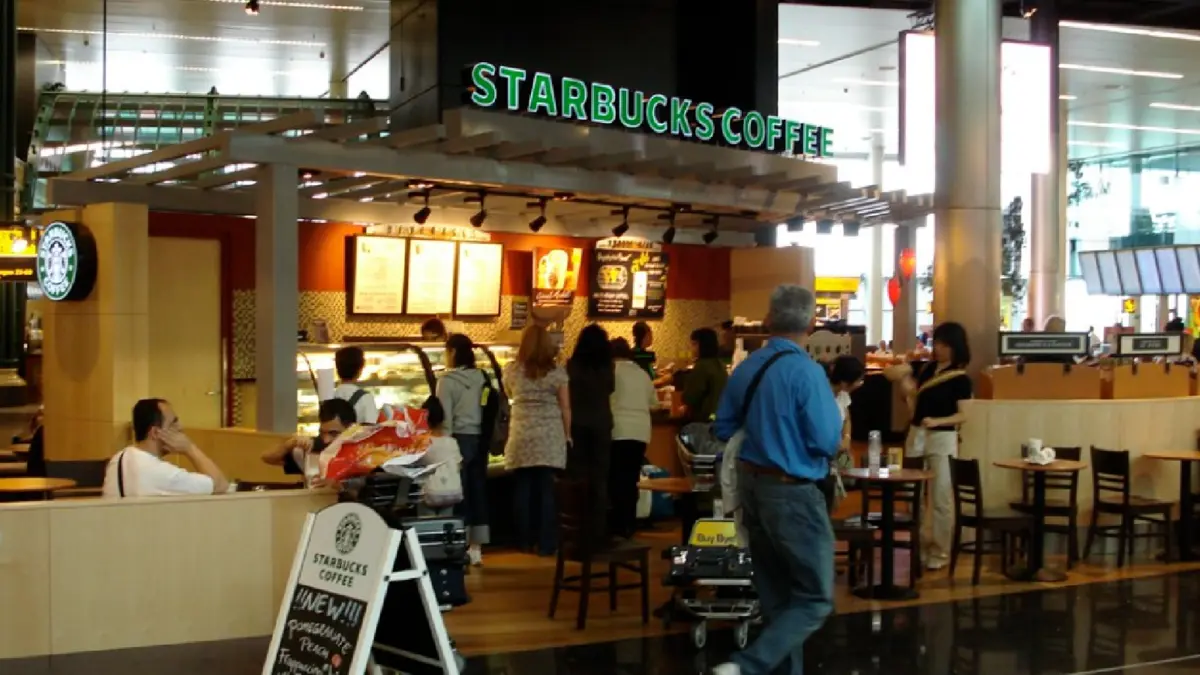
Starbucks is exploring the implementation of advanced artificial intelligence technology designed to transform the drive-thru experience by recognizing returning customers and delivering hyper-personalized digital menus. The Seattle-based coffee giant unveiled these ambitious plans during its fiscal fourth-quarter earnings call on Thursday, October 29, 2024, marking a significant strategic pivot under the leadership of its new Chairman and CEO, Brian Niccol. The initiative is part of a multi-year roadmap aimed at integrating AI-powered features across the company’s physical restaurants and its industry-leading mobile application to drive efficiency and customer loyalty.
While the technology is currently in the exploratory and early development stages, Starbucks has outlined a vision where the ordering process becomes nearly frictionless. By utilizing AI to identify "participating customers" as they pull into the drive-thru lane, the company intends to display menus tailored to an individual’s past preferences, dietary requirements, and local availability. This shift represents a departure from the traditional "one-size-fits-all" static digital board, moving toward a dynamic, data-driven interface that anticipates consumer needs.
The Vision for Personalized Drive-Thru Menus
During the earnings call, CEO Brian Niccol, who joined Starbucks from Chipotle earlier this year, emphasized that the company is prioritizing "experiences that recognize participating customers as they arrive, present personalized digital menus, and make payment more effortless." This personalization strategy aims to solve a common friction point in the drive-thru: the time spent browsing a large menu for a routine order.
The proposed system would theoretically allow the digital board to highlight a customer’s "usual" drink or suggest new items based on their flavor profile. For example, a customer who consistently orders oat milk lattes might see dairy-free seasonal specials prominently featured, while a customer who frequently orders breakfast sandwiches might be prompted with a "paired" discount.
However, Starbucks has yet to disclose the specific mechanisms it will use to identify customers. Industry analysts suggest several possibilities, including license plate recognition technology, Bluetooth or Geofencing via the Starbucks mobile app, or facial recognition—though the latter would likely face significant regulatory and privacy scrutiny. The company has clarified that this feature would likely be an "opt-in" service for members of the Starbucks Rewards program, which currently boasts over 33 million active members in the United States.
A Staged Rollout: The 2027 Roadmap
Starbucks has set a clear timeline for its broader technological overhaul, with 2027 targeted as a pivotal year for the integration of "background AI" models. These models are not intended for customer-facing interaction but are instead designed to support store partners (employees). According to Niccol, this background technology will assist baristas in inputting orders more accurately and efficiently.
The implementation of AI in the kitchen and at the POS (Point of Sale) system is intended to reduce order errors, which have been a point of contention for both customers and staff as drink customizations have become increasingly complex. By automating the transcription of verbal orders in the drive-thru, Starbucks hopes to allow baristas to focus more on beverage craft and customer connection rather than manual data entry.
In addition to drive-thru enhancements, the 2027 plan includes a massive update to the Starbucks mobile app. The company is looking to move beyond simple search functions toward "conversational and agentic" ordering. Agentic AI refers to systems that can take action on behalf of the user—such as managing a complex order across multiple locations or suggesting the best time to pick up a drink based on real-time traffic and store congestion.
The Competitive Landscape: The AI Arms Race in QSR
Starbucks is not the only player in the Quick Service Restaurant (QSR) industry betting heavily on AI to solve operational challenges. The move follows similar pilots by major competitors who are also seeking to shave seconds off drive-thru wait times, a metric that directly correlates with daily revenue.
Taco Bell, owned by Yum! Brands, has been testing digital menu boards that utilize "dynamic layout" technology. These boards can change their visual hierarchy and content on a car-by-car basis, optimizing for high-margin items or items that are currently fastest to produce in the kitchen.

McDonald’s has perhaps been the most aggressive in this space. Following its 2019 acquisition of Dynamic Yield, the burger giant has been piloting an AI-powered feature known as ArchIQ. This system utilizes a chatbot to take orders and can identify returning customers via their mobile app or previous payment methods, offering a "one-tap" reordering experience for their favorite meals. While McDonald’s recently ended a partnership with IBM on a specific automated order-taker pilot, the company remains committed to developing an in-house AI solution to streamline the drive-thru.
Strategic Context: The "Back to Starbucks" Initiative
The push for AI integration comes at a critical juncture for Starbucks. The company has faced several quarters of sluggish sales and declining foot traffic, particularly in its domestic market. Brian Niccol’s appointment was seen as a move to stabilize the brand and return to its roots as a "community coffee house" while modernizing the "transactional" side of the business.
The "Back to Starbucks" strategy focuses on improving the partner experience and ensuring that stores can handle the immense volume of mobile and drive-thru orders. Currently, over 70% of Starbucks’ U.S. sales are generated through these off-premise channels. The bottleneck often occurs at the drive-thru, where long wait times can lead to "order abandonment." By using AI to personalize menus and streamline payments, Starbucks aims to increase "throughput"—the number of cars processed per hour—without adding additional labor costs.
Technical Foundation: From Deep Brew to Green Dot Assist
The newly announced AI plans build upon a foundation Starbucks has been laying for years. In 2019, the company introduced "Deep Brew," an internal AI platform used for labor scheduling, inventory management, and personalized offers sent via email and the mobile app.
More recently, the company has integrated with OpenAI’s ChatGPT, allowing some users to place orders through conversational interfaces. Internally, the company has rolled out "Green Dot Assist," an AI tool designed for employees. This digital assistant provides baristas with instant access to complex drink recipes, equipment cleaning standards, and service protocols. By expanding these tools to the drive-thru, Starbucks is essentially moving its AI capabilities from the back office to the front line of customer interaction.
Implications for Privacy and Labor
As Starbucks moves toward a future of customer recognition, it faces significant hurdles regarding data privacy and consumer trust. The company’s mention of "participating customers" suggests a tiered system where those willing to share their data receive a faster, more tailored experience. However, the use of identification technology in public spaces is a sensitive topic. Starbucks will need to navigate a patchwork of state-level privacy laws, such as the California Consumer Privacy Act (CCPA), which mandates transparency regarding how biometric or identifying data is collected and stored.
From a labor perspective, the introduction of AI is framed by leadership as a tool to "reduce the burden" on baristas. By automating order entry and payment, the company argues that employees will have more time to engage with customers. However, labor advocates often view such automation with caution, questioning whether these efficiencies will eventually lead to reduced staffing levels or a further "de-skilling" of the barista profession.
Economic and Industry Analysis
The financial stakes of this technological shift are immense. Starbucks’ drive-thru lanes are some of the most productive real estate in the retail world. Even a 10-second reduction in the average drive-thru transaction could result in millions of dollars in additional annual revenue across the company’s thousands of locations.
Furthermore, personalization is a proven driver of "ticket size"—the average amount spent per transaction. AI-driven "suggestive selling" (upselling) is significantly more effective than human upselling because the AI can analyze millions of data points in real-time to determine which add-on (such as a cake pop or an extra shot of espresso) is most likely to be accepted by a specific customer at a specific time of day.
Conclusion: Testing and Scaling
Despite the detailed vision shared during the earnings call, Starbucks remains cautious about the immediate rollout. CEO Brian Niccol emphasized a "test, learn, and scale" approach, noting that the company will not deploy these technologies nationwide until they are proven to enhance the customer experience without complicating store operations.
As the coffee industry enters a new era of digital competition, Starbucks is betting that the combination of its premium brand identity and cutting-edge AI will allow it to maintain its dominant market position. The goal is to create a drive-thru that feels less like a conveyor belt and more like a personalized service, bridging the gap between high-tech efficiency and the traditional coffee house experience. For now, customers can expect the status quo, but by 2027, the "Starbucks Run" may be managed by a sophisticated suite of background and foreground AI designed to know exactly what you want before you even reach the speaker box.


 Nila Kartika Wati

 Eva Lovia

 Lina Irawan

 Yuyun Lusiyani

 Ana Megawati

 Joko Widodo
