
 Ana Megawati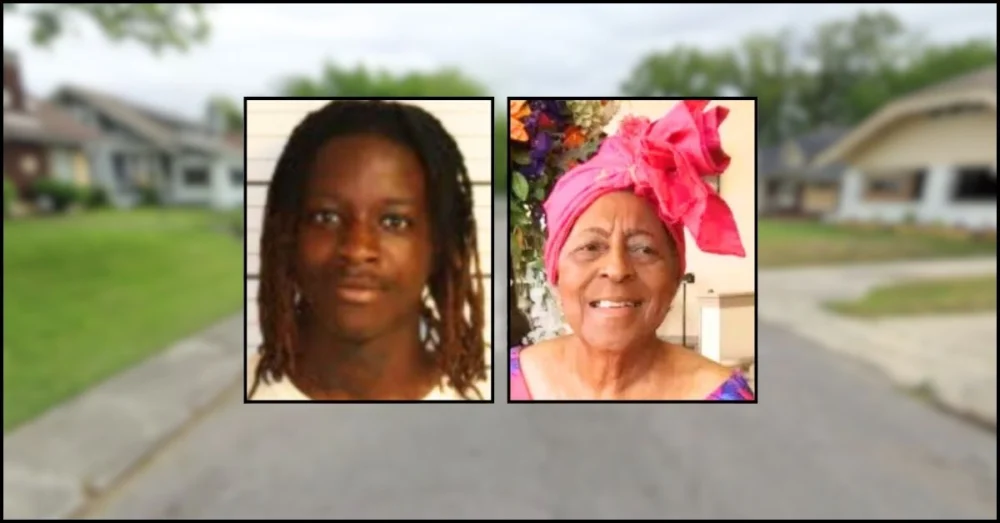
Memphis, Tennessee — The serene life of a cherished 93-year-old community pillar, Geraldine Harris, was tragically cut short in January 2024, when she was gunned down in her own home on Kendale Avenue. Authorities have now formally charged Derrion Taylor, who was 17 at the time of the incident, with first-degree murder, two counts of attempted first-degree murder, and two counts of aggravated assault in connection with the fatal shooting that also left two other women critically injured. The Shelby County District Attorney’s Office recently announced the transfer of Taylor’s case to adult criminal court, underscoring the gravity of the charges and the legal system’s commitment to accountability for violent crimes, especially those targeting vulnerable members of the community. His bond has been set at a substantial $1 million, reflecting the severity of the alleged offenses.
The Tragic Incident on Kendale Avenue
The horrific events unfolded on January 17, 2024, when Memphis Police Department officers responded to an urgent call reporting a shooting on Kendale Avenue. Upon arrival, emergency responders discovered three women suffering from gunshot wounds. Geraldine Harris, the matriarch of the household, was pronounced dead at the scene, her life senselessly taken. The two other victims, whose identities have not been publicly released, sustained critical injuries and were immediately transported to a local hospital for urgent medical attention, battling for their lives.
Initial investigations by detectives quickly pointed to a dispute as the catalyst for the violence. Reports from local CBS affiliate WREG indicated that the shooting stemmed from a disagreement between at least one of the surviving victims and two men. However, State Representative Antonio Parkinson, who represents the Memphis area, was quick to emphasize that Ms. Harris herself had no involvement in the underlying dispute. "She had nothing to do with that and the fact that here [is that] one of our matriarchs in the community has lost her life because of some nonsense that’s going on probably with younger people," Parkinson lamented, highlighting the devastating impact on a community that revered Ms. Harris. This assertion underscores a chilling aspect of the incident: an innocent elder, a bedrock of her neighborhood, became an unwitting casualty of a conflict she was entirely separate from.
Arrest and Legal Proceedings: A Chronology
The path to identifying and apprehending a suspect in Ms. Harris’s murder was meticulous and spanned over a year. Investigators from the Memphis Police Department, collaborating with federal partners, diligently worked to piece together the events of that fateful January day.
- January 17, 2024: The shooting occurs on Kendale Avenue, resulting in the death of Geraldine Harris and critical injuries to two other women. Memphis Police Department initiates a homicide investigation.
- Post-January 2024: Detectives continue their investigative work, interviewing witnesses, collecting forensic evidence, and developing leads. Their efforts eventually lead them to identify Derrion Taylor as a primary suspect.
- July 22, 2025: A juvenile petition is formally issued for the arrest of Derrion Taylor, based on the accumulated evidence. This legal step marks the formal initiation of charges against the then-17-year-old.
- July 24, 2025: Two days after the petition was issued, a multi-agency task force, including officers from the U.S. Marshals Service, successfully located and apprehended Taylor. Authorities tracked him to a residence on Colony Drive in Memphis. Law enforcement personnel surrounded the property, executing the arrest without further incident. The U.S. Marshals Service confirmed their involvement in the capture, emphasizing the coordinated efforts required to bring suspects in serious crimes to justice.
- Early 2026 (Approximate): The Shelby County District Attorney’s Office announces that Derrion Taylor’s case has been transferred from juvenile court to adult criminal court. This decision, typically made for serious felonies where the juvenile is deemed to pose a significant risk or where the crime warrants adult penalties, signals a more stringent legal path for Taylor. Simultaneously, his bond is set at $1 million, a standard practice for individuals facing capital offenses and deemed a flight risk or danger to the community.
The decision to try Taylor as an adult carries significant implications. In Tennessee, a juvenile charged with first-degree murder can be transferred to adult court if they are 16 or 17 years old at the time of the alleged offense and if the court determines that retaining jurisdiction in juvenile court would not be in the best interest of the child or the public. Factors considered often include the nature of the alleged offense, the juvenile’s history, and the likelihood of rehabilitation within the juvenile system. For first-degree murder convictions in adult court, penalties can range from life imprisonment with the possibility of parole after a set number of years, or life without parole, depending on the specific circumstances and aggravating factors.
A Life of Service: Remembering Geraldine Harris
Geraldine Harris’s obituary paints a vivid portrait of a life dedicated to service, education, and community engagement. Far from being just a victim, she was a true matriarch whose presence enriched countless lives in Memphis. Her life story is a testament to resilience and unwavering commitment to others, chronicling her journey of overcoming obstacles and consistently extending a helping hand.
Ms. Harris was a long-time Memphis public school teacher, shaping generations of young minds with her wisdom and dedication. Beyond the classroom, she was an avid church member, actively participating in her faith community and serving as a spiritual guide for many. Her commitment extended into the broader civic sphere, where she was known as a tireless community activist, advocating for the betterment of her neighborhood and its residents.
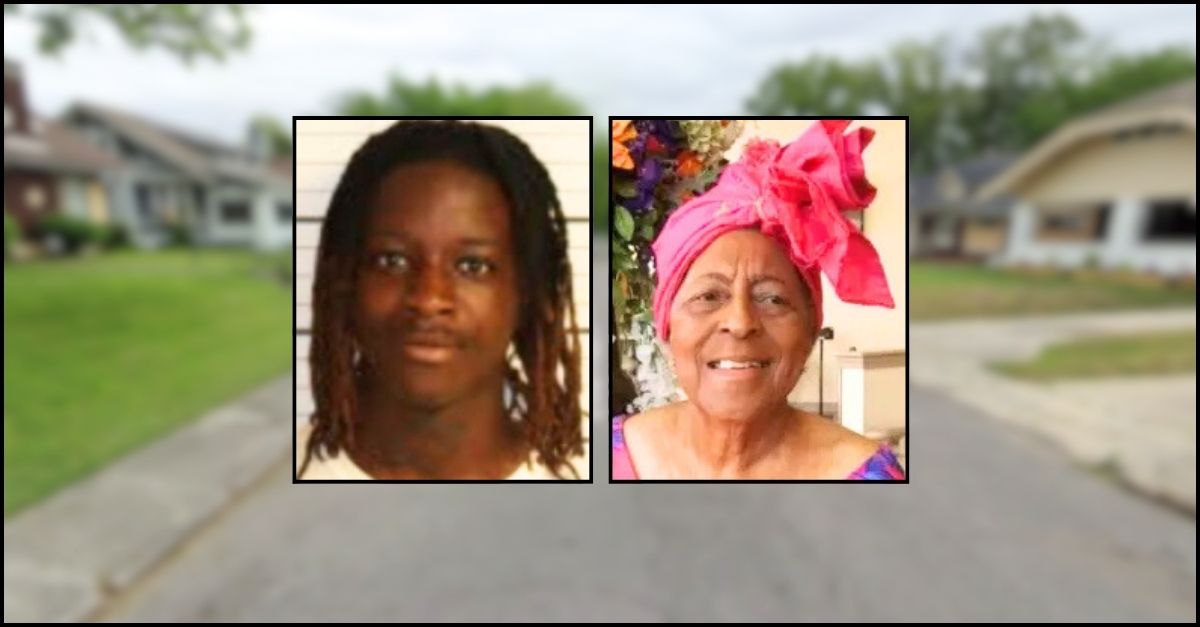
The obituary highlights that "Education was always at the core of Ms. Harris’ family." This foundational value guided her throughout her professional and personal life. Even after her formal retirement from teaching more than four decades ago, Ms. Harris did not cease her work. Instead, she redirected her prodigious energy towards various volunteer endeavors, embodying a spirit of lifelong service. She dedicated her time to teaching inmates at the Shelby County Penal Farm, offering them a path to rehabilitation and a chance at a brighter future through education. She also played a vital role in the Meals on Wheels program, delivering sustenance and companionship to homebound seniors, ensuring they were not forgotten. Furthermore, she volunteered diligently at her church, contributing to its mission and fostering a sense of community and support. Her legacy is one of profound positive impact, a stark contrast to the senseless violence that claimed her life.
Official Responses and Community Impact
Shelby County District Attorney Steve Mulroy voiced the profound sorrow and determination of his office following the transfer of Taylor’s case. "The facts of this case are deeply disturbing," Mulroy stated. "A 93-year-old woman lost her life in her own home, and two others were critically injured. Our hearts are with Ms. Harris’s family and loved ones as they continue to endure this unimaginable loss. We are committed to pursuing justice and ensuring accountability as this case moves forward in criminal court." Mulroy’s statement reflects the community’s outrage and the legal system’s resolve to deliver justice for Ms. Harris and her family.
State Representative Antonio Parkinson’s reaction underscores the widespread grief and frustration felt by the Memphis community. His emphasis on Ms. Harris’s innocence in the underlying dispute highlights a pervasive concern about random acts of violence spilling over and affecting those who are entirely uninvolved. Such incidents erode the sense of safety and security within neighborhoods, particularly for elderly residents who should feel secure in their homes.
The U.S. Marshals Service’s involvement in the apprehension of Taylor demonstrates the collaborative nature of law enforcement in addressing serious crimes. The agency’s ability to track and apprehend fugitives across jurisdictions is critical in ensuring that suspects are brought to justice, regardless of how long they evade capture.
Broader Implications: Crime in Memphis and Juvenile Justice
The murder of Geraldine Harris is not an isolated incident but rather a tragic microcosm of broader challenges facing Memphis regarding violent crime, particularly gun violence and juvenile delinquency. Memphis has grappled with persistently high rates of violent crime, including homicides, in recent years. While specific 2024 data is still being compiled, 2023 saw Memphis continue to struggle with significant crime levels, prompting ongoing discussions about public safety strategies, community intervention programs, and law enforcement resourcing. The city often ranks among the highest in the nation for per capita homicides, creating an atmosphere of anxiety and a strong public demand for effective solutions.
The involvement of a juvenile in such a heinous crime also spotlights the complexities of youth violence. Data from various sources, including the Tennessee Bureau of Investigation (TBI) and local law enforcement agencies, indicates fluctuations in juvenile arrests for violent offenses. Addressing juvenile crime requires a multifaceted approach that extends beyond punitive measures. It often involves investing in youth programs, educational opportunities, mental health services, and robust family support systems to divert young individuals from pathways of crime. The transfer of Taylor’s case to adult court, while legally justified under state statutes for serious offenses, also sparks conversations about the balance between rehabilitation and punishment for young offenders, and the effectiveness of the juvenile justice system in cases of extreme violence.
Moreover, the incident raises concerns about the accessibility of firearms and their role in escalating minor disputes into deadly confrontations. Tennessee has relatively permissive gun laws, and the proliferation of firearms, both legal and illegal, is often cited as a contributing factor to the high rates of gun violence in urban centers like Memphis. The fact that a disagreement, described as "nonsense" by a state representative, could lead to a 93-year-old woman being fatally shot underscores the tragic consequences of unchecked aggression and readily available weapons.
The community’s response to Ms. Harris’s murder has been one of deep mourning combined with a renewed call for action. Her life, characterized by selfless service and unwavering commitment to her community, stands as a powerful symbol. It reminds residents and policymakers alike of the precious lives lost to violence and the urgent need to foster safer environments for all, particularly the most vulnerable. The legal proceedings against Derrion Taylor will continue to be closely watched by a community seeking both justice for Geraldine Harris and answers to the persistent challenges of crime and violence in Memphis. The outcome of this case will undoubtedly contribute to the ongoing dialogue about accountability, public safety, and the pursuit of a more peaceful future for the city.




 admin
admin
 Yuyun Lusiyani
 Joko Widodo
 Eva Lovia
 Pevita Pearce
