
 Ana Megawati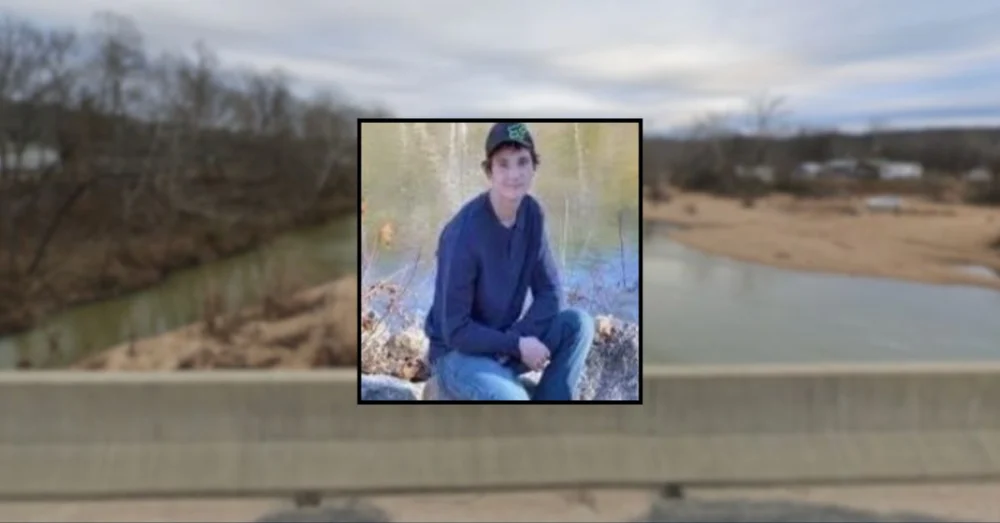
In a significant breakthrough in a long-dormant case, authorities in Missouri have announced the arrests of three men in connection with the 2018 death of Robbie Crites, a case initially believed to be an accidental drowning. Zachary D. Watson, Ronald D. Brawley III, and Austin D. Womack now face charges of second-degree murder, bringing a glimmer of hope for justice to a family that has tirelessly sought answers for nearly eight years. The arrests, detailed in a press release issued by the Shannon County Sheriff’s Office on Thursday, March 6, 2026, mark a pivotal moment in an investigation that was reopened in early 2025, revealing new evidence that fundamentally shifted the understanding of the tragic incident.
The original event unfolded on June 16, 2018, along the picturesque but often treacherous Jacks Fork River, a popular recreational spot near Eminence, Missouri. Eminence, a small resort town nestled deep within the scenic Ozarks, approximately 130 miles east of Springfield, is known for its natural beauty and outdoor activities, including fishing, kayaking, and swimming. It is a community where such incidents, particularly those initially deemed accidental, can deeply affect the local populace. Robbie Crites, then 20 years old, was found deceased, and his death was subsequently attributed to drowning. However, from the outset, Crites’ family harbored profound skepticism regarding the official ruling, convinced that there was more to their loved one’s death than met the initial investigative eye. This persistent doubt would prove to be the enduring catalyst for the eventual re-examination of the case.
The Initial Tragedy and Lingering Doubts
The Jacks Fork River, a 46-mile-long tributary of the Current River, is part of the Ozark National Scenic Riverways, renowned for its pristine waters and rugged wilderness. While generally safe, rivers like the Jacks Fork present inherent risks, and accidental drownings are not uncommon, particularly for those unfamiliar with currents or under adverse conditions. In 2018, the initial assessment pointed towards such an unfortunate accident. However, the details surrounding Crites’ presence on the river that day and the circumstances of his death remained ambiguous for his family. They felt a deep-seated unease, an intuition that something was amiss, despite the official pronouncement. This feeling was not merely emotional; it was rooted in their intimate knowledge of Robbie and the broader context of his life.
In the years following Crites’ death, his mother, in particular, became a vocal advocate for a renewed investigation. Her unwavering commitment to uncovering the truth was palpable. In 2020, speaking to Springfield-based NBC affiliate KYTV, she articulated her resolve: "I will not give up, I will not give up on Robbie. Somehow, some way, I’ll get justice for my son." Such declarations from grieving family members are not uncommon in cold cases, and they often serve as a critical moral force, reminding law enforcement and the public that the passage of time does not diminish the demand for accountability. The Crites family’s persistent advocacy underscored a fundamental aspect of the justice system: the victim’s voice, even posthumously, can drive profound change.
Reopening the Cold Case: A Turning Point
The turning point in the investigation arrived in early 2025. After years of dormancy, the Shannon County Sheriff’s Office, under the leadership of Sheriff Steven Hogan, made the crucial decision to reopen Crites’ case. This initiative was not undertaken lightly. Cold cases, by their nature, present immense challenges, including eroded evidence, faded memories, and the dispersal of potential witnesses. However, the sheriff’s office committed to an "extensive and thorough review of the original investigation, evidence, and circumstances surrounding Robbie’s death." This systematic reinvestigation aimed to scrutinize every detail, re-interview witnesses, and apply contemporary forensic techniques or analytical frameworks that might not have been available or utilized in 2018.
The dedication of the investigators began to yield results. According to the press release, "Through that reinvestigation, new information and evidence came to light that led investigators to believe the child’s death was not accidental." This statement, while referring to Crites as a "child" despite him being 20 years old at the time of his death – a minor discrepancy that might stem from an internal procedural classification or a colloquialism within the press release itself – clearly signaled a significant shift in the official perspective. The meticulous work of revisiting an eight-year-old case demonstrated a commitment to justice that extended beyond initial conclusions. For the Crites family, this marked the beginning of a long-awaited vindication of their enduring suspicions.
The Breakthrough: Witness Testimonies and Alleged Admissions
The key to unraveling the mystery lay in newly acquired witness testimonies, particularly concerning alleged admissions made by one of the suspects, Austin D. Womack. According to a probable cause statement obtained by Springfield-based CBS affiliate KOLR, Womack repeatedly confessed to killing Crites to several different witnesses. This type of evidence, while sometimes complex to corroborate, can be incredibly powerful in cold cases, as it often provides direct insight into the events from a participant’s perspective.
One witness recounted confronting Womack about Crites’ death approximately three weeks after the incident. Womack, allegedly carrying a 12-pack of beer, reportedly confessed, "Yeah, I killed that motherf***er, he owed me money for dope." This alleged admission suggests a motive rooted in illicit drug dealings, a common underlying factor in violent crimes, particularly in rural areas where economic pressures and the availability of certain substances can converge. Following this stark confession, Womack allegedly continued on his way, seemingly unburdened by the gravity of his statement.
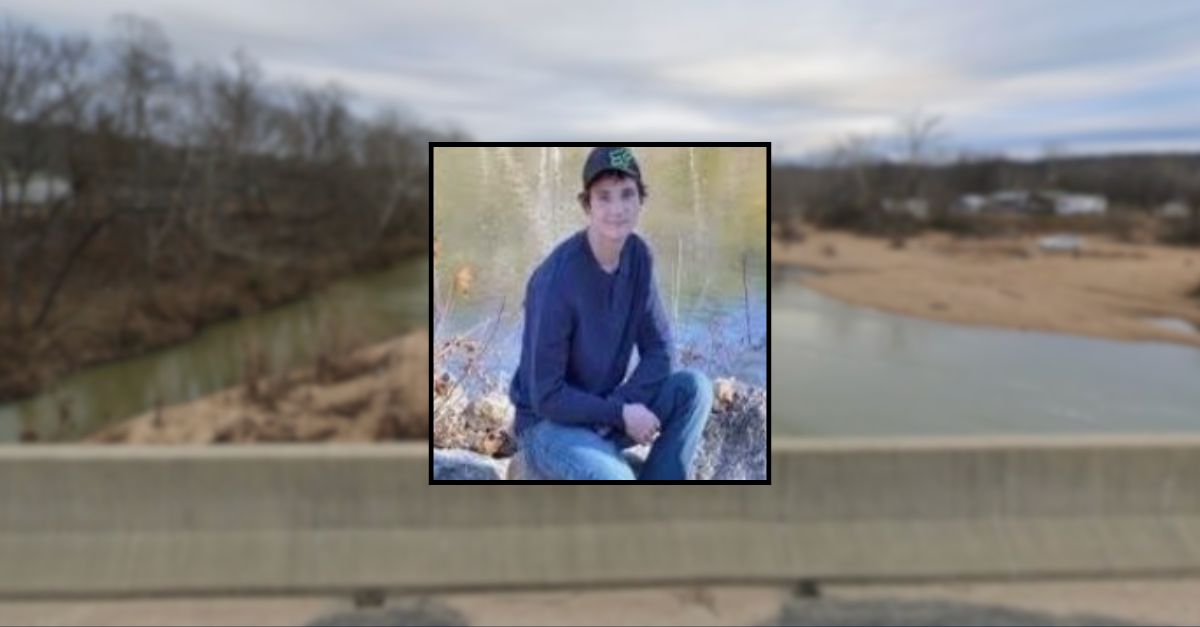
Another witness provided even more granular and disturbing details. At a bonfire gathering in Winona, a small town a few miles south of Eminence, Womack allegedly offered multiple, varying reasons for the attack but consistently described the violence in horrific detail. He reportedly admitted to confronting Crites, then striking him with Crites’ own fishing pole. The assault escalated with punches and kicks before Womack allegedly used a fishing hook to stab Crites and then "ripped it across his torso." The attack culminated with Womack reportedly kicking Crites into the water, ensuring his demise. Other witnesses present at the bonfire corroborated these alleged admissions, further strengthening the prosecution’s case. Crucially, these witnesses also informed law enforcement that others had been wrongly suspected of the crime, helping to redirect the investigation toward the actual perpetrators.
The probable cause statement also places Zachary D. Watson near the river on the day of the incident, according to multiple witnesses. These witnesses allegedly saw Watson with another man, suggesting he was involved in the events leading up to or during the assault. Investigators now allege that Watson acted "in concert with another person or persons" to attack Crites, wrap him in fishing line—a detail that starkly contrasts with an accidental drowning—and then dispose of him in the river. The concept of acting "in concert" is crucial for second-degree murder charges, implying a shared intent or participation in the felony that resulted in death, even if one person didn’t directly commit every act of violence.
Legal Ramifications and Community Impact
The three arrested men—Zachary D. Watson, Ronald D. Brawley III, and Austin D. Womack—are each charged with murder in the second degree. In Missouri, second-degree murder is defined as knowingly causing the death of another person or, with the purpose of causing serious physical injury to another person, causing the death of another person. It carries significant penalties, including imprisonment. All three defendants are currently being held in the Shannon County jail on a substantial $250,000 cash-only bond, reflecting the severity of the charges and the flight risk assessment by the court.
Sheriff Steven Hogan’s statement encapsulated the significance of the arrests: "A child’s life was taken, and for seven and a half years the truth sat buried. That ends today. Our investigators refused to let this case remain closed when the facts did not add up. This office is committed to seeking justice, no matter how much time has passed." This statement not only acknowledges the tireless work of his department but also underscores the broader impact of such a resolution on a community. For years, the shadow of an unresolved death, particularly one initially miscategorized, can foster distrust and lingering unease. The reopening and subsequent arrests offer a measure of closure and reinforce public confidence in law enforcement’s dedication.
The community of Eminence, and the wider Ozarks region, often grapples with the unique challenges of rural crime. While violent crime rates might be lower than in urban centers, the impact of such incidents can be more profound due to the close-knit nature of these communities. Cold cases in rural settings also present specific investigative hurdles, including limited resources compared to larger metropolitan police departments, the geographical isolation of crime scenes, and complex local dynamics that can sometimes hinder witness cooperation. The successful reopening and progress in Crites’ case serve as a powerful testament to the persistence required to overcome these obstacles.
Broader Implications for Cold Case Investigations
This case highlights several critical aspects of cold case investigations. Firstly, the unwavering determination of a victim’s family is often a primary driver for renewed attention to unsolved crimes. Their refusal to let the case fade from public and official memory provides sustained pressure for justice. Secondly, the willingness of law enforcement agencies to revisit seemingly closed cases, even years later, is crucial. Technological advancements, fresh perspectives, and the passage of time—which can sometimes loosen tongues or shift allegiances among witnesses—can all contribute to breakthroughs. The "beginning of 2025" decision to reopen the investigation exemplifies a commitment to justice that transcends administrative convenience.
Furthermore, the nature of the alleged new evidence—witness testimony regarding direct confessions—underscores the enduring importance of human intelligence in criminal investigations, even in an era of advanced forensics. While DNA and other scientific evidence are invaluable, a credible witness statement detailing a perpetrator’s admission can be a cornerstone of a successful prosecution, particularly in cases where physical evidence might be scarce or degraded over time. The alleged drug-related motive also points to the persistent challenge of crimes intertwined with illicit activities, which often generate complex webs of secrecy and fear.
The Shannon County Sheriff’s Office has made an appeal to the public, urging anyone with additional information "regarding the death of Robbie Crites" to come forward, "no matter how small you believe it may be." This ongoing call for information is standard practice in complex investigations, as even minor details can sometimes prove to be the missing link. As the legal process unfolds, including preliminary hearings, grand jury proceedings, and potentially a trial, more details about the exact sequence of events on June 16, 2018, and the roles of each accused individual are likely to emerge.
For the Crites family, this development represents a profound step toward justice, transforming a long-held suspicion into tangible legal action. While the pain of their loss remains, the arrests signify that Robbie Crites’ life was not forgotten and that the truth, however long buried, can eventually surface. The case serves as a powerful reminder that the pursuit of justice is a marathon, not a sprint, and that sometimes, the most significant breakthroughs come years after the initial tragedy.

 Yuyun Lusiyani
 Joko Widodo
 Jia Lissa
 Pevita Pearce
 admin
admin
