
 Lina Irawan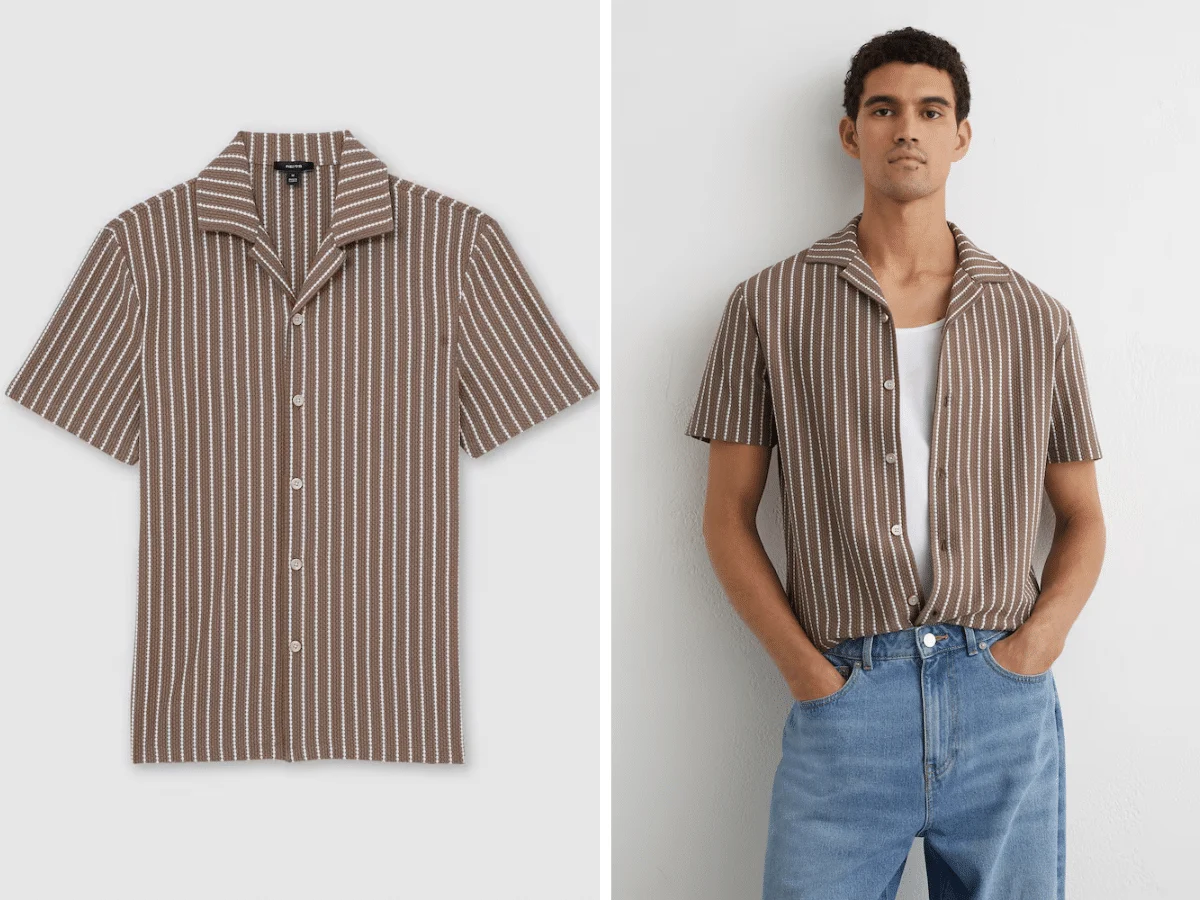
The camp collar shirt, an enduring fixture in the pantheon of men’s summer attire, has solidified its status as a critical component of the modern capsule wardrobe, transcending its origins as functional workwear to become a versatile staple of contemporary high fashion. Characterized by its distinctive flat, notch-like collar and button-less top, the garment offers a synthesis of casual comfort and aesthetic refinement. As the 2026 spring and summer seasons arrive, the market for these shirts—also known as Cuban, cabana, or vacation shirts—has expanded to include a diverse array of textiles, from traditional linens to innovative high-gauge cottons and luxury silks. The current fashion landscape prioritizes garments that offer breathability and fluidity, qualities that the camp collar shirt provides in abundance, making it suitable for a spectrum of occasions ranging from informal social gatherings to elevated evening events.
Historical Evolution of the Camp Collar Silhouette
The lineage of the camp collar shirt can be traced back to 19th-century South America and the Caribbean. Originally worn by agricultural workers, the garment was known as the guayabera. These early iterations were designed specifically to combat intense heat and high humidity, featuring lightweight fabrics and an open-collar construction that maximized airflow. The functional necessity of the design eventually gave way to cultural adoption across the region.
By the 1930s and 1940s, the style migrated to North America, facilitated largely by Cuban immigrants. It was during this period that the garment began its transition from utilitarian workwear to a symbol of leisure and resort-style living. The 1950s marked the "Golden Age" of the camp collar shirt, as it was adopted by prominent cultural icons. Figures such as Elvis Presley and Sean Connery’s portrayal of James Bond popularized the look, cementing it as a hallmark of mid-century masculinity. Following a period of decline in the late 20th century, the silhouette has experienced a significant resurgence over the past decade, driven by a broader industry shift toward "relaxed tailoring" and a renewed interest in vintage aesthetics.

Market Analysis and Fabric Innovation in 2026
The 2026 menswear market has seen a notable emphasis on material integrity and fabric development. Industry leaders are increasingly focusing on the tactile experience of the wearer, utilizing mills in heritage-rich regions like Northern Portugal and Japan. The current season has also identified yellow as a dominant color trend, reflecting a broader consumer appetite for vibrant, optimistic palettes in the post-pandemic fashion era.
1. Heritage Craftsmanship: Portuguese Flannel
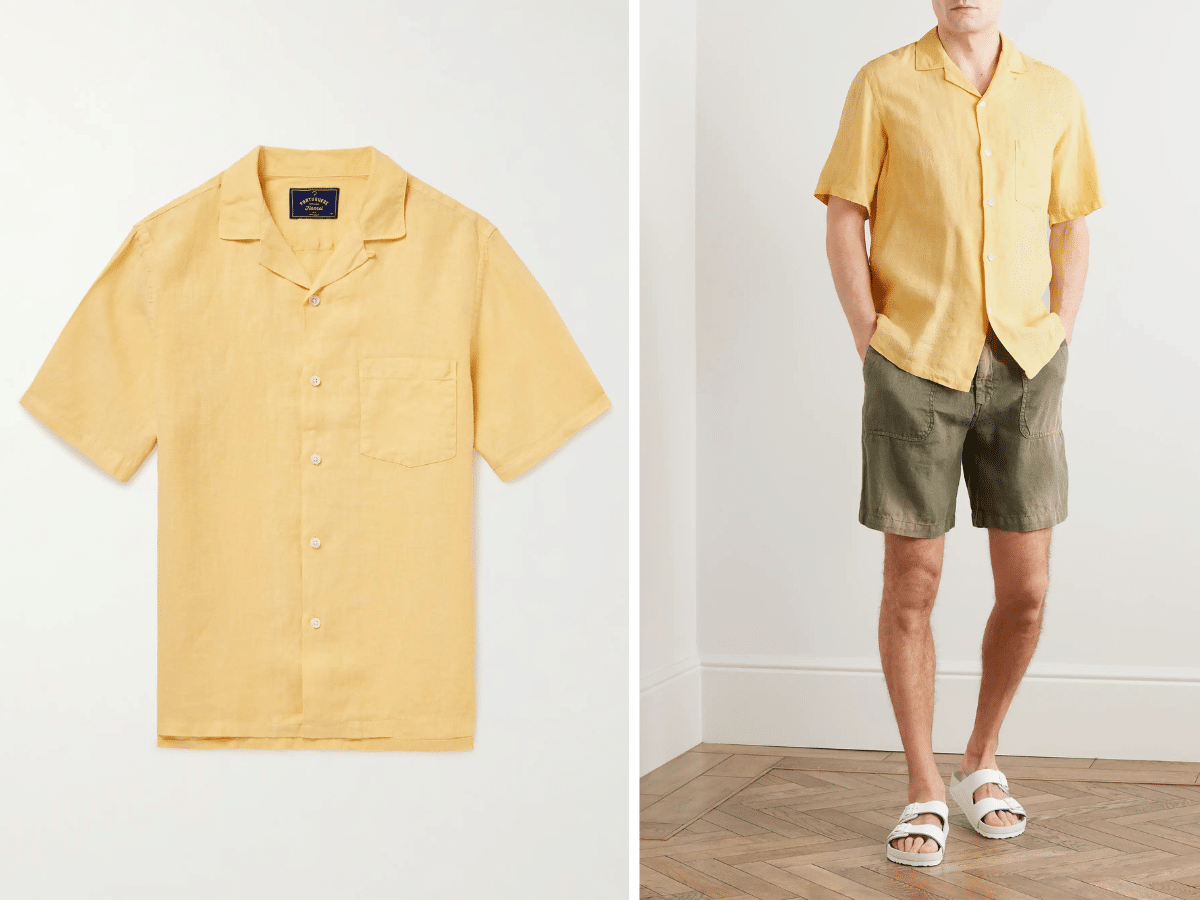
A primary example of heritage-driven manufacturing is found in Portuguese Flannel. Produced in the textile hubs of Northern Portugal by family-owned mills, these shirts utilize pure linen. Linen remains a preferred textile for the camp collar silhouette due to its moisture-wicking properties and characteristic "rumpled" texture, which denotes a relaxed, vacation-ready aesthetic. The longevity of these pieces is attributed to traditional weaving techniques that ensure the fabric softens over time without losing structural integrity.
2. Structured Sophistication: Reiss and Calibre
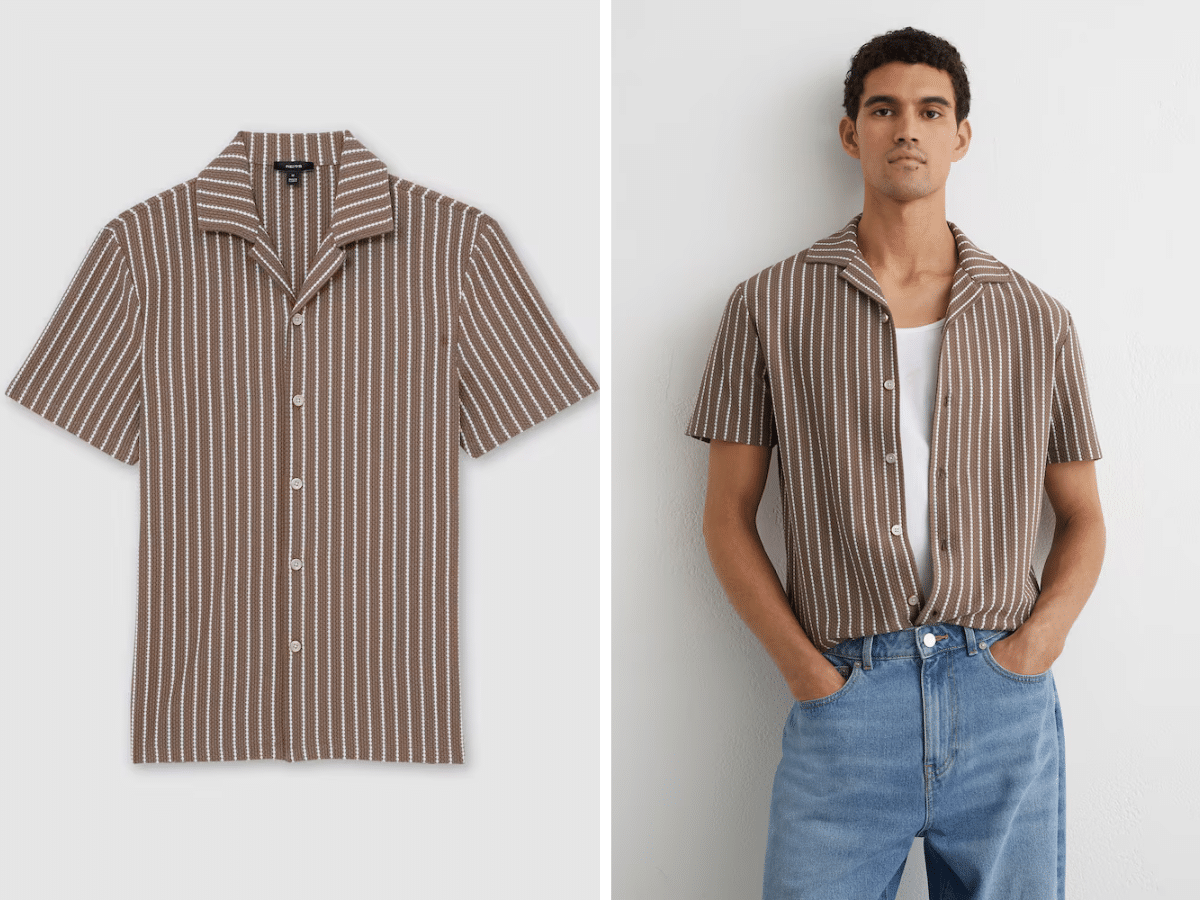
While the camp collar is inherently casual, brands like Reiss and Calibre have successfully adapted the silhouette for formal environments. The Reiss Percy model utilizes a soft cotton blend with a raised two-tone stripe, providing a degree of visual structure that standard linens may lack. Similarly, the Melbourne-based tailoring house Calibre has introduced silk crepe de chine iterations. Silk crepe de chine is noted for its subtle sheen and exceptional drape, positioning the camp collar shirt as a viable alternative to the traditional dress shirt for evening wear.
3. Textile Research: Auralee and Japanese Innovation
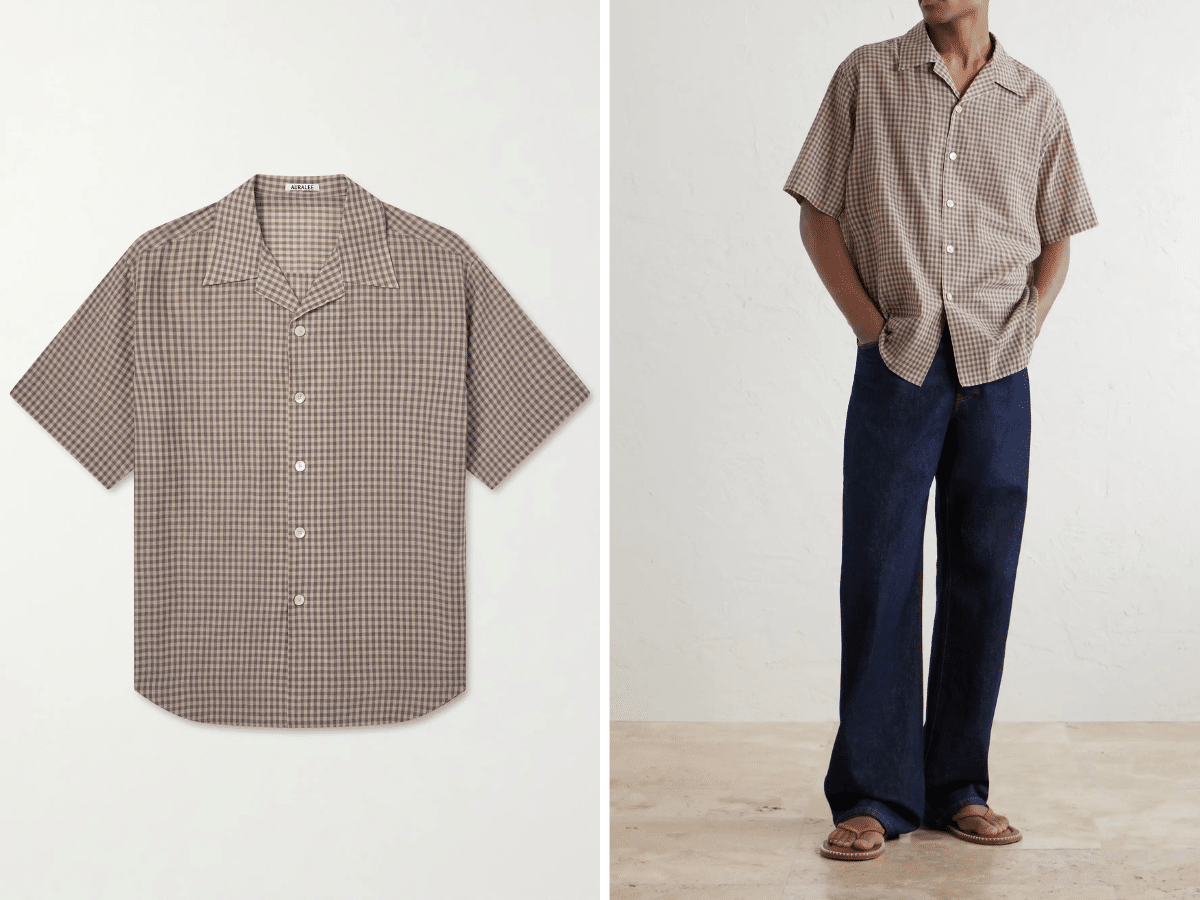
The Japanese label Auralee has gained international recognition for its obsessive approach to fabric development. In 2026, the brand’s use of custom-woven, high-gauge cotton yarn has set a new benchmark for the industry. This process produces a fabric that is simultaneously crisp and weightless, allowing for a boxy, architectural drape that maintains its shape even in humid conditions. This focus on technical excellence reflects a growing segment of the market that values "quiet luxury" and understated engineering.
The Rise of Australian Resort-Wear
Australia has emerged as a significant influence in the global camp collar market, with brands like Venroy, Bassike, and Assembly Label leading the charge. The Australian climate necessitates garments that can transition seamlessly from coastal environments to urban settings.
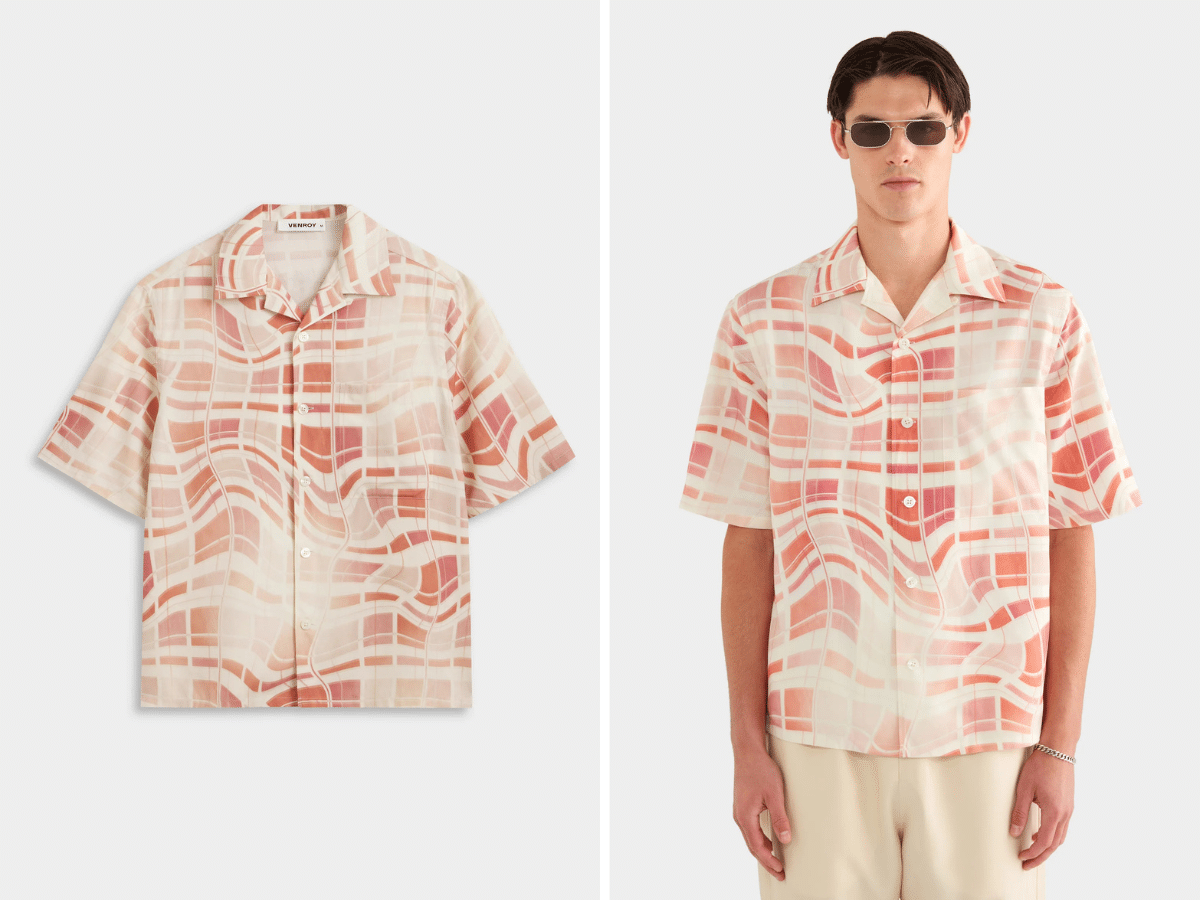
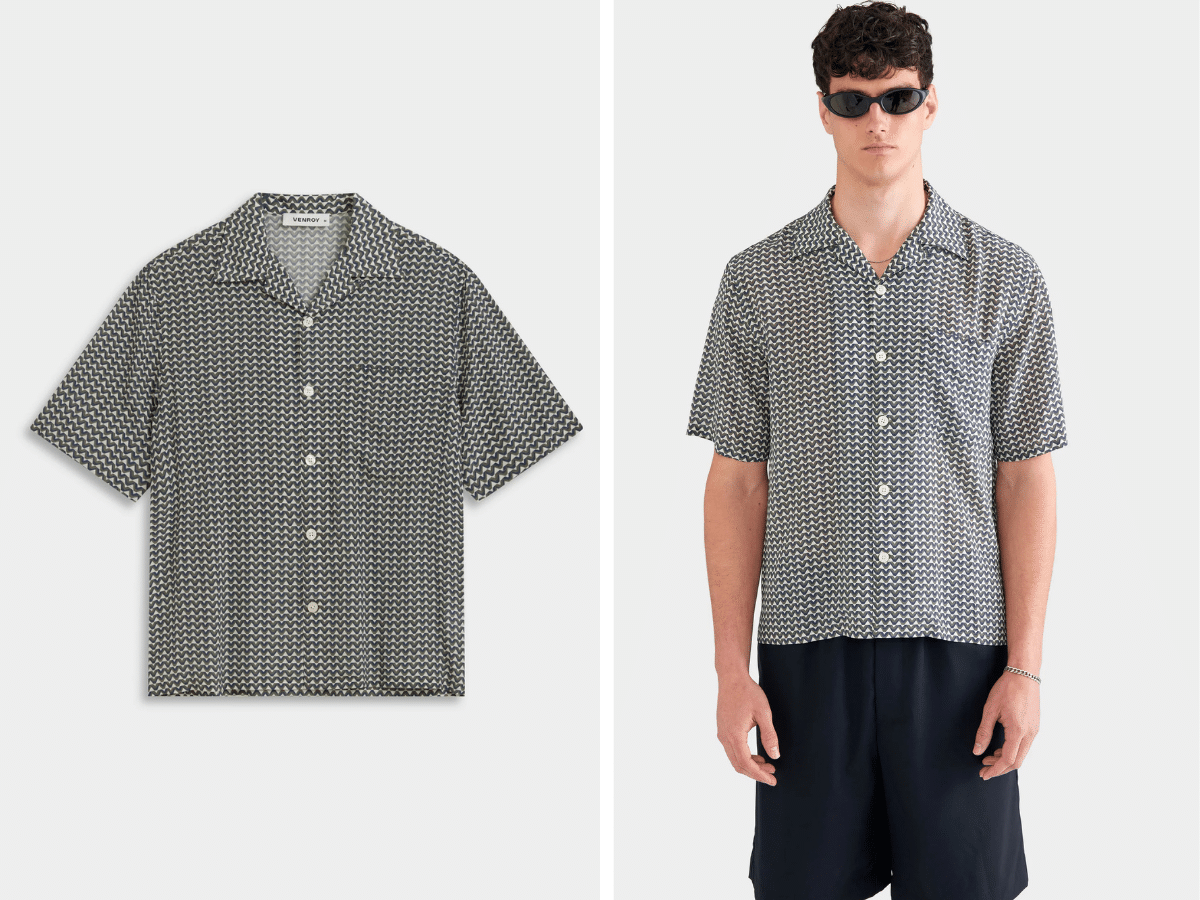
Venroy, in particular, has specialized in silk and linen blends that cater to the "luxury traveler" demographic. Their 2026 collection features custom warped check patterns and monogrammed silk, drawing inspiration from the 1950s Riviera. Meanwhile, Bassike has focused on the intersection of comfort and color, utilizing lightweight cotton with dropped shoulder seams to enhance the "loosy-goosy" feel that defines the modern vacation shirt. Assembly Label continues to dominate the "everyday essential" category, providing monochrome checks on cotton-linen bases that emphasize versatility and accessibility.
Technical Specifications and Fit Dynamics
The contemporary camp collar shirt is defined by specific geometric and structural requirements. Unlike the standard Oxford or dress shirt, the camp collar lacks a collar band. This allows the collar to lay flat against the chest, creating a natural V-shape that elongates the neck and promotes cooling.
Fit Guidelines
In terms of fit, the 2026 standard leans heavily toward a relaxed, boxy silhouette. Technical considerations include:
- Shoulder Alignment: The shoulder seams are often slightly dropped to facilitate a greater range of motion and a less formal appearance.
- Hemline: These shirts typically feature a straight hem, intended to be worn untucked. This design choice is rooted in the garment’s history as a cooling layer that should not be constricted at the waist.
- Body Volume: A slight increase in body volume is intentional, allowing air to circulate between the fabric and the skin.
Styling and Social Integration
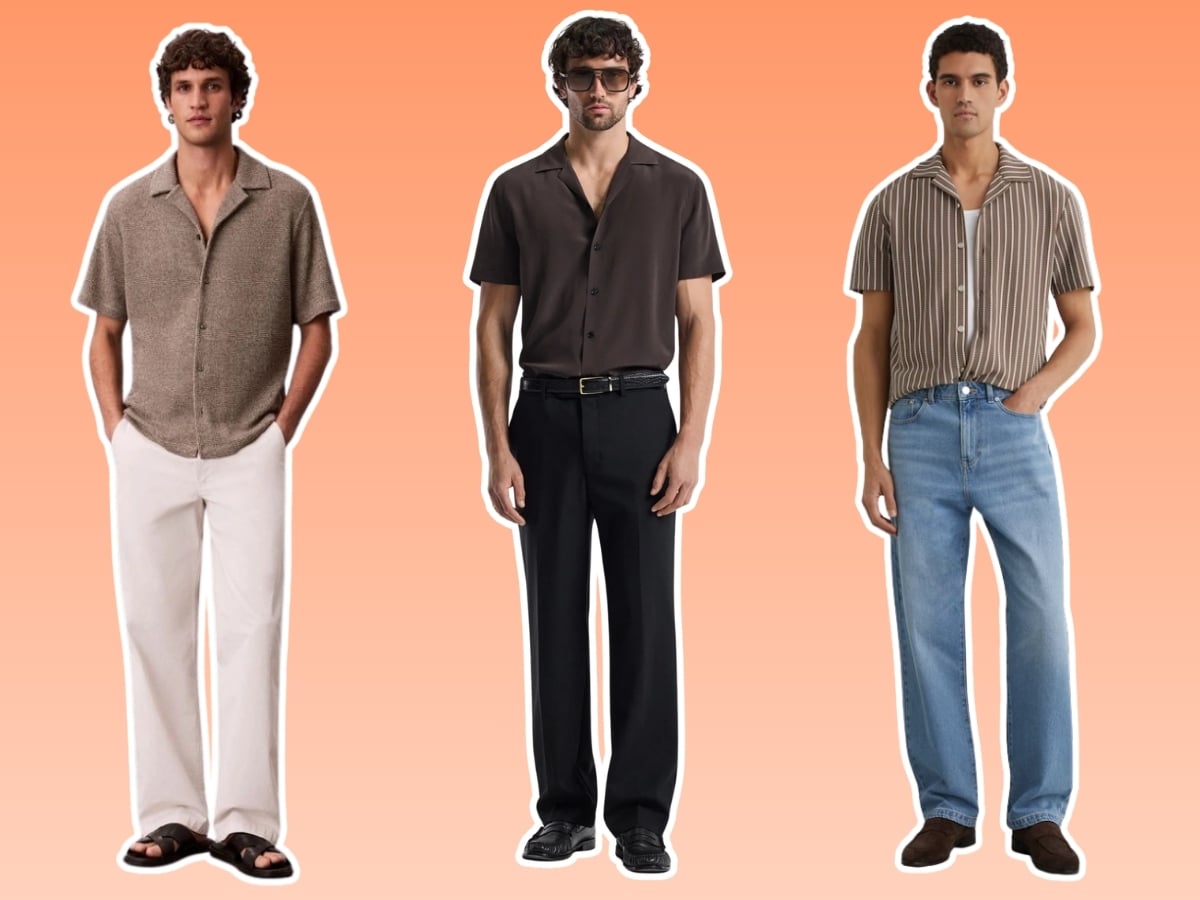
The versatility of the camp collar shirt allows it to function as a "bridge garment" within a man’s wardrobe. In casual settings, it is frequently paired with Bermuda shorts or high-waisted linen trousers. For more formal summer events, it can be layered under a lightweight unstructured blazer, provided the collar is worn over the lapel—a styling choice that references 1970s sartorial trends.
Furthermore, the "underlayer" trend has seen a resurgence. Fashion analysts note that many consumers are opting to wear the camp collar shirt open over a white ribbed tank top or a lightweight crew-neck tee. This layering technique adds visual depth to an outfit while maintaining the functional benefits of the shirt’s breathable fabric.
Sustainability and Economic Impact
As of September 2026, the menswear industry has faced increasing pressure to adopt sustainable manufacturing practices. The camp collar shirt, often made from natural fibers like linen and silk, aligns well with these demands. Linen, derived from the flax plant, requires significantly less water and fewer pesticides than conventional cotton, making it a "low-impact" textile.
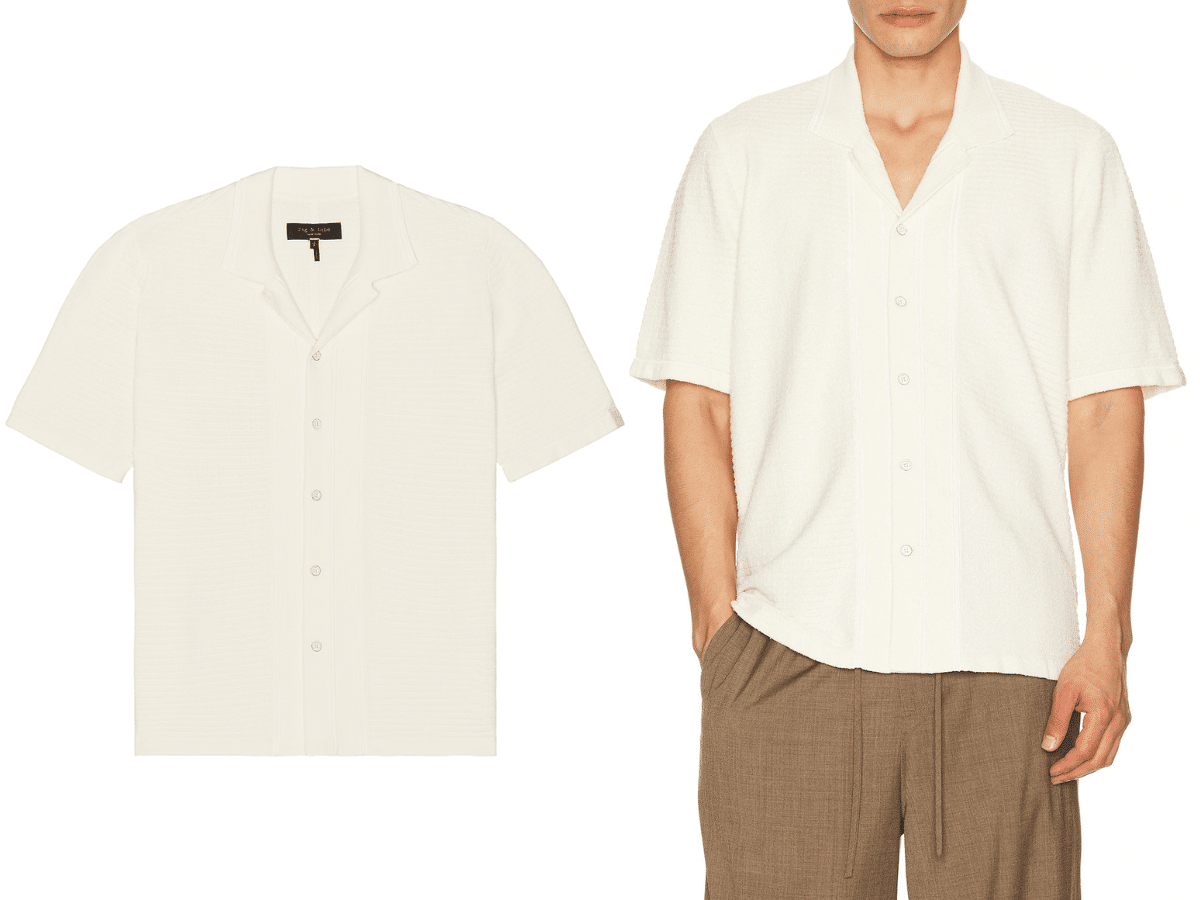
The economic impact of the "vacation-wear" sector remains robust. Market data suggests that the camp collar shirt is a leading driver of seasonal sales, with consumers increasingly willing to invest in premium fabrics that offer multi-year durability. Brands that emphasize "slow fashion" and heritage manufacturing—such as Rag & Bone and Portuguese Flannel—have seen sustained growth as consumers move away from disposable, fast-fashion alternatives.
Conclusion and Future Outlook
The camp collar shirt’s journey from the fields of the Caribbean to the runways of Paris and the streets of Sydney is a testament to its fundamental design excellence. It remains one of the few garments that successfully balances historical weight with modern utility. As textile technology continues to evolve, the industry can expect further innovations in "smart" fabrics that enhance the cooling properties of the shirt even further.
For the modern man, the camp collar shirt is more than a seasonal trend; it is a functional tool for navigating the complexities of warm-weather dressing. Whether through the lens of Japanese minimalism, Australian resort-wear, or European heritage, the garment continues to redefine the boundaries of casual elegance in the 21st century. Its ability to adapt to various body types, social settings, and price points ensures that the camp collar shirt will remain a cornerstone of menswear for the foreseeable future.




 Yuyun Lusiyani
 Joko Widodo
 Jia Lissa
 Pevita Pearce
 admin
admin
