
 Lina Irawan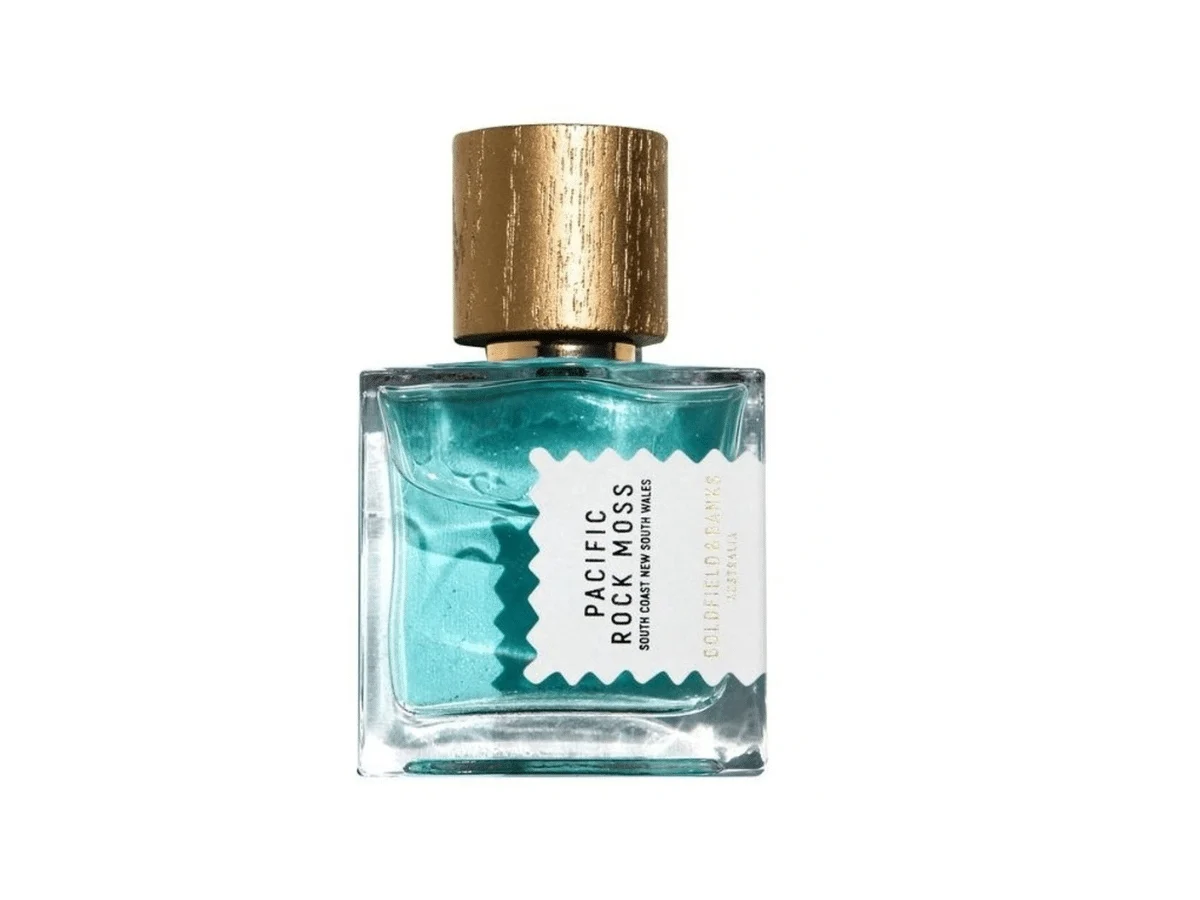
The transition from the colder months to the spring and summer seasons necessitates a fundamental shift in personal grooming habits, particularly regarding fragrance selection. As ambient temperatures rise, the heavy, resinous notes of winter—typically characterized by leather, oud, tobacco, and dense vanilla—can become cloying and overbearing due to increased rate of evaporation and skin heat. To maintain a professional and pleasant presence, the modern consumer must pivot toward lighter, more volatile compositions such as citrus, aquatics, and dry aromatics. This shift is not merely a matter of taste but is rooted in the chemical behavior of perfume oils under varying environmental conditions.
The Global Fragrance Market and the Rise of Seasonal Specialization
The global men’s fragrance market, valued at approximately USD 15.8 billion in 2023, is projected to expand at a compound annual growth rate (CAGR) of 4.5% through 2030. Industry analysts attribute this growth to the "premiumization" of the sector, where consumers are increasingly moving away from mass-market products in favor of niche and artisanal houses. A significant driver of this trend is the concept of the "fragrance wardrobe," wherein individuals select specific scents to match the climate, occasion, and time of day, rather than relying on a single signature scent.
In high-heat environments, the volatility of essential oils increases. Top notes, such as bergamot and lemon, which might last several hours in autumn, can dissipate within thirty minutes in mid-summer humidity. Consequently, the challenge for perfumers is to create "fresh" scents that possess the structural integrity to endure throughout a standard workday.

A Chronological and Analytical Review of the Top 10 Warm-Weather Fragrances
The following selection represents a cross-section of the industry, ranging from century-old Italian houses to modern Brooklyn-based indie labels. Each has been evaluated based on its molecular composition, longevity, and suitability for the spring and summer climate.
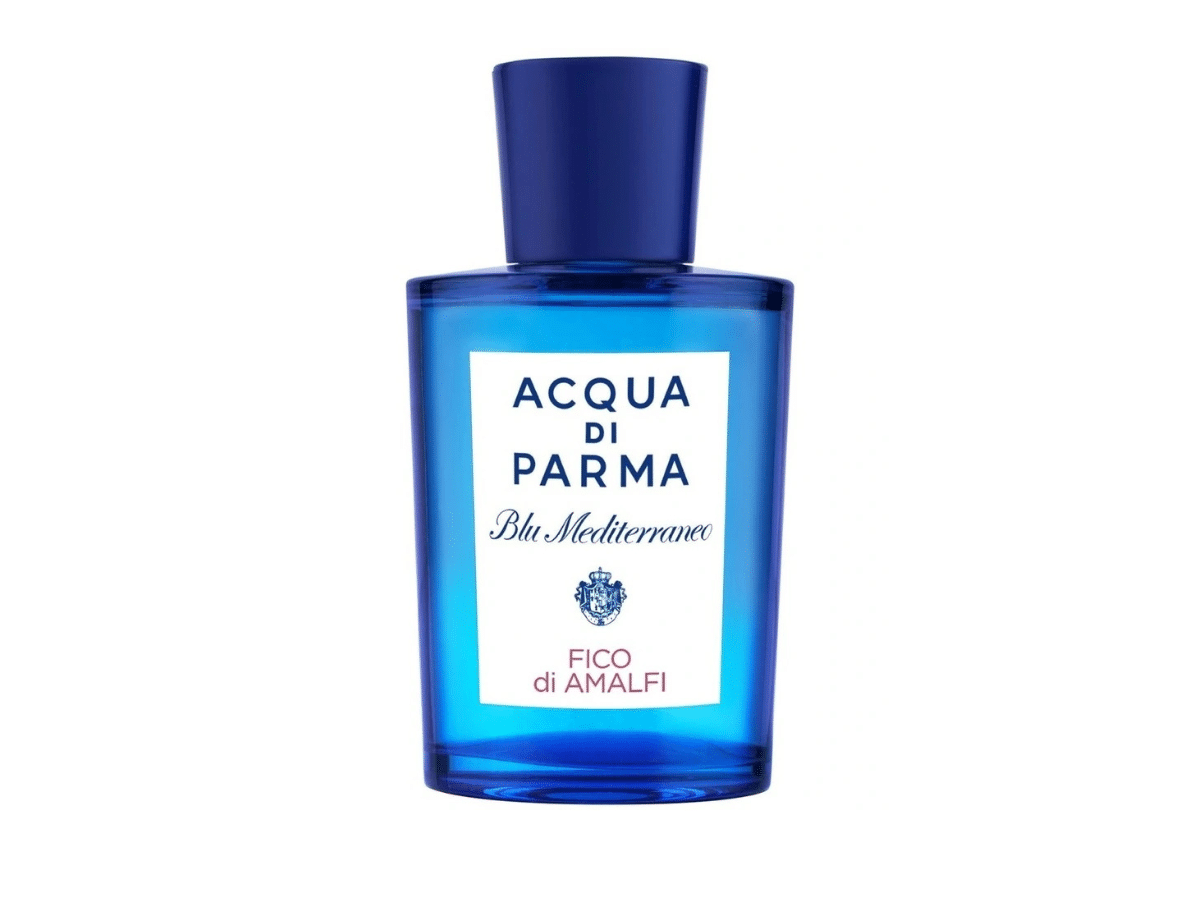
1. Acqua di Parma: Blu Mediterraneo Fico di Amalfi
Originating in 1916, Acqua di Parma was established as a lighter alternative to the pungent, heavy perfumes dominant in the early 20th century. The Fico di Amalfi, a standout in the Blu Mediterraneo collection, serves as a sensory map of the Amalfi Coast. It utilizes a sophisticated opening of Italian lemon and grapefruit, which is bolstered by the inclusion of pink pepper and fig nectar. Unlike many citrus-heavy scents that lack a heart, the cedarwood base provides a necessary anchor, allowing the fragrance to maintain its character during long outdoor events or evening engagements.
2. Tom Ford: Costa Azzurra
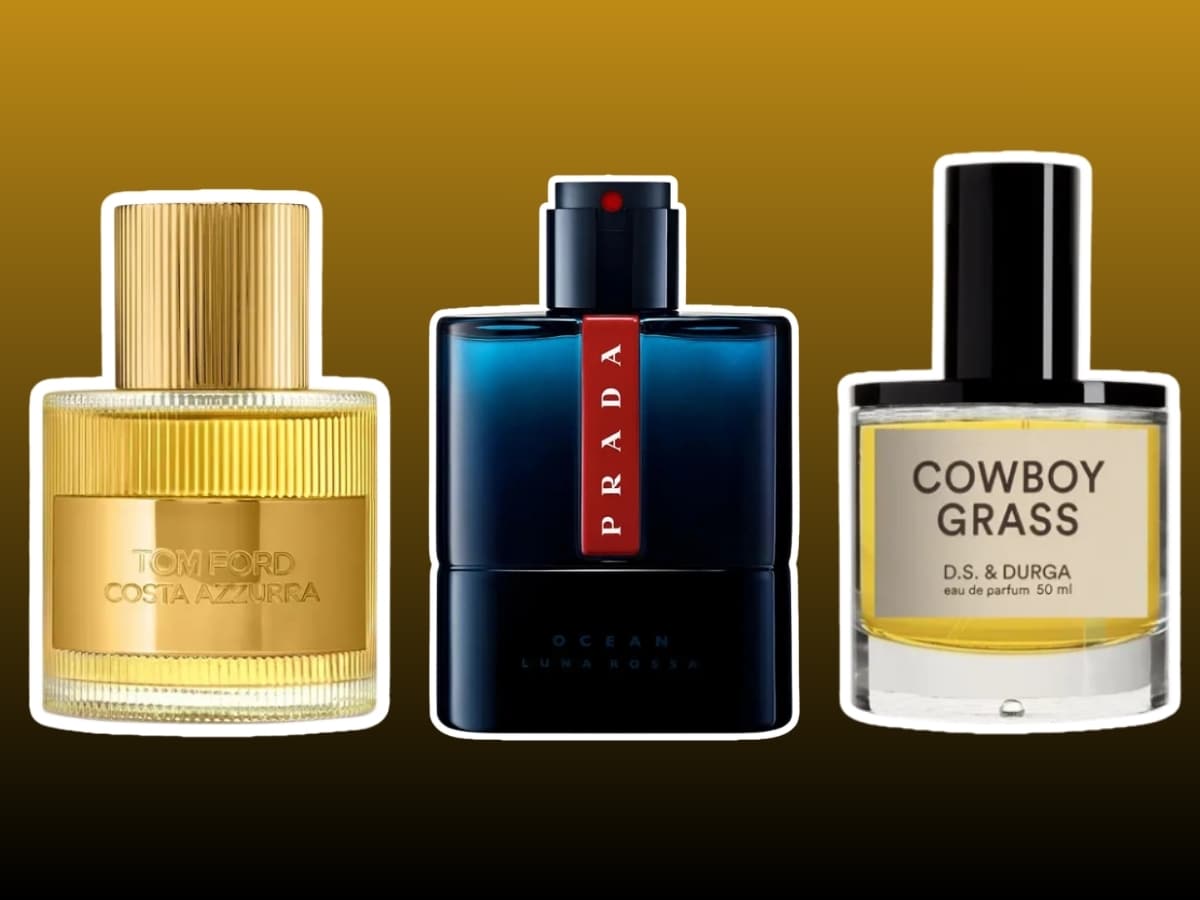
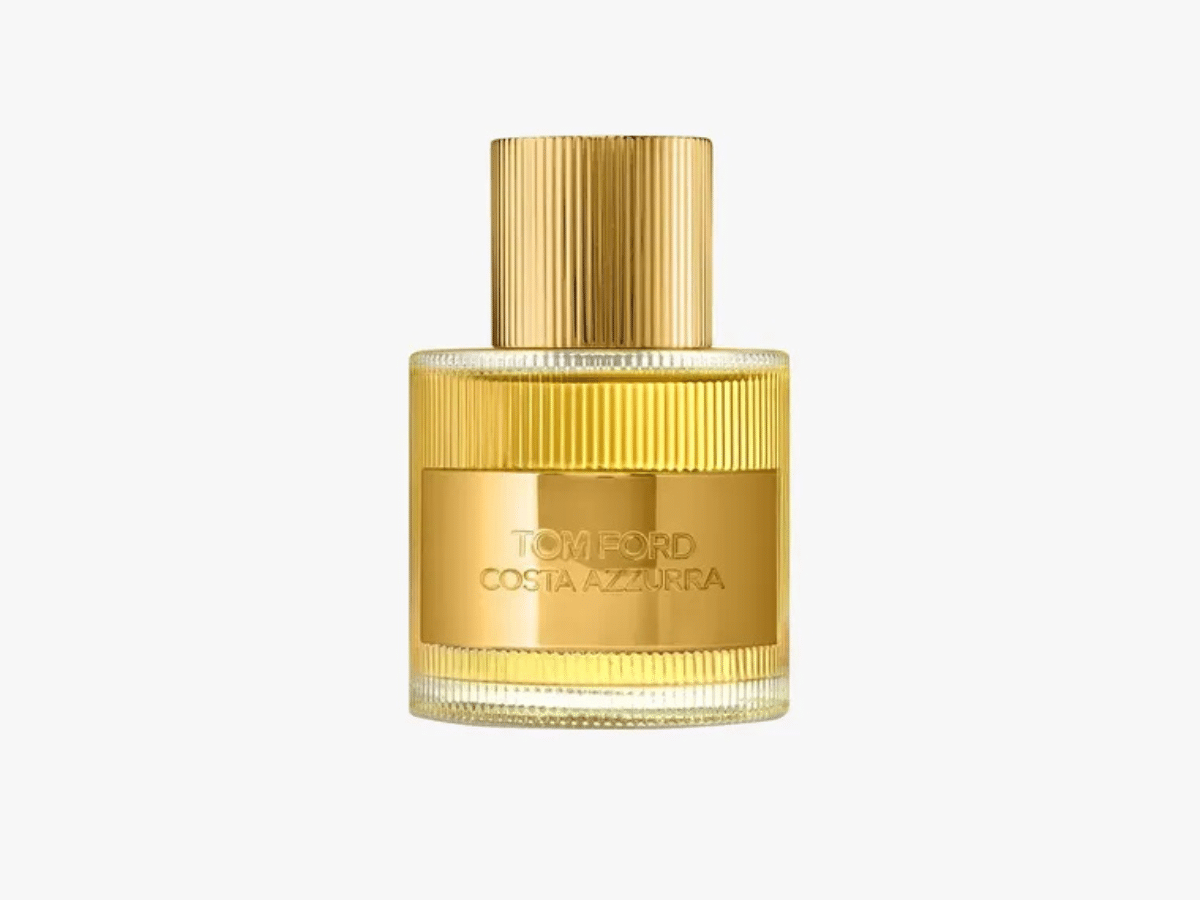
Originally part of the exclusive Private Blend line, Costa Azzurra was transitioned to the Signature Collection, packaged in a distinctive ribbed gold bottle. This fragrance deviates from the traditional "blue" aquatic category by incorporating Mediterranean forest elements. It features a complex blend of salty driftwood, cypress, and oak, creating a profile that is both rugged and refined. The presence of labdanum amber ensures that the scent projects a sense of authority, making it particularly suitable for formal summer evening events.
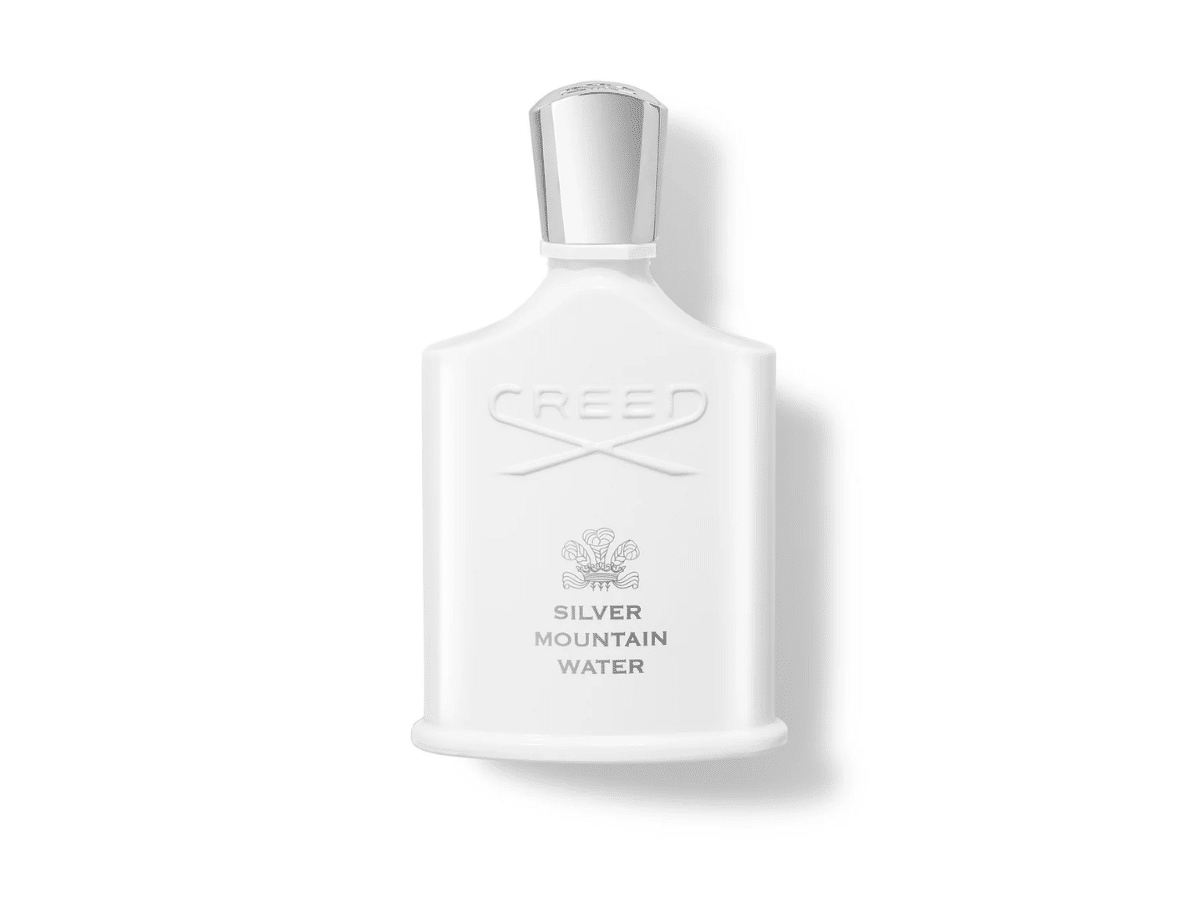
3. Creed: Silver Mountain Water
Creed, a house with a heritage dating back to 1760, introduced Silver Mountain Water in 1995. Designed by sixth-generation master perfumer Olivier Creed, the scent was inspired by the crisp air of the Swiss Alps. It is noted for its "metallic" freshness, achieved through a combination of bergamot, mandarin, and green tea. The inclusion of blackcurrant adds a tart dimension, while the base of musk and sandalwood provides a clean, professional finish. It remains a benchmark for high-performance summer perfumery.
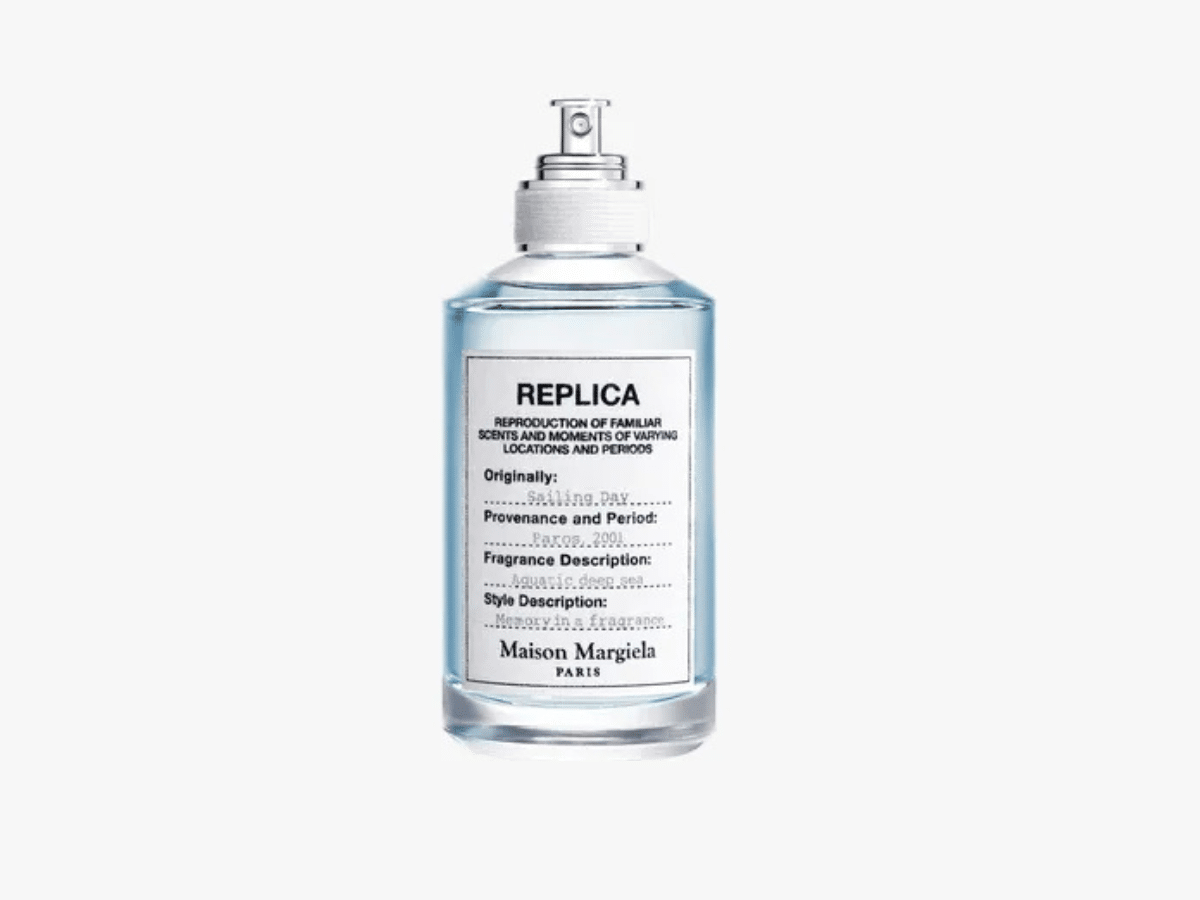
4. Maison Margiela: REPLICA ‘Sailing Day’
Maison Margiela’s REPLICA series is built on the concept of olfactory memory. Sailing Day specifically targets the year 2001 in Paros, Greece. It utilizes a unique aquatic accord combined with red seaweed and coriander. This composition is designed to mimic the ozonic quality of ocean mist. Its light profile makes it an ideal choice for peak-summer days when heavier fragrances would be inappropriate for office or close-quarter environments.
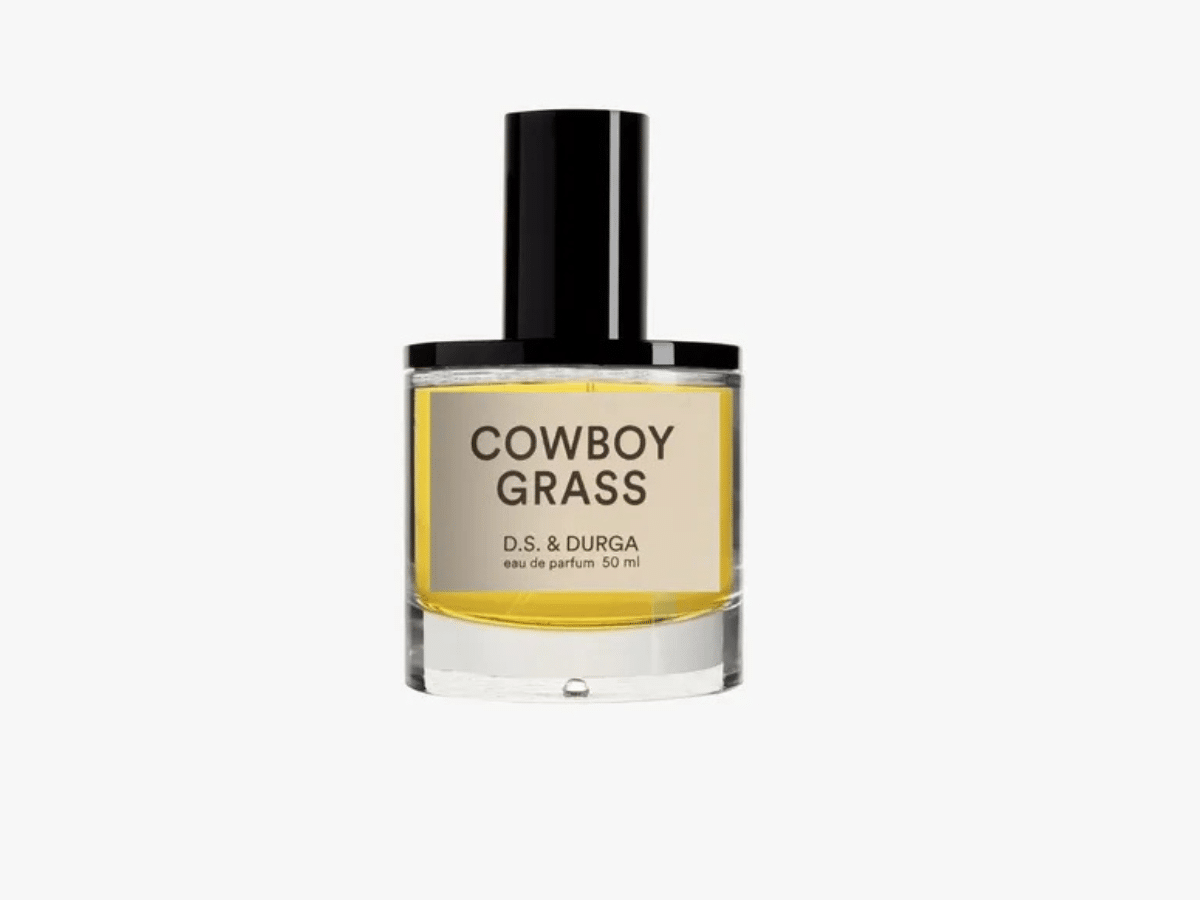
5. D.S. & Durga: Cowboy Grass
Representing the American indie niche movement, Brooklyn-based D.S. & Durga focuses on narrative-driven scents. Cowboy Grass, released in 2008, rejects the standard citrus-floral tropes of summer. Instead, it utilizes wild thyme, sagebrush, and rosewood to evoke the arid landscape of the American West. The dry down is dominated by Haitian vetiver, providing a smoky, herbal longevity that performs exceptionally well in dry heat.
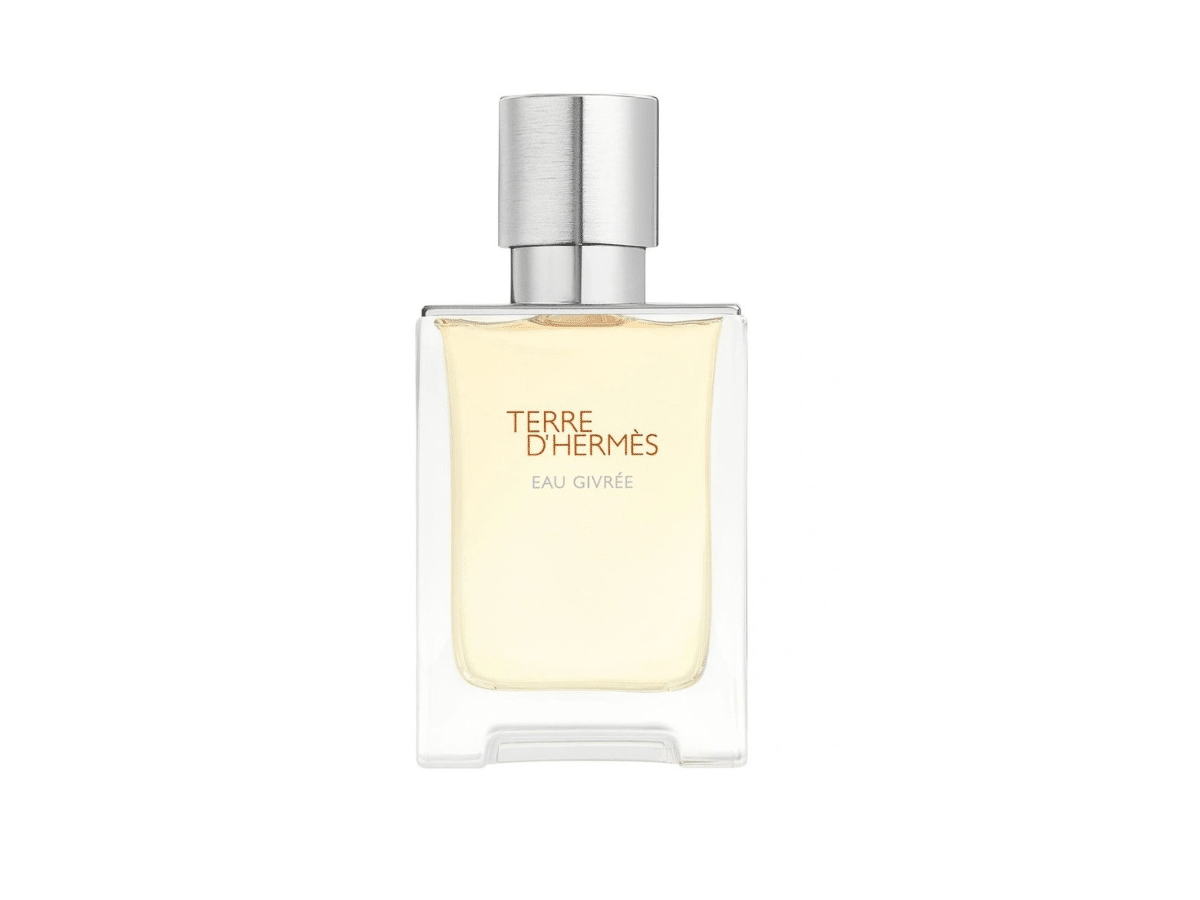
6. Terre d’Hermès: Eau Givrée
Hermès, under the direction of in-house perfumer Christine Nagel, released Eau Givrée as a "frosted" evolution of the iconic 2006 original. The fragrance centers on the interaction between citron and juniper berries, creating a sharp, cooling effect. The "mineral" flint notes, a signature of the Terre d’Hermès line, remain present but are adjusted to cut through humidity, offering a sophisticated option for corporate settings during heatwaves.
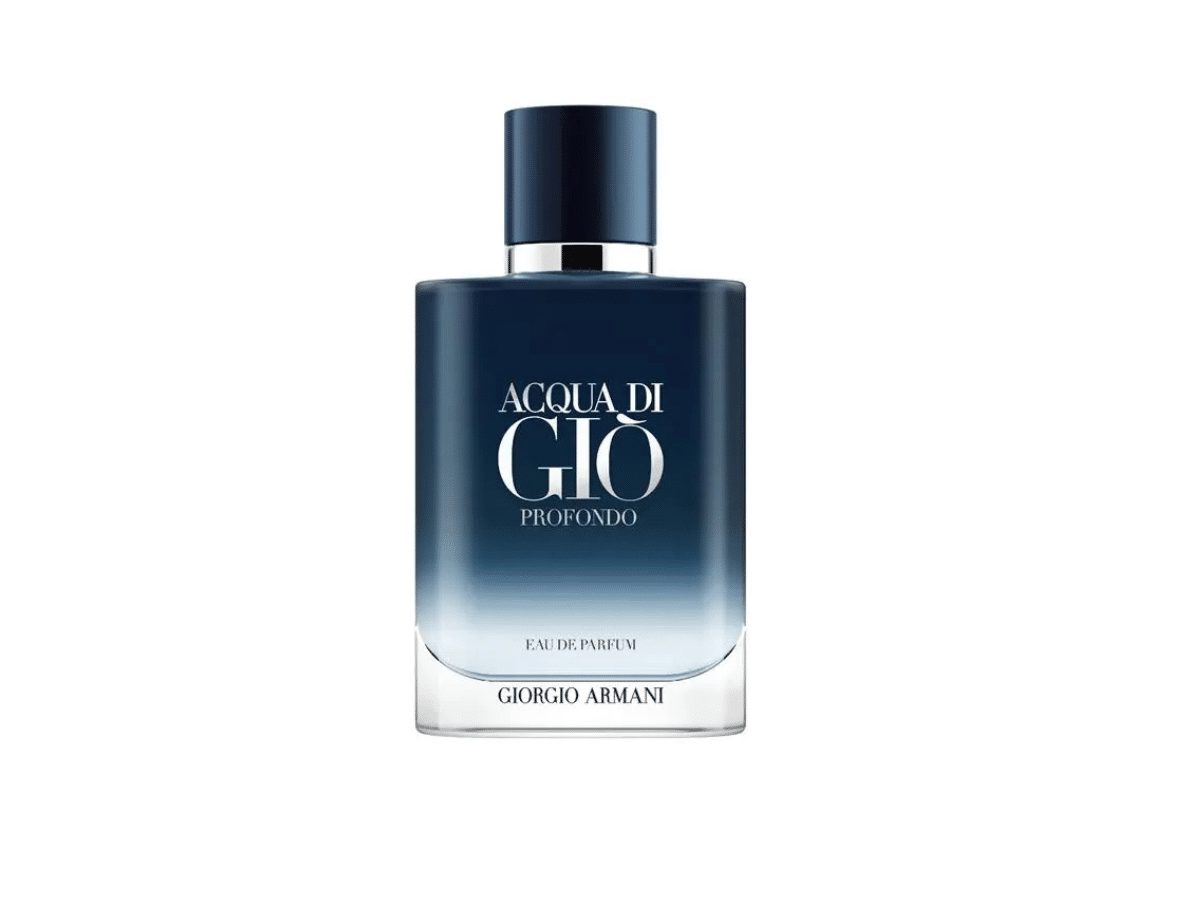
7. Giorgio Armani: Acqua Di Giò Profondo
The original Acqua Di Giò, launched in 1996, remains one of the best-selling men’s fragrances of all time. The Profondo iteration, crafted by Alberto Morillas, modernizes this DNA by shifting the focus toward a deeper, more intense marine profile. By integrating green mandarin with rosemary and cypress, and grounding the scent with patchouli and mineral amber, the fragrance achieves a level of longevity that was often lacking in 1990s-era aquatics.
8. Goldfield & Banks: Pacific Rock Moss
Goldfield & Banks is notable for being the first luxury perfume house to focus exclusively on Australian native botanicals. Pacific Rock Moss utilizes coastal moss harvested from New South Wales, paired with Italian lemon and sage. This scent is significant for its "breezy" saltiness, which offers a distinct alternative to the traditional European citrus profiles. It has become a global ambassador for the "Australian scent" aesthetic—clean, relaxed, and high-quality.
9. Chanel: Bleu de Chanel (Eau de Parfum)
Since its 2010 debut, Bleu de Chanel has defined the "blue fragrance" genre—a category of versatile, crowd-pleasing scents that work in nearly any environment. The Eau de Parfum (EDP) concentration, developed by Jacques Polge, adds a layer of creamy sandalwood and amber to the initial burst of grapefruit and mint. This balance allows it to transition seamlessly from a professional daytime setting to a social evening context.
10. Prada: Luna Rossa Ocean
Prada’s approach to perfumery often mirrors its fashion philosophy: technical, sleek, and minimalist. Luna Rossa Ocean was developed by master perfumers Anne Flipo and Carlos Benaïm. It utilizes a "second-skin" effect, blending bergamot and lavender with a powdery iris root and vetiver. The result is a scent that smells remarkably clean, as if the wearer has just emerged from a shower, regardless of the external temperature.
The Science of Scent: Volatility and Skin Chemistry
To understand why certain fragrances fail in summer, one must look at the molecular weight of the ingredients. Nathan Jancauskas, a leading industry expert and founder of Noah, notes that natural citrus oils are highly volatile. "These molecules are small and light; they are designed by nature to evaporate quickly," Jancauskas states. "To achieve longevity in summer, perfumers must use ‘fixatives’—larger molecules like ambroxan, musks, or vetiver—that slow down the evaporation of the lighter notes."
Furthermore, skin chemistry plays a pivotal role. As the body perspires, the pH level of the skin shifts, which can alter the scent profile of a perfume. Testing a fragrance on a paper blotter in an air-conditioned store is often misleading, as it does not account for the heat-driven interaction between the oil and human skin.
Storage and Maintenance of Olfactory Assets
The lifespan of a high-end fragrance is significantly impacted by environmental factors. Exposure to UV light and fluctuating temperatures can cause the chemical bonds in perfume oils to break down, leading to "turning" or oxidation.
- Temperature Stability: Contrary to popular habit, the bathroom is the least suitable place for fragrance storage due to the constant humidity and heat from showers.
- Light Exposure: Direct sunlight can degrade the top notes within months. Professional storage involves cool, dark environments, such as a bedroom closet or a dedicated drawer.
- Shelf Life: While an unopened bottle may remain stable for five years, an opened bottle typically maintains its peak olfactory profile for 12 to 24 months.
Strategic Implications for the Modern Consumer
The shift toward a "fragrance wardrobe" reflects a broader trend in men’s grooming toward intentionality and specialization. By selecting scents that complement the environmental reality of spring and summer, the consumer demonstrates a high degree of social awareness and personal care.
From an economic perspective, while the initial investment in a high-quality Eau de Parfum (ranging from $150 to $350) may seem substantial, the increased concentration of oils often means fewer sprays are required to achieve the desired effect, resulting in a lower cost-per-wear over time. As the market continues to evolve, the distinction between "generic" and "seasonal" perfumery will likely become a standard pillar of the modern man’s grooming repertoire.




 Yuyun Lusiyani
 Joko Widodo
 Jia Lissa
 Pevita Pearce
 admin
admin
