
 Nila Kartika Wati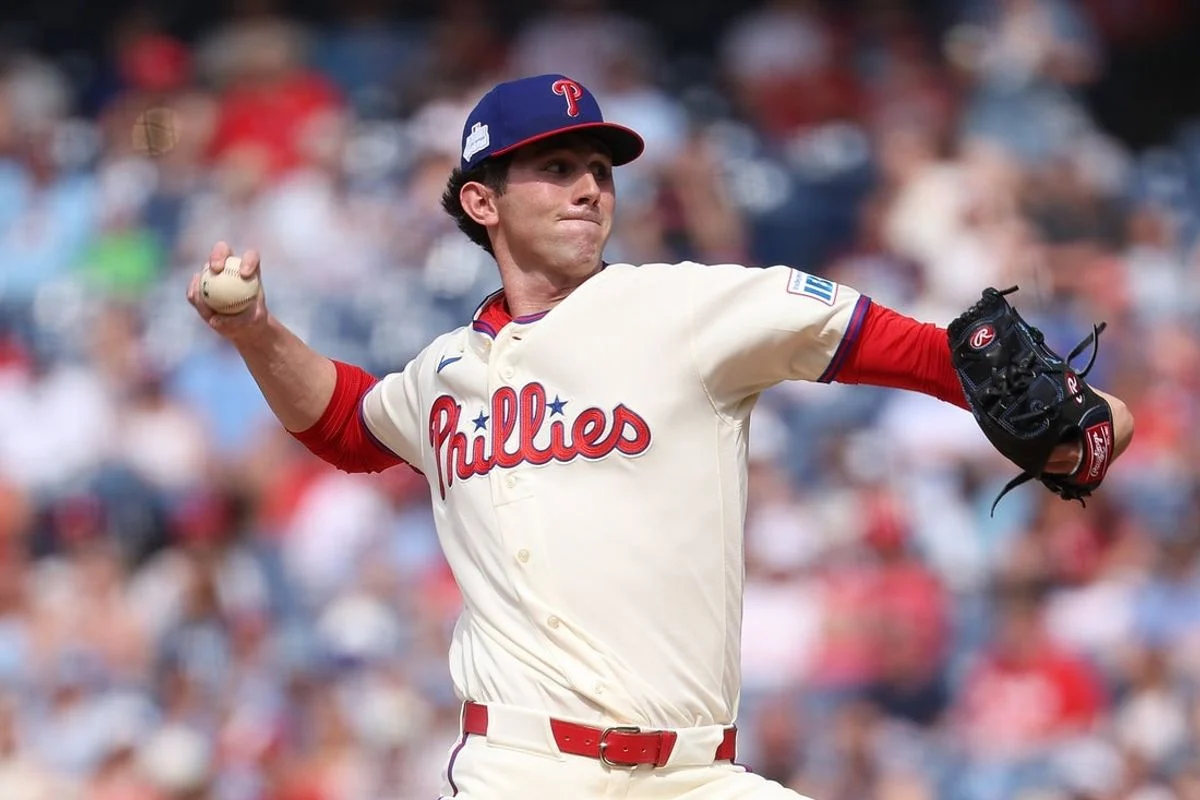
The Philadelphia Phillies, fresh off a significant offensive acquisition just days before the trade deadline, are now setting their sights on solidifying their pitching rotation. While the front of the rotation boasts established talents like Jesus Luzardo, Cristopher Sanchez, and Zack Wheeler, the club’s decision-makers have opted to maintain faith in fifth starter Andrew Painter, despite his struggles through the initial stages of his rookie campaign. This strategic choice comes as the Phillies aim to extend their current winning streak to five games when they host the Washington Nationals for the second contest of their four-game series at Citizens Bank Park.
Arraez Arrival Sparks Immediate Offensive Impact
The Phillies made a splash at the onset of the week, acquiring veteran infielder Luis Arraez from the San Francisco Giants in a move designed to inject immediate offensive firepower. The impact of this trade was palpable in Tuesday night’s 5-0 shutout victory over the Nationals. Arraez, a seasoned switch-hitter known for his exceptional bat-to-ball skills and high on-base percentage, wasted no time in contributing, tallying two hits and driving in two runs in his debut.
"It’s amazing," Arraez commented following the game, his words reflecting a sense of immediate integration and purpose. "They welcomed me here and I’ve come here to do my thing here. Thank God we won the game." This sentiment underscores the player’s commitment and the team’s positive reception, suggesting a seamless transition that could prove crucial as the season progresses towards the critical postseason push. Arraez’s arrival addresses a key area of focus for the Phillies, who have been seeking to bolster their lineup to match the strength of their pitching staff. His ability to consistently get on base and his knack for clutch hitting are expected to provide a significant boost to an already potent offense.
Pitching Rotation: Established Strength Meets Developmental Challenge
While the offensive landscape has been significantly altered by the Arraez acquisition, the Phillies’ pitching staff presents a different narrative. The club can confidently rely on the upper echelon of their rotation. Jesus Luzardo delivered a masterful performance on Tuesday, tossing eight scoreless innings and further cementing his status as a frontline starter. Alongside Luzardo, Cristopher Sanchez and Zack Wheeler provide a formidable one-two punch at the top, consistently delivering quality starts and eating up innings.
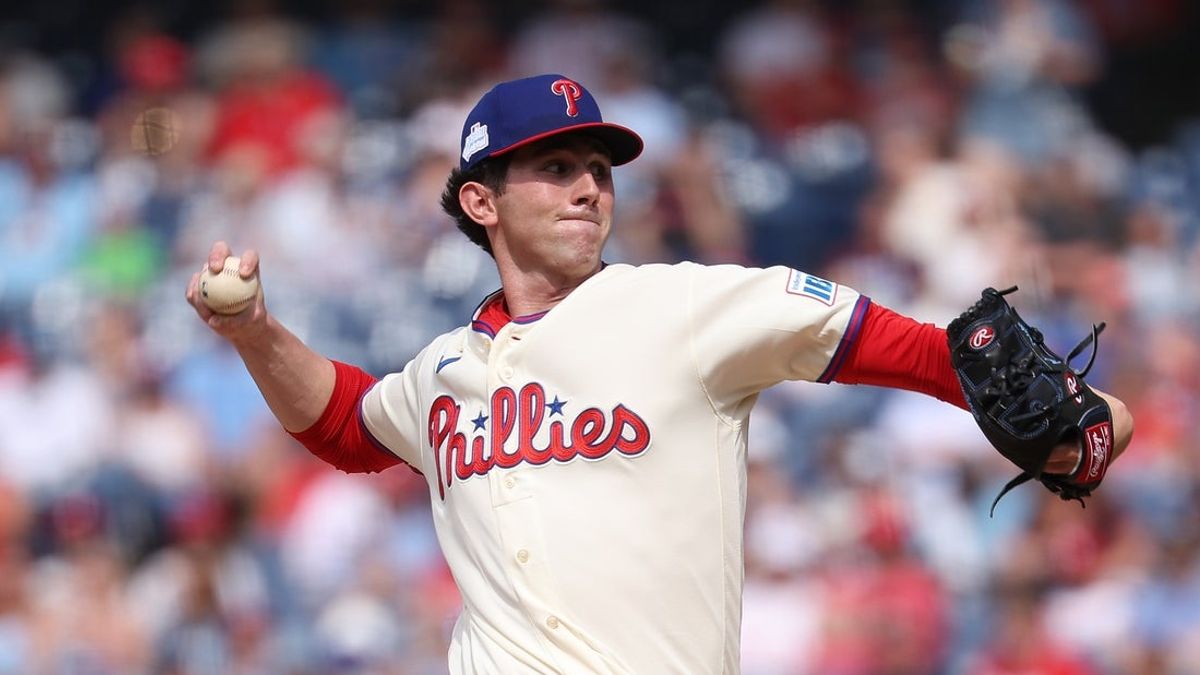
However, the spotlight now turns to the back end of the rotation, specifically to rookie right-hander Andrew Painter (1-8, 6.72 ERA). Painter, widely regarded as one of the Phillies’ top prospects entering the season, has faced considerable challenges in adapting to the rigors of Major League Baseball. His rookie season has been characterized by inconsistency, a stark contrast to the expectations surrounding his highly touted potential.
Andrew Painter’s Return and Managerial Perspective
Prior to his recent outing, Painter spent over a month in the minor leagues, a strategic decision aimed at allowing him to refine his mechanics and regain his confidence. His return to the majors on Friday against the Baltimore Orioles offered a glimmer of encouragement. He pitched six innings, surrendering just two earned runs on three hits, while issuing three walks. Although the walk total remains an area for improvement, interim manager Don Mattingly expressed a generally positive assessment of Painter’s performance.
"If you thought you were getting that every time out, then you would like him in that spot," Mattingly stated, emphasizing the encouraging aspects of Painter’s outing. "It was really good to see." This quote highlights the managerial staff’s desire to see Painter recapture the form that made him a highly touted prospect, while also acknowledging the developmental curve he is navigating. The Phillies organization has invested heavily in Painter’s development, and his ability to mature into a reliable major league starter is a significant factor in their long-term competitive outlook.
A History of Struggles and a Glimmer of Hope Against Washington
Andrew Painter’s winless streak since his Major League debut on March 31 against the very same Washington Nationals is a statistic that underscores his difficult start. In that initial outing, he managed to limit the Nationals to just one run over 5 1/3 innings, marking his only career appearance against Washington to date. This past performance against the Nationals offers a potential blueprint for success, suggesting that his repertoire can be effective against this particular opponent.
The context of this upcoming start is crucial. The Nationals have been mired in a significant slump, having lost seven consecutive games. During this challenging stretch, their offense has struggled to generate consistent scoring, averaging just over two runs per game. Furthermore, their hitting has been particularly anemic, with only five hits recorded in Tuesday’s game against the Phillies. This offensive deficiency provides a favorable matchup for Painter, offering him an opportunity to build momentum and potentially secure his first victory of the season.
Nationals Grapple with Injuries and Roster Turnover
The Washington Nationals find themselves in a precarious position, compounded by a series of significant roster changes. The absence of star outfielder James Wood, who was placed on the injured list with an oblique strain on Tuesday, represents a substantial blow to their offensive capabilities. Wood’s power and ability to drive in runs have been a bright spot for the team. This latest setback follows recent trades that saw versatile infielders Luis Garcia Jr. and Curtis Mead depart for postseason contenders, further depleting the Nationals’ depth and experience.
"It’s not easy (without them)," acknowledged Nationals manager Blake Butera, candidly addressing the impact of these departures. "But we’ve also had some other guys in our lineup that have swung the bats well and have gotten us to this point with how well our offense has played." Butera expressed optimism regarding Wood’s condition, stating, "Hopefully, this is a short-term thing with James. But at least over the next 10 days, it’s an opportunity for other guys to step up. We need to have the next-man-up mentality." This "next-man-up" philosophy is a common refrain in baseball, particularly for teams navigating challenging periods, and it highlights the organization’s focus on player development and opportunity, even amidst adversity.
Jake Irvin’s Return and Career Struggles Against Philadelphia
In an effort to counter the Phillies’ offensive surge and the Nationals’ ongoing challenges, manager Blake Butera is banking on pitcher Jake Irvin (2-5, 5.56 ERA) to provide a solid outing. Irvin is making his second start since returning from a two-month absence due to a shoulder strain. His first start back against the Atlanta Braves was a mixed bag, as he surrendered five runs in just over five innings.
"I felt good (after five innings)," Irvin reflected on his previous outing, acknowledging the lapses that led to his struggles. "Just need to execute a heck of a lot better there in the sixth inning." This self-assessment indicates a recognition of where improvements are needed. However, Irvin’s career statistics against the Phillies paint a concerning picture. He has never faced Philadelphia this season and holds a career record of 0-5 with a 6.42 ERA in eight lifetime starts against them. This historical data suggests that Irvin will need to deliver a performance significantly better than his career averages to contain the Phillies’ potent lineup, especially with the added offensive threat of Luis Arraez.
Broader Implications and Future Outlook
The Philadelphia Phillies’ recent acquisition of Luis Arraez and their ongoing development of Andrew Painter highlight two distinct but equally important strategic imperatives for the club. On one hand, the immediate infusion of offensive talent signals a clear intent to contend for a championship in the present. Arraez’s proven track record and immediate impact suggest that the Phillies have successfully addressed a critical need, enhancing their chances of making a deep postseason run.
On the other hand, the continued investment in Andrew Painter underscores the organization’s commitment to long-term success. Developing homegrown talent like Painter is crucial for sustained competitiveness and maintaining a strong farm system. While his rookie season has been challenging, the organization’s patience and willingness to work through his struggles are indicative of their belief in his ultimate potential. The Phillies’ approach reflects a balanced strategy, aiming to capitalize on their current window of opportunity while simultaneously cultivating future stars. The outcome of Painter’s development will undoubtedly play a significant role in shaping the Phillies’ trajectory in the seasons to come, and his ability to find consistency will be closely watched by both the coaching staff and the fanbase. The club’s ability to integrate new talent seamlessly while nurturing existing prospects will be a key determinant of their sustained success in a highly competitive National League East division.

 Yuyun Lusiyani
 Joko Widodo
 Jia Lissa
 Pevita Pearce
 admin
admin
