
 Eva Lovia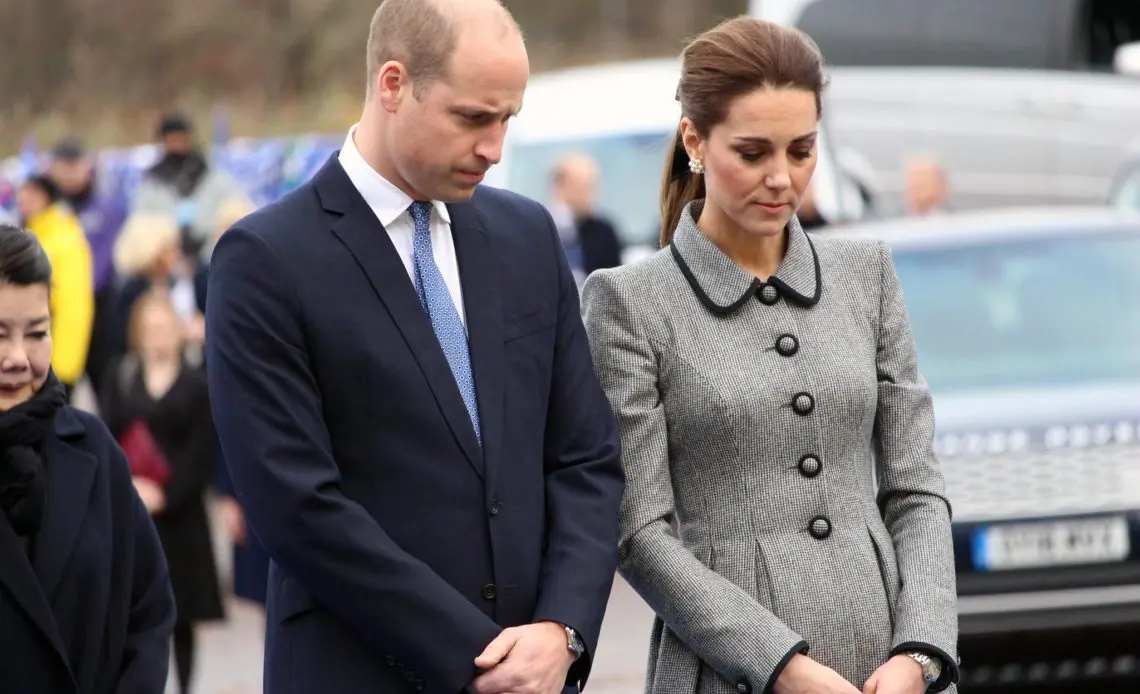
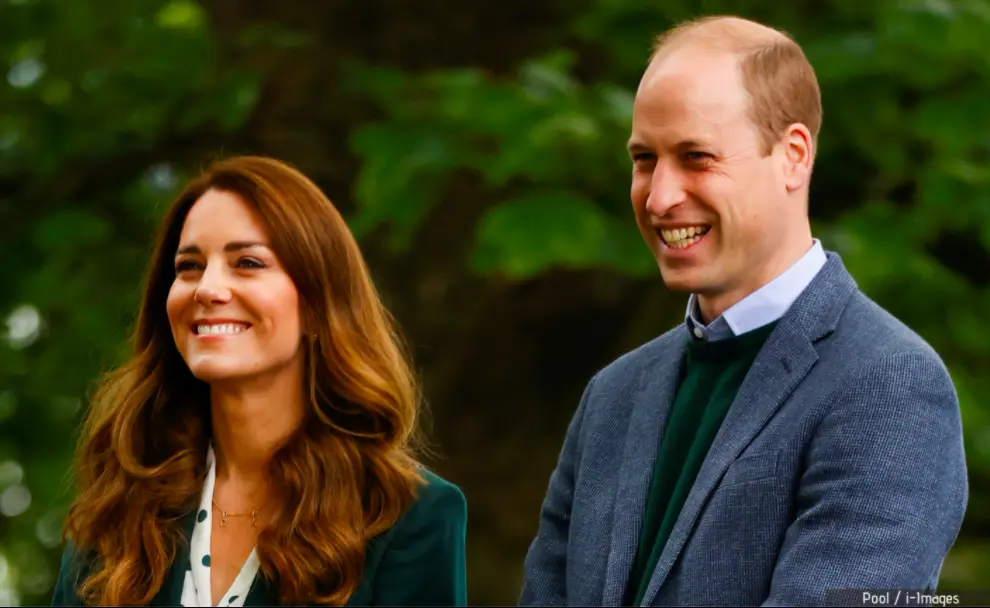
The Prince and Princess of Wales have extended a message of profound empathy and solidarity to families experiencing the profound grief of pregnancy and baby loss, as Baby Loss Awareness Week concluded on October 15th. The royal couple shared a simple yet deeply resonant image of a burning candle on their official Twitter account, a gesture that echoed the sentiments of countless individuals and organizations participating in this annual observance. The amber candle, emblazoned with the words "Wave of Light," served as a visual testament to the collective remembrance of infants lost during pregnancy or in the immediate aftermath of birth, accompanied by the unifying hashtag #WaveOfLight. This act of public acknowledgment from the Prince and Princess of Wales underscores the significance of the week and offers a crucial moment of reflection and connection for bereaved parents and their families worldwide.
The Significance of Baby Loss Awareness Week
Baby Loss Awareness Week, observed annually from October 9th to 15th, is a critical period dedicated to bringing together those affected by the tragedy of pregnancy and infant loss. Its core objectives are multifaceted: to provide a platform for remembrance of lost babies, to encourage the sharing of personal experiences, and to amplify awareness of the support services available to grieving families. Beyond individual remembrance, the week plays a pivotal role in advocating for improvements in bereavement care, striving to prevent avoidable deaths, and ensuring that families receive comprehensive and compassionate support during their most challenging times. The initiative aims to break the silence that often surrounds this sensitive topic, fostering understanding and reducing the isolation experienced by many.
The Global "Wave of Light" Initiative
The poignant message from the Prince and Princess of Wales coincided with the culmination of the week’s flagship event: the annual "Wave of Light." This global initiative, deeply rooted in community and shared remembrance, invites individuals across the United Kingdom and internationally to participate by lighting a candle at 7:00 PM local time on October 15th. The simple act of lighting a candle symbolizes the remembrance of babies who have died. Participants are encouraged to keep their candles burning for a minimum of one hour, thereby creating a metaphorical "wave of light" that traverses the globe as different time zones reach the designated hour. This synchronized act fosters a powerful sense of collective empathy and shared grief, demonstrating that no family experiencing such a loss is alone. The Prince and Princess of Wales’ participation, with their candle photo posted at 7:01 PM, aligned them with this widespread demonstration of support.
A Time for Remembrance and Acknowledgment
For many, Baby Loss Awareness Week and the "Wave of Light" offer a vital opportunity to honor the memory of their lost children and to acknowledge the enduring impact of this profound grief. The loss of a baby, whether through miscarriage, stillbirth, or early infant death, leaves an indelible mark on individuals and families. The week provides a designated time to openly remember these precious lives, to speak their names, and to celebrate the brief moments they were present. Beyond individual remembrance, the week serves as a crucial platform for bereaved parents to share their narratives. These personal accounts are invaluable in fostering empathy and understanding among those who have not experienced such loss, shedding light on the complex emotional landscape of grief, the challenges of navigating life after a baby’s death, and the persistent longing for connection.
Historical Context and Growth of the Campaign
The origins of Baby Loss Awareness Week can be traced back to 2002 in the United Kingdom, when a collective of parents, inspired by similar observances in the United States, established the first Baby Loss Awareness Day. This initial effort laid the groundwork for a more expansive campaign. In the subsequent year, the initiative evolved into a week-long series of activities, with events organized across the nation. Over the years, Baby Loss Awareness Week has matured into a significant annual opportunity to raise public consciousness about the prevalence and impact of pregnancy and baby loss. Its growth reflects an increasing societal willingness to acknowledge and address this often-hidden grief, and a growing commitment to improving the support systems available to those affected.
Key Organizations Driving the Initiative
The success and reach of Baby Loss Awareness Week are significantly bolstered by the dedicated work of numerous charities and organizations. Prominent among these are Sands (Stillbirth and Neonatal Death Charity), the Miscarriage Association, the Ectopic Pregnancy Trust, and Antenatal Results and Choices (ARC). These organizations are not only instrumental in coordinating awareness campaigns but also provide vital direct support to families. Their work extends beyond remembrance and advocacy; they are actively involved in improving bereavement services within healthcare settings, offering crucial emotional and practical assistance to families navigating the immediate aftermath of loss, and championing efforts to reduce preventable pregnancy losses and infant deaths through research and education.
Supporting Data and the Scope of the Issue
The emotional weight of pregnancy and baby loss is underscored by stark statistical realities. While exact figures can vary by reporting methodology and region, it is estimated that approximately one in four pregnancies in the UK ends in miscarriage. Stillbirth affects around 1 in every 200 births in the UK, meaning over 3,000 babies are stillborn each year. Neonatal deaths, occurring within the first 28 days of life, add to this profound loss. These statistics, while difficult to confront, highlight the widespread nature of this experience and the significant number of families who are touched by baby loss. Baby Loss Awareness Week serves as a vital reminder that these are not isolated incidents but a shared human experience that warrants compassion, understanding, and robust support.
The Role of Royal Patronage and Public Figures
The involvement of the Prince and Princess of Wales, as well as other public figures and organizations, plays a crucial role in destigmatizing conversations around baby loss. When individuals in positions of influence openly acknowledge and empathize with such sensitive issues, it signals to the wider public that it is safe and important to talk about these experiences. This can encourage more people to seek support, share their stories, and feel less alone. The royal family’s consistent support for various charitable causes, including those related to health and well-being, lends significant weight and visibility to such campaigns, helping to foster a more compassionate and understanding society. Their message serves as a powerful affirmation for those grieving, demonstrating that their loss is seen, acknowledged, and respected at the highest levels.
Analysis of Implications and Future Directions
The continued growth and public engagement with Baby Loss Awareness Week, exemplified by the royal couple’s participation, suggest a societal shift towards greater openness and empathy regarding pregnancy and infant loss. This increased awareness has tangible implications. Firstly, it can lead to greater demand for improved bereavement care within healthcare systems, prompting hospitals and medical professionals to enhance their protocols and training for supporting grieving families. Secondly, it fosters a more supportive environment in communities, encouraging friends, family members, and colleagues to offer genuine comfort and understanding. Furthermore, heightened awareness can drive further research into the causes of pregnancy and baby loss, with the ultimate goal of prevention. The sustained effort of organizations like Sands and the Miscarriage Association, coupled with public support, will be crucial in continuing to advocate for policy changes, increased funding for research, and the provision of accessible, high-quality support services for all affected families. The "Wave of Light" is more than just a symbolic gesture; it represents a growing tide of awareness and a collective commitment to ensuring that no family has to navigate the darkness of baby loss in silence.


 Yuyun Lusiyani
 Joko Widodo
 Jia Lissa
 Pevita Pearce
 admin
admin