
 Eva Lovia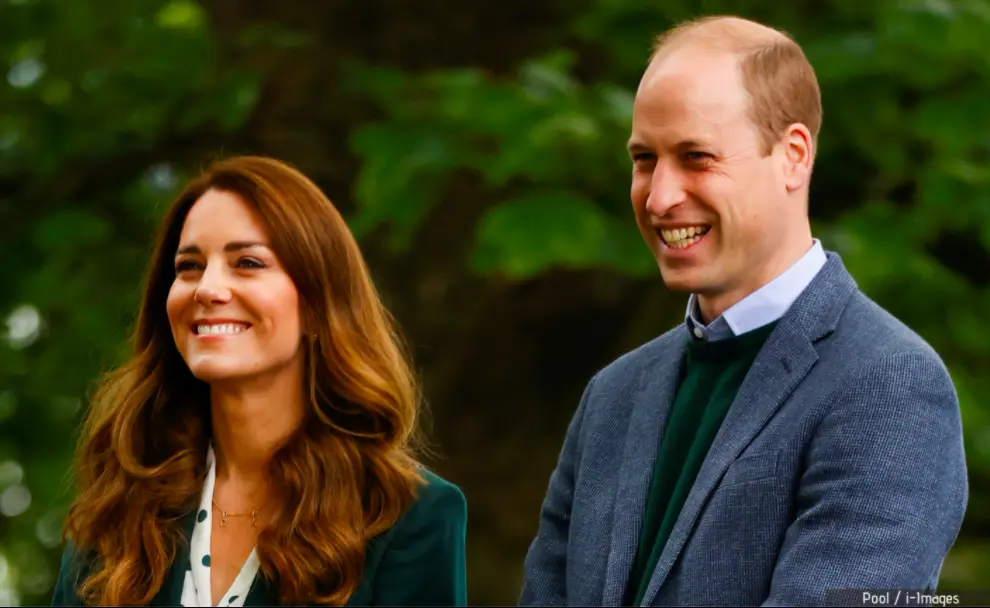
Catherine, Princess of Wales, has officially inaugurated a significant new research initiative dedicated to understanding the profound influence of spending time in nature on the emotional and social development of babies and young children. This ambitious project, spearheaded by the Royal Foundation Centre for Early Childhood, aims to bridge the gap between scientific inquiry and practical application, exploring how natural environments can foster robust lifelong well-being in the earliest years of life. The initiative marks a pivotal moment in the Princess’s ongoing commitment to championing early childhood development, underscoring her belief that the foundational experiences of the first five years are critical determinants of future health and happiness.
A Holistic Approach to Early Years Development
The Princess’s vision for this research is rooted in a holistic perspective, emphasizing the interconnectedness of nature, creativity, and relationships in nurturing healthy development. In an era increasingly dominated by digital engagement, Catherine highlighted the urgent need to safeguard and promote opportunities for children to connect with the natural world. Her statement, delivered upon the launch of the project, articulated this concern: “Nature is such an extraordinary environment for us all and, in this tech-driven, digital age, spending quality time outdoors has never been more important.” This sentiment underscores a growing global awareness regarding the potential detriments of excessive screen time and the corresponding benefits of outdoor immersion for cognitive and emotional growth.
The research is designed to delve into the mechanisms by which natural settings contribute to the development of crucial social and emotional skills. These are the very skills that form the bedrock of resilience, empathy, and adaptability throughout an individual’s life. By examining nature-rich environments alongside the presence of supportive relationships, the project seeks to identify actionable strategies that can enhance children’s capacity for emotional regulation, social interaction, and overall mental well-being.
The Duchy of Cornwall: A New Strategic Partnership
A significant development accompanying the launch of this research is the announcement of the Duchy of Cornwall as a founding partner. This marks the first time the Duchy has directly aligned its resources and influence with the Princess’s early years agenda. The Duchy, historically associated with the Prince of Wales’s estate, will lend its support by providing opportunities to explore the potential of nature-rich environments within communities and settings connected to its extensive landholdings. This collaboration signifies a powerful endorsement of the Princess’s work and opens new avenues for the practical implementation and testing of the research findings.
Christian Guy, Executive Director of the Royal Foundation Centre for Early Childhood, expressed his enthusiasm for the partnership and the project’s potential impact. “This project could help improve understanding of how nature contributes to children’s development,” Guy stated. He further elaborated that the initiative’s core strength lies in its capacity to synthesize rigorous scientific research with invaluable practical experience. This integrated approach is expected to illuminate how outdoor environments can effectively cultivate curiosity, foster creativity, and bolster emotional health in young children.
Historical Context and Chronology of the Initiative
The Princess of Wales’s dedication to early childhood development is not a recent phenomenon. For several years, she has made this a central tenet of her public work, consistently advocating for greater societal understanding and investment in the critical first five years of life. This new research project builds directly upon her previous engagements and the foundational work undertaken by the Royal Foundation Centre for Early Childhood.
Key Milestones in the Princess’s Early Childhood Advocacy:
- 2018: The Royal Foundation of the Prince and Princess of Wales establishes its Early Years focus, initiating research and public engagement on the topic.
- 2020: The Princess launches the "5 Big Questions on the Early Years" survey, which garnered over half a million responses and provided unprecedented insight into public attitudes and understanding of early childhood. This survey highlighted concerns about parental mental health, the importance of early relationships, and the need for greater support.
- 2021: The Royal Foundation Centre for Early Childhood is formally established, providing a dedicated hub for research, collaboration, and advocacy in this field.
- Ongoing: The Princess has consistently used her platform to raise awareness about the long-term societal benefits of investing in early childhood, emphasizing the critical role of responsive relationships, stimulating environments, and supportive communities.
The current research project represents a natural evolution of this long-standing commitment. It moves beyond raising awareness to actively seeking evidence-based solutions that can be translated into tangible benefits for families. The project’s timeline, while not explicitly detailed in its initial announcement, is understood to involve a multi-year research and development phase, encompassing data collection, analysis, and the dissemination of findings. The involvement of international expertise suggests a phased approach, likely beginning with a comprehensive review of existing global research before embarking on specific studies within the UK context.
Supporting Data and Scientific Rationale
The scientific basis for the Princess’s initiative is supported by a growing body of research demonstrating the multifaceted benefits of nature exposure for children. Studies have consistently linked time spent outdoors with improvements in:
- Cognitive Development: Research published in journals such as Environmental Health Perspectives has shown that exposure to green spaces can enhance attention span, improve memory, and boost problem-solving skills in children. For instance, a 2015 study indicated that children with ADHD exhibited improved concentration after spending time in a park compared to an urban street.
- Physical Health: Outdoor play encourages physical activity, contributing to healthier weight management, stronger bones and muscles, and improved cardiovascular health. It also plays a crucial role in developing the immune system and reducing the risk of allergies and certain chronic diseases. The World Health Organization recommends at least 60 minutes of moderate-to-vigorous physical activity daily for children aged 5-17, a benchmark that outdoor play readily helps meet.
- Emotional and Mental Well-being: Exposure to nature has been directly correlated with reduced stress, anxiety, and symptoms of depression in children. The concept of "biophilia," the innate human tendency to connect with nature, suggests that this connection is fundamental to our psychological health. A 2019 meta-analysis published in The Lancet Planetary Health found that increased green space was associated with better mental health outcomes for children.
- Social Skills: Outdoor environments often provide opportunities for unstructured play, which is vital for developing social skills such as cooperation, negotiation, and empathy. Children learn to navigate social dynamics, share resources, and resolve conflicts in natural settings.
- Creativity and Imagination: The open-ended nature of the natural world provides a rich canvas for imaginative play, encouraging children to think creatively and develop their own narratives and games. Unlike structured toys, natural elements offer infinite possibilities for exploration and invention.
The project’s focus on the crucial first five years of life is particularly significant. During this period, the brain is developing at an exponential rate, forming billions of neural connections. Experiences during this window have a profound and lasting impact on a child’s capacity for learning, emotional regulation, and social interaction. The World Economic Forum has repeatedly highlighted the importance of early childhood education and care, noting that investments in this area yield the highest returns for individuals and society.
Broader Impact and Implications
The implications of this research project extend far beyond the immediate beneficiaries. By providing robust evidence and practical guidance, the initiative has the potential to:
- Inform Public Policy: The findings could influence government policies related to urban planning, education, and public health, advocating for the integration of green spaces in urban and suburban areas and promoting nature-based learning within educational curricula.
- Empower Parents and Caregivers: The project aims to equip parents and caregivers with the knowledge and tools to incorporate nature-based experiences into their children’s daily routines, even in resource-limited settings. This could involve simple, accessible activities that do not require extensive planning or expense.
- Foster Community Engagement: By working with organizations like the Duchy of Cornwall, the project can encourage community-level initiatives that create and maintain accessible nature-rich environments for families, fostering a sense of shared responsibility for children’s well-being.
- Advance Scientific Understanding: The research will contribute valuable data to the growing field of environmental psychology and early childhood development, potentially leading to further investigations and innovations.
- Promote a Culture of Well-being: Ultimately, the initiative seeks to cultivate a societal shift towards valuing and prioritizing the holistic development of children, recognizing that investing in their early years is investing in the future health and prosperity of the nation.
The Princess’s emphasis on making these benefits accessible to all families, regardless of socioeconomic background, is a critical aspect of the project. This inclusive approach acknowledges that while the benefits of nature are universal, access to safe and stimulating natural environments can be inequitable. The research will likely explore strategies to overcome barriers such as lack of green space, safety concerns, and time constraints faced by many families.
Official Responses and Expert Commentary
While specific official statements from government bodies or major child welfare organizations are pending further dissemination of the project’s findings, the initiative has already garnered significant interest from the early years sector. Experts in child psychology and environmental education have expressed optimism about the potential for this high-profile project to elevate the conversation around nature and child development.
Dr. Anya Sharma, a leading child psychologist specializing in early intervention, commented, "The Princess of Wales’s focus on nature-based development is incredibly timely and crucial. For too long, we have perhaps underestimated the restorative and developmental power of the natural world, especially in the critical formative years. This research has the potential to provide the definitive evidence needed to shift perspectives and practices."
Similarly, Mark Jenkins, director of a national charity promoting outdoor learning, stated, "This initiative from the Royal Foundation is a game-changer. It validates the work of countless educators and advocates who have been championing outdoor play and learning for years. The involvement of the Duchy of Cornwall also signals a significant opportunity to integrate nature-based solutions into community planning and development on a large scale."
Looking Ahead: The Future of Early Childhood and Nature
The launch of this research project by the Princess of Wales signifies a powerful commitment to ensuring that future generations of children benefit from the profound advantages of connecting with the natural world. As the project unfolds, it is anticipated to yield actionable insights that will not only enrich scientific understanding but also inspire practical changes in how we support the development of our youngest citizens. The convergence of royal advocacy, dedicated research, and strategic partnerships positions this initiative to leave a lasting legacy on early childhood development and the broader societal appreciation of nature’s indispensable role in human flourishing. The long-term success will be measured by its ability to translate complex research into accessible, impactful strategies that nurture a generation of emotionally resilient, socially adept, and environmentally conscious individuals.


 Yuyun Lusiyani
 Joko Widodo
 Jia Lissa
 Pevita Pearce
 admin
admin