
 Lina Irawan
In an era dominated by digital curators and algorithmic tastemakers, the concept of "curation" has undergone a profound transformation, shifting from a role of civic responsibility to one of consumerist convenience. Modern social media platforms are saturated with influencers who recommend lifestyle choices ranging from culinary destinations to financial institutions, yet these digital guides often bypass the foundational ethics of their craft. Historically, the term "curate" finds its origin in the Latin word cura, signifying care, concern, or the holding of responsibility. In Ancient Rome, a curator was a public official tasked with the oversight of essential infrastructure, such as the water supply or the architectural integrity of aqueducts. By the medieval period, the title was adopted by the Church, where a curate was a cleric responsible for the spiritual well-being of a parish. Today, while the term is most frequently associated with museum professionals who organize bodies of work for public comprehension, the underlying ethos of stewardship remains a critical, if often ignored, component of the role.
The contemporary disconnect between curation and responsibility was recently highlighted by culture writer Kyle Chayka during an appearance on The Ezra Klein Show. Chayka posited that the true value of curation extends beyond mere consumption; it involves providing a holistic education and insight into the mechanics of culture. This process requires significant labor and time to present objects, ideas, or art within their deserving contexts. Consequently, curation is not merely the act of collecting media but is an exercise in taking responsibility for the types of knowledge and entertainment an individual consumes and how those choices align with their personal value systems.

The Limitation of Rationalist Self-Improvement
The modern self-improvement industry is largely defined by non-fiction literature that emphasizes rational fact-trading and objective truths. Bestselling titles such as James Clear’s Atomic Habits, Robert Greene’s 48 Laws of Power, and Ichiro Kishimi’s The Courage to be Disliked offer digestible, linear paths toward optimization. These works provide guidance based on cold, hard data and logical frameworks, narrowing the complex web of human experience into actionable steps. However, there is an emerging consensus among educators and psychologists that this data-driven approach may neglect a vital component of personal growth: the development of empathy and the confrontation of one’s own humanity.
While non-fiction can explain the mechanics of change, fiction and poetry offer the experience of it. Works such as Mary Shelley’s Frankenstein or Paulo Coelho’s The Alchemist do not merely provide instructions; they extract empathy and bring it to the forefront of the reader’s consciousness. By embodying the experiences of others, fiction asks the reader to reflect on their own values rather than those imposed by societal expectations. This process of internal reflection is increasingly viewed as a necessary counterbalance to the external, achievement-oriented focus of traditional self-help.
The Role of Poetry in Complicating the Self
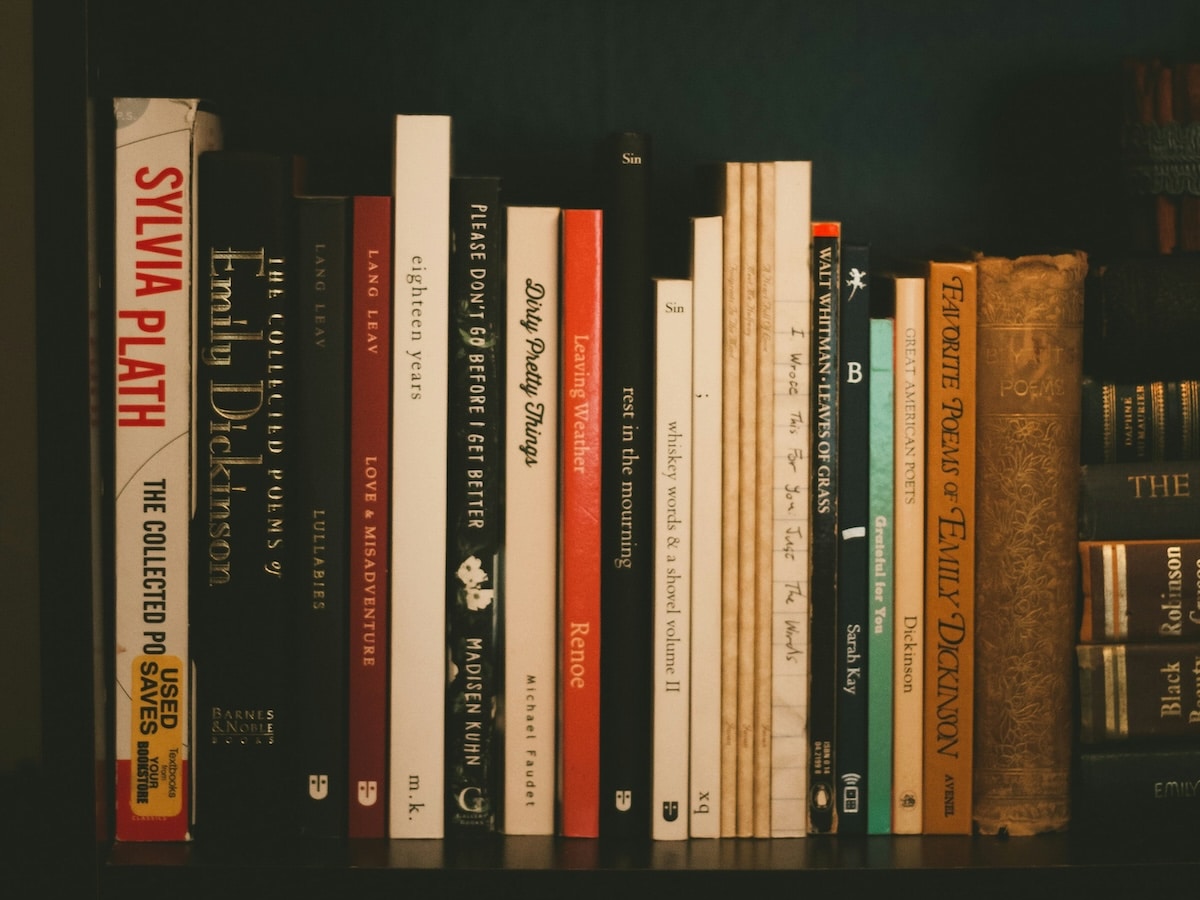
Jack Underwood, the Head of Creative Writing at Goldsmiths University London, argues that poetry serves to complicate the often oversimplified narrative of self-improvement. Unlike objective guidance, poetry demands empathetic labor. Underwood suggests that poetic language returns the individual to the complexity of reality, reducing feelings of isolation by asking the reader to enter the thinking of another person. This "conversational tennis" requires the reader to hold another person’s thoughts alongside their own life experiences and associations.

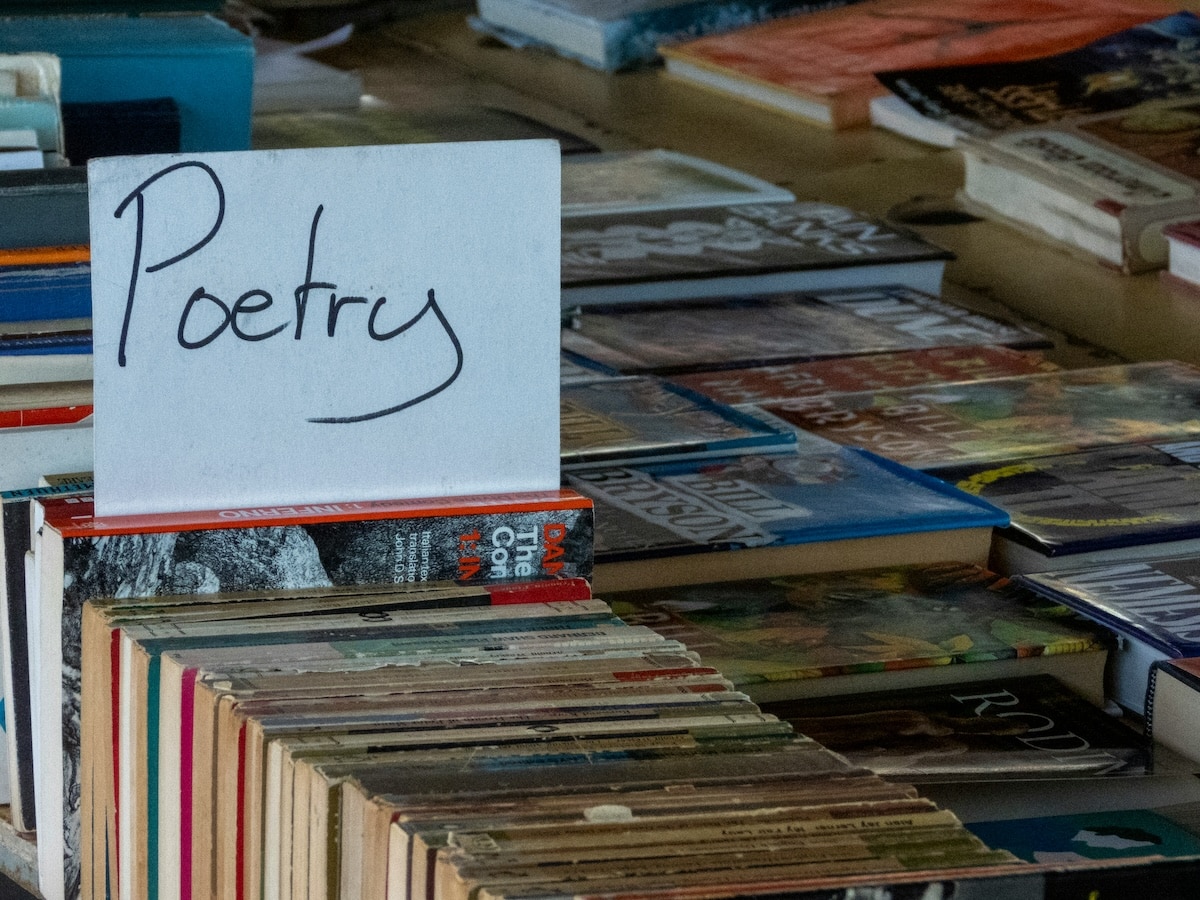
For many, poetry is perceived as an intimidating or enigmatic medium, often associated with the clinical dissection of metaphors and technical structures in academic settings. However, when viewed as a "breathing entity" rather than a "dead" form of writing, poetry becomes a bridge between the historical and the present. It creates a space for communal and intimate connection, exposing readers to diverse voices and helping them understand their place within the broader human experience. In this context, curation becomes the act of deciding what is worth paying attention to, transforming reading from a passive activity into a focused engagement with the self and society.
Masculinity and the Fiction Reading Gap
The intersection of reading habits and gender roles reveals a significant disparity in how self-improvement is approached. Statistical data consistently shows that men are less likely to read fiction than women. According to a 2022 survey by the National Endowment for the Arts (NEA), women in the United States are significantly more likely to read books of any genre, but the gap is most pronounced in fiction. This trend is often attributed to a societal stigma that labels the reading of fiction and poetry as "feminine" or "soft."
Luke Bateman, a former National Rugby League (NRL) player and an advocate for male literacy, has spoken extensively about the shame associated with reading among boys and men. Bateman, who hid his enthusiasm for books as a child to avoid being perceived as "tender," now argues that this shame is a primary barrier to male emotional development. He posits that men often gravitate toward non-fiction because it is perceived as a "shame-free" zone that aligns with traditional notions of masculinity, such as the acquisition of power or financial success.

Bateman emphasizes that while non-fiction can intellectually explain concepts of growth, fiction allows the reader to "live and breathe" the journey. He suggests that by reading fiction, men can dismantle the toxic notions of masculinity that demand the suppression of emotion. "When boys can recognize the humanity in themselves, they can recognize it in others, regardless of gender, race, or class," Bateman states. This modeling of vulnerability is seen as a crucial step in breaking the cycle of shame that has historically shaped male identity.
Neuroplasticity and the Benefits of Cognitive Friction
The process of internalizing new information and challenging one’s worldview is supported by the biological mechanism of neuroplasticity. Neuroplasticity refers to the brain’s ability to form new neural connections and synapses in response to experience. This "mental muscle" stays flexible by adapting to new stimuli, but it also undergoes "synaptic pruning," where unused pathways are removed to make room for more frequent activities.
To stimulate positive neuroplasticity, cognitive scientists suggest the introduction of "friction"—activities that challenge the brain’s existing patterns. This can include learning a new language, engaging in creative hobbies like painting, or reading complex literature that requires deep focus. Unlike the rapid-fire consumption of social media, which often reinforces existing biases through algorithms, reading poetry or literary fiction forces the brain to process ambiguity and nuance. This intentional engagement strengthens the brain’s functional resilience and improves its ability to retain complex information.
Chronology of Curation and Information Consumption
The evolution of how humans curate information can be traced through several distinct eras:
- The Classical Era (Antiquity): Curation was a civic duty (cura), focused on the maintenance of physical infrastructure and public welfare.
- The Ecclesiastical Era (Medieval): The role shifted to the spiritual care of individuals, emphasizing the "curation of souls."
- The Institutional Era (18th–20th Century): With the rise of museums and libraries, curation became a professional discipline focused on the preservation and categorization of knowledge and art.
- The Algorithmic Era (21st Century): Curation has been largely outsourced to automated systems that prioritize engagement over accuracy or depth, leading to the "Filterworld" phenomenon described by Kyle Chayka.
In the current era, the responsibility of curation has returned to the individual. Without the gatekeepers of the Institutional Era, individuals must navigate a landscape of infinite choice, making the development of a personal "compass" of values more essential than ever.
Broader Implications for Social Cohesion
The shift toward empathetic reading and intentional curation has implications that extend beyond personal well-being to the level of social cohesion. A society that prioritizes the "hard work" of empathy—as facilitated by fiction and poetry—is better equipped to navigate the contradictions and complexities of modern life. By complicating the idea of self-improvement, individuals move away from a destination-oriented mindset toward a process-oriented one.
Socrates famously stated that wisdom lies in knowing one’s own ignorance. In the context of modern curation, this humility involves accepting that growth is found in the unknown and the uncomfortable. As individuals dedicate their time to activities that hold personal meaning—whether through film, literature, or meaningful conversation—they move closer to a version of self-improvement that is both sustainable and human-centric. The journey of curation, therefore, is not about arriving at a state of perfection, but about the continuous and responsible engagement with the world and the self.




 Yuyun Lusiyani
 Joko Widodo
 Jia Lissa
 Pevita Pearce
 admin
admin
