
 Nana Wu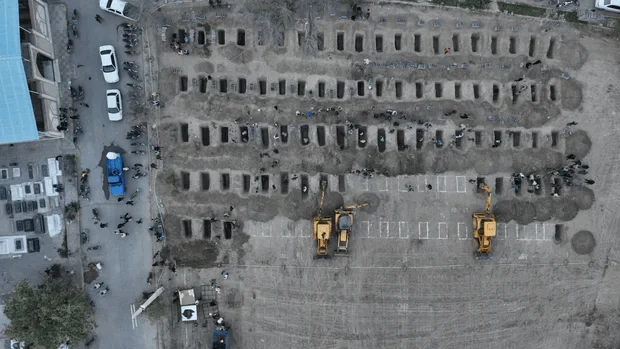
The White House’s controversial decision to utilize footage from the popular video game "Call of Duty: Modern Warfare III" in an official social media video celebrating military strikes in Iran has ignited a firestorm of criticism. The roughly one-minute video, posted on March 4th, juxtaposed real-world military actions with in-game combat sequences, specifically featuring a player activating an "MGB killstreak"—a powerful in-game weapon earned by achieving 30 consecutive kills without dying. This tactic, employed to frame military engagement as a game, has been widely condemned as insensitive, disrespectful, and a dangerous trivialization of warfare, particularly in light of significant civilian casualties.
A Pattern of Pop Culture Co-option
This incident is not an isolated event for the Trump administration. Over its tenure, the administration has repeatedly demonstrated a penchant for leveraging popular culture, including video game imagery, to communicate policy and political messaging. Previously, the Department of Homeland Security (DHS) and Immigration and Customs Enforcement (ICE) have been documented using imagery from franchises like "Pokémon" and "Halo" in recruitment materials and public awareness campaigns. These instances, while drawing criticism for their questionable taste and unauthorized use of intellectual property, did not carry the same gravity as the recent use of gaming footage to celebrate military actions resulting in actual loss of life.
The use of a "Stardew Valley" meme to mark Robert F. Kennedy Jr.’s tenure overseeing health initiatives further illustrates this pattern of co-opting recognizable cultural touchstones. However, the application of this strategy to military operations, especially those with significant human cost, crosses a critical ethical threshold. Critics argue that such a practice not only trivializes the gravity of war but also demonstrates a profound disconnect from the human impact of military conflict.

The "Call of Duty" Video: Context and Content
The video in question, posted by the official White House Twitter account, was accompanied by the caption, "Courtesy of the Red, White & Blue." It aimed to showcase military strikes against various Iranian locations and targets. The inclusion of the "Modern Warfare III" clip, depicting the activation of a virtual killstreak, was particularly jarring. In the game, this action signifies a player’s dominance and success in eliminating a high number of virtual opponents, often leading to the end of a match. By equating this virtual achievement with real-world military operations, the administration appeared to be celebrating the "body count" of the conflict.
The timing of this video is significant. The conflict with Iran, escalating in early March 2026, had already resulted in substantial casualties. Official reports indicated over 12,000 Iranian deaths, a figure that includes a deeply disturbing report of 175 schoolgirls killed in a missile strike on a primary school in Minab on the war’s first day. This detail, corroborated by the non-profit humanitarian group Iranian Red Crescent Society, adds a layer of profound tragedy to the administration’s decision to frame the conflict through the lens of a video game. The alleged mass graves prepared for these young victims, as depicted in accompanying reports, stand in stark contrast to the celebratory tone of the White House video.
Reactions and Repercussions
The backlash to the "Call of Duty" video was swift and widespread. Many observers, including national security analysts and civil liberties advocates, expressed shock and dismay.
- Ethical Concerns: Critics argued that using video game footage to represent real-world military actions demonstrates a callous disregard for the human lives affected by war. This approach, they contend, risks desensitizing the public to the realities of conflict and reducing complex geopolitical events to a matter of virtual achievement.
- Misinformation and Propaganda: The use of such imagery can be seen as a form of propaganda, designed to present a simplified and often misleading narrative of military success. By framing the conflict as a game, the administration potentially obscures the difficult ethical questions and strategic complexities involved.
- Disrespect to Military Personnel and Victims: For those serving in the armed forces, who experience the harsh realities of combat, and for the victims of war and their families, the use of gaming footage to celebrate military actions is deeply insulting. It trivializes their sacrifices, suffering, and the profound consequences of armed conflict.
- Intellectual Property Concerns: While not the primary focus of the criticism, the unauthorized use of copyrighted video game footage also raises legal and ethical questions for game developers and publishers.
While no official statement has been released by the game developers of "Call of Duty" regarding the specific use of their intellectual property in the White House video, the broader industry has often expressed reservations about the militarization of video game imagery in real-world contexts. Past instances have seen game companies issue cease-and-desist letters or express disapproval when their content has been used in ways that misrepresent or exploit the often-violent themes inherent in their products.

The Broader Implications of Trivializing War
The incident underscores a worrying trend of de-emphasizing the gravity of war through popular culture. In an era where information is rapidly disseminated and consumed through social media, the choice of imagery carries immense weight. By equating military engagement with virtual achievements, the administration risks normalizing violence and eroding the public’s understanding of the true costs of war.
The article from which this analysis is derived highlights a critical point: "It’s war, no matter how hard the president and the Republicans in Congress want to pretend otherwise so that they don’t have to do their damned jobs." This sentiment points to a potential strategy of framing military actions in a way that avoids the full political and social accountability associated with overt declarations of war. By presenting conflict as a series of "killstreaks" and "achievements," the administration may be attempting to sidestep the need for robust congressional debate, public consensus, and the solemn responsibilities that accompany genuine wartime leadership.
The fact that this imagery is being used to celebrate actions resulting in the deaths of thousands, including innocent schoolchildren, amplifies the ethical concerns to an unprecedented level. The juxtaposition of a virtual "MGB killstreak" with the devastating reality of mass graves is not merely a matter of poor taste; it represents a profound moral failing. It suggests a detachment from the human consequences of policy decisions and a willingness to employ superficial, gamified aesthetics to mask the grim realities of armed conflict.
The implications of this approach extend beyond the immediate controversy. It sets a dangerous precedent for how future administrations might communicate about military actions, potentially leading to a further erosion of public understanding and engagement with matters of war and peace. The responsibility of leadership, particularly in times of conflict, demands a level of seriousness, transparency, and respect for human life that is demonstrably absent in the White House’s recent social media strategy. The message conveyed by the "Call of Duty" video is clear: war is being treated as a game, and this is a deeply disturbing development that demands critical scrutiny and condemnation.




 Yuyun Lusiyani
 Joko Widodo
 Eva Lovia
 Pevita Pearce
 admin
admin
 Lina Irawan