
 Lina Irawan
The landscape of the professional home office has undergone a radical transformation since the global shift toward remote work began in 2020. As of 2026, the makeshift setups of the early pandemic era have reached their technological expiration date, giving way to a new standard of "professional-grade" home environments. This evolution is driven by a convergence of high-bandwidth connectivity, such as Thunderbolt 5, and the intensive memory requirements of local Artificial Intelligence (AI) processing. Modern professionals are no longer merely seeking a place to sit; they are engineering holistic ecosystems that prioritize sustained productivity, long-term physical health, and high-fidelity communication.
The Shift to AI-Ready Computing and the 16GB RAM Baseline
The most significant change in the 2026 hardware landscape is the redefinition of baseline performance. Industry analysts note that the standard 8GB of RAM, which sufficed for basic office tasks for nearly a decade, is now obsolete. The integration of on-device AI—such as Apple Intelligence and Microsoft’s Copilot+—requires substantial memory overhead to manage localized neural processing without relying on cloud latency.
For standard administrative and executive functions, 16GB of unified memory has become the non-negotiable entry point. However, for those in creative sectors, 32GB is increasingly viewed as the safe margin for multitasking across resource-heavy applications like Adobe Creative Cloud and DaVinci Resolve.
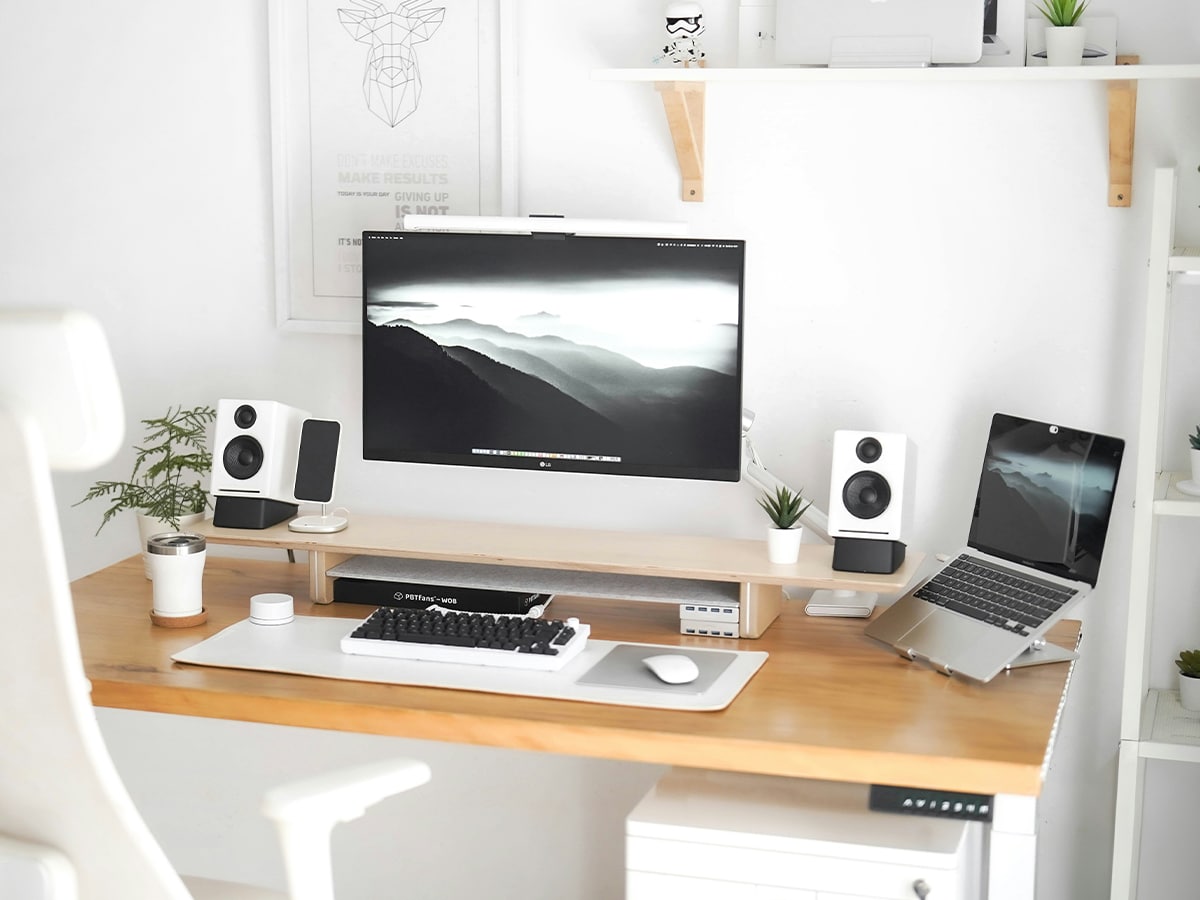
The Apple MacBook Air M5 has emerged as the primary recommendation for the general professional. Utilizing 3nm silicon architecture, the M5 chip features a 10-core CPU and dedicated neural accelerators designed specifically for AI-driven workflows. Its fanless design offers silent operation, a critical factor for home environments, while maintaining thermal efficiency that rivals previous-generation "Pro" models. Conversely, for users requiring sustained peak performance, the MacBook Pro M5 provides active cooling and the introduction of Thunderbolt 5 ports, offering up to 120Gbps of bandwidth for high-speed data transfers and multiple high-resolution displays.

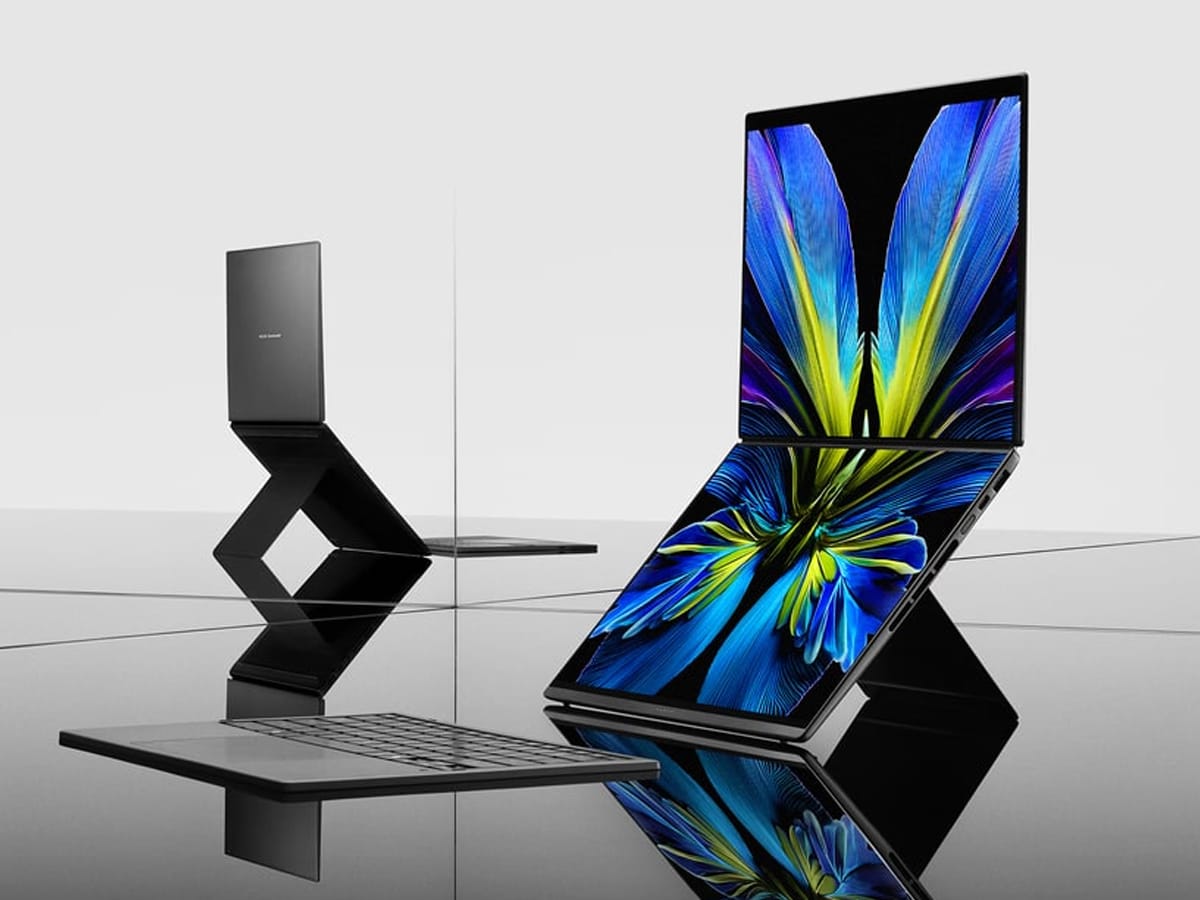
In the Windows ecosystem, the Dell XPS 16 and the ASUS Zenbook DUO represent the pinnacle of versatility. The Zenbook DUO, in particular, has addressed the "screen real estate" challenge by replacing the traditional keyboard deck with a second 14-inch 3K OLED touchscreen. This hardware configuration allows remote workers to maintain a vertical dual-monitor setup while traveling, a capability that was previously limited to static desktop environments.
Visual Fidelity: The Rise of IPS Black and QD-OLED
Monitor technology in 2026 has split into two distinct paths based on user utility. While OLED and Quantum Dot (QD)-OLED panels were once the exclusive domain of the gaming industry, they have transitioned into the professional sphere due to their ability to reduce eye strain. By providing "true blacks" and infinite contrast, these panels allow for clearer text legibility in "dark mode," which many professionals use to mitigate ocular fatigue during 10-hour workdays.
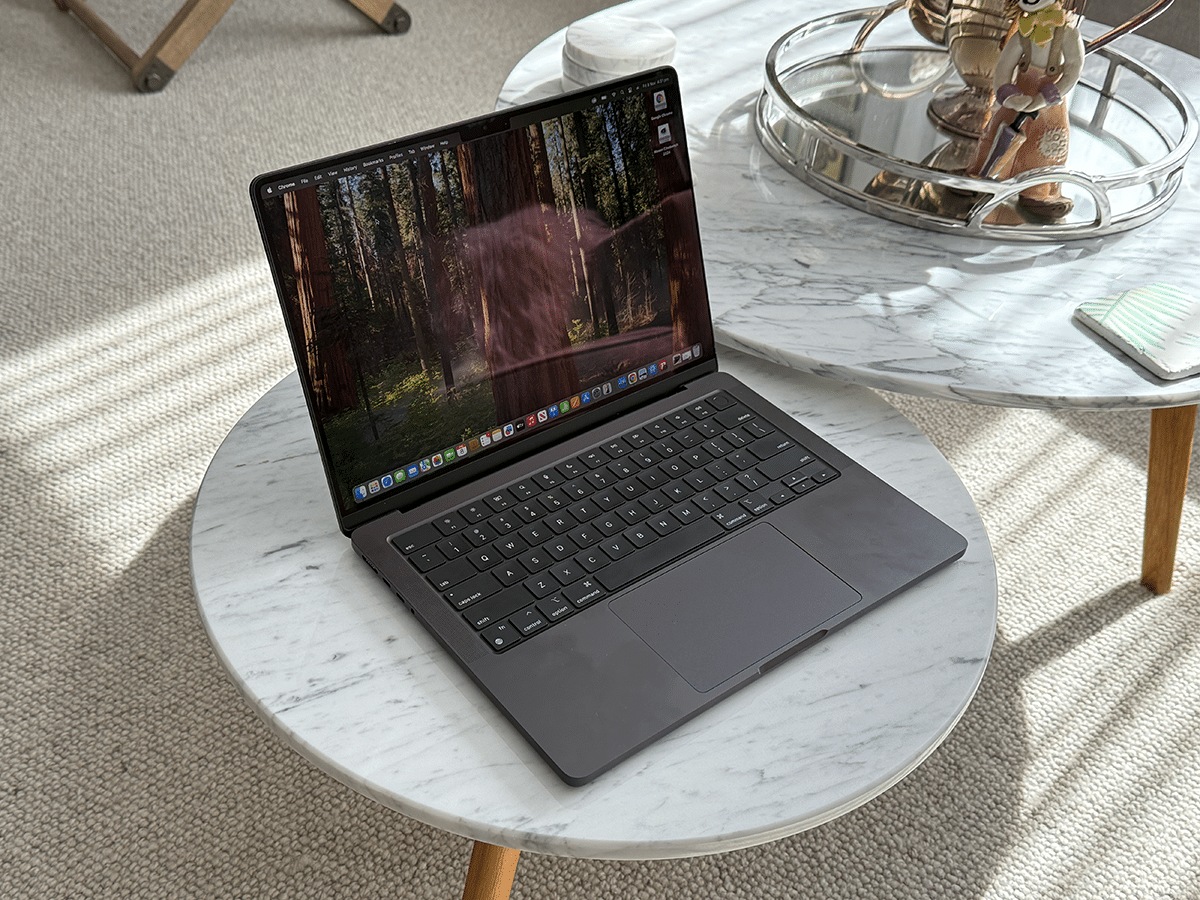
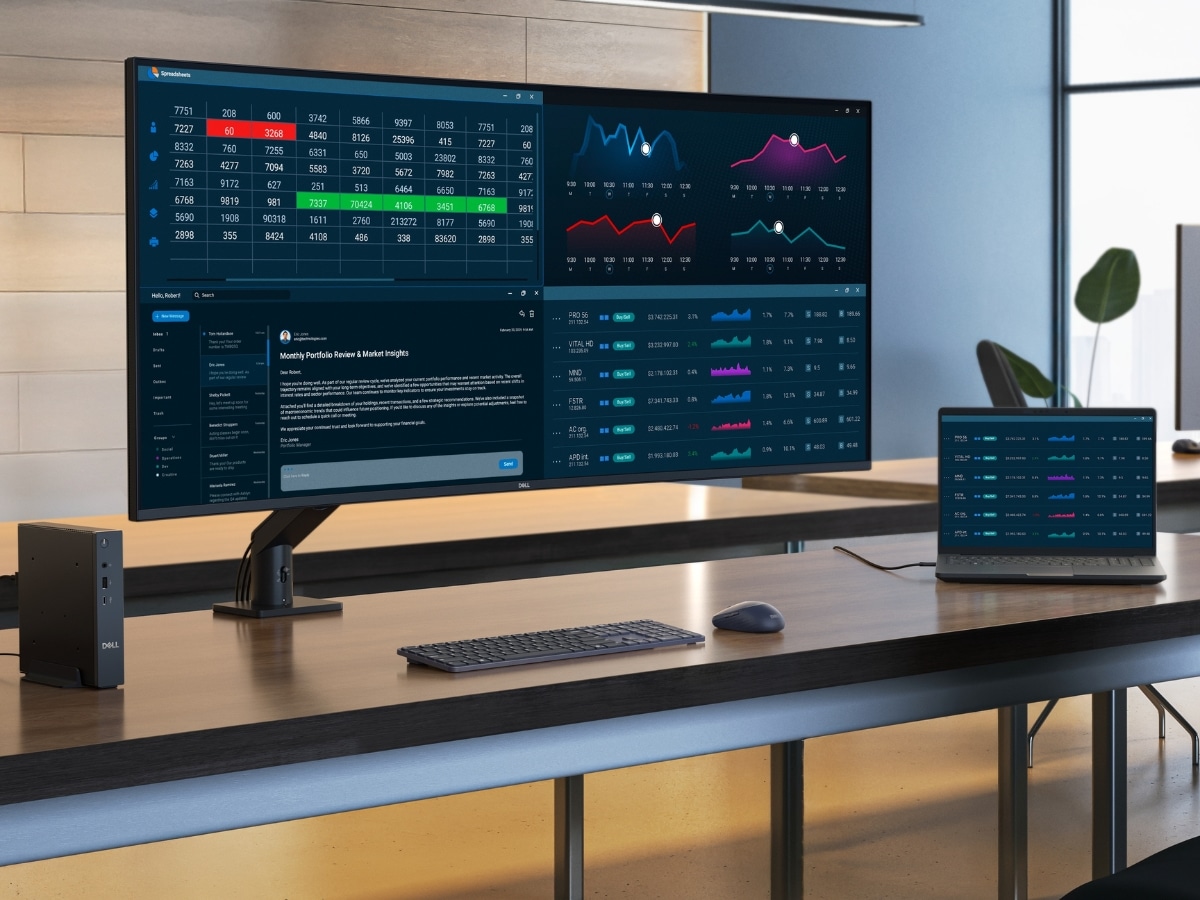
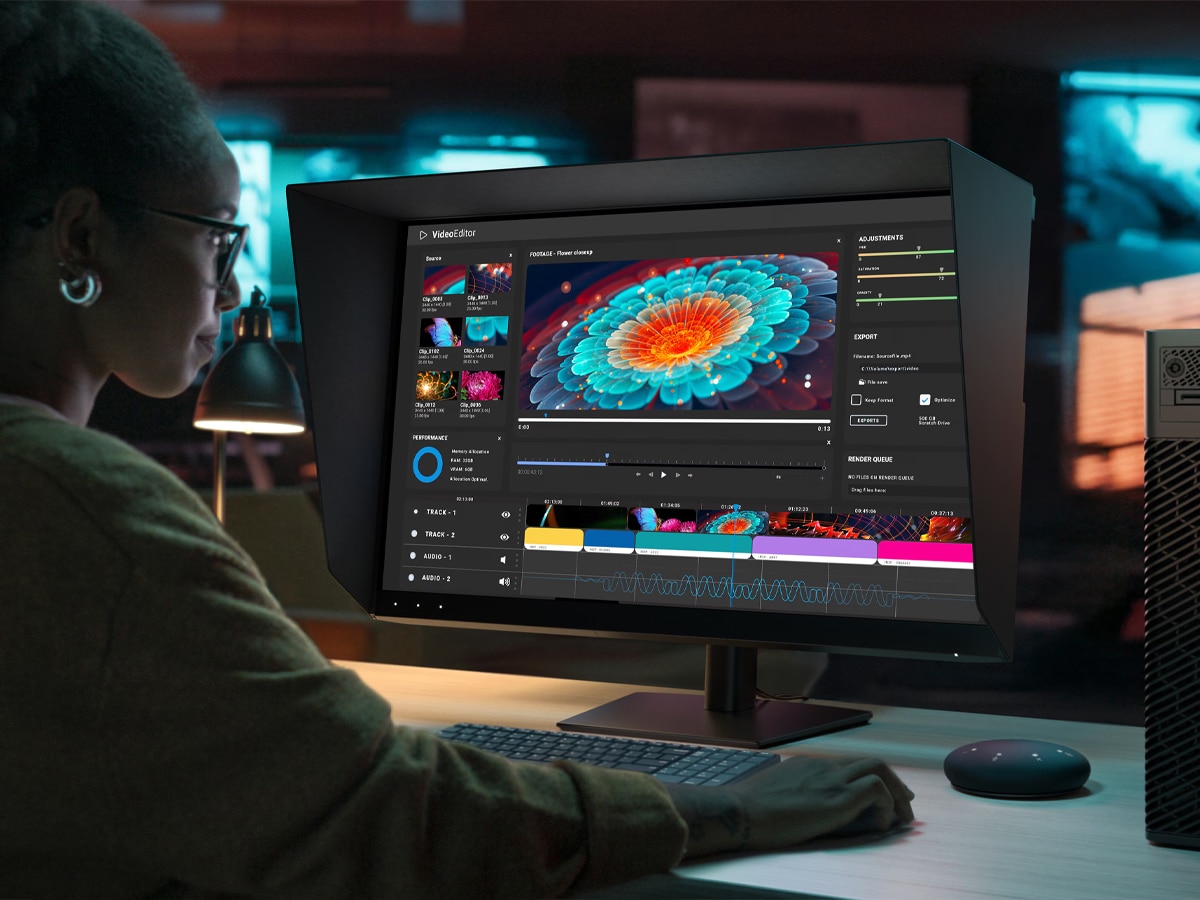
The Dell UltraSharp 32 4K QD-OLED (U3226Q) is a prime example of this transition, offering strict color accuracy for creators while providing the visual comfort necessary for data-heavy tasks. However, for professionals dealing primarily with static spreadsheets and text-heavy documents, the risk of OLED "burn-in" remains a consideration. For these users, IPS Black technology has become the preferred alternative. The Dell UltraSharp U3225QE utilizes an IPS Black panel to provide double the contrast ratio of standard monitors, delivering deeper blacks without the longevity concerns of organic LEDs.
A critical technical requirement for 2026 is the 120Hz refresh rate. Moving beyond the traditional 60Hz standard reduces "micro-stuttering" during scrolling, a subtle but significant contributor to subconscious visual fatigue. Furthermore, the modern monitor now serves as a central hub. High-end displays like the Apple Studio Display XDR or Dell’s Thunderbolt Hub monitors now offer up to 140W of Power Delivery (PD), allowing a single cable to charge a laptop, transmit 5K video, and connect all desktop peripherals.
Ergonomics as a Productivity Multiplier
The "sitting disease" of the early 2020s led to a surge in repetitive strain injuries (RSI) and chronic back pain among remote workers. Consequently, the 2026 office is built on the principle of "micro-movement." The standing desk is no longer a luxury but a foundational tool for postural health.
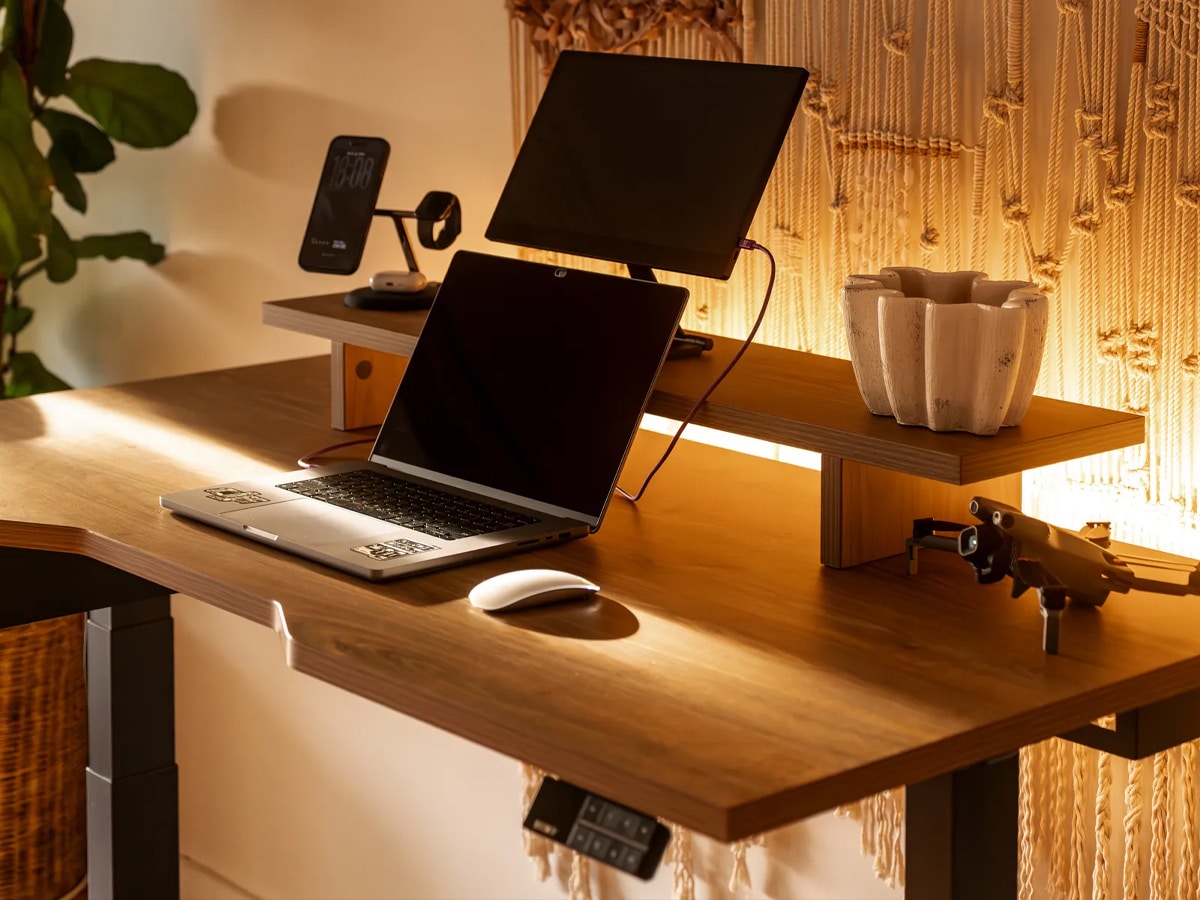
Dual-motor systems, such as those found in the Desky Dual Scalloped Melamine desk, have solved the stability issues of early models. These systems allow for seamless transitions between sitting and standing, encouraging users to engage different muscle groups throughout the day. The "scalloped" design trend addresses the practical reality of cable management, allowing heavy-duty monitor arms to be mounted without preventing the desk from sitting flush against a wall.
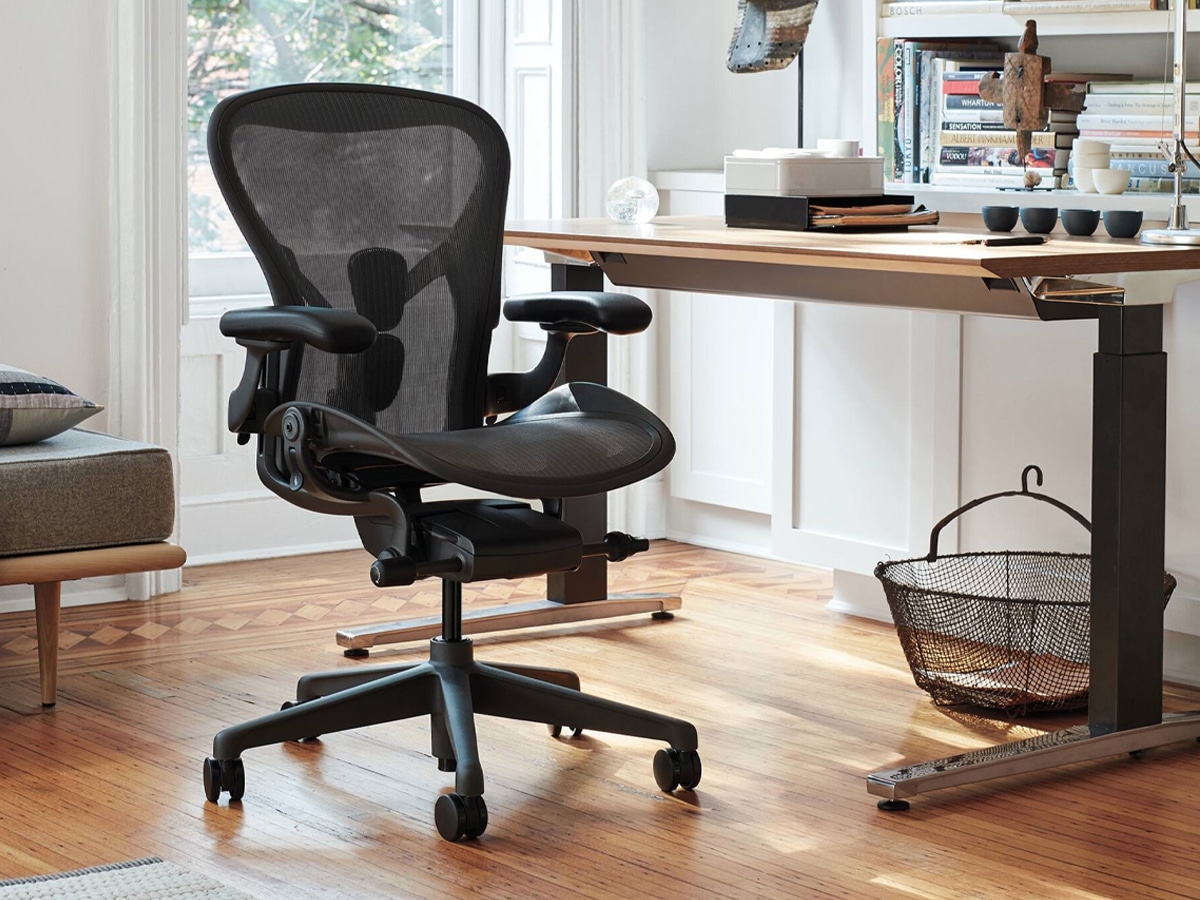
Seating has similarly evolved. The Herman Miller Aeron remains the industry benchmark, particularly for its Pellicle mesh suspension which dissipates body heat—a common complaint with traditional leather or foam chairs. For those seeking integrated lumbar support at a lower price point, the Secretlab Titan EVO has transitioned from a gaming chair to a legitimate ergonomic contender, featuring a 4-way L-ADAPT system that adjusts to the specific curvature of the user’s spine.
Professionalizing Audio and Video Communication
As "Zoom fatigue" has become a documented psychological phenomenon, the focus has shifted toward improving the quality of virtual interactions. Research suggests that audiences are significantly more frustrated by poor audio quality than by poor video quality. This has led to the adoption of "dynamic" microphones over "condenser" microphones in the home office.
The Shure MV6 is a leading example of this trend. Unlike condenser mics that pick up ambient household noise, dynamic capsules are designed for "off-axis rejection," focusing solely on the user’s voice. This provides a "broadcast-quality" sound that eliminates the echoing and background noise common in standard laptop microphones.
In terms of video, the 2026 standard has moved away from simple resolution toward sensor size. The Insta360 Link 2 Pro utilizes a larger imaging sensor and an AI-driven gimbal. This allows the camera to physically track the user if they move to a whiteboard or adjust their seating position, maintaining a professional frame at all times.
For personal audio, Active Noise Cancellation (ANC) remains essential. The Apple AirPods Max 2 and Sony WH-1000XM6 have introduced "Multipoint Bluetooth" as a standard feature, allowing professionals to switch instantly between a laptop video call and a smartphone notification without manual re-pairing.
Connectivity and the Thunderbolt Backbone
The "clean desk" movement of 2026 is powered by Thunderbolt 4 and Thunderbolt 5 docking stations. As laptops become thinner and shed ports, the hub has become the "central nervous system" of the office. Devices like the D-Link DUF-E01 and Satechi Thunderbolt 4 Dock provide the 40Gbps bandwidth necessary to drive dual 4K monitors, gigabit Ethernet, and high-speed external storage through a single connection.
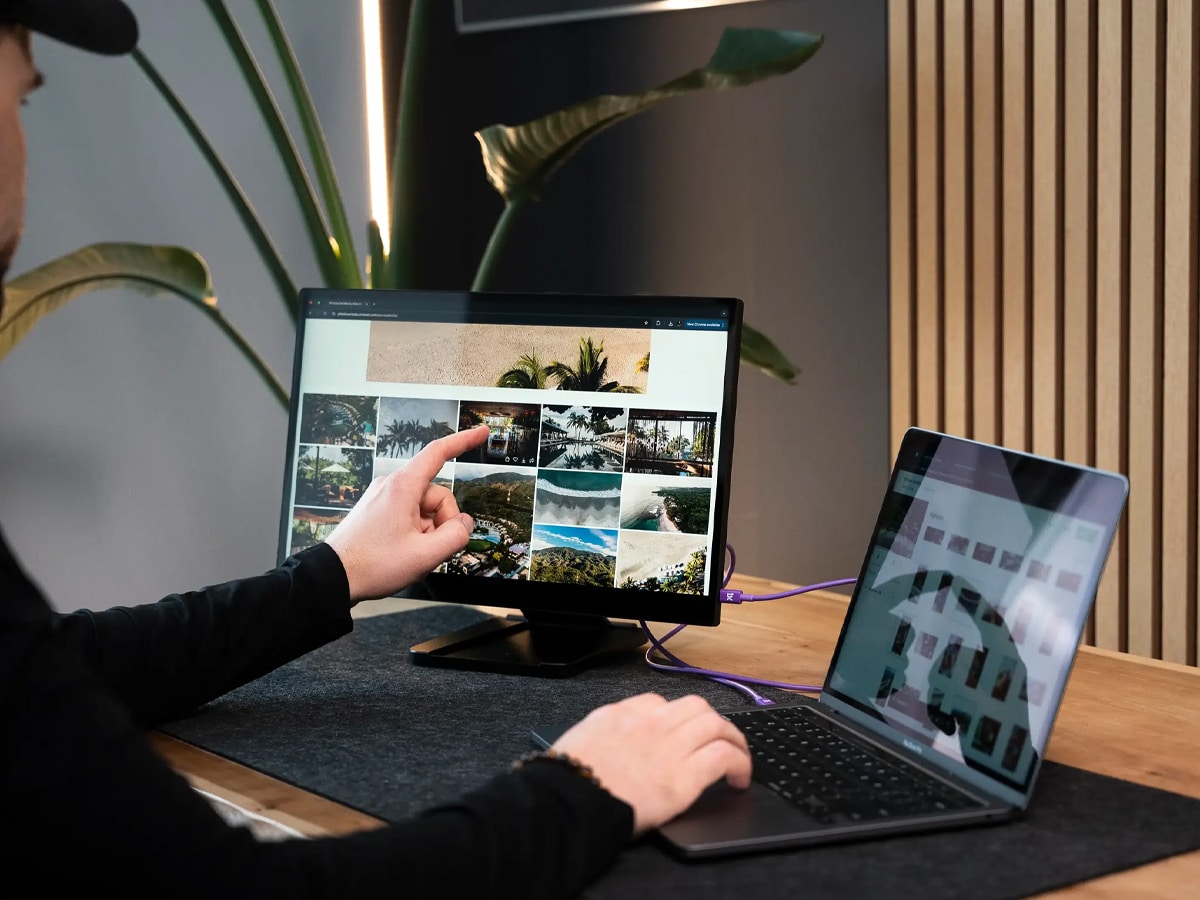
The broader implication of this technology is the "hot-desk" capability within the home. A single Thunderbolt cable allows a user to switch between a work MacBook and a personal PC in seconds, with all peripherals—including the keyboard, mouse, and webcam—instantly remapping to the active device via integrated KVM (Keyboard, Video, Mouse) switches.
Lighting and Environmental "Vibe"
The final layer of the 2026 professional setup is environmental control. Lighting is now categorized into three functional areas: task lighting, bias lighting, and ambient lighting. Task lighting, such as monitor light bars, illuminates the workspace without causing screen glare. Bias lighting, placed behind the monitor, reduces the contrast between the screen and the wall, further mitigating eye strain.
Modular systems like Nanoleaf Blocks have moved beyond aesthetics to provide soft, diffused light that improves the user’s appearance on video calls. Additionally, high-quality desk mats, such as the Orbitkey Desk Mat with its hidden document layer, provide a tactile surface that improves mouse tracking while organizing the physical clutter that can impede focus.
Broader Impact and Future Implications
The professionalization of the home office reflects a permanent shift in the global workforce. By 2026, the "hybrid" model has matured, and corporations increasingly provide stipends for high-end ergonomic and technical equipment, recognizing that a well-equipped home office reduces absenteeism related to physical strain and increases digital output.
Furthermore, the move toward more efficient silicon (M-series and ARM-based chips) has reduced the carbon footprint of the home office. These machines require less power and generate less heat, contributing to a more sustainable long-term model for remote work. As AI continues to integrate into every facet of professional software, the hardware refresh cycle will likely stabilize around these 2026 standards: high RAM, high-bandwidth connectivity, and a rigorous focus on the physical well-being of the human operator.


 Jia Lissa
 Yuyun Lusiyani
 Joko Widodo
 Eva Lovia

 Pevita Pearce